
Sign up to save your podcasts
Or

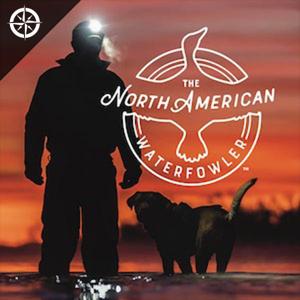
By Elliott Snider


4.7
102102 ratings


The podcast currently has 298 episodes available.
The most played episodes among Podcast App listeners.
Contact Elliott: [email protected] Support The Show: patreon.com/freelanceduckhunting Episode 300 of the North American Waterfowler Podcast! In this episode, I talk about the upcoming teal season, scouting, current habitat conditions, and one of the most important regions for North American waterfowl—the Prairie Pothole Region. I also dig into Ducks Unlimited and the growing debate among duck hunters about the organization. Why do some hunters distrust DU? Where does the money go? How much habitat is actually being conserved? And how important is protecting breeding habitat in the Prairie Pothole Region to the future of duck hunting? Rather than just giving my opinion, I look at the numbers, discuss some of the criticism directed at Ducks Unlimited, and explain why I believe conservation on the breeding grounds matters to every duck hunter—no matter where they hunt. Thanks to everyone who has supported the North American Waterfowler Podcast through 300 episodes! NAW PARTNERS TideWe.com (Code NAW18) Retay Shotguns (RetayUSA.com) FlightDayAmmo.com (NAW10) Slayer Duck Calls (SlayerCalls.Com) Shotty Gear (ShottyGear.Com Code FDH10) Mammoth Guardian Dog Crates Thanks to all of our partners for supporting the North American Waterfowler Podcast. #DuckHunting #DucksUnlimited #Waterfowl #PrairiePotholeRegion #WaterfowlHunting #DuckConservation #TealHunting Learn more about your ad choices. Visit megaphone.fm/adchoices

Blue-Winged Teal Duckling Survival Jumped From 20% to 70% | Grant Rhodes Biologist Grant Rhodes returns to the North American Waterfowler Podcast for the third year in a row to share what he learned during his fourth field season studying Blue-winged Teal across the Prairie Pothole Region. Grant and his team are using drones equipped with thermal imaging, radio telemetry, and uniquely marked hens to study Blue-winged Teal broods and better understand what actually drives duckling survival. And this year produced some incredible results. After seeing duckling survival around 20% in previous years, Grant's raw numbers from this season showed survival approaching 70%. What changed? Water. We discuss how wet conditions across the breeding grounds created more seasonal wetlands, increased food and invertebrate availability, provided better concealment from predators, spread broods across the landscape, and allowed young teal to move between wetlands. We also get into: • Why Blue-winged Teal were chosen for this research • How thermal drones are changing the way researchers count duck broods • Why nest predation was so severe during the Saskatchewan years • Ravens and their impact on nesting success • Predator management and nest survival • Why some broods traveled as far as a mile • A hen that went from 11 ducklings to 21 through brood adoption • What ducklings are eating during their first weeks of life • Why Grant believes we could see a significant increase in Blue-winged Teal following this year's production • What harvest really means for Blue-winged Teal populations • Why habitat and breeding-ground conditions remain so important to waterfowl populations • Where Grant's research goes from here This is Grant's fourth field season studying Blue-winged Teal and his third appearance on the podcast. Each year we've been able to follow the research as it develops, and this may be the most interesting year yet. Join the Freelance Duck Hunting Patreon: patreon.com/freelanceduckhunting Thanks to the partners of the North American Waterfowler Podcast: TideWe — NAW18 for 18% off Retay Shotguns — retayusa.com Flight Day Ammunition — flightdayammo.com Slayer Duck Calls — slayercalls.com Mammoth Guardian Dog Crates — Search Mammoth Guardian Dog Crate on Amazon Shoddy Gear — shoddygear.com — Code FDH10 #BlueWingedTeal #DuckHunting #Waterfowl #WaterfowlHunting #DuckResearch #WaterfowlBiology #PrairiePotholeRegion #NorthAmericanWaterfowler Learn more about your ad choices. Visit megaphone.fm/adchoices
Opening weekend of teal season is officially in the books, and I’m recording this one straight from the truck on the drive home. It was a hot one—literally. We spent the weekend sweating through some brutal early-season weather, but the teal cooperated and we had a ton of success. In this episode, I recap the entire weekend: what we saw, how the birds worked, the hunts that went right, the things we learned, and what opening weekend looked like from the marsh. And somehow, after an already successful weekend, we finished it off with one of the best teal hunts I’ve ever been a part of. No studio and no big production on this one. Just a road-home conversation while everything from the weekend is still fresh in my mind. Opening weekend is here. Duck season has begun. Flight Day Ammunition https://www.flightdayammo.com Code: NAW10 Shotty Gear https://shottygear.com Code: FDH10 TIDEWE https://www.tidewe.com Code: FDH18 Mammoth Guardian Dog Crates https://mammothpet.com Slayer Calls https://www.slayercalls.com Retay USA https://www.retayusa.com Learn more about your ad choices. Visit megaphone.fm/adchoices
On episode 301 of the North American Waterfowler Podcast, Elliott sits down with Patreon guest DL Greise to talk about his journey into waterfowl hunting. DL started duck hunting in East Tennessee without much experience or anyone to show him the ropes. After a season of trying to figure it out on his own, he eventually found a mentor and began expanding his hunting beyond Tennessee. We talk about hunting Reelfoot Lake, Arkansas leases, an incredible dove hunting trip to Argentina, pheasant hunting in South Dakota, Florida diver hunting, and the lessons DL has learned during several years of freelancing North Dakota. We also get into field hunting versus water hunting, scouting, expectations on destination hunts, shotguns, ammunition, waders, and plenty of stories from years spent figuring out waterfowl hunting along the way. Before the conversation, Elliott also discusses the newly released waterfowl breeding population numbers and what they may mean heading into the 2026 season. Learn more about your ad choices. Visit megaphone.fm/adchoices
Contact Elliott: [email protected] support the show: patreon.com/freelanceduckhunting Partners of the Show Retay Shotguns https://www.retayusa.com/ Slayer Duck Calls https://www.slayercalls.com/ TIDEWE — Code: NAW18 https://www.tidewe.com/ Mammoth Guardian Dog Crates https://mammothguardian.com/ Flight Day Ammunition — Code: NAW https://flightdayammo.com/ Shotty Gear — Code: FDH10 https://shottygear.com/ The Klamath Basin is one of the most important waterfowl landscapes in the Pacific Flyway—but in recent years, drought, water shortages, and devastating avian botulism outbreaks have taken an enormous toll. In 2024 alone, an estimated 140,000 birds died from avian botulism. On this episode of the North American Waterfowler Podcast, I’m joined by Jeff McCreary, Director of Operations for Ducks Unlimited’s Western Region, and Dr. Dan Smith, Ducks Unlimited waterfowl research scientist. We break down why Klamath is so important, the complicated battle over water in the basin, how avian botulism kills waterfowl, and an innovative new approach called Flowthrough that could help provide water for wetlands, reduce botulism outbreaks, improve habitat, benefit fish—and create better hunting opportunities. There is plenty of doom and gloom surrounding waterfowl and habitat today. This conversation is different. There are people working together to find solutions, and there is legitimate reason for hope at Klamath. Learn more about your ad choices. Visit megaphone.fm/adchoices
The podcast currently has 298 episodes available.
376 Listeners

508 Listeners
1,476 Listeners
600 Listeners
971 Listeners

562 Listeners

200 Listeners
425 Listeners
53 Listeners
1,215 Listeners
45 Listeners
81 Listeners
29 Listeners

187 Listeners

26 Listeners