
Sign up to save your podcasts
Or

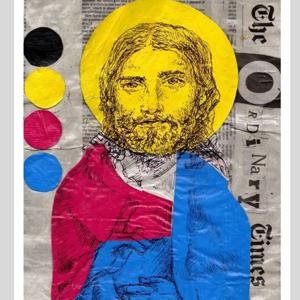


We Contemporary-Christians hold many hybrid identities. An article entitled, “MANY FLOCK TO HEAR FREE SYNAGOGUE PLANS” from January 28, 1907 tells of when a Jewish-American rabbi came to town but chose to speak to a crowd away from a synagogue. He was also a Reform rabbi with plenty of ideas concerning change. More than an Americanism, could the gifts of ancient Judaism be reformed with the best of Modernity? This week’s reading in Luke 4 21-30 asks a similar question of its original readers. Jesus asks how our ancient faith meets our modern world.
The July 24, 1904, article “ANARCHISTS FROM EUROPE.” grew from the pulsing fear that foreign agents were engaged in a revolutionary campaign threatening America. What was especially troubling was the allegation that the suspects would potentially be disguised as members of the Salvation Army (what the article calls “Salvationists”). Revolutions were feared because they started with foreign thoughts... ideas that were spread by proponents with platforms. We encounter a similar scene in the reading from Luke 4:14-21. Jesus’ parentage and prophetic forefathers colored how he perceived the world. Yet they were overlooked insights that many Jewish teachers of the time missed while digging deep into the details. To their ears his Gospel seemed unusual, strange and foreign. Indeed, Jesus’ ideas about salvation were revolutionary.
On September 27, 1900, the New York Times reported in “The President At A Wedding.” that President McKinley returned to his hometown for a celebration. In American culture, rings of metal evolved to become the primary symbols of the institution of marriage. Likewise, marriages became a symbol of the notion of family itself. But there are many forms that a family can take and many stories that flow from their form. The narrative in John 2:1-12 is also set at a wedding celebration, and under its familiar surface, it reveals a more nuanced story of families and alternative families.
All stories begin with water. At least the ones that ended up being printed in Adolph Och’s New York Times. That is because the printing process begins with it. Both Reform Judaism and Reformed Protestantism are drenched in a similar metanarrative: the idea of an elect people submerged in salvation history. One version of that story appears in our reading from the Gospel of Luke 3:15-22. He told those who traveled from the big city to a smaller water with bigger implications.
This introduction to the series centers around Luke 1:1-4 and the life of publisher Adolph S. Ochs.
Starting Sunday, January 2nd, The Ordinary Times: stories for people who only attend church on Christmas and Easter.
From the publisher's feed