
Sign up to save your podcasts
Or

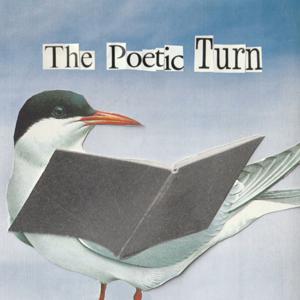


In this episode, Darren and Evan delve into Shakespeare's Sonnet 29, exploring its relevance, emotional depth, and especially the wonderful example it gives of a poetic turn.
Evan's website: www.evancarlsonactor.com
Darren's website: www.darrensvoice.com
Our cover art is by Lara Johnson: @lara_johnson_art
The conversation with Mark Yakich delves into the emotional connection and playfulness of language in poetry. It begins with an introduction to Mark and his influence on the hosts, followed by a discussion on Mark's journey to poetry and the impact of poetry on his life. The exploration of Mark's work and the power of language in poetry are also highlighted, emphasizing the depth and emotional resonance of poetic expression. The conversation delves into the significance of re-reading poetry to deepen the connection and understanding of the verses. It explores the underrated nature of William Shakespeare as a poet and the choice of medium between prose and poetry. Additionally, it highlights the impact of reading poetry aloud and the nuances of language and line breaks in poetry.
Takeaways
Chapters
Poetry: A Survivors Guide
The Poetry Reader: An Anthology
Poets mentioned:
Vasko Popa
Zbigniew Herbert
Evan's website: www.evancarlsonactor.com
Darren's website: www.darrensvoice.com
Our cover art is by Lara Johnson: @lara_johnson_art
Explore profound themes in Carl Sandburg's poetry, in this case focusing on the collective power of the people and the importance of remembrance. This discussion delves into Sandburg's poetic definitions, historical context, and the enduring relevance of his work.
keywords:
Carl Sandburg, poetry, collective power, remembrance, American literature, poetry analysis, Chicago poets
key topics:
takeaways:
Chapters
00:00 Introduction to the Poetic Turn and Carl Sandburg
02:05 Sandburg's Definitions of Poetry: A Glimpse into the Poet's Mind
03:50 The Power of the Collective: 'I Am the People, the Mob'
06:04 Imagery and Themes: Storms, Prairie, and Blood
08:06 The Call to Remember: Lessons from History
10:05 Historical Context: Lincoln, Napoleon, and American Identity
12:09 Sandburg's Style: Free Verse and Long Lines
14:16 The Urgency of the Message: Don't Forget
15:54 The Role of the People in Shaping History
18:11 The Power of Poetry to Inspire Collective Memory
20:05 Conclusion: Embracing the Voice of the People and the Poet
22:07 Final Reflections
Carl Sandburg's 'Chicago Poems' - https://www.amazon.com/s?k=Chicago+Poems+Carl+Sandburg
A link to I Am The People, The Mob
Carl Sandburg reading a poem on The Ed Sullivan show!
Evan's website: www.evancarlsonactor.com
Darren's website: www.darrensvoice.com
Our cover art is by Lara Johnson: @lara_johnson_art
In the realm of poetry, few figures stand as tall as William Butler Yeats, whose works resonate with profound imagery and spiritual depth. In this post, we'll explore Yeats' poem "The Fisherman," a piece that not only showcases his literary genius but also reflects his complex relationship with art and its audience.
William Butler Yeats was an Irish poet, dramatist, and one of the foremost figures of 20th-century literature. His work is deeply intertwined with Irish culture and mythology, often reflecting the political and spiritual turmoil of his time. Yeats believed poetry should evoke a trance-like state, merging the realms of the awake and the dream world.
The poem The Fisherman
Evan's website: www.evancarlsonactor.com
Darren's website: www.darrensvoice.com
Our cover art is by Lara Johnson: @lara_johnson_art
In the realm of poetry, few figures stand as tall as William Butler Yeats, whose works resonate with profound imagery and spiritual depth. In this post, we'll explore Yeats' poem "The Fisherman," a piece that not only showcases his literary genius but also reflects his complex relationship with art and its audience.
William Butler Yeats was an Irish poet, dramatist, and one of the foremost figures of 20th-century literature. His work is deeply intertwined with Irish culture and mythology, often reflecting the political and spiritual turmoil of his time. Yeats believed poetry should evoke a trance-like state, merging the realms of the awake and the dream world.
The poem The Fisherman
Evan's website: www.evancarlsonactor.com
Darren's website: www.darrensvoice.com
Our cover art is by Lara Johnson: @lara_johnson_art
In this episode of The Poetic Turn, we dive into the poetry of one of America’s most renowned poets, Emily Dickinson. Known for her unique style and introspective themes, Dickinson’s work remains relevant and compelling.
Across the centuries, Emily Dickinson’s poetry has continued to speak to us about the fundamental aspects of human existence. Her ability to distill complex emotions into simple yet profound language makes her work timeless. If you’re inspired to explore more of her poetry, check out collections available through the Gutenberg Project, which provides free access to many of her poems.
Here’s a link to the poem THE BATTLE-FIELD.
A link to Heart, we will forget him!
And here’s Dickinson’s famous poem, THE SNAKE. This link also contains an image of the actual poem as written by Dickinson, which is interesting.
A link to the Gutenberg Project page with hundreds of Dickinson poems.
A link to the Nick Lowe song, Heart.
Evan's website: www.evancarlsonactor.com
Darren's website: www.darrensvoice.com
Our cover art is by Lara Johnson: @lara_johnson_art
Austin Smith is the author of two collections, Flyover Country (2018) and Almanac (2013), both published by Princeton University Press. He has been awarded a Wallace Stegner Fellowship, a grant from the National Endowment for the Arts, and the Amy Lowell Poetry Travelling Scholarship. He is a Jones Lecturer at Stanford University.
## Understanding the Connection: Why Poetry?
Poetry often serves as a window into our emotions, allowing us to express what we feel but cannot articulate. In our conversation with Austin, he articulates the idea that poems are almost like monologues for readers, inviting them to inhabit the poem's world. This immersive experience is what makes poetry so compelling.
### The Role of Language in Poetry
Austin emphasizes the significance of language in poetry, suggesting that it often achieves a kind of perfection that is harder to find in prose. The brevity of poetry allows for a concentrated expression of thought, where every word matters.
### The Impact of Personal Background
Growing up on a dairy farm in Northwestern Illinois, Austin's roots influence his work. He reflects on how his pastoral upbringing shapes his perspective and informs his poetry. Even as he now lives in San Francisco, the imagery and themes from his Midwestern background continue to resonate in his writing.
Poetry is more than just words on a page; it’s a powerful medium that connects us to our emotions, experiences, and each other. As we explored with Austin Smith, the art of poetry has the potential to resonate deeply, inviting readers to engage in a dialogue with the text and with themselves.
The poem The Brinkmeiers
The poem Lambs
Austin Smith’s Substack, which features new poetry regularly.
Austin’s books can be found here and elsewhere: Almanac and Flyover Country.
Evan's website: www.evancarlsonactor.com
Darren's website: www.darrensvoice.com
Our cover art is by Lara Johnson: @lara_johnson_art
Austin Smith is the author of two collections, Flyover Country (2018) and Almanac (2013), both published by Princeton University Press. He has been awarded a Wallace Stegner Fellowship, a grant from the National Endowment for the Arts, and the Amy Lowell Poetry Travelling Scholarship. He is a Jones Lecturer at Stanford University.
In the world of literature, poetry holds a unique and powerful place. Why is it that poems resonate so deeply with us? In this podcast, we explore the insights of poet Austin Smith, who shares his journey through the world of poetry and the profound impact it has had on his life and work. Join us as we uncover why poetry matters and how it can enrich our lives.
## Understanding the Connection: Why Poetry?
Poetry often serves as a window into our emotions, allowing us to express what we feel but cannot articulate. In our conversation with Austin, he articulates the idea that poems are almost like monologues for readers, inviting them to inhabit the poem's world. This immersive experience is what makes poetry so compelling.
### The Role of Language in Poetry
Austin emphasizes the significance of language in poetry, suggesting that it often achieves a kind of perfection that is harder to find in prose. The brevity of poetry allows for a concentrated expression of thought, where every word matters. This meticulous attention to language is what sets poetry apart as an art form.
### The Impact of Personal Background
Growing up on a dairy farm in Northwestern Illinois, Austin's roots influence his work. He reflects on how his pastoral upbringing shapes his perspective and informs his poetry. Even as he now lives in San Francisco, the imagery and themes from his Midwestern background continue to resonate in his writing.
## Key Takeaways from Our Conversation
- Poetry Connects Us: It provides a way to articulate emotions and experiences.
- Language is Crucial: The precision of language in poetry creates a unique form of expression.
- Personal Background Shapes Perspective: Austin's upbringing influences his writing, demonstrating the impact of personal history on art.
- Transforming Narratives: Poets can take real-world events and craft them into compelling stories.
Poetry is more than just words on a page; it’s a powerful medium that connects us to our emotions, experiences, and each other. As we explored with Austin Smith, the art of poetry has the potential to resonate deeply, inviting readers to engage in a dialogue with the text and with themselves.
The poem The Brinkmeiers
The poem Lambs
Austin Smith’s Substack, which features new poetry regularly.
Evan's website: www.evancarlsonactor.com
Darren's website: www.darrensvoice.com
Our cover art is by Lara Johnson: @lara_johnson_art
Welcome to the latest episode of The Poetic Turn! Have you ever wondered how poets see the world differently? In this episode, we dive deep into the creative mind of Dan Smart, a prolific poet, who shares his experiences and insights on writing and the nature of poetry. From the beauty of everyday moments to the meditation of writing, this conversation reveals how poetry can help us discover a different way of engaging with the world.
## About Dan Smart
Dan Smart is a talented poet and writer based in Chicago, known for his ability to capture the essence of everyday life through his poetry. He has a popular blog where he shares his work, and his recent book, Flowers of Nonchalance, showcases his unique voice and perspective on the world.
## The Poet's Perspective on Everyday Life
In our conversation, Dan shares how poets experience the world differently. "It's a noticing life," he explains. Poets like Dan are constantly seeking out beauty and surprise in the mundane. He describes writing poetry as a meditative practice, allowing him to pay careful attention to the world around him. This attentiveness not only enriches his creative process but also helps him navigate life’s anxieties.
## The Creative Process: From Observation to Creation
Dan emphasizes that poetry isn't just about capturing a moment; it's about exploring the deeper truths within those moments. He explains that ideas often come during the writing process itself, rather than as fully formed thoughts. This means that poets must be open to discovery, allowing their writing to evolve organically.
### Tips for Aspiring Poets
1. Keep a Journal: Regularly jot down observations and feelings to spark creativity.
2. Read Widely: Exposure to different styles and voices can inspire your own writing.
3. Embrace Imperfection: Don’t aim for perfection; let your ideas flow freely and refine them later.
In our discussion, we also explore a few of Dan's poems. "At the Crosswalk" captures the feeling of being small in a bustling city. The imagery he uses evokes a sense of freedom and wonder, reminding us that even in urban settings, nature plays a significant role in our experiences. And in "The Defense Rests," the poet, startled by nature's beauty, engages very directly with faith.
## Conclusion
Dan Smart’s insights into the world of poetry remind us that there is beauty in every moment if we choose to notice it. By cultivating mindfulness and creativity, we can enhance our lives and the lives of those around us through the art of poetry. If you're interested in exploring more about Dan and his work, check out his blog and Flowers of Nonchalance.
The poem The Defense Rests
The poem At The Crosswalk
Dan Smart's blog Rhythm is the Instrument
Evan's website: www.evancarlsonactor.com
Darren's website: www.darrensvoice.com
Our cover art is by Lara Johnson: @lara_johnson_art
In this episode, poet Diego Baez discusses the significance of poetry in fostering understanding across divides, shares insights into his creative process, and reads his evocative poem 'Regalito.' We explore themes of language, heritage, and the power of poetry to connect generations and cultures.
keywords
Poetry, Language, Heritage, Cultural Identity, Creative Process, 'Regalito', Diego Baez, Poetry in Education, Bilingualism, Cultural Heritage
key topics
takeaways
sound bites
"Poetry feels natural and makes the most sense to me."
"The best poems are true, even if they're not always factual."
"There's not a word for that in Spanish."
Chapters
00:00 Introduction and Guest Introduction
01:06 Poetry's Role in Bridging Divides
03:23 The Personal Significance of Poetry
05:38 Reading 'Regalito'
07:11 Language, Heritage, and Cultural Identity
09:56 Poetry in Education and Outreach
14:39 Writing 'Regalito' and Creative Process
19:19 The Significance of Heritage Languages
24:59 Closing Remarks and Final Reading
resources
Diego Baez's Website, where you can find his book - https://diegobiaz.com
Diamond Sharp - Super Sad Black Girl
Jordan Perez - Santa Tarantula
Evan's website: www.evancarlsonactor.com
Darren's website: www.darrensvoice.com
Our cover art is by Lara Johnson: @lara_johnson_art
From the publisher's feed
The Poetic Turn is a podcast hosted by Darren Stephens and Evan Carlson that explores poems and poetry through conversation—thoughtful, curious, and welcoming. Each episode invites…
The show is for anyone who wants more poetry in their world. Whether you’re brand new to poetry, returning after a long absence, or already comfortable reading and discussing poems, The Poetic Turn meets you where you are—without gatekeeping, jargon for its own sake, or academic posturing. The goal is simple: to make poetry more approachable, more meaningful, and more present in everyday life.