The Political Bridge

The Political Bridge

By The Political BridgeNewsPoliticsDaily News
Download on the App Store

The Political Bridge episodes

  • Episode 40: The Role of Data Centers and AI Infrastructure in Local Economies and Politics
    In this bipartisan debate on data centers and AI infrastructure, hosts Ada, Nico, and Jordan explore the complex impact of these tech hubs on local economies and communities. These facilities promise economic growth but raise concerns about resource strain and environmental impact. The discussion delves into how local governments can balance technological advancement with community well-being.
    🔴 Nico, the conservative strategist, argues that data centers are a clear win for local economies, bringing significant private investment, high-paying tech jobs, and boosting the local tax base. He emphasizes embracing progress and smart policy to guide responsible growth.
    🔵 Jordan, the progressive practitioner, contends that the economic benefits are often overstated, with few permanent jobs and generous tax breaks reducing local revenue. She highlights vast energy and water consumption, advocating for stronger regulations, independent environmental assessments, and community input for sustainable growth.
    Who made the stronger case? Listen and decide.
    Listen & subscribe: https://tpbridgepod.com/episodes
    Follow us:
    Twitter/X: https://x.com/tpbridepod?s=11
    Instagram: @TPBridgePod
    #ThePoliticalBridge #tpbridgepod #PoliticalDebate #Podcast #Politics #AI

    14 min
  • Episode 39: US-Iran Tensions and Global Oil Security: Is Iran's Leverage Fading?
    This episode delves into the complex US-Iran tensions and their profound impact on global oil security. For decades, Iran's actions have influenced oil prices and international relations, leading to ongoing debate about its geopolitical leverage. We explore whether Iran's power is truly fading or simply changing shape, and what this means for the US and global energy markets.
    🔴 Nico argues that Iran's leverage is fading due to shifting global energy markets, increased US oil production, and the effectiveness of sanctions. He points to new oil sources and the global move towards cleaner energy as factors reducing Iran's ability to dictate terms.
    🔵 Jordan counters that Iran's leverage is far from fading, highlighting its control over the critical Strait of Hormuz and its strong regional alliances. She emphasizes that global demand remains high, and Iran's ability to disrupt shipping or use its nuclear program provides significant, albeit changing, influence. Who made the stronger case? Listen and decide.
    Listen & subscribe: https://tpbridgepod.com/episodes
    Follow us:
    Twitter/X: https://x.com/tpbridepod?s=11
    Instagram: @TPBridgePod
    #ThePoliticalBridge #tpbridgepod #PoliticalDebate #Podcast #Politics #AI
    12 min
  • Episode 38: Assassination Threats and Foreign Policy: US-Iran Escalation and Presidential Authority
    This episode delves into the bipartisan debate on presidential authority in foreign policy, specifically regarding US-Iran escalation and assassination threats against the President. Recent reports of Iranian threats against former President Trump raise critical questions about how the U.S. should respond and the extent of presidential power in such crises. Should the President act swiftly and unilaterally, or must Congress play a central role? This tension between executive action and legislative oversight is at the heart of national security. 🔴 Nico argues that the President, as Commander-in-Chief, needs full authority for decisive action against direct threats to American sovereignty and leadership, emphasizing speed and strength to deter aggression. 🔵 Jordan counters that unchecked presidential power risks unintended wars and costly mistakes, stressing Congress's constitutional role in declaring war and the importance of deliberation, diplomacy, and alliances to ensure accountability. Who made the stronger case? Listen and decide. Listen & subscribe: https://tpbridgepod.com/episodes Follow us: Twitter/X: https://x.com/tpbridepod?s=11 Instagram: @TPBridgePod #ThePoliticalBridge #tpbridgepod #PoliticalDebate #Podcast #Politics #AI
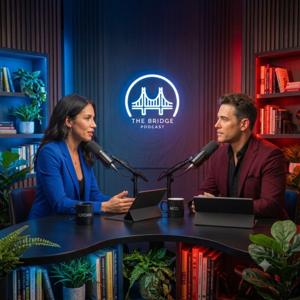
    14 min
  • Episode 37: The Future of US-Israel Relations: Should America Pursue a '23-State Solution' and End Unconditional Support?
    Explore the complex and often emotional debate on the future of US-Israel relations. This episode delves into whether America should continue its long-standing approach of unconditional support for Israel or pivot towards a more conditional strategy, potentially pushing harder for a '2-state solution'. The discussion unpacks the profound implications of US foreign policy in the Middle East, examining its impact on regional stability and human rights.
    🔴 Nico argues that America's strong alliance with Israel is crucial for national security and stability in a volatile region, asserting that ending support would empower adversaries and undermine shared interests. He believes a '2-state solution' must arise from direct talks, not US imposition.
    🔵 Jordan contends that unconditional support has failed to achieve lasting peace, often exacerbating the plight of Palestinians. She advocates for conditioning aid to promote human rights and a viable Palestinian state, arguing this balanced approach is necessary for true stability.
    Who made the stronger case? Listen and decide.
    Listen & subscribe: https://tpbridgepod.com/episodes
    Follow us:
    Twitter/X: https://x.com/tpbridepod?s=11
    Instagram: @TPBridgePod
    #ThePoliticalBridge #tpbridgepod #PoliticalDebate #Podcast #Politics #AI
    13 min
  • Episode 36: NATO Defense Spending: Has Trump's 'America First' Approach Successfully Shifted the Burden to Allies?
    This episode delves into the bipartisan debate on NATO defense spending, examining whether former President Trump's 'America First' approach successfully shifted the financial burden to allies or damaged crucial alliances. The discussion explores the complex balance between financial contributions and alliance cohesion, a critical challenge for global security. 🔴 Nico argues that Trump's firm stance led to a quantifiable increase in defense spending by NATO members, making the alliance stronger and more equitable for American taxpayers. He asserts that this pressure forced allies to take responsibility for their own defense. 🔵 Jordan counters that while some spending increased, Trump's confrontational tactics eroded trust and damaged vital diplomatic relationships, potentially weakening NATO's ability to respond to global threats. She emphasizes that alliances are built on shared values and cooperation, not just financial transactions. Who made the stronger case? Listen and decide. Listen & subscribe: https://tpbridgepod.com/episodes Follow us: Twitter/X: https://x.com/tpbridepod?s=11 Instagram: @TPBridgePod #ThePoliticalBridge #tpbridgepod #PoliticalDebate #Podcast #Politics #AI
    13 min
  • Episode 35: Federal Policy Approaches to Housing Affordability and Wall Street Investment
    The bipartisan debate on housing affordability and Wall Street investment explores how federal policy approaches can address a critical national issue. Many families struggle to find affordable homes, while large financial firms increasingly purchase residential properties, impacting local markets and homeownership prospects. This episode dives into the core question: what role should the federal government play in regulating Wall Street's involvement in housing and improving affordability for all?
    🔴 Nico argues that the core problem is insufficient housing supply, advocating for reduced regulations and zoning reform to encourage building. He believes the free market, not government intervention, is the solution to lowering prices and increasing availability.
    🔵 Jordan counters that Wall Street's bulk purchases distort the market, making homes unaffordable for families. She proposes policies like taxing corporate housing investments and direct assistance for first-time buyers to protect communities and ensure homes are for living, not just profit. Who made the stronger case? Listen and decide.
    Listen & subscribe: https://tpbridgepod.com/episodes
    Follow us:
    Twitter/X: https://x.com/tpbridepod?s=11
    Instagram: @TPBridgePod
    #ThePoliticalBridge #tpbridgepod #PoliticalDebate #Podcast #Politics #AI
    13 min
  • Episode 34: The Impact of Political Influence on International Sports Governance: The FIFA Red Card Controversy
    This episode delves into the complex and often contentious relationship between political influence and international sports governance, sparked by the recent FIFA Red Card Controversy. We explore whether sports can truly remain independent of government actions and powerful nations, and what this means for athletes and fans worldwide. 🔴 Nico argues that political interference corrupts the spirit of fair play, advocating for strong, independent sports organizations that resist outside pressure to protect the integrity of the game and its athletes. 🔵 Jordan contends that sports are not apolitical and can serve as a powerful platform for justice, using sanctions against nations violating human rights as a necessary tool for accountability and change. Who made the stronger case? Listen and decide. Listen & subscribe: https://tpbridgepod.com/episodes Follow us: Twitter/X: https://x.com/tpbridepod?s=11 Instagram: @TPBridgePod #ThePoliticalBridge #tpbridgepod #PoliticalDebate #Podcast #Politics #AI
    13 min
  • Episode 33: Federal vs. State Authority: DOJ Challenges State Gun Laws Post-SCOTUS Second Amendment Affirmation
    This episode delves into the complex bipartisan debate on federal versus state authority regarding gun laws in the United States. Following a pivotal Supreme Court ruling affirming Second Amendment rights, the Department of Justice has begun challenging certain state gun regulations, sparking a nationwide discussion on constitutional liberties versus public safety. The core question is: Who ultimately decides the scope of gun ownership and regulation?
    🔴 Nico argues that the DOJ is correctly upholding the Second Amendment by challenging state laws that effectively disarm law-abiding citizens, asserting that constitutional rights should not vary by state. He believes that states overreach by enacting restrictions without historical basis, making people less safe.
    🔵 Jordan counters that states have a right and duty to enact gun laws tailored to their communities to ensure public safety, citing the Supreme Court's allowance for 'reasonable restrictions.' She contends that federal challenges undermine local control and proven methods to reduce gun violence.
    Who made the stronger case? Listen and decide.
    Listen & subscribe: https://tpbridgepod.com/episodes
    Follow us:
    Twitter/X: https://x.com/tpbridepod?s=11
    Instagram: @TPBridgePod
    #ThePoliticalBridge #tpbridgepod #PoliticalDebate #Podcast #Politics #AI
    12 min
  • Episode 32: Should the U.S. Government Take Stakes in Private AI Companies?
    This episode delves into the urgent question of whether the U.S. government should take stakes in private AI companies, exploring the conservative vs progressive views on this critical policy. As artificial intelligence rapidly reshapes society, the debate centers on how best to guide its development for public good while fostering innovation. Should the government become a part-owner to ensure ethical AI and public benefit, or would this stifle the very progress it aims to guide?
    🔴 Nico argues that government ownership would harm free markets, reduce competition, and slow innovation, advocating instead for smart regulation and trust in the private sector's agility. He believes direct government involvement would lead to bureaucracy and political influence, hindering America's AI leadership.
    🔵 Jordan contends that AI's unique risks demand direct government involvement to prioritize public good, ethics, and human rights over pure profit. She suggests strategic stakes with conditions could guide AI towards responsible uses without stifling innovation, ensuring benefits are widely distributed.
    Who made the stronger case? Listen and decide.
    Listen & subscribe: https://tpbridgepod.com/episodes
    Follow us:
    Twitter/X: https://x.com/tpbridepod?s=11
    Instagram: @TPBridgePod
    #ThePoliticalBridge #tpbridgepod #PoliticalDebate #Podcast #Politics #AI
    13 min
  • Episode 31: The Future of Birthright Citizenship and Immigration Policy in the US
    Explore the intense bipartisan debate on birthright citizenship and immigration policy in the US. This episode tackles a fundamental question: Should birthright citizenship, enshrined in the 14th Amendment, be re-evaluated, and how does this impact our broader immigration system? We delve into the economic, security, and social implications of current policies and proposed changes. 🔴 Nico argues that ending birthright citizenship for children of non-citizens is crucial to deter illegal immigration, reduce strain on public services, and protect taxpayers. He believes the current immigration policy in the US is broken and unsustainable. 🔵 Jordan counters that birthright citizenship is a core American value, preventing the creation of a destabilizing underclass. She emphasizes immigrants' economic contributions and advocates for comprehensive immigration reform with clear legal pathways. Who made the stronger case? Listen and decide. Listen & subscribe: https://tpbridgepod.com/episodes Follow us: Twitter/X: https://x.com/tpbridepod?s=11 Instagram: @TPBridgePod #ThePoliticalBridge #tpbridgepod #PoliticalDebate #Podcast #Politics #AI
    14 min

About The Political Bridge

From the publisher's feed

The Political Bridge is a daily debate podcast where two AI hosts — Nico and Jordan — go head-to-head on the most pressing political issues of our time. Nico argues the conservative case. Jordan argues the progressive case. No spin, no talking points — just the strongest data-driven arguments from both sides.