
Sign up to save your podcasts
Or

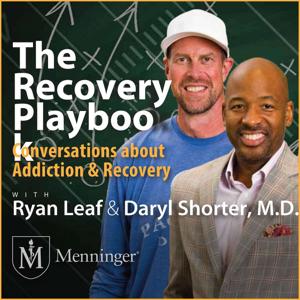


Pain demands attention, but recovery demands protection. We tackle the tightrope walk of treating acute and post-surgical pain without opening the door to relapse, drawing on real experiences from Ryan's orthopedic procedures, brain surgery, and the everyday realities of urgent care. We lay out how the opioid landscape shifted—from misleading claims to prescription crackdowns, heroin spikes, and the current fentanyl crisis—and what that means for anyone navigating pain management today.
We get specific about the strategies that actually change outcomes. Honest disclosure of a substance use history can flip the care plan from autopilot to thoughtful, multimodal pain control. We talk through prescription monitoring programs, urine drug screens, and how stronger systems now help clinicians prescribe more safely.
At home, accountability matters: let a trusted partner control the bottle, set a hard stop date, secure and dispose of leftovers, and stack non-opioid options like NSAIDs, acetaminophen, ice, and targeted PT. Expect craving memories to flare and plan for them with check-ins, sponsor calls, and simple behavioral tools that lower distress without feeding addiction.
Medication-assisted treatment gets a clear spotlight. If you’re on Vivitrol, Suboxone, or Methadone, your team needs to know before anesthesia or surgical planning. We explain why continuing Suboxone through surgery is evidence-based and safer than stopping, how blockers affect analgesia requirements, and why timing, transparency, and multimodal approaches reduce risk while preserving comfort.
We also dig into stigma—how it shows up in emergency rooms, why some people withhold key facts, and how empathetic, two-way communication with the right clinician can turn fear into a workable plan.
If you’re facing a procedure, recovering from injury, or supporting someone in sobriety, this conversation offers a practical roadmap for staying safe in the fentanyl era. Subscribe, share this episode with someone who needs a plan, and leave a review with your best tip for advocating for pain care while protecting recovery.
Follow The Menninger Clinic on Twitter, Facebook, Instagram and LinkedIn to stay up to date on new Recovery Playbook episodes with Ryan Leaf and Daryl Shorter, M.D. To submit a topic for discussion, email [email protected]. If you are a new or regular listener, please leave us a review on your favorite listening platform!
Visit www.menningerclinic.org to learn more about The Menninger Clinic’s research and leadership role in mental health.
Hunger quiets, cravings fade, and the conversation around recovery shifts when biology finally meets behavior. We unpack GLP-1 receptor agonists—how they signal fullness early, slow gastric emptying, and may unexpectedly lower alcohol intake and even smoking—through personal experience and fresh science.
Ryan shares how a weekly injection moved his A1C from prediabetic to optimal without losing strength or ditching the gym, while also softening the pull of old addictive patterns. Dr. Daryl Shorter explains why these drugs, approved for type 2 diabetes and obesity, are generating buzz well beyond weight loss, and how they challenge the willpower-only model that has long fueled shame around food and substance use.
We break down a recent phase 2, placebo-controlled trial of low-dose semaglutide that showed reduced alcohol self-administration, lower cravings, and fewer drinks per drinking day, with a bonus signal on smoking. Then we get practical: what responsible, off-label consideration looks like; why first-line treatments and therapy still matter; and how to weigh lawsuits, side effects, and costs against the reality of stalled recovery. The goal isn’t hype—it’s clarity. For some, GLP-1s may be a bridge to consistent habits, social meals without overeating, and a quieter mind around alcohol. For others, the risks or lack of indication mean they’re not the right fit.
We also look ahead to oral formulations in development and a care model where metabolic health, psychiatry, and recovery intersect. If you’re curious whether biology-informed tools can make change stick, this conversation offers nuance, guardrails, and hope. Listen, reflect, and share with someone who’s weighing their options. If this resonated, follow the show, leave a review, and tell us: could GLP-1s be a game changer in your recovery toolkit?
Follow The Menninger Clinic on Twitter, Facebook, Instagram and LinkedIn to stay up to date on new Recovery Playbook episodes with Ryan Leaf and Daryl Shorter, M.D. To submit a topic for discussion, email [email protected]. If you are a new or regular listener, please leave us a review on your favorite listening platform!
Visit www.menningerclinic.org to learn more about The Menninger Clinic’s research and leadership role in mental health.
Ever wish the “runner’s high” came with instructions? Our hosts, addiction and recovery expert, Dr. Daryl Shorter, and former NFL quarterback, Ryan Leaf, break down a practical, science-backed plan to use movement, food choices, and micro-mindfulness to ease cravings, lower stress, and make sobriety more sustainable. No macho workouts, no guilt—just small steps that add up.
We start with why exercise works: endorphins lift mood, while lower cortisol steadies your nervous system. Then we get tactical. You’ll hear how to begin with minutes, not miles; why a quick doctor check and basic labs protect your progress; and how listening to joint pain and sleep can guide smarter training. We talk real-world routines—walks, gentle stretches, mobility work—and the research-backed dose that delivers results: 20 to 60 minutes, three times a week, for eight to twelve weeks.
Food becomes your ally, not your enemy. We swap processed snacks for unprocessed, plant-forward meals, lean into Mediterranean-style cooking with olive oil, and share budget wins like a single weekly cook day that beats takeout costs. You’ll learn how lowering dietary inflammation can calm pain and brain fog, making it easier to stick with your plan. We also explore recovery for the body—why aging athletes and beginners alike need more mobility and less ego lifting to stay consistent.
Finally, we bring in cold exposure and meditation as compact tools that train calm under pressure. A few minutes in a cold plunge or a 60-second breathing break can reset your day and help you ride out urges. We talk environment design—shoes by the door, a favorite park loop, a quiet chair in the sun—because the right setting makes healthy choices the easy ones. The message is simple: personalize the toolkit, take what fits, and build the life you want one small, repeatable action at a time.
If this playbook helps, follow the show, share it with a friend who needs a nudge, and leave a quick review to tell us which habit you’re starting today.
You can also find The Recovery Playbook by video on YouTube.
Follow The Menninger Clinic on Twitter, Facebook, Instagram and LinkedIn to stay up to date on new Recovery Playbook episodes with Ryan Leaf and Daryl Shorter, M.D. To submit a topic for discussion, email [email protected]. If you are a new or regular listener, please leave us a review on your favorite listening platform!
Visit www.menningerclinic.org to learn more about The Menninger Clinic’s research and leadership role in mental health.
Follow The Menninger Clinic on Twitter, Facebook, Instagram and LinkedIn to stay up to date on new Recovery Playbook episodes with Ryan Leaf and Daryl Shorter, M.D. To submit a topic for discussion, email [email protected]. If you are a new or regular listener, please leave us a review on your favorite listening platform!
Visit www.menningerclinic.org to learn more about The Menninger Clinic’s research and leadership role in mental health.
Follow The Menninger Clinic on Twitter, Facebook, Instagram and LinkedIn to stay up to date on new Recovery Playbook episodes with Ryan Leaf and Daryl Shorter, M.D. To submit a topic for discussion, email [email protected]. If you are a new or regular listener, please leave us a review on your favorite listening platform!
Visit www.menningerclinic.org to learn more about The Menninger Clinic’s research and leadership role in mental health.
Follow The Menninger Clinic on Twitter, Facebook, Instagram and LinkedIn to stay up to date on new Recovery Playbook episodes with Ryan Leaf and Daryl Shorter, M.D. To submit a topic for discussion, email [email protected]. If you are a new or regular listener, please leave us a review on your favorite listening platform!
Visit www.menningerclinic.org to learn more about The Menninger Clinic’s research and leadership role in mental health.
Follow The Menninger Clinic on Twitter, Facebook, Instagram and LinkedIn to stay up to date on new Recovery Playbook episodes with Ryan Leaf and Daryl Shorter, M.D. To submit a topic for discussion, email [email protected]. If you are a new or regular listener, please leave us a review on your favorite listening platform!
Visit www.menningerclinic.org to learn more about The Menninger Clinic’s research and leadership role in mental health.
Follow The Menninger Clinic on Twitter, Facebook, Instagram and LinkedIn to stay up to date on new Recovery Playbook episodes with Ryan Leaf and Daryl Shorter, M.D. To submit a topic for discussion, email [email protected]. If you are a new or regular listener, please leave us a review on your favorite listening platform!
Visit www.menningerclinic.org to learn more about The Menninger Clinic’s research and leadership role in mental health.
In this episode of The Recovery Playbook, Daryl Shorter, MD, and Ryan Leaf, Menninger’s Ambassador in Recovery, address both the pros and cons of recovery treatment.
Dr. Shorter shares an experience of asking a patient what they thought about going into recovery, while Leaf admits that one big “con” is “… that everyone knows. The fear of someone knowing you have a problem is worse than the fear of getting the help you need.”
For Leaf, one fear about recovery was being made fun of or ostracized. He also had concerns about having a social life, since so much of Americans’ social lives involves drinking, whether at restaurants or bars. This made him concerned about finding a partner, as many of the places where you typically meet people would be off limits.
For Dr. Shorter, addressing an addict’s fears about recovery is an important part of treatment. Without such a discussion, there’s no opportunity to help an addict learn to manage those fears.
Dr. Shorter highlights two good things specifically related to Leaf’s recovery: the ability to be of service to others and the capacity to experience self-acceptance. According to Dr. Shorter, radical change is possible for everyone.
“There are no negatives in recovery,” says Leaf.
Follow The Menninger Clinic on Twitter, Facebook, Instagram and LinkedIn to stay up to date on new Recovery Playbook episodes with Ryan Leaf and Daryl Shorter, M.D. To submit a topic for discussion, email [email protected]. If you are a new or regular listener, please leave us a review on your favorite listening platform!
Visit www.menningerclinic.org to learn more about The Menninger Clinic’s research and leadership role in mental health.
Despite progress in recent years, stigma surrounding substance use disorders and mental health issues continues to be the “dirty little secret” of addiction.
While many people are using social media channels like TikTok and Instagram to talk about their experiences in recovery, plenty of others continue to be silent about it, even with friends and family.
For Leaf, being silent wasn’t an option. He says the very public nature of his rock-bottom moment and subsequent struggle meant he needed to have an equally public “redemption,” which meant going public with the details of his addiction and recovery.
“I don’t necessarily think that it helps that a lot of these fellowships have ‘anonymous’ attached to them,” he adds. “Getting sober is the proudest thing I’ve ever done, and I made it to the NFL. It’s the hardest thing I’ve ever done; so I wear it as a badge of honor.”
Dr. Shorter wonders what the medical profession contributes to the stigma and to the reluctance of patients in recovery to share their stories.
“Asking for help is the strongest thing you’ll ever do,” says Leaf. “But you need to do whatever you can to stay sober, whether that’s remaining anonymous or not. That’s the most important thing.
Follow The Menninger Clinic on Twitter, Facebook, Instagram and LinkedIn to stay up to date on new Recovery Playbook episodes with Ryan Leaf and Daryl Shorter, M.D. To submit a topic for discussion, email [email protected]. If you are a new or regular listener, please leave us a review on your favorite listening platform!
Visit www.menningerclinic.org to learn more about The Menninger Clinic’s research and leadership role in mental health.
From the publisher's feed
The Menninger Clinic's podcast series for anyone in recovery, featuring Daryl I. Shorter, MD, medical director for Menninger's Addictions & Recovery Medicine Center, and Ryan Leaf, a recovery…