The Roman World

The Roman World

By Dr Rhiannon EvansEducation
Download on the App Store

The Roman World episodes

  • Plautus and Pseudolus (handout)
    Comic plays are the earliest complete literary texts we have from Rome, and the comedies of the mid-Republican poet Plautus have been enormously influential on European drama. In this lecture we look at what Plautus takes from Greek New Comedy, what is especially Roman about his plays, and how he plays with convention in the Pseudolus. Copyright 2013 La Trobe University, all rights reserved. Contact for permissions.
    0 min
  • The Republic: History and Literature
    Rome's growing power in the Mediterranean during the mid-Republic (4th to 2nd centuries BCE) gave it wealth, luxury goods and access to new cultures. This lecture will investigate the history of the mid-Republic and how this affected early Roman literature, particularly the comic drama of Plautus. Copyright 2013 La Trobe University, all rights reserved. Contact for permissions.
    52 min
  • The Republic: History and Literature (handout)
    Rome's growing power in the Mediterranean during the mid-Republic (4th to 2nd centuries BCE) gave it wealth, luxury goods and access to new cultures. This lecture will investigate the history of the mid-Republic and how this affected early Roman literature, particularly the comic drama of Plautus. Copyright 2013 La Trobe University, all rights reserved. Contact for permissions.
    0 min
  • The Republic: Slaves and Conquerors
    This lecture looks at Roman slavery and power structures during the Roman Republic. Although the foundation of the Republic was represented by the Romans as an attempt to overthrow tyranny, Republican government clearly favoured rule by the elite. At the other end of the social scale, slaves were the most clearly excluded from power and even personal autonomy. We explore the extent to which we can determine what a slave's life might have been like. Copyright 2013 La Trobe University, all rights reserved. Contact for permissions.
    52 min
  • The Republic: Slaves and Conquerors (handout)
    This lecture looks at Roman slavery and power structures during the Roman Republic. Although the foundation of the Republic was represented by the Romans as an attempt to overthrow tyranny, Republican government clearly favoured rule by the elite. At the other end of the social scale, slaves were the most clearly excluded from power and even personal autonomy. We explore the extent to which we can determine what a slave's life might have been like. Copyright 2013 La Trobe University, all rights reserved. Contact for permissions.
    0 min
  • Roman Myth as History
    This lecture will explore the stories which Romans believed formed their earliest history, including the myth of Romulus and Remus, the arrival of Aeneas from Troy, and the kings of Rome. As we shall see, these tales can tell us a great deal about the Romans' own sense of identity, and, in particular the virtues and values they considered significant. Copyright 2013 La Trobe University, all rights reserved. Contact for permissions.

    51 min
  • Roman Myth as History (handout)
    This lecture will explore the stories which Romans believed formed their earliest history, including the myth of Romulus and Remus, the arrival of Aeneas from Troy, and the kings of Rome. As we shall see, these tales can tell us a great deal about the Romans' own sense of identity, and, in particular the virtues and values they considered significant. Copyright 2013 La Trobe University, all rights reserved. Contact for permissions.
    0 min
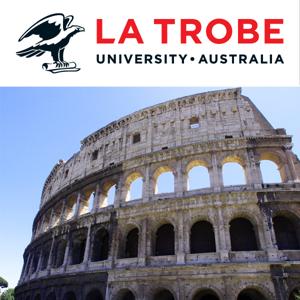
  • Death and Burial in Ancient Rome
    The disposal and commemoration of the dead gives us significant insight into a society. This is particularly true of the Romans, who venerated their ancestors and kept images of them in their homes. Funerary monuments were an indicator of wealth, status and aspiration for both elites and freedmen, but slaves are almost entirely excluded from the record - in death as in life. Copyright 2012 La Trobe University, all rights reserved. Contact for permissions.
    48 min
  • Death and Burial in Ancient Rome
    The disposal and commemoration of the dead gives us significant insight into a society. This is particularly true of the Romans, who venerated their ancestors and kept images of them in their homes. Funerary monuments were an indicator of wealth, status and aspiration for both elites and freedmen, but slaves are almost entirely excluded from the record - in death as in life. Copyright 2012 La Trobe University, all rights reserved. Contact for permissions.
    48 min

About The Roman World

From the publisher's feed

The Roman World introduces students to the society, literature and art of ancient Rome, through a study of its major historical and literary figures, such as Julius Caesar, Augustus, Nero, Virgil and…

More shows like The Roman World

Ancient Greece: Myth, Art, War by Professor Chris Mackie and Dr Gillian Shepherd

Ancient Greece: Myth, Art, War

36 Listeners

Epics of Rome by Dr Rhiannon Evans

Epics of Rome

9 Listeners

History of Children's Literature by David Beagley

History of Children's Literature

37 Listeners

Fiction for Young Adults by David Beagley

Fiction for Young Adults

5 Listeners

Early Imperial Russia by Dr Adrian Jones

Early Imperial Russia

25 Listeners

Ancient Greece: City and Society by Dr Gillian Shepherd

Ancient Greece: City and Society

15 Listeners

Media Studies by La Trobe University

Media Studies

1 Listeners

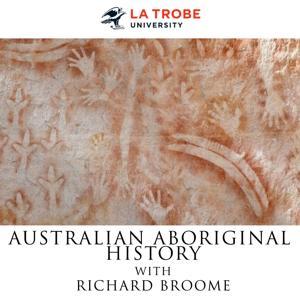
Australian Aboriginal History by Professor Richard Broome

Australian Aboriginal History

7 Listeners

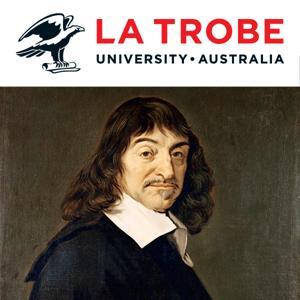
The Philosophy of Descartes by La Trobe University

The Philosophy of Descartes

3 Listeners