
Sign up to save your podcasts
Or

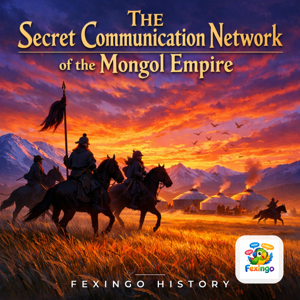


This episode of Fexingo History dives into the unsung workhorses of the Mongol Yam: the animals that powered the greatest communication network of the medieval world. Lucas and Luna explore how Mongol postal stations maintained herds of horses, camels, yaks, and even reindeer for specific terrains — from the Gobi Desert to the Siberian taiga. Using records from the Yuan shi, Marco Polo, and Rashid al-Din, they discuss the logistics of rotating mounts, the breeding programs that produced the hardy Mongolian horse, and the surprising role of camels in high-speed relay. They also examine the ecological strains: how the Yam's insatiable demand for fresh horses reshaped steppe pastoralism and contributed to overgrazing. Finally, they touch on lesser-known relay animals like the Tibetan yak and the Siberian reindeer, showing how the Mongols adapted their postal system to every corner of their empire.
#Yam #MongolEmpire #MongolianHorse #PostalSystem #YuanShi #MarcoPolo #RashidAlDin #GobiDesert #CentralAsia #Steppe #Camel #Yak #Reindeer #GedeiKhan #HorseBreeding #Logistics #History #FexingoHistory #GenghisKhan #YamSystem
Keep every episode free: buymeacoffee.com/fexingo
After the Yam's routes were established, many relay stations grew into permanent settlements. In this episode, Lucas and Luna explore how Mongol postal stations attracted merchants, farmers, and craftsmen, transforming into towns like the one at Khara Khoto in the Gobi Desert and the station near modern Ulaanbaatar. They discuss the Yuan dynasty's policy of granting land and tax exemptions to yamchi families, the role of the paiza in enabling trade, and how some stations became cultural melting pots where Chinese, Persian, and Mongol traditions blended. Archaeological findings from the Orkhon Valley reveal station layouts with wells, granaries, and temples. The episode also touches on the decline of these station-towns after the Yuan dynasty fell, as many were abandoned or reverted to nomadic grazing grounds. This is a fresh angle that builds on earlier episodes about the Yam's operation, focusing on its long-term societal impact.
#Yam #MongolEmpire #PostalSystem #YuanDynasty #KharaKhoto #OrkhonValley #Paiza #Yamchi #SteppeUrbanization #History #FexingoHistory #CentralAsia #Karakorum #KublaiKhan #TradeRoutes #SilkRoad #GobiDesert #MongolTowns #GenghisKhan #YamSystem
Keep every episode free: buymeacoffee.com/fexingo
The Mongol Yam postal network required vast amounts of timber—for station buildings, bridges, corrals, and fuel for riders. This episode explores how the demand for wood reshaped landscapes across Eurasia, from the forests of Siberia to the sparse woodlands of Persia. We discuss the Yuan dynasty's forest management laws, the Ilkhanate's timber shortages under Ghazan, and the environmental impact of maintaining thousands of relay stations. Lucas and Luna examine primary sources like the Yuan shi and Rashid al-Din's Jami' al-tawarikh, along with archaeological evidence from Karakorum and Tabriz, to reveal an often-overlooked cost of the world's first global communication network.
#Yam #MongolEmpire #Deforestation #EnvironmentalHistory #YuanDynasty #Ilkhanate #GedeiKhan #Ghazan #Karakorum #Tabriz #Timber #ForestManagement #YuanShi #RashidalDin #SilkRoad #SteppeEcology #History #FexingoHistory #GenghisKhan #YamSystem
Keep every episode free: buymeacoffee.com/fexingo
In this episode of Fexingo History, Lucas and Luna explore a lesser-known function of the Mongol Yam system: disaster relief. Under Ögedei Khan, the Yam's relay stations were used not just for messages and trade, but also for rapid response to earthquakes and famines. Drawing from Juvayni's Tarikh-i jahan-gusha and the Yuan shi, they uncover how Mongol authorities dispatched riders with paiza to survey damage, deliver grain, and coordinate rebuilding across the empire. The episode focuses on the 1270 earthquake in Khanbalik (modern Beijing) and Kublai Khan's use of Yam riders to mobilize supplies from as far as Karakorum. Lucas explains how the gerege (passports) and yamchi (station masters) became lifelines for devastated communities, and how this system influenced later Ming and Qing disaster management. A surprising story of the Mongols as emergency managers, not just conquerors.
#Yam #MongolEmpire #GedeiKhan #KublaiKhan #Earthquake #DisasterRelief #Khanbalik #Karakorum #YuanShi #Juvayni #Paiza #Gerege #Yamchi #Steppe #CentralAsia #History #FexingoHistory #Podcast #GenghisKhan #YamSystem
Keep every episode free: buymeacoffee.com/fexingo
In this episode, Lucas and Luna explore a little-known aspect of the Mongol Yam: the use of cryptography and coded messages to secure communications across the empire. They delve into the Mongol adoption of Uyghur script for official documents, the development of fire signals and relay codes, and the possible use of simple substitution ciphers described by Rashid al-Din. The discussion covers the role of the yamchi in encoding and decoding messages, the Yassa's provisions for secrecy, and how Mongol espionage relied on hidden letters sewn into clothing. The episode also touches on the legendary 'secret messages' of Genghis Khan and the later influence on Yuan dynasty intelligence systems.
#MongolEmpire #Yam #Cryptography #Cipher #SteppeHistory #GenghisKhan #OgedeiKhan #RashidAlDin #Yassa #UyghurScript #MongolEspionage #YuanDynasty #SecretHistoryOfTheMongols #Paiza #Gerege #Yamchi #History #FexingoHistory #YamSystem #SilkRoad
Keep every episode free: buymeacoffee.com/fexingo
This episode zooms in on the moment the Mongol Yam system truly became a global marvel: the reign of Ögedei Khan, Genghis's son and successor. While prior episodes have touched on the Yam's later evolutions or regional branches, we go back to the 1230s to see how Ögedei transformed Genghis's ad-hoc messengers into a standardized, empire-wide relay network. Lucas walks Luna through Ögedei's 1234 decree that established regular stations every 25–30 miles, the creation of yamchi families as hereditary postal workers exempt from other taxes, and the introduction of the paiza as a universal credential. They discuss the scale: over 1,400 stations stretching from the Caspian to the Pacific, each with hundreds of horses and carts. Lucas also covers the controversies—how the system was abused by nobles and merchants, leading to Ögedei's reforms. A highlight is the story of Ögedei personally punishing a corrupt station master who starved horses. The episode ends with a reflection on how the Yam embodied the Mongol genius for administration, not just conquest.
#GedeiKhan #MongolEmpire #YamSystem #MongolPostalRelay #Paiza #Yamchi #1234Decree #MongolAdministration #Karakorum #GenghisKhan #MongolHorses #SteppeLogistics #MongolHistory #MedievalCommunications #CentralAsia #MongolGoldenAge #History #FexingoHistory #SilkRoad #MongolPostalSystem
Keep every episode free: buymeacoffee.com/fexingo
Deep in the Orkhon Valley of central Mongolia, archaeologists have uncovered the ruins of a 13th-century Mongol postal station — a Yam relay post complete with horse stables, supply depots, and a fortified watchtower. This episode takes you to the dig site, where we piece together how a single station operated: the daily rhythm of riders arriving at dawn, the exchange of exhausted horses for fresh ones, the storage of grain and dried meat for winter, and the critical role of the yamchi — the station master who kept everything running. We look at the station's location along the main artery connecting Karakorum to Khanbalik, and what the excavated artifacts — iron horseshoes, ceramic jars, a single paiza fragment — reveal about the empire's logistics. Luna asks about the human side: how many yamchis lived there, what did they eat, how did they survive brutal winters? Lucas draws on the Yuan shi and recent Mongolian-Chinese joint excavation reports to paint a vivid picture of life at a forgotten node in the world's first long-distance postal network.
#Yam #MongolEmpire #PostalSystem #Archaeology #OrkhonValley #Karakorum #Khanbalik #Yamchi #Paiza #Gerege #YuanShi #Mongolia #GedeiKhan #HorseRelay #SteppeLogistics #History #FexingoHistory #HiddenHistory #GenghisKhan #YamSystem
Keep every episode free: buymeacoffee.com/fexingo
In this episode, Lucas and Luna explore the shadowy figures who protected the Mongol postal relay system: the wolf riders. These elite, stealthy patrols hunted bandits and enforced the Yassa law on the vast steppe. Drawing on the Secret History of the Mongols and Rashid al-Din's Jami' al-tawarikh, they uncover how Genghis Khan's personal guard evolved into a relentless force that kept the Yam safe. They delve into the wolf riders' tactics, their fearsome reputation, and how their decline after the empire's fragmentation opened the roads to chaos. Specific details include the role of the kheshig, the use of stealth and speed, and the legend of Subutai's wolf-pack maneuvers. A fresh angle for listeners who think they know the Yam.
#MongolEmpire #Yam #WolfRiders #GenghisKhan #Kheshig #SecretHistoryOfTheMongols #RashidAlDin #JamiAlTawarikh #SteppeWarriors #Yassa #Subutai #MongolCavalry #Bandits #Stealth #PostalSystem #History #FexingoHistory #CentralAsia #YamSystem #SilkRoad
Keep every episode free: buymeacoffee.com/fexingo
When we think of the Mongol Yam, we picture horsemen thundering across open steppe. But what about the vast Siberian forests where horses faltered? Episode 33 of Fexingo History's Secret Communication Network series plunges into the Yam's forgotten forest relay system—a network of dog sleds, reindeer, skis, and riverboats that carried Ögedei Khan's dispatches through the taiga. These routes, known from the Yuan shi and later Russian yamshchik records, linked the Mongol capital Karakorum to the fur-rich lands of the 'Forest Peoples'—the Oirats, Buryats, and Evenks. We explore the ingenious adaptations: the use of reindeer in permafrost, the grooming of sled dogs, the construction of winter lodges where yamchi could thaw frozen paiza. We also uncover the Yam's role in the Mongol invasion of Korea, where horses gave way to oxen and porters in the mountainous interior. Finally, we trace the survival of these forest postal traditions into the Russian Empire's Siberian routes. A tale of logistics, endurance, and the quiet triumph of animal and human labor over impossible terrain.
#Yam #MongolEmpire #ForestZone #GedeiKhan #Siberia #Yamchi #Paiza #Gerege #Reindeer #DogSled #Taiga #Karakorum #YuanShi #Yamshchik #Buryats #Evenks #History #FexingoHistory #GenghisKhan #YamSystem
Keep every episode free: buymeacoffee.com/fexingo
The Mongol Yam was the backbone of the largest contiguous land empire in history, but its operation was far from simple. In this episode, Lucas and Luna explore a shadowy chapter: the power struggle between Mongol postal administrators and Persian viziers who tried to control the flow of information—and loyalty—across the Ilkhanate. At the heart of the story is the brilliant but controversial vizier Rashid al-Din, whose Jami' al-tawarikh chronicles the empire while hiding his own postal intrigues. We follow the rise of the Yam in Iran after the fall of Baghdad in 1258, the creation of a parallel courier network by the Persian bureaucrat Juvayni, and the explosive conflict that erupted when Mongol postal commanders accused the viziers of intercepting messages and forging paiza. The episode draws on Juvayni's Tarikh-i jahan-gusha, the Zafarnama, and Ilkhanate tax records to reveal a forgotten intelligence war—one fought not with arrows, but with sealed letters, false stamps, and secret riders. Did the Persian secret network, the Barid, outlast the Mongol Yam? And what happened when the khan's own intelligence was twisted by his ministers? Find out in this deep dive into the postal politics of the Ilkhanate.
#Ilkhanate #RashidAlDin #Yam #MongolPostalSystem #Juvayni #Barid #PersianViziers #TarikhIJahanGusha #JamiAlTawarikh #MongolEspionage #Paiza #IlkhanateIntrigue #CentralAsia #MongolEmpire #PostalHistory #SecretCommunication #FexingoHistory #History #GenghisKhan #YamSystem
Keep every episode free: buymeacoffee.com/fexingo
From the publisher's feed