
Sign up to save your podcasts
Or

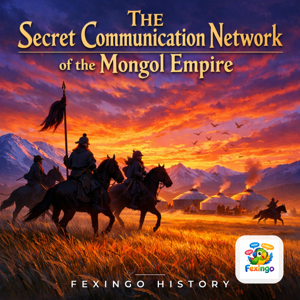


In this episode of The Secret Communication Network of the Mongol Empire, Lucas and Luna explore the Yam's night operations — how Mongol riders delivered messages and goods under cover of darkness, long before electric lighting or paved roads. They discuss the training of night riders, the use of fire-signal relays, the specialized horses bred for nocturnal travel, and the logistical innovations that allowed the Yam to operate 24/7. Lucas explains how Mongolian horses' night vision and stamina made them ideal for after-dark gallops, and how yamchi used torches, signal fires, and even the stars to navigate the steppe. They also touch on the challenges of night travel — predators, bandits, and the extreme cold of Central Asian nights — and how the system was regulated under the Yassa. This episode brings to life a little-known facet of the Mongol postal system that kept the empire connected round the clock.
#MongolEmpire #Yam #NightRiders #PostalRelays #MongolianHorses #SteppeLogistics #GedeiKhan #Yassa #GobiDesert #FireSignals #MedievalCommunications #CentralAsia #MongolHistory #NightTravel #Yamchi #Paiza #Gerege #History #GenghisKhan #YamSystem
Keep every episode free: buymeacoffee.com/fexingo
Episode 20 of the Secret Communication Network series turns from riders to their mounts. Lucas and Luna explore the surprising diversity of animals the Mongol Yam relied on: the swift Mongolian horse, the Bactrian camel that conquered deserts, and the shaggy yak that crossed the Roof of the World. They discuss how Ögedei Khan's standardization of relay stations included specialized fodder and veterinary care, how Marco Polo described different beasts on different routes, and how the Mongols even used sheep and goats for emergency food. The episode also covers the environmental toll: overgrazing around Yam stations, deforestation for fuel, and how the Yassa code regulated animal welfare. Specific terms include: Mongolian horse, Bactrian camel, yak, Marco Polo, Ögedei Khan, Yassa, Karakorum, Khanbalik, qamish, serow, Marco Polo sheep, William of Rubruck, Juvayni, Ibn Battuta, tümen, and the Gobi Desert.
#MongolEmpire #Yam #MongolianHorse #BactrianCamel #Yak #MarcoPolo #GedeiKhan #Yassa #Karakorum #Khanbalik #GobiDesert #AnimalHistory #PostalSystem #EnvironmentalHistory #FexingoHistory #History #CentralAsia #Steppe #GenghisKhan #YamSystem
Keep every episode free: buymeacoffee.com/fexingo
The Mongol Empire's legendary Yam relay system was not just the domain of male khans and yamchi riders. In this episode, Lucas and Luna explore the forgotten role of women in managing and reforming the postal network—focusing on Töregene Khatun, the regent who ruled the empire after Ögedei's death, and her daughter-in-law Oghul Qaimish. They delve into how these powerful women oversaw the Yam's operations from Karakorum, issued gerege credentials, and navigated the Yassa law's contradictory provisions on female authority. Drawing on the Secret History of the Mongols, Rashid al-Din's Jami' al-tawarikh, and Juvayni's Tarikh-i jahan-gusha, the conversation reveals a hidden history of Mongol queens who controlled the communication arteries of the largest land empire ever known. From Töregene's shrewd political maneuvering to Oghul Qaimish's brief but impactful regency, this episode sheds light on the women who kept the Yam running—and the male chroniclers who tried to erase them.
#TRegeneKhatun #OghulQaimish #Yam #MongolEmpire #Karakorum #MongolWomen #Gerege #Yassa #SecretHistoryOfTheMongols #RashidAlDin #Juvayni #Regency #PostalSystem #13thCentury #SteppeEmpire #WomenInHistory #History #FexingoHistory #GenghisKhan #YamSystem
Keep every episode free: buymeacoffee.com/fexingo
In this episode, Lucas and Luna explore the little-known role of barquts — Mongol weather shamans who served the Yam relay network. These specialists read the skies, predicted storms, and performed rituals to ensure safe passage for riders and envoys across the vast steppe. Drawing on the Secret History of the Mongols, the travelogue of William of Rubruck, and the chronicles of Rashid al-Din, they examine how Genghis Khan and Ögedei Khan integrated ancient sky-reading traditions into the empire's communication system. The barquts used cloud formations, animal behavior, and star positions to forecast weather, and their knowledge was as vital as the paiza credentials. The episode also touches on the controversy around whether these practices were genuine meteorology or superstition — and how the Yam's reliance on them shaped Mongol military strategy. Specific cases include the 1221 campaign against Jalal al-Din and the 1258 siege of Baghdad, where weather predictions influenced troop movements. Lucas and Luna discuss the decline of barqut knowledge after the Yuan dynasty fell and its echoes in later Turkic and Persian traditions.
#MongolEmpire #Yam #Barqut #WeatherShamanism #GenghisKhan #OgedeiKhan #SecretHistoryOfTheMongols #WilliamOfRubruck #RashidAlDin #SteppeWeather #MongolCommunication #Paiza #JalalAlDin #SiegeOfBaghdad #YuanDynasty #MongolSuperstition #History #FexingoHistory #YamSystem #SilkRoad
Keep every episode free: buymeacoffee.com/fexingo
We know Marco Polo traveled the Yam. But what about Ibn Battuta? In this episode, Lucas and Luna follow the Moroccan traveler as he rides the Mongol relay system from the Black Sea to the Indus. They explore how the 14th-century Yam operated under the fragmented Ilkhanate and Chagatai Khanate, the role of the yamchi (station masters), the significance of paiza and gerege credentials, and how Ibn Battuta's account compares with earlier European travelers. Along the way, they discuss the Yam's post-imperial resilience, the hazards of steppe travel, and the surprising diplomacy of Mongol postal networks.
#IbnBattuta #MongolYam #YamSystem #Ilkhanate #ChagataiKhanate #14thCentury #Paiza #Gerege #Yamchi #SteppeTravel #MedievalTravelers #MoroccanTraveler #MongolPostal #Rihla #Sarai #HistoryOfCommunication #FexingoHistory #MedievalHistory #MongolEmpire #GenghisKhan
Keep every episode free: buymeacoffee.com/fexingo
When the Mongol Empire fragmented, its legendary Yam postal-relay network didn't vanish overnight. In this episode, Lucas and Luna trace the Yam's afterlife across Central and South Asia: how Timur (Tamerlane) revived the system for his own campaigns, how the Mughal emperor Akbar turned it into the dak chowki with 4,000 horse- and foot-runners, and how the Safavids in Persia adapted the Mongol gerege into their own royal courier credentials. They examine original Persian and Turkic sources—Sharaf al-Din Ali Yazdi's Zafarnama, the Mughal chronicle Ain-i-Akbari by Abu'l-Fazl, and Ottoman travelogues—to show that the Yam was never truly a single 'postal system' but a flexible template for imperial communication. The episode closes with the British Raj's takeover of the dak chowki in the 19th century, arguing that echoes of the Yam survive in modern postal services from Russia to India.
#Yam #MongolEmpire #TimuridEmpire #MughalEmpire #SafavidEmpire #Timur #Akbar #Dakchowki #Postalhistory #Gerege #Zafarnama #AiniAkbari #Abulfazl #CentralAsia #SteppeHistory #EmpireCommunication #History #FexingoHistory #GenghisKhan #YamSystem
Keep every episode free: buymeacoffee.com/fexingo
In this episode, Lucas and Luna explore the Mongol Empire's use of the Yam relay network for gathering and transmitting intelligence reports. They discuss the role of the yamchi riders and the gerege credentials in securing communication, and highlight the specific case of the Ilkhanate's intelligence-gathering against the Mamluks. The narrative draws on the writings of Rashid al-Din and describes how Mongol spies used the system to relay information on troop movements, political plots, and economic conditions across Eurasia. The episode also examines a controversy over whether the Yam was primarily a postal system or an espionage network, citing the Altan Debter and the Secret History of the Mongols. Listeners will learn about the Yassa law codes that regulated the confidentiality of messages and the punishment for tampering. This episode does not rehash earlier topics like forced labor or paiza forgery, but instead focuses on the intelligence dimension of the Yam.
#MongolEmpire #YamSystem #IntelligenceNetwork #RashidAlDin #Ilkhanate #Mamluk #Yamchi #Gerege #Yassa #AltanDebter #SecretHistoryOfTheMongols #Espionage #PostalHistory #Karakorum #Khanbalik #Eurasia #History #FexingoHistory #GenghisKhan #SilkRoad
Keep every episode free: buymeacoffee.com/fexingo
In this episode of The Secret Communication Network of the Mongol Empire, Lucas and Luna explore the shadow side of the Yam system: the rampant forgery of paiza (the golden tablets of authority) and the corruption that plagued the Mongol relay network. They dive into the story of a 14th-century scandal in Khanbalik (modern Beijing) where merchants and nobles produced fake paiza to extort supplies and evade taxes, drawing from the chronicles of Rashid al-Din and the Yuan legal codes. The episode also covers how Ögedei Khan's successor Möngke Khan tried to crack down on abuses by introducing new security features, including tamper-proof seals and regular audits. But the black market persisted, especially in the far-flung regions like the Tarim Basin and Persia, where local governors issued their own unauthorized credentials. Lucas explains how the counterfeit paiza even made their way as far as the Ilkhanate, sparking a diplomatic incident between the Mongol courts. The conversation ends with a reflection on how the Yam's weaknesses—its reliance on trust and its vast scale—ultimately contributed to its decline, and how the problem of credential fraud echoes in modern identity systems.
#PaizaForgery #MongolEmpire #YamSystem #GedeiKhan #MNgkeKhan #Khanbalik #RashidAlDin #Ilkhanate #TarimBasin #MongolCorruption #YuanDynasty #Gerege #BlackMarket #PostalHistory #MongolHistory #History #FexingoHistory #CentralAsia #GenghisKhan #SilkRoad
Keep every episode free: buymeacoffee.com/fexingo
The Mongol Yam is often described as a system of horse riders and relay stations. But who actually ran it? In this episode, Lucas and Luna explore the crucial role of the Uyghur scribes — the literate bureaucrats who designed the Yam's paperwork, kept the registers, and translated imperial decrees into multiple languages. Drawing on the accounts of Rashid al-Din and the Chagatai chronicle Tarikh-i Rashidi, they uncover how Uyghur administrators like Chin Temür and Körgüz shaped the Mongol Empire's communication network from the ground up. The episode also touches on the Uyghur script's adoption for Mongolian, the tensions between nomadic warriors and settled clerks, and how the Yam's efficiency depended on a class of multilingual professionals — not just riders. A fresh angle on an over-covered topic.
#UyghurScribes #MongolYam #ChinTemR #KRgZ #TarikhIRashidi #RashidAlDin #UyghurScript #MongolAdministration #YamBureaucracy #CentralAsia #MongolEmpire #ChagataiKhanate #YuanDynasty #GedeiKhan #Karakorum #Scribe #History #FexingoHistory #GenghisKhan #YamSystem
Keep every episode free: buymeacoffee.com/fexingo
In this episode of The Secret Communication Network of the Mongol Empire, Lucas and Luna explore how Ögedei Khan transformed Genghis Khan's battlefield courier system into a vast, standardized postal network linking the entire Mongol Empire. Drawing on the accounts of Persian historian Ata-Malik Juvayni and the travelogues of Marco Polo, they examine the logistical decisions—from station spacing to horse quotas—that made the Yam the world's first true international postal system. They discuss the role of the 'gerege' (passports), the 'yamchi' (station masters), and the local communities forced to supply men and animals under the 'qubiyuri' levy system. The episode also addresses the human cost: the revolts in the Tarim Basin and the Yuan dynasty's attempts to reform the Yam under Kublai Khan. Finally, they consider the legacy of the Yam in later postal systems, including the Russian 'yamshchik' and the Pony Express.
#GedeiKhan #MongolYam #PostalSystem #Gerege #Yamchi #Qubiyuri #Juvayni #MarcoPolo #Karakorum #Khanbalik #TarimBasin #YuanDynasty #KublaiKhan #MongolEmpire #SilkRoad #History #FexingoHistory #CommunicationNetwork #GenghisKhan #YamSystem
Keep every episode free: buymeacoffee.com/fexingo
From the publisher's feed