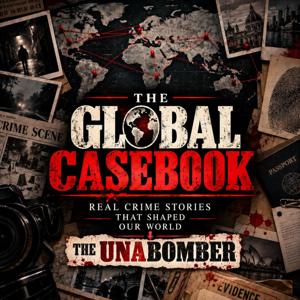
For nearly twenty years, an unknown man carried out a campaign of bombings across the United States. His targets included university professors, researchers, business executives and people…
connected to the airline and technology industries. Three people were killed. Many others were injured. The FBI gave the investigation a name: UNABOM. But for years, investigators had almost no idea who was behind it. The bomber appeared to understand how investigations worked. He avoided leaving obvious clues. He changed his methods. He disappeared for long periods. And he seemed determined to remain anonymous. Then, in 1995, everything changed. The Unabomber sent a lengthy manifesto to major newspapers and demanded that it be published. Investigators made a controversial decision. They would allow the manifesto to become public. But they had another reason for doing so. They hoped someone would recognize the writing. Someone did. A man named David Kaczynski read the manifesto and began to suspect that its author might be his own brother. What followed was a remarkable investigation involving family members, lawyers, FBI linguists and investigators. Eventually, the trail led to a remote cabin in Montana. Inside, investigators would find evidence that transformed the case. This is the story of the Unabomber investigation.
DISCLAIMER This episode concerns real acts of violence, terrorism and murder. It is presented for documentary and educational purposes and is based on publicly available law-enforcement material, court documents and historical records. The script is independently written and does not reproduce the wording or structure of another documentary, book, article or podcast. The episode avoids technical instructions concerning the construction or deployment of explosive devices. Individuals are described according to documented evidence and legal proceedings. Where historical interpretations or disputed claims exist, they are identified accordingly. The purpose of this episode is to examine the investigation, the evidence and the people affected by the crimes, not to glorify the perpetrator or his ideology. Listener discretion is advised.