
Sign up to save your podcasts
Or

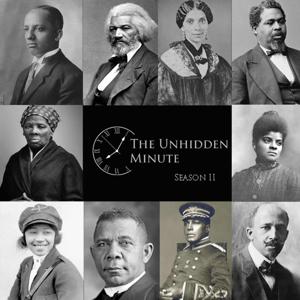


The Student Nonviolent Coordinating Committee (SNCC) was a prominent organization in the American Civil Rights Movement, formed in April 1960. Composed mainly of young students, SNCC played a crucial role in organizing and leading grassroots campaigns against racial segregation and discrimination.
Embracing nonviolent resistance and direct-action tactics, SNCC members conducted sit-ins, voter registration drives, and Freedom Rides to challenge segregation and demand civil rights for Black Americans. They often worked in close collaboration with other civil rights organizations, including the Southern Christian Leadership Conference (SCLC) and the Congress of Racial Equality (CORE).
SNCC's commitment to empowering local communities and fostering leadership among young people contributed to its effectiveness in mobilizing support for civil rights causes. Despite facing violence and intimidation, SNCC remained dedicated to its principles of nonviolent protest and grassroots organizing, leaving a lasting legacy in the fight for racial justice and equality in the United States.
The Joy Trip Project celebrates the enduring legacy of Black American History. The Unhidden Minute is part of the Unhidden Podcast Project supported through a National Geographic Explorer Grant from the National Geographic Society, with the cooperation of the National Park Service. This series elevates the untold stories of Black American historical figures, events and cultural contributions.
#unhiddenblackhistory #NationalParkService #yourparkstory #NationalGeographic #unhiddenminute
In the 1960s, the Woolworth’s lunch counter sit-ins were pivotal protests in the Civil Rights Movement against racial segregation in public spaces. Beginning on February 1, 1960, in Greensboro, North Carolina, four African American college students—Ezell Blair Jr., David Richmond, Franklin McCain, and Joseph McNeil—sat at the "whites only" lunch counter at Woolworth's and refused to leave until they were served.
Their peaceful protest sparked a wave of sit-ins across the South, with students and activists challenging segregation laws in restaurants, department stores, and other establishments. The sit-ins garnered widespread media attention and public support, leading to increased pressure on businesses and government officials to desegregate public accommodations.
The Woolworth’s lunch counter sit-ins symbolized the power of nonviolent direct action in the struggle for civil rights and inspired future generations of activists to challenge injustice and inequality through peaceful protest. They played a significant role in dismantling segregation and advancing the cause of racial equality in America.
The Joy Trip Project celebrates the enduring legacy of Black American History. The Unhidden Minute is part of the Unhidden Podcast Project supported through a National Geographic Explorer Grant from the National Geographic Society, with the cooperation of the National Park Service. This series elevates the untold stories of Black American historical figures, events and cultural contributions.
#unhiddenblackhistory #NationalParkService #yourparkstory #NationalGeographic #unhiddenminute
Joan Trumpauer Mulholland is an American civil rights activist known for her courageous service during the Civil Rights Movement. Born in 1941, Mulholland became involved in the movement as a student at Tougaloo College in Mississippi, where she participated in sit-ins and protests against segregation.
Mulholland gained national attention for her bravery, including participating in the Freedom Rides, where she endured arrest and violence for challenging segregation laws in interstate travel. She also played a pivotal role in the 1963 Woolworth's sit-in in Jackson, Mississippi.
Despite facing threats and harassment, Mulholland remained committed to nonviolent resistance and racial justice. Her activism continued beyond the Civil Rights Movement, advocating for social justice causes throughout her life.
Mulholland's unwavering dedication to equality and justice serves as an inspiration to aspiring activists, embodying the spirit of courage and determination in the fight against oppression.
The Joy Trip Project celebrates the enduring legacy of Black American History. The Unhidden Minute is part of the Unhidden Podcast Project supported through a National Geographic Explorer Grant from the National Geographic Society, with the cooperation of the National Park Service. This series elevates the untold stories of Black American historical figures, events and cultural contributions.
#unhiddenblackhistory #NationalParkService #yourparkstory #NationalGeographic #unhiddenminute
At the height of the Civil Rights Movement, a series of bus journeys were undertaken by activists to challenge segregation in interstate transportation in the Southern United States. Known as the Freedom Rides, these bus trips were conducted by the Congress of Racial Equality (CORE) and the Student Nonviolent Coordinating Committee (SNCC), Interracial groups of riders boarded buses bound for Southern cities to test compliance with Supreme Court rulings banning segregation in interstate travel.
The riders encountered violent opposition from white supremacists, who attacked buses and assaulted participants. Despite the danger, the Freedom Riders persisted, drawing national attention to the brutality of segregation and prompting federal intervention to enforce desegregation laws.
Their courageous actions helped to galvanize support for the Civil Rights Movement and led to the Interstate Commerce Commission issuing regulations prohibiting segregation in interstate transportation. The Freedom Rides symbolized the commitment of ordinary citizens to challenge injustice and advance the cause of civil rights in America.
The Joy Trip Project celebrates the enduring legacy of Black American History. The Unhidden Minute is part of the Unhidden Podcast Project supported through a National Geographic Explorer Grant from the National Geographic Society, with the cooperation of the National Park Service. This series elevates the untold stories of Black American historical figures, events and cultural contributions.
#unhiddenblackhistory #NationalParkService #yourparkstory #NationalGeographic #unhiddenminute
John Lewis (1940–2020) was a leading figure in the American Civil Rights Movement and a respected politician. Born to sharecroppers in Alabama, Lewis became a prominent activist in the struggle for racial equality and social justice. As a young man, he played a pivotal role in organizing nonviolent protests and participating in historic events such as the Freedom Rides and the March on Washington.
Lewis was a key figure in the Selma to Montgomery marches, including the events of Bloody Sunday, where he endured brutal violence by Alabama State Troopers on the Edmund Pettus Bridge. Despite facing physical attacks and numerous arrests, Lewis remained steadfast in his commitment to nonviolent resistance and civil rights.
From activism, Lewis transitioned to politics, serving as a member of the United States House of Representatives for Georgia's 5th congressional district from 1987 until his passing in 2020. Throughout his life, Lewis remained a tireless advocate for justice and equality, earning widespread admiration and respect for his unwavering dedication to the principles of democracy and human rights.
The Joy Trip Project celebrates the enduring legacy of Black American History. The Unhidden Minute is part of the Unhidden Podcast Project supported through a National Geographic Explorer Grant from the National Geographic Society, with the cooperation of the National Park Service. This series elevates the untold stories of Black American historical figures, events and cultural contributions.
#unhiddenblackhistory #NationalParkService #yourparkstory #NationalGeographic #unhiddenminute
(Photo by Jeff Hutchens/Getty Images)
On March 7, 1965, during a peaceful voting rights march from Selma to Montgomery a violent event unfolded that became known as Bloody Sunday. Led by civil rights leaders, including John Lewis and Hosea Williams, demonstrators aimed to demand the right to vote for Black Americans, who faced discriminatory barriers to voter registration.
The March was prompted by the death of Jamie Lee Jackson in Marion Alabam on February 18th 1965. Jackson a black activist was shot and killed by an Alabama State trooper. Community organizers aimed to take their grievances directly to the capital. As marchers crossed the Edmund Pettus Bridge, they were met with brutal violence from state troopers wielding batons and tear gas. The unprovoked attack on peaceful protesters, shocked the nation and galvanized support for the Voting Rights Act of 1965.
Bloody Sunday highlighted the urgency of securing voting rights for Black Americans and exposed the systemic racism and brutality of segregationist forces in the South.
The Joy Trip Project celebrates the enduring legacy of Black American History. The Unhidden Minute is part of the Unhidden Podcast Project supported through a National Geographic Explorer Grant from the National Geographic Society, with the cooperation of the National Park Service. This series elevates the untold stories of Black American historical figures, events and cultural contributions.
#unhiddenblackhistory #NationalParkService #yourparkstory #NationalGeographic #unhiddenminute
Become a paid subscriber to the Unhidden Minute Podcast for one year and receive a copy The Adventure Gap: Changing the Face of the Outdoors 10th Anniversary Edition by James Edward Mills.
On July 9, 1964, Dr. Charles Madison Crenchaw became the first Black person to climb to summit of Mount McKinley, the highest peak in North America, now formally called Denali.
Born in Little Rock, Arkansas, Crenchaw was a member of the Tuskegee Airmen during World War II. As a flight engineer, he maintained the aircraft that flew bomber escort missions over Germany. In civilian life he received a PhD from the University of Chicago and worked for the Boeing Corporation on the Apollo project to put a man on the moon.
As an avid outdoorsman and alpinist in the State of Washington and a member of the Seattle Mountaineers, Crenchaw was invited to take part in the 37th expedition to climb McKinley. Just 7 days after the signing of the Civil Right Act of 1964 Crenchaw personified the metaphoric dream defined less than a year earlier by Dr. Martin Luther King Jr. at the March on Washington. A Black man at the height of the Jim Crow era let his freedom ring from the mountainside.
The Joy Trip Project celebrates the enduring legacy of Black American History. The Unhidden Minute is part of the Unhidden Podcast Project supported through a National Geographic Explorer Grant from the National Geographic Society, with the cooperation of the National Park Service. This series elevates the untold stories of Black American historical figures, events and cultural contributions.
#unhiddenblackhistory #NationalParkService #yourparkstory #NationalGeographic #unhiddenminute
The Civil Rights Act of 1964 was a landmark piece of legislation in the United States that aimed to address racial discrimination and segregation. Signed into law by President Lyndon B. Johnson on July 2, 1964, the act prohibited discrimination based on race, color, religion, sex, or national origin in public accommodations, employment, and federally funded programs.
The act effectively dismantled Jim Crow segregation laws that had enforced racial segregation and discrimination in public facilities, such as schools, restaurants, and hotels. It also empowered the federal government to enforce desegregation and take legal action against discriminatory practices.
The Civil Rights Act of 1964 was a significant victory for the Civil Rights Movement and marked a turning point in the fight for racial equality in America. Its passage paved the way for subsequent civil rights legislation, including the Voting Rights Act of 1965.
The Joy Trip Project celebrates the enduring legacy of Black American History. The Unhidden Minute is part of the Unhidden Podcast Project supported through a National Geographic Explorer Grant from the National Geographic Society, with the cooperation of the National Park Service. This series elevates the untold stories of Black American historical figures, events and cultural contributions.
#unhiddenblackhistory #NationalParkService #yourparkstory #NationalGeographic #unhiddenminute
Located on Amelia Island in northeastern Florida, American Beach holds significant historical and cultural importance as one of the few oceanfront resort communities in the United States that Black Americans could visit during the era of segregation. Established in 1935 by Florida's first Black millionaire, Abraham Lincoln Lewis, American Beach served as a haven for Black families seeking refuge from racial discrimination.
During its heyday in the mid-20th century, American Beach thrived as a vibrant community, boasting hotels, restaurants, and recreational facilities. It attracted notable figures from the Black community, including entertainers, athletes, and civil rights leaders.
Despite facing challenges such as desegregation and natural disasters, American Beach has retained its cultural heritage and continues to be a cherished destination for Black families and visitors interested in its rich history. Today, efforts are underway to preserve and revitalize this historic beach community.
The Joy Trip Project celebrates the enduring legacy of Black American History. The Unhidden Minute is part of the Unhidden Podcast Project supported through a National Geographic Explorer Grant from the National Geographic Society, with the cooperation of the National Park Service. This series elevates the untold stories of Black American historical figures, events and cultural contributions.
#unhiddenblackhistory #NationalParkService #yourparkstory #NationalGeographic #unhiddenminute
On June 18, 1964, a group of Black civil rights activists were attacked while swimming in the pool at the Monson Motor Lodge in St. Augustine Florida. While peacefully protesting racial segregation, the group was assaulted by the hotel’s owner James Brock who attempted to drive them out by pouring acid into the water. Though there were no fatalities, several people sustained injuries, highlighting the extreme violence and hatred faced by those fighting for racial equality in the South. A series of photographs from the incident made headlines in newspapers across the country. The shocking images drew the attention of President Lyndon Johnson as well as Dr. Martin Luther King Jr. who came to St. Augustine to directly confront Brock in a show of solidarity. Similar protests occurred in the days that followed at pools and beaches nation-wide. These so-called swim-ins rallied support the passage of the Civil Rights Act, which was signed into law less than a month later, on July 2, 1964.
Learn more through the National Park Service
https://www.nps.gov/casa/index.htm
The Joy Trip Project celebrates the enduring legacy of Black American History. The Unhidden Minute is part of the Unhidden Podcast Project supported through a National Geographic Explorer Grant from the National Geographic Society, with the cooperation of the National Park Service. This series elevates the untold stories of Black American historical figures, events and cultural contributions.
#unhiddenblackhistory #NationalParkService #yourparkstory #NationalGeographic #unhiddenminute
From the publisher's feed