
Sign up to save your podcasts
Or

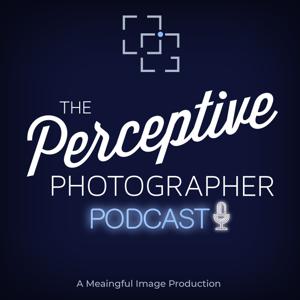

In episode 574 of The Perceptive Photographer, I dig into the idea of the emotional “entry points” that invite viewers into a photograph.
This isn’t about leading lines or the rule of thirds. It’s about whether someone who knows nothing about you or your story can still feel something when they look at your work.
It’s easy to make work that’s so personal it becomes a closed loop. It is meaningful to you, opaque to everyone else. Don’t make photos like walnuts that need a hammer. Make pistachios — already cracked open a bit so it is easier to get to the nut inside.
Some things to consider.
Balance personal meaning with room for others. Your perspective is what makes the work yours, but ask whether a stranger could find themselves in it too. S
Create presence, not just documentation. Adams’ landscapes work because you feel like you’re in Yosemite, not just looking at it. Sensory details like light, atmosphere, texture matter a lot. They do more than description ever can.
Sequence when a single image isn’t enough. A series can provide context without spelling everything out. It gives viewers more ways in.
Foster dialogue, not monologue. The best images don’t announce themselves. They ask what you see. Ambiguity isn’t weakness; it’s an invitation.
The question I keep coming back in thinking about this: are your photographs building walls or opening doors?
 View all episodes
 By Daniel j Gregory

4.9
5555 ratings
In episode 574 of The Perceptive Photographer, I dig into the idea of the emotional “entry points” that invite viewers into a photograph.
This isn’t about leading lines or the rule of thirds. It’s about whether someone who knows nothing about you or your story can still feel something when they look at your work.
It’s easy to make work that’s so personal it becomes a closed loop. It is meaningful to you, opaque to everyone else. Don’t make photos like walnuts that need a hammer. Make pistachios — already cracked open a bit so it is easier to get to the nut inside.
Some things to consider.
Balance personal meaning with room for others. Your perspective is what makes the work yours, but ask whether a stranger could find themselves in it too. S
Create presence, not just documentation. Adams’ landscapes work because you feel like you’re in Yosemite, not just looking at it. Sensory details like light, atmosphere, texture matter a lot. They do more than description ever can.
Sequence when a single image isn’t enough. A series can provide context without spelling everything out. It gives viewers more ways in.
Foster dialogue, not monologue. The best images don’t announce themselves. They ask what you see. Ambiguity isn’t weakness; it’s an invitation.
The question I keep coming back in thinking about this: are your photographs building walls or opening doors?

32,246 Listeners

43,687 Listeners

446 Listeners

264 Listeners

2,019 Listeners
9,724 Listeners
55 Listeners
295 Listeners
100 Listeners

16,525 Listeners

11,013 Listeners

2,282 Listeners
140 Listeners
10,883 Listeners

95 Listeners