
Sign up to save your podcasts
Or

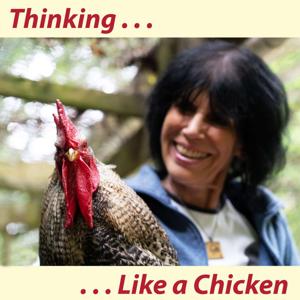


It’s easy for an animal activist to become consumed with rage and despair to the point of exhaustion and burnout confronted with the horror, each and every day, of our species’ relentless assault on other animals. It’s important to not let this happen. Here’s how and why we must steel ourselves against burning out if we truly care about animals and want to help them.
In today’s episode I discuss my concept of what I call the Ethical Deviant as Animal Rights Activist in the socialization process. Why is the Ethical Deviant essential to keeping societies and cultures from becoming stagnant ponds and iron prisons of airless conformity? Please join me for this look at the liberatory animal activist in society – the Ethical Deviant.
Should Robots Be Granted “Personhood” Even if Most or All Nonhuman Animals Are Not?
Today I discuss the ideas of altering animals’ minds to compete with robotic “intelligence” – manipulating some animals to be fit to be “persons” and others to be fit for industrialized farm life. Please join me for this brief look at a future already here and in the making.
In the 20th century, chickens who had formerly been bred to be “all-purpose” birds for flesh and eggs on the farm were genetically divided into two distinct “divisions of labor” – one designed for egg production, the other for meat production. In today’s episode, I discuss how today’s commercialized chickens embody the condition of forced labor whereby their bodies have been constructed pathologically to meet the demands of the labor force. Please tune in to learn more.
In today’s episode, I tell the story of two hens who came to live in our sanctuary, one as a chick, the other as an adult, and the changes they underwent at our place. Please join me as I relive my experience with these two very endearing birds.
Farmed animal sanctuaries, including microsanctuaries, are an important part of the animal advocacy movement. How does a farmed animal sanctuary differ from a farm or 4-H? What are these sanctuaries designed to teach? Some advocates still question their contribution to animal liberation. Tune in to hear my opinion and see if you agree.
At first glance, pessimism and negativity may seem like synonymous attitudes toward the world and its prospects for improvement. Both can seem particularly applicable to animal rights activism and the prospect for animal liberation. In today’s podcast, I explain how pessimism and negativity differ from each other and why this difference matters. Please join me.
The question has been asked: Do chickens form intentions? Can they form intentions? In this episode I address the question by citing some key examples of intentional behavior that I have observed in the hens living in our sanctuary. Please join me for my interpretation of the minds of chickens as I watch our chickens pursue their personal interests and satisfactions, and the part played by memory and anticipation in getting what they want.
Farmed animal advocates can be frustrated by the language agribusiness uses to describe the animals we seek to liberate from abusive and demeaning usage – both actual and rhetorical. In today’s podcast episode I provide examples of terms to avoid and terms to choose when speaking and writing on behalf of farmed animals. Tune in & listen up!
Agribusiness portrays chickens raised for food as “happy” and “content” in the squalor of their factory-farm environment. Exploiters insist that chickens who have never known anything else cannot “miss” fresh air, sunshine, and personal space. Is this true? In today’s podcast I examine this claim including whether farmers really “know” their animals. Tune in and find out how chickens experience their dark world of incarceration, and why they cannot adapt to it.
From the publisher's feed