
Sign up to save your podcasts
Or



VIP lounges, fast passes, premium memberships, priority boarding…
Modern society is full of systems designed to give some people faster, quieter, and more comfortable experiences.
But why do these “VIP privileges” make people feel so emotional?
In this episode, we explore the rise of VIP culture and the growing visibility of social differences in modern life.
We discuss:
• Why more people are willing to pay for convenience
• The psychology behind “priority access”
• Fast passes, airport lounges, business class, premium memberships, and VIP systems
• Why waiting feels more painful today than before
• The relationship between money, time, and social class
• Why modern inequality feels increasingly visible
We also ask:
👉 In today’s world, are people buying luxury — or simply buying less stress?
This episode is perfect for intermediate and upper-intermediate Chinese learners interested in modern society, psychology, consumer culture, and social observation.
🎧 A calm and thoughtful Chinese podcast about modern life and hidden social structures.
☕ Support the podcast:
[https://buymeacoffee.com/annieandkerin](https://buymeacoffee.com/annieandkerin)
[https://www.buzzsprout.com/2448476/support](https://www.buzzsprout.com/2448476/support)
---
# 📄 中文简介
VIP贵宾室、优先登机、Fast Pass、会员专属通道……
现代社会里,
越来越多的“VIP特权”开始出现。
有些人觉得:
• 花钱买更好的服务很正常
• 时间本来就是一种资源
• 现代人愿意为“方便”和“效率”付费
但也有人会觉得:
• 这种差距越来越明显
• “优先权”会让人产生不公平感
• 现代社会的阶层感越来越强
这一期节目,我们会聊到:
• 为什么越来越多人愿意为“不排队”花钱
• VIP文化背后的心理逻辑
• 机场贵宾室、商务舱、会员制度等现象
• 为什么现代人越来越无法忍受等待
• 金钱、时间与“优先权”的关系
• 为什么现代社会的差距越来越“可视化”
同时,我们也会讨论:
👉 今天的人,到底是在买奢侈品,
还是在买“更少的压力”?
这一期非常适合中高级中文学习者,
一起用自然中文讨论消费文化、社会心理与现代生活。
---
# 🌿 20个关键词 Vocabulary(含拼音)
1. 特权 tè quán — privilege
2. VIP文化 VIP wén huà — VIP culture
3. 优先权 yōu xiān quán — priority access
4. 贵宾室 guì bīn shì — VIP lounge
5. 商务舱 shāng wù cāng — business class
6. 会员制度 huì yuán zhì dù — membership system
7. 插队 chā duì — cut in line
8. 排队 pái duì — wait in line
9. 时间成本 shí jiān chéng běn — time cost
10. 效率 xiào lǜ — efficiency
11. 消费文化 xiāo fèi wén huà — consumer culture
12. 阶层 jiē céng — social class
13. 焦虑 jiāo lǜ — anxiety
14. 差距 chā jù — gap / difference
15. 优越感 yōu yuè gǎn — sense of superiority
16. 服务体验 fú wù tǐ yàn — service experience
17. 现代社会 xiàn dài shè huì — modern society
18. 等待 děng dài — waiting
19. 身份感 shēn fèn gǎn — sense of status
20. 可视化 kě shì huà — visible / visualized
Support the show
Follow us on Youtube: 听俩北京姑娘闲聊UCVBf2Zflj4WabkdCvEAFWew
Money affects almost every part of our lives, from daily spending habits to long-term life choices. In this episode, we talk about earning money, spending money, saving money, and how different people view financial success.We also discuss how social media, modern lifestyles, and cultural backgrounds shape our attitudes towards money.
金钱几乎影响着我们生活中的每一个部分,从日常消费到长期的人生选择。这一期我们聊聊赚钱、花钱、存钱,以及不同的人对于“成功”和“财富”的理解。我们还讨论了社交媒体、现代生活方式以及文化背景如何影响人们的金钱观。
🎧 本播客属于我们为中高级中文学习者打造的系列节目,通过真实话题学习自然中文表达。
☕ Love my content? Buy me a coffee and help me create more!
https://buymeacoffee.com/annieandkerin
https://www.buzzsprout.com/2448476/support
📚 中英单词对照(20个)
赚钱 — Earn money
花钱 — Spend money
存钱 — Save money
消费 — Consumption
收入 — Income
财富 — Wealth
金钱观 — Money mindset
预算 — Budget
经济压力 — Financial pressure
投资 — Investment
理财 — Financial management
奢侈品 — Luxury goods
购物 — Shopping
生活方式 — Lifestyle
社交媒体 — Social media
攒钱 — Save up money
财务自由 — Financial freedom
开销 — Expenses
工作压力 — Work pressure
成功 — Success
Support the show
Follow us on Youtube: 听俩北京姑娘闲聊UCVBf2Zflj4WabkdCvEAFWew
China is entering an aging society, and one important trend is becoming impossible to ignore:
👉 the rise of the “silver economy.”
In this episode, we explore how older generations are changing modern Chinese society and consumer culture.
We discuss:
• What the “silver economy” actually means
• Why China’s aging population is creating huge new business opportunities
• How elderly people today are very different from previous generations
• The rise of senior tourism, livestream shopping, health products, and digital lifestyles
• Why more companies are now targeting older consumers
• The emotional and social changes behind an aging society
We also reflect on deeper questions:
How is society changing when people live longer?
And what does aging mean in modern China today?
This episode is perfect for intermediate and upper-intermediate Chinese learners interested in Chinese society, modern lifestyles, and demographic changes.
🎧 A calm and natural Chinese podcast for learners who want to improve listening through real social topics.
☕ Support the podcast:
https://buymeacoffee.com/annieandkerin
https://www.buzzsprout.com/2448476/support
中国正在进入老龄化社会,
而一个新的词,也越来越常出现:
👉 “银发经济”。
这一期节目,我们会聊一聊:
为什么越来越多的品牌和公司,
开始关注老年人的消费市场?
我们会讨论:
• 什么是“银发经济”
• 中国老龄化社会的发展趋势
• 现在的老年人和上一代有什么不同
• 老年旅游、直播购物、健康消费等新现象
• 为什么越来越多企业开始面向老年消费者
• 老龄化社会背后的情绪与社会变化
同时,我们也会思考:
当人们活得越来越久,
社会会发生什么变化?
今天的“中国式养老”,又正在变成什么样子?
这一期非常适合中高级中文学习者,
通过真实社会话题学习自然中文表达。
🌿 20个关键词 Vocabulary(含拼音)
银发经济 yín fà jīng jì — silver economy
老龄化 lǎo líng huà — aging population
消费市场 xiāo fèi shì chǎng — consumer market
退休 tuì xiū — retirement
养老 yǎng lǎo — elderly care
健康产品 jiàn kāng chǎn pǐn — health products
直播带货 zhí bō dài huò — livestream shopping
保健品 bǎo jiàn pǐn — healthcare supplements
旅游 lǚ yóu — travel
数字生活 shù zì shēng huó — digital lifestyle
老年人 lǎo nián rén — elderly people
社会变化 shè huì biàn huà — social change
人口结构 rén kǒu jié gòu — population structure
消费习惯 xiāo fèi xí guàn — consumption habits
医疗 yī liáo — healthcare
长寿 cháng shòu — longevity
孤独 gū dú — loneliness
代际差异 dài jì chā yì — generational differences
服务行业 fú wù háng yè — service industry
生活方式 shēng huó fāng shì — lifestyle
Support the show
Follow us on Youtube: 听俩北京姑娘闲聊UCVBf2Zflj4WabkdCvEAFWew
Why do so many people feel anxious when they finally have time to rest?
In this episode, we talk about “rest guilt” — the feeling that you should always be productive, even when you are tired.
Many people today struggle to truly relax:
• We feel guilty when doing nothing
• We compare ourselves to others online
• We worry about wasting time
• Even during vacations, our minds never stop working
In this conversation, we discuss:
• Why East Asian culture often connects self-worth with hard work
• How social media increases anxiety and comparison
• Why modern people are afraid of slowing down
• The difference between “real rest” and simply escaping through phones and short videos
• Why many people no longer know how to relax
This episode is perfect for intermediate and upper-intermediate Chinese learners who are interested in psychology, modern life, productivity culture, and emotional wellbeing.
🎧 A calm and natural Chinese podcast for learners who want to improve listening while reflecting on modern life and society.
☕ Love my content? Support the podcast:
https://buymeacoffee.com/annieandkerin
https://www.buzzsprout.com/2448476/support
📄 中文简介
为什么现在很多人明明已经很累了,
却还是不敢真正休息?
这一期,我们聊一个现代人非常熟悉的状态:
👉 休息的时候,反而会有“罪恶感”。
很多人会发现:
• 一停下来就开始焦虑
• 刷手机的时候也无法真正放松
• 总觉得别人比自己更努力
• 放假也无法完全休息
• 明明很累,却还是觉得“自己不够努力”
在这一期节目里,我们会聊到:
• 为什么东亚文化容易把“努力”和“价值感”联系在一起
• 社交媒体如何放大焦虑与比较
• 为什么现代人越来越害怕慢下来
• 什么是真正的“休息”
• 为什么很多人已经不会真正放松了
这一期非常适合中高级中文学习者,
一起用自然中文讨论心理学、现代社会与情绪状态。
🌿 20个关键词(中高级学习者)
罪恶感 zuì’ègǎn — guilt
焦虑 jiāolǜ — anxiety
放松 fàngsōng — relax
休息 xiūxi — rest
压力 yālì — pressure
效率 xiàolǜ — efficiency
内耗 nèihào — internal exhaustion
比较 bǐjiào — comparison
社交媒体 shèjiāo méitǐ — social media
自我价值 zìwǒ jiàzhí — self-worth
忙碌 mánglù — busy
情绪 qíngxù — emotion
独处 dúchǔ — solitude
留白 liúbái — mental space / blank space
精神状态 jīngshén zhuàngtài — mental state
消耗 xiāohào — consume / exhaustion
节奏 jiézòu — rhythm / pace
逃避 táobì — avoidance
专注 zhuānzhù — focus
安静 ānjìng — quietness
Support the show
Follow us on Youtube: 听俩北京姑娘闲聊UCVBf2Zflj4WabkdCvEAFWew
New Chinese style and Guochao trends are reshaping fashion by blending traditional Chinese elements with modern design in clothing, accessories, and footwear. This movement is becoming increasingly popular among young people in China, while also attracting attention from international audiences.It reflects both cultural confidence and the global influence of contemporary Chinese aesthetics.
新中式和国潮正在通过把中国传统元素与现代设计融合,重新塑造服装、配饰和鞋类等时尚表达。这一趋势在中国年轻人中越来越受欢迎,同时也吸引了国际受众的关注。它体现了文化自信,也展示了当代中国审美在全球的影响力。
🎧 本播客属于我们为中高级中文学习者打造的系列节目,通过真实话题学习自然中文表达。
☕ Love my content? Buy me a coffee and help me create more!
https://buymeacoffee.com/annieandkerin
https://www.buzzsprout.com/2448476/support
📚 中英单词对照(20个)
新中式 — New Chinese style
国潮 — Guochao (China Chic)
时尚 — Fashion
品牌 — Brand
服装 — Clothing
鞋子 — Shoes
配饰 — Accessories
设计 — Design
传统文化 — Traditional culture
中国元素 — Chinese elements
年轻人 — Young people
全球化 — Globalization
审美 — Aesthetic
流行趋势 — Trend
创新 — Innovation
市场 — Market
文化自信 — Cultural confidence
国际影响力 — International influence
消费者 — Consumers
视觉风格 — Visual style
Support the show
Follow us on Youtube: 听俩北京姑娘闲聊UCVBf2Zflj4WabkdCvEAFWew
More and more people are developing emotional connections with AI through daily conversations and companionship.
Some believe AI can provide comfort, emotional support, and understanding, while others worry it may replace real human relationships.
In this episode, we discuss whether falling in love with AI is a sign of technological progress or a reflection of modern loneliness.
当越来越多人开始和AI聊天、倾诉甚至产生感情,人与机器之间的界限也越来越模糊。
有人认为AI能够提供情绪价值和陪伴,但也有人担心这会让人越来越逃避真实的人际关系。
这一期我们聊聊:和AI恋爱,到底是科技进步,还是现代人的情感危机?
🎧 本播客属于我们为中高级中文学习者打造的系列节目,通过真实话题学习自然中文表达。
☕ Love my content? Buy me a coffee and help me create more!
https://buymeacoffee.com/annieandkerin
https://www.buzzsprout.com/2448476/support
📚 中英单词对照(20个)
人工智能 — Artificial Intelligence (AI)
恋爱 — Romantic relationship
情感 — Emotion
陪伴 — Companionship
孤独 — Loneliness
科技 — Technology
虚拟世界 — Virtual world
现实生活 — Real life
情绪价值 — Emotional support
聊天机器人 — Chatbot
依赖 — Dependence
社交 — Social interaction
信任 — Trust
亲密关系 — Intimate relationship
心理需求 — Emotional needs
未来社会 — Future society
网络文化 — Internet culture
沟通 — Communication
幻想 — Fantasy
人际关系 — Human relationships
Support the show
Follow us on Youtube: 听俩北京姑娘闲聊UCVBf2Zflj4WabkdCvEAFWew
We once again invited A Xu from Hainan to talk about the contrast between fast-paced and slow-paced lifestyles, as well as different life choices.
With Kerin in London, Annie in Beijing, and A Xu in Hainan, the three of us represent very different rhythms of life and perspectives on living.
At the end of the episode, A Xu will also show us his beautiful guesthouse in Hainan, so make sure to stay until the end.
第二期关于“快生活与慢生活”的节目里,我们再次邀请来自海南的阿旭,一起聊聊不同城市节奏下的人生选择。
伦敦、北京、海南,三种完全不同的生活方式,也代表着三种不同的人生态度。
节目最后,阿旭还会带大家参观他非常漂亮的海南民宿,希望大家一定要看到最后。
🎧 本播客属于我们为中高级中文学习者打造的系列节目,通过真实话题学习自然中文表达。
☕ Love my content? Buy me a coffee and help me create more!
https://buymeacoffee.com/annieandkerin
https://www.buzzsprout.com/2448476/support
📚 中英词汇对照(20个)
生活方式 – lifestyle
节奏感 – rhythm of life
忙碌 – busy lifestyle
松弛感 – sense of ease
内卷 – rat race
躺平 – opt out mentality
自由职业 – freelancer
远程办公 – remote working
幸福指数 – happiness index
心理健康 – mental health
社交圈 – social circle
独处时间 – alone time
逃离城市 – escape the city
治愈感 – healing feeling
自我成长 – self-growth
断舍离 – decluttering
精神压力 – mental pressure
慢下来 – slow down
向往的生活 – ideal lifestyle
人与自然 – harmony with nature
Support the show
Follow us on Youtube: 听俩北京姑娘闲聊UCVBf2Zflj4WabkdCvEAFWew
In this episode, we bring together voices from London, Beijing, and Hainan to explore how “fast life” and “slow life” shape our daily experiences. From the pressure and efficiency of big cities to the relaxed rhythm of coastal living, we share very different perspectives on time and lifestyle. Through this conversation, we hope to reflect on what kind of life truly makes us feel balanced and happy.
在这一期节目中,我们邀请来自伦敦、北京和海南的朋友,一起聊聊“快生活”和“慢生活”的不同体验。
从大城市的高效与压力,到海边城市的轻松与节奏放慢,我们分享了完全不同的生活感受。
希望通过这次对话,让大家思考,什么样的生活方式才是真正让人感到平衡和幸福的。
🎧 本播客属于我们为中高级中文学习者打造的系列节目,通过真实话题学习自然中文表达。
☕ Love my content? Buy me a coffee and help me create more!
https://buymeacoffee.com/annieandkerin
https://www.buzzsprout.com/2448476/support
📚 中英词汇对照(20个)
生活节奏 — pace of life
压力 — stress
放松 — relaxation
工作效率 — work efficiency
时间管理 — time management
通勤 — commuting
加班 — overtime work
生活质量 — quality of life
平衡 — balance
焦虑 — anxiety
宁静 — tranquility
竞争 — competition
目标导向 — goal-oriented
随性 — spontaneous
城市生活 — urban life
乡村生活 — rural life
节奏 — rhythm
慢下来 — slow down
享受当下 — live in the moment
幸福感 — sense of happiness
Support the show
Follow us on Youtube: 听俩北京姑娘闲聊UCVBf2Zflj4WabkdCvEAFWew
China’s population has been declining for several consecutive years.
Fewer young people are getting married, birth rates continue to fall, and society is slowly changing.
But what does population decline really mean for everyday life?
In this episode, we discuss:
• Why fewer people are choosing to have children
• The pressure of modern life, work, and education
• Changing attitudes toward marriage and family
• How an aging population may affect society and the economy
• Whether population decline is only a problem — or also a sign of social change
Rather than focusing only on statistics, we explore the emotional and social realities behind these changes through calm and thoughtful conversation.
This episode is ideal for intermediate and upper-intermediate Chinese learners who want to discuss modern Chinese society through natural and meaningful dialogue.
🎧 This podcast is part of our Chinese learning series for intermediate and advanced learners.
☕ Love my content? Support the channel here:
https://buymeacoffee.com/annieandkerin
https://www.buzzsprout.com/2448476/support
中国人口已经连续几年下降。
越来越多的年轻人晚婚、不结婚,或者选择不生孩子,整个社会也正在慢慢发生变化。
但“人口下降”到底意味着什么?
这一期节目,我们会聊到:
• 为什么越来越多人不想生孩子
• 现代生活、工作与教育带来的压力
• 年轻人对婚姻和家庭观念的变化
• 老龄化社会可能带来的影响
• 人口下降到底是“问题”,还是一种时代变化
这一期不会只讨论数据,而是通过真实、平静的聊天,去理解这些变化背后的社会与心理原因。
非常适合中高级中文学习者,通过真实社会话题学习自然中文表达。
📚 本期关键词 Vocabulary(含拼音)
人口下降 (rén kǒu xià jiàng)
出生率 (chū shēng lǜ)
老龄化 (lǎo líng huà)
婚姻观念 (hūn yīn guān niàn)
生育压力 (shēng yù yā lì)
经济压力 (jīng jì yā lì)
生活成本 (shēng huó chéng běn)
教育成本 (jiào yù chéng běn)
社会变化 (shè huì biàn huà)
家庭结构 (jiā tíng jié gòu)
年轻人 (nián qīng rén)
安全感 (ān quán gǎn)
不确定感 (bù què dìng gǎn)
养老 (yǎng lǎo)
医疗系统 (yī liáo xì tǒng)
工作压力 (gōng zuò yā lì)
竞争 (jìng zhēng)
生活方式 (shēng huó fāng shì)
价值观 (jià zhí guān)
时代变化 (shí dài biàn huà)
Support the show
Follow us on Youtube: 听俩北京姑娘闲聊UCVBf2Zflj4WabkdCvEAFWew
Do you often find yourself saying “yes” when you really want to say “no”?
Do you worry about disappointing others or creating conflict?
In this episode, we explore the psychology behind people-pleasing — a common behavioral pattern where we prioritize others’ needs over our own.
We talk about:
• What people-pleasing really is (and why it’s not a clinical diagnosis)
• How childhood experiences and social expectations shape this habit
• Why we fear rejection, conflict, and disapproval
• How people-pleasing shows up in work, friendships, and close relationships
• The difference between being kind and lacking boundaries
We also reflect on how to better understand ourselves, express our needs more honestly, and build healthier, more balanced relationships.
This episode is ideal for intermediate and upper-intermediate Chinese learners who want to explore emotional and psychological topics through natural conversation.
🎧 This podcast is part of our Chinese learning series for intermediate and advanced learners.
☕ Love my content? Support the channel here:
https://buymeacoffee.com/annieandkerin
https://www.buzzsprout.com/2448476/support
你是不是经常想说“不”,但最后还是说了“可以”?
你是否很在意别人的感受,甚至忽略了自己的需要?
这一期节目,我们来聊一聊“讨好型人格”——一种常见的行为模式:习惯把别人的需求放在自己前面。
在节目中,我们会讨论:
• 什么是“讨好型人格”(以及它为什么不是一个严格的心理学诊断)
• 成长环境和社会期待如何影响这种行为
• 为什么我们会害怕冲突、拒绝和不被喜欢
• 在职场、人际关系和亲密关系中的真实表现
• “善良”和“没有边界”的区别
同时,我们也会一起思考:如何更好地理解自己,在关系中表达真实想法,建立更健康的边界。
这一期非常适合中高级中文学习者,通过真实话题学习表达心理、情绪与人际关系相关的内容。
📚 本期关键词 Vocabulary(含拼音)
讨好型人格 (tǎo hǎo xíng rén gé)
边界感 (biān jiè gǎn)
拒绝 (jù jué)
冲突 (chōng tū)
安全感 (ān quán gǎn)
自我价值 (zì wǒ jià zhí)
认可 (rèn kě)
迎合 (yíng hé)
压抑 (yā yì)
情绪 (qíng xù)
表达 (biǎo dá)
关系 (guān xì)
人际关系 (rén jì guān xì)
亲密关系 (qīn mì guān xì)
成长环境 (chéng zhǎng huán jìng)
社会期待 (shè huì qī dài)
焦虑 (jiāo lǜ)
自我觉察 (zì wǒ jué chá)
平衡 (píng héng)
接纳 (jiē nà)
Support the show
Follow us on Youtube: 听俩北京姑娘闲聊UCVBf2Zflj4WabkdCvEAFWew
From the publisher's feed
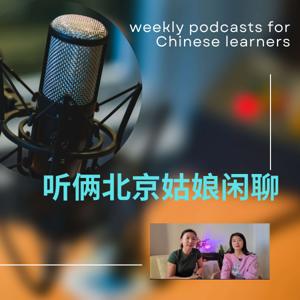
我们是Annie和Kerin, 两个北京姑娘,我俩从大一18岁开始认识,是最好的朋友,彼此了解。
Annie是一名住在北京的中文老师,有自己的Youtube频道Story learning Chinese with Annie, 适合初级和中级的汉语学习者。
Kerin曾经是中文老师,现在住在伦敦,中西家庭16年,喜欢分享中西不同的文化,有自己的Youtube频道…