
Sign up to save your podcasts
Or

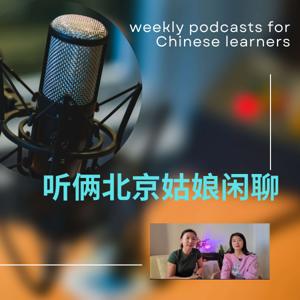


In this episode, we discuss emotional spending. What is it, and why are people willing to spend money to improve their mood or relieve stress? From massages, spa sessions, concerts, movies, to buying small items that make you happy — these are all examples of emotional spending. We explore the psychology behind it and compare attitudes toward emotional spending between Chinese and Western cultures.
在这一期《听俩北京姑娘闲聊》中,我们聊聊“情绪消费”。什么是情绪消费?为什么人们愿意花钱来改善自己的心情或缓解压力?无论是去做按摩、SPA、听演唱会、看电影,还是买一些小东西让自己开心,这些都是典型的情绪消费。我们将探讨背后的心理动机,以及中西方人对情绪消费的态度差异。
20个可能出现的中英文词汇 / Vocabulary
情绪 Emotion / Mood
消费 Spending / Consumption
压力 Stress
放松 Relaxation
按摩 Massage
SPA Spa
演唱会 Concert
电影 Movie / Film
心情 Mood / Feeling
快乐 Happiness / Joy
购物 Shopping
缓解 Relieve / Alleviate
娱乐 Entertainment
奢侈 Luxury
小物件 Small item / Trinket
心理 Psychology / Mental
冲动 Impulse
投资自己 Invest in yourself
消遣 Pastime / Recreation
体验 Experience
感谢支持!Please support us https://www.buzzsprout.com/2448476/support↗️
Annie and Kerin
Support the show
Follow us on Youtube: 听俩北京姑娘闲聊UCVBf2Zflj4WabkdCvEAFWew
In this episode , we dive into the rising trend of “buddy culture” in China. From gym buddies to lunch buddies to even parenting buddies – more and more people are choosing companionship without commitment.
Is this a smart and efficient way to deal with loneliness, or does it lead to shallow relationships and emotional detachment?
We share personal stories, pros and cons, and ask: Do you really need a “buddy”… or are you actually looking for a real friend?
在这期《听俩北京姑娘闲聊》中,我们聊聊当下年轻人中流行的“搭子文化”。什么是“搭子”?饭搭子、健身搭子、遛娃搭子……越来越多的人不谈深交,只为找个伴儿。
搭子文化看似高效、轻松,却也引发了不少问题,比如关系的浅薄、依赖性增强、人情淡漠等。
我们会分享自己的真实经历和观点,带你一起思考:你需要的是一个“搭子”,还是一个“朋友”?
📚【中英文对照词汇:搭子文化关键词】
中文词汇 英文翻译
搭子文化 Buddy culture
饭搭子 Food buddy / Lunch buddy
健身搭子 Gym buddy
旅游搭子 Travel buddy
看剧搭子 Show-watching buddy
学习搭子 Study buddy
遛娃搭子 Parenting buddy
临时关系 Temporary connection
陪伴感 Sense of companionship
低情绪成本 Low emotional investment
高效率社交 Efficient socialising
社交依赖 Social dependency
情感连接 Emotional connection
真朋友 Real friend
表面朋友 Surface-level friend
社恐舒适区 Social comfort zone
精神独立 Emotional independence
人际断舍离 Interpersonal decluttering
社交圈子 Social circle
陪伴型关系 Companion-based relationship
感谢支持!Please support us
Annie and Kerin
Support the show
Follow us on Youtube: 听俩北京姑娘闲聊UCVBf2Zflj4WabkdCvEAFWew
In this episode, we dive into the hot topic of Xibei restaurants and pre-packaged food in China. We discuss why pre-packaged meals have sparked controversy domestically, while comparing how similar products are received in Western markets. By exploring cultural habits, convenience, and taste preferences, we aim to uncover the differences in attitudes between Chinese and Western consumers.
在本期节目中,我们深入聊了最近国内引发热议的西贝餐厅事件以及预制菜的话题。我们讨论了为什么预制菜在国内引起争议,同时对比了欧美市场对类似食品的接受度。通过文化、便利性和口味偏好的分析,我们尝试揭示背后中西方消费者态度的差异。
中文 English
餐厅 Restaurant
西贝 Xibei
预制菜 Pre-made / Ready-to-cook food
食材 Ingredients
卫生 Hygiene
食品安全 Food safety
营养 Nutrition
味道 Taste / Flavor
口感 Texture
价格 Price
消费者 Consumer
热门话题 Hot topic
社交媒体 Social media
评论 Comment / Review
争议 Controversy
购买 Purchase / Buy
快速便捷 Quick & Convenient
家常菜 Home-style dish
外卖 Takeaway / Delivery
餐饮文化 Food culture
Support the show
Follow us on Youtube: 听俩北京姑娘闲聊UCVBf2Zflj4WabkdCvEAFWew
📌 English Description
In this special episode, we answer questions from our listeners about the podcast itself:
Why did we choose this name?
What kind of content can you expect here?
What style and atmosphere do we want to create?
Most importantly: How can you use our podcast to improve your Chinese?
We share the story behind the podcast, our vision, and practical tips on how to listen, take notes, and reflect so that each episode becomes a tool for better language learning. 🎧
Perfect for intermediate to advanced Chinese learners who want listening practice and cultural insights!
Please support us https://www.buzzsprout.com/2448476/support↗️
Thank you
📌 中文简介
在这一期特别的播客中,我们回答了听众关于播客的问题:
为什么取这个名字?
未来会有哪些内容?
我们想营造怎样的风格和氛围?
最重要的是:你可以怎样利用我们的播客来提升中文?
我们不仅分享了播客背后的故事和初心,还给出了一些学习方法,比如如何边听边做笔记、如何通过思考来提高中文表达。🎧
这一期特别适合中高级中文学习者,一边练习听力,一边获得学习技巧!
感谢支持!Please support us https://www.buzzsprout.com/2448476/support↗️
Annie and Kerin
Support the show
Follow us on Youtube: 听俩北京姑娘闲聊UCVBf2Zflj4WabkdCvEAFWew
In Chinese culture, saying “no” directly can be seen as rude or impolite. People often choose to be vague or give indirect responses, even when they want to decline.
In this video, I’ll explore the cultural reasons why many Chinese people find it hard to say "no," and how this differs from Western communication styles — especially in the UK and the US. This is a key part of understanding cross-cultural communication!
在中国文化中,“拒绝别人”常常被视为不礼貌、不近人情,很多人即使不愿意,也会勉强答应。这种“委婉”、“含蓄”的表达方式,和西方文化中直接说“不”的方式形成了鲜明对比。
在本期视频中,我们将通过真实例子,分析为什么中国人不擅长拒绝别人,以及这种文化差异可能在跨文化交流中带来的误解和挑战。
🧠 20个相关词汇(中英文对照):
中文词汇 英文翻译
拒绝 Reject / Refuse
委婉 Tactful / Indirect
面子 Face (saving face)
含蓄 Reserved / Implicit
礼貌 Politeness
人情 Social obligation / Favour
勉强答应 Reluctantly agree
不好意思 Feel awkward / Embarrassed
拒人于千里之外 Flatly reject / Cold refusal
圆滑 Tactful / Slick
社交压力 Social pressure
文化差异 Cultural difference
沟通风格 Communication style
隐晦表达 Indirect expression
误解 Misunderstanding
直接表达 Directness
答应 Agree / Say yes
拒绝的艺术 The art of saying no
模糊回应 Vague response
西方直率 Western bluntness
Support the show
Follow us on Youtube: 听俩北京姑娘闲聊UCVBf2Zflj4WabkdCvEAFWew
Some people insist on making life harder than it needs to be — whether to save money, out of habit, or because of deep-rooted beliefs — even when modern technology could make life much easier.
In this episode, we discuss:
What does “无苦硬吃” (enduring unnecessary hardship) mean?
Why do some people refuse to make life easier?
How modern tools and technology can improve quality of life
Balancing hard work and enjoying life
Would you spend extra money for convenience, or stick to doing things the hard way?
🎧 Perfect for intermediate to advanced Chinese learners. Improve your listening while reflecting on lifestyle choices and personal values.
有些人为了省钱、习惯、或者观念,坚持让自己过得很辛苦,即使现在科技和条件已经能让生活更轻松,他们依然选择“无苦硬吃”。
在本期播客中,我们将聊聊:
什么是“无苦硬吃”?
为什么有些人宁可受累也不改变?
现代科技和新方式如何帮我们提高生活质量?
吃苦和享受生活之间的平衡
你愿意为方便多花钱,还是坚持自己动手?
📚 适合中高级中文学习者,一边提高听力,一边思考生活方式与价值观的关系。欢迎在评论区分享你的观点!
关键词汇:
吃苦、硬扛、省钱、效率、顽固、适应变化、死脑筋、科技工具、习惯、思维方式
表达结构:
“明明……却……” → 明明有更简单的方法,他却坚持走最难的路。
“与其……不如……” → 与其死撑,不如学会用工具。
讨论问题:
“你有没有什么‘无苦硬吃’的经历?”
“你身边有没有人总是不愿意接受新工具?”
“你觉得吃苦是美德,还是一种‘过时的思维’?”
Support the show
Follow us on Youtube: 听俩北京姑娘闲聊UCVBf2Zflj4WabkdCvEAFWew
In this podcast, Kerin and I talk about our summer trips — I traveled to Africa, and she went to Dubai. We share our stories and reflections, and also discuss:
Why do we travel?
What does travel really mean in our lives?
How does travel change our perspective of the world and ourselves?
Is it about “seeing sights” or “experiencing life”?
🎧 Perfect for intermediate to advanced Chinese learners. Improve your Chinese listening while exploring the deeper meaning of travel with us.
这一次,我和 Kerin 在播客里聊了聊暑假的旅行。
我去了非洲,她去了迪拜。我们分享了旅行中的见闻和故事,也讨论了:
为什么要旅行?
旅行对我们的人生有什么意义?
旅行让我们对世界和自己有什么新的认识?
是“看风景”,还是“看生活”?
📚 本期播客适合中高级中文学习者。跟着我们的真实旅行经历,一起练习中文,思考旅行背后的深意。
Support the show
Follow us on Youtube: 听俩北京姑娘闲聊UCVBf2Zflj4WabkdCvEAFWew
AI can now write stories, create art, and even become a companion for your emotions.
In this episode, we explore:
How can AI provide emotional support to humans?
Why are more young people in China turning to AI chatbots for comfort?
The benefits and risks of emotional AI companionship
Could human–AI relationships ever become “real” love?
🎧 This podcast is designed for intermediate to advanced Chinese learners. Improve your listening skills while reflecting on how technology is changing the way we connect emotionally.
📌 中文简介
人工智能(AI)不仅能写文章、画画、编程,还开始成为人类的情感伙伴。
在本期播客中,我们将探讨:
AI 如何在情感上支持人类?
为什么越来越多中国年轻人依赖 AI 聊天机器人倾诉?
AI 情感陪伴的好处与风险
人类与 AI 的关系会走向“真感情”吗?
📚 本期播客适合中高级中文学习者,帮助你在提高听力的同时,深入思考科技与情感的边界。欢迎在评论区分享你的看法!
讨论问题:
“你是否愿意尝试使用AI进行情感交流?为什么?”
“你认为AI情感陪伴在未来会如何发展?”
重点词汇 & 语法:
词汇:人工智能、情感陪伴、虚拟伴侣、数据隐私、伦理问题。
语法:使用“即使……也……”结构表达让步关系,例如:“即使AI无法真正理解人类情感,人们也愿意与之交流。”
Support the show
Follow us on Youtube: 听俩北京姑娘闲聊UCVBf2Zflj4WabkdCvEAFWew
Should we enjoy life now or save it for the future?
In this episode, we explore one of the biggest dilemmas of modern life — Delayed Gratification vs Instant Enjoyment.
What does "delayed gratification" really mean?
Why are more and more young people choosing to enjoy the present?
What are the psychological and cultural differences behind these choices?
🎧 This podcast is designed for intermediate to advanced Chinese learners. Improve your listening skills while reflecting on your own lifestyle and values!
“是现在享受,还是为了未来忍耐?”
在本期播客中,我们讨论现代人最常面对的一个选择——延迟满足 vs. 及时行乐。
什么是“延迟满足”?
为什么越来越多年轻人选择“及时行乐”?
这两种生活方式背后的心理机制是什么?
在不同文化中,人们怎么看待快乐与牺牲?
📚 本期播客适合中高级中文学习者,帮助你在听懂内容的同时,也思考自己的价值观与生活方式。欢迎在评论区分享你的选择!
关键词汇:
延迟满足、及时行乐、冲动消费、自控力、自律、放纵、情绪价值、短期/长期回报、生活态度
表达结构:
“与其……不如……”:与其一直忍着,不如偶尔犒劳一下自己。
“虽然……但是……”:虽然及时行乐很快乐,但长期来看,延迟满足可能带来更多成就感。
互动问题:
“你最近一次延迟满足的经历是什么?”
“有没有什么事情你后悔没有及时行乐?”
“你会为了将来的幸福牺牲现在的快乐吗?”
Support the show
Follow us on Youtube: 听俩北京姑娘闲聊UCVBf2Zflj4WabkdCvEAFWew
In this episode, we discuss a question many overseas Chinese face:
Should we stay and build a life abroad, or return to China for a new chapter?
We share our own stories, what we’ve heard from friends, and the key factors influencing such decisions — from children's education to caring for ageing parents, career opportunities, cultural identity, and more.
Have you thought about moving back to China? Or do you feel completely settled overseas? Share your thoughts in the comments!
这一期《听俩北京姑娘闲聊》,我们聊聊一个很多华人都会思考的话题:是在国外安家落户,还是选择回到中国生活?
我们分享了自己的经历、身边朋友的故事,以及大家在“留下”或“回国”时常见的考虑,比如:孩子教育、父母养老、职业发展、身份归属感等等。
你有没有动过“回国”的念头?或者在国外生活多年后早已扎根?欢迎在评论区聊聊你的想法!
Support the show
Follow us on Youtube: 听俩北京姑娘闲聊UCVBf2Zflj4WabkdCvEAFWew
From the publisher's feed
我们是Annie和Kerin, 两个北京姑娘,我俩从大一18岁开始认识,是最好的朋友,彼此了解。
Annie是一名住在北京的中文老师,有自己的Youtube频道Story learning Chinese with Annie, 适合初级和中级的汉语学习者。
Kerin曾经是中文老师,现在住在伦敦,中西家庭16年,喜欢分享中西不同的文化,有自己的Youtube频道…