
Sign up to save your podcasts
Or

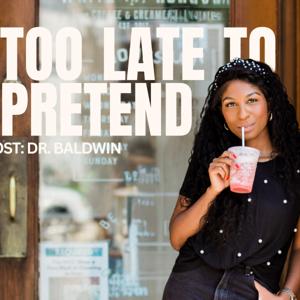


Liars and manipulators follow patterns, and patterns can be spotted early.
Dr. Cecelia Baldwin, a licensed therapist who specializes in relationships, has watched smart, capable people end up exhausted, doubting themselves, and spending all their energy trying to figure out what is real. This happens with partners, parents, siblings, friends, and bosses, and over time it can look like anxiety, depression, numbness, and traumatic stress. Dr. Baldwin walks through 14 patterns to watch for, so you can protect yourself before it gets that far.
Disclaimer: The content shared on this page is for informational and educational purposes only and does not constitute psychotherapy, counseling, or any form of professional mental health treatment. Viewing, commenting on, or engaging with this content does not establish a therapist-client relationship. The information provided is general in nature and may not apply to your individual circumstances. Please consult a licensed mental health professional for personalized advice and support.
Please note that I am unable to respond to direct messages or comments regarding clinical concerns, personal mental health questions, or requests for therapeutic advice. Social media is not a secure or appropriate platform for clinical communication, and any such messages received will not be answered.
If you are experiencing a mental health emergency or crisis, please call or text 988 (Suicide & Crisis Lifeline), call 911, or go to your nearest emergency room.
The uncle is still weird. The questions about your life are still coming. The holiday table is already set.Dr. Cecelia Baldwin, a licensed therapist focused on relationships, shares how to protect your peace at holiday gatherings and keep your boundaries with family. You'll learn: → The reason explaining your boundary one more time keeps you stuck→ What a velvet rope at the Louvre and a snatched phone at the Tower of London reveal about holiday boundaries→ Why you feel 14 again the second you sit in your old seat at the table→ The short phrases to decide on before you walk inThis is for you if:→ Holiday dread starts building weeks before the gathering→ Explaining yourself to family has never changed the outcome→ You want a simple plan for holiday boundaries you can remember under pressureDisclaimer: The content shared on this page is for informational and educational purposes only and does not constitute psychotherapy, counseling, or any form of professional mental health treatment. Viewing, commenting on, or engaging with this content does not establish a therapist-client relationship. The information provided is general in nature and may not apply to your individual circumstances. Please consult a licensed mental health professional for personalized advice and support.Please note that I am unable to respond to direct messages or comments regarding clinical concerns, personal mental health questions, or requests for therapeutic advice. Social media is not a secure or appropriate platform for clinical communication, and any such messages received will not be answered.If you are experiencing a mental health emergency or crisis, please call or text 988 (Suicide & Crisis Lifeline), call 911, or go to your nearest emergency room.
Someone you trusted completely turns out to be the person who hurt you most, and suddenly your sense of safety with everyone shifts.
Licensed therapist Dr. Cecelia Baldwin explains how betrayal trauma lives in the nervous system, why its effects follow you into new relationships, and what it takes to rebuild trust in other people and in yourself.
- Why betrayal from someone close hits so differently than dishonesty from a stranger
- The everyday example that explains why your body keeps bracing for impact long after the danger has passed
- Six patterns that quietly shape how you love, trust, and protect yourself
- Why calm, consistent people can feel strange, and what that reveals about what feels familiar
- The conclusion about people you may have drawn without realizing it, and why it can change
- The eight steps Dr. Baldwin walks through to begin healing
This episode is for you if:
- You trusted someone completely and still replay what happened
- Your chest tightens around people who have given you no reason to feel unsafe
- Healthy relationships feel strange to you
- You want to trust again without ignoring red flags
Disclaimer: The content shared on this page is for informational and educational purposes only and does not constitute psychotherapy, counseling, or any form of professional mental health treatment. Viewing, commenting on, or engaging with this content does not establish a therapist-client relationship. The information provided is general in nature and may not apply to your individual circumstances. Please consult a licensed mental health professional for personalized advice and support.
Please note that I am unable to respond to direct messages or comments regarding clinical concerns, personal mental health questions, or requests for therapeutic advice. Social media is not a secure or appropriate platform for clinical communication, and any such messages received will not be answered.
If you are experiencing a mental health emergency or crisis, please call or text 988 (Suicide & Crisis Lifeline), call 911, or go to your nearest emergency room.
Eight hours a day beside someone who competes with you, corrects you in every meeting, or carries your business around the office adds up fast, and it rarely stays at work.Licensed therapist Dr. Cecelia Baldwin works with people from every kind of workplace who struggle with their colleagues. In this episode, she breaks down what that daily friction does to mental health, why so much of the behavior you see at work comes from someone else’s insecurity, and how to keep your energy and your credibility intact while still doing your job well.This episode is for you if:→ You replay workplace conversations long after you’ve clocked out→ A manager or colleague seems unhappy about your growth→ You feel pulled into office drama and want a calm way to step out→ You’re tired of trying to get everyone at work to like you→ You want practical language and habits for protecting your peace
Disclaimer: The content shared on this page is for informational and educational purposes only and does not constitute psychotherapy, counseling, or any form of professional mental health treatment. Viewing, commenting on, or engaging with this content does not establish a therapist-client relationship. The information provided is general in nature and may not apply to your individual circumstances. Please consult a licensed mental health professional for personalized advice and support.Please note that I am unable to respond to direct messages or comments regarding clinical concerns, personal mental health questions, or requests for therapeutic advice. Social media is not a secure or appropriate platform for clinical communication, and any such messages received will not be answered.If you are experiencing a mental health emergency or crisis, please call or text 988 (Suicide & Crisis Lifeline), call 911, or go to your nearest emergency room.
Dr. Cecelia Baldwin, a licensed therapist with a doctorate in marriage and family therapy, specializes in couples and families. She has watched countless couples who love each other deeply still struggle to keep the relationship healthy. In this episode, she explains how the weight of being someone’s only source of comfort, reassurance, and stability can wear down both people, and why that exhaustion so often gets mistaken for a lack of love.→ Why two people can love each other deeply and still feel worn out→ How one partner becoming the only source of support builds pressure on both people→ The cycle where one person seeks reassurance and the other withdraws→ The difference between being responsible to your partner and responsible for every emotional need they have→ How friendships, family, mentors, and support groups strengthen a romantic relationship→ Why building community can feel harder after loss, estrangement, or relationship traumaThis is for you if:→ You love your partner and still feel emotionally drained→ You feel guilty for admitting you’re overwhelmed by someone you care about→ Your partner is your main source of comfort, connection, and companionship→ You want your relationship to feel lighter and more sustainableDisclaimer: The content shared on this page is for informational and educational purposes only and does not constitute psychotherapy, counseling, or any form of professional mental health treatment. Viewing, commenting on, or engaging with this content does not establish a therapist-client relationship. The information provided is general in nature and may not apply to your individual circumstances. Please consult a licensed mental health professional for personalized advice and support.Please note that I am unable to respond to direct messages or comments regarding clinical concerns, personal mental health questions, or requests for therapeutic advice. Social media is not a secure or appropriate platform for clinical communication, and any such messages received will not be answered.If you are experiencing a mental health emergency or crisis, please call or text 988 (Suicide & Crisis Lifeline), call 911, or go to your nearest emergency room.
Someone is going to dislike you no matter how kind, generous, or accommodating you are.Dr. Cecelia Baldwin, a licensed therapist, breaks down why disapproval can hit the body like a threat, how “if/then” rules quietly run your decisions, and why the search for reassurance keeps anxiety coming back.
Disclaimer: The content shared on this page is for informational and educational purposes only and does not constitute psychotherapy, counseling, or any form of professional mental health treatment. Viewing, commenting on, or engaging with this content does not establish a therapist-client relationship. The information provided is general in nature and may not apply to your individual circumstances. Please consult a licensed mental health professional for personalized advice and support.Please note that I am unable to respond to direct messages or comments regarding clinical concerns, personal mental health questions, or requests for therapeutic advice. Social media is not a secure or appropriate platform for clinical communication, and any such messages received will not be answered.If you are experiencing a mental health emergency or crisis, please call or text 988 (Suicide & Crisis Lifeline), call 911, or go to your nearest emergency room.
Everyone has heard the advice to stop caring what other people think. Dr. Cecelia Baldwin, a licensed therapist, explains why that advice gets half of it right and leaves the other half out.
In this episode, Dr. Baldwin walks through why caring about opinions is wired into the human nervous system, what judgment does to your body in the moment, and how to keep that sensitivity without letting it run your life. She also shares a simple four-step sequence you can use the next time someone’s opinion lands hard.
Disclaimer: The content shared on this page is for informational and educational purposes only and does not constitute psychotherapy, counseling, or any form of professional mental health treatment. Viewing, commenting on, or engaging with this content does not establish a therapist-client relationship. The information provided is general in nature and may not apply to your individual circumstances. Please consult a licensed mental health professional for personalized advice and support.
Please note that I am unable to respond to direct messages or comments regarding clinical concerns, personal mental health questions, or requests for therapeutic advice. Social media is not a secure or appropriate platform for clinical communication, and any such messages received will not be answered.
If you are experiencing a mental health emergency or crisis, please call or text 988 (Suicide & Crisis Lifeline), call 911, or go to your nearest emergency room.
Some of the people you love most can also be the ones who leave you anxious, drained, and second-guessing yourself.
Dr. Cecelia Baldwin, a licensed therapist, breaks down what it means to create distance from family when closeness has started to cost you your well-being. She covers why love and access are two separate things, how to hold two opposing truths at once, and why guilt shows up when you start choosing yourself.
→ Why loving someone and giving them access to you can be separated
→ What dialectical thinking is and how it helps you hold two truths at once
→ Why trying to love someone less feels easier, and what to do instead
→ How to read a pattern of interaction and treat your anxiety as information
→ What distance can look like, from talking less to no contact
→ Why distance can be temporary and you don't need to know the answer today
→ How to work through guilt and being misunderstood by your family
→ What opens up in your life when you stop spending so much energy managing unhealthy relationships
Disclaimer: The content shared on this page is for informational and educational purposes only and does not constitute psychotherapy, counseling, or any form of professional mental health treatment. Viewing, commenting on, or engaging with this content does not establish a therapist-client relationship. The information provided is general in nature and may not apply to your individual circumstances. Please consult a licensed mental health professional for personalized advice and support.Please note that I am unable to respond to direct messages or comments regarding clinical concerns, personal mental health questions, or requests for therapeutic advice. Social media is not a secure or appropriate platform for clinical communication, and any such messages received will not be answered.If you are experiencing a mental health emergency or crisis, please call or text 988 (Suicide & Crisis Lifeline), call 911, or go to your nearest emergency room.
Siblings fight. That's normal. But what about when the fighting never gets repaired, the boundaries never get respected, and you leave every family gathering feeling smaller than when you arrived?
In this episode, licensed therapist Dr. Cecelia Baldwin breaks down the difference between ordinary sibling conflict and a toxic sibling relationship. She explains that the real distinction comes down to what keeps happening, how severe it is, and whether repair is ever possible. She also walks through what to do when the relationship you wanted isn't the one you have.
This is for you if:
→ You rehearse conversations before seeing your sibling
→ You've been told you're "too sensitive" more times than you can count
→ Your family keeps pressuring you to "just get along"
→ You love your sibling but know being close to them isn't good for you
→ You're grieving a relationship you desperately wanted to work
Disclaimer: The content shared on this page is for informational and educational purposes only and does not constitute psychotherapy, counseling, or any form of professional mental health treatment. Viewing, commenting on, or engaging with this content does not establish a therapist-client relationship. The information provided is general in nature and may not apply to your individual circumstances. Please consult a licensed mental health professional for personalized advice and support.
Please note that I am unable to respond to direct messages or comments regarding clinical concerns, personal mental health questions, or requests for therapeutic advice. Social media is not a secure or appropriate platform for clinical communication, and any such messages received will not be answered.
If you are experiencing a mental health emergency or crisis, please call or text 988 (Suicide & Crisis Lifeline), call 911, or go to your nearest emergency room.
Things feel louder, faster, and less certain than they used to. What's your plan for staying steady?Dr. Cecelia Baldwin, a licensed therapist, is helping her clients and her own family build stability now, before a hard season arrives. In this episode, she shares the framework she uses so you can start building your own.→ The one question to ask yourself: if life gets harder, what will help me stay?→ Why a plan built on knowledge and support serves you better than one built on fear→ How to cut back on the distractions competing for your attention→ A five-part look at your health: physical, emotional, mental, spiritual, and relational→ How to feel your anger and still choose how you show up→ Why building your identity on more than work, money, or status gives you something to hold onto→ How co-regulation lets you carry hard things with another person beside youThis is for you if:→ The pace of the world leaves you feeling unsettled→ You want to prepare for uncertainty without living in fear→ You're ready to strengthen the parts of your life you can control→ You'd like a simple starting point for looking after your mental healthSubscribe for more conversations on mental health, relationships, and real-life healing.Disclaimer: The content shared on this page is for informational and educational purposes only and does not constitute psychotherapy, counseling, or any form of professional mental health treatment. Viewing, commenting on, or engaging with this content does not establish a therapist-client relationship. The information provided is general in nature and may not apply to your individual circumstances. Please consult a licensed mental health professional for personalized advice and support.Please note that I am unable to respond to direct messages or comments regarding clinical concerns, personal mental health questions, or requests for therapeutic advice. Social media is not a secure or appropriate platform for clinical communication, and any such messages received will not be answered.If you are experiencing a mental health emergency or crisis, please call or text 988 (Suicide & Crisis Lifeline), call 911, or go to your nearest emergency room.