
Sign up to save your podcasts
Or



Organic food is better for plants than synthetic food for a number of reasons. First, organic food is more biogradable, meaning that it is easier for plants to absorb and use. Synthetic fertilizers are often made from inorganic salts, which can be difficult for plants to break down. Second, organic food contains a wider range of nutrients than synthetic food. Synthetic fertilizers typically only contain the three macronutrients: nitrogen, phosphorus, and potassium. Organic food, on the other hand, contains a variety of macronutrients, micronutrients, and beneficial microbes.
Here are some of the specific benefits of organic food for plants:
If you want to give your plants the best possible chance for success, choose organic food over synthetic food. Watters Garden Center has a fertilizer “All Purpose 7-4-4 Plant Food” and other products to help you grow healthy, productive plants.
Visit Watters Garden Center today to learn more about the benefits of organic food for plants!
#wattersgardencenter, #wattersgardencenteraz, #mountaingardenerpodcast, #top10gardener,
#organicplantfood, #Watters7-4-4PlantFood, #fertilizer
Evergreens are a beautiful addition to any landscape, but sometimes they can turn yellow. There are a few different reasons why this can happen, but the most common ones are:
Here are a few tips:
If you're not sure why your evergreens are turning yellow, or if you're not sure how to fix the problem, bring a sample branch in a baggie along with a photo of the tree into the Garden Center and we will assist you in diagnosing the problem.
#wattersgardencenter, #watterscardencenteraz, #mountaingardenerpodcast, #Top10Gardener,
#evergreens
As the days get shorter and the nights get colder, it's time to start thinking about preparing your garden for winter. One important task is to cut back perennials. This helps to remove dead or diseased foliage, encourage new growth in the spring, and prevent pests and diseases from overwintering in your garden.
The best time to cut back perennials is after the first frost, but before the ground freezes. This will give the plants a chance to store energy for the winter. However, there are some perennials, such as bleeding heart and ferns, that should not be cut back in the fall.
#wattersgardencenter, #watterscardencenteraz, #mountaingardenerpodcast, #Top10Gardener,
#fallflowers
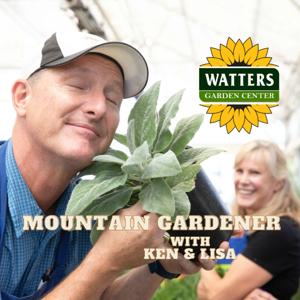
The Mountain Gardener Podcast: Your One-Stop Shop for All Things Gardening in Arizona's High Country
Looking for a gardening podcast that's specifically designed for Arizona's High Country? Look no further than The Mountain Gardener Podcast, hosted by experienced gardeners Ken and Lisa Lain. In each episode, Ken and Lisa cover a wide range of topics, including:
Whether you're a beginner gardener or a seasoned pro, The Mountain Gardener Podcast has something for everyone. Ken and Lisa's passion for gardening is infectious, and their expertise is invaluable. Subscribe to The Mountain Gardener Podcast today and start gardening like a pro!
Here are some specific examples of topics that Ken and Lisa have covered in this week’s podcast:
We hope you'll join us for the Mountain Gardener Podcast! Subscribe today on your favorite podcast platform.
#wattersgardencenter, #wattersgardencenteraz, #mountaingardenerpodcast, #top10gardener,
Autumn is a beautiful time of year, with the leaves of many trees changing color to brilliant shades of red, orange, and yellow. If you're looking to add some fall color to your landscape, here are 10 of the best trees to plant in the fall, along with some tips for growing them:
Additional tips for growing fall-colored trees:
With proper care, your fall-colored trees will thrive for many years to come.
#wattersgardencenter, #wattersgardencenteraz, #mountaingardenerpodcast, #top10gardener,
#fallgardening
The Mountain Gardener Podcast: Your Go-To Resource for Gardening in Arizona's High Country
In this episode, Ken and Lisa cover a wide range of topics related to gardening in Arizona's high altitude, including in this week’s episode:
Whether you're a beginner gardener or a seasoned pro, The Mountain Gardener Podcast has something for everyone. Ken and Lisa's passion for gardening is infectious, and their expertise is invaluable.
Subscribe to The Mountain Gardener Podcast today and start gardening like a pro!
#wattersgardencenter, #wattersgardencenteraz, #mountaingardenerpodcast, #top10gardener,
Autumn is a beautiful time of year, with the leaves of many trees changing color to brilliant shades of red, orange, and yellow. If you're looking to add some fall color to your landscape, here are 10 of the best trees to plant in the fall:
Maples are one of the most popular trees for fall color, and for good reason. Their leaves turn a vibrant red, orange, or yellow in the fall, and they can grow up to 70 feet tall. Maples are relatively low-maintenance, but they do prefer moist, well-drained soil.
Aspens are known for their beautiful fluttering leaves and their golden yellow fall color. Aspens can grow up to 50 feet tall, and they prefer full sun to partial shade. Aspens are best planted in groups, as they are very social trees.
Ash trees are known for their compound leaves and their fiery red fall color. Ash trees can grow up to 60 feet tall, and they prefer full sun to partial shade. Ash trees are relatively low-maintenance, but they are susceptible to some pests and diseases.
Locust trees are known for their fragrant flowers and their golden yellow fall color. Locust trees can grow up to 70 feet tall, and they prefer full sun to partial shade. Locust trees are relatively low-maintenance, but they can be invasive in some areas.
Bradford pear trees are known for their white spring flowers and their purple-red fall color. They can grow up to 50 feet tall, and they prefer full sun to partial shade. Bradford pear trees are relatively low-maintenance, but they are susceptible to some pests and diseases.
When choosing a tree for fall color, it is important to consider the climate you live in and the amount of space you have available. You should also choose a tree that is resistant to pests and diseases.
Visit Watters Garden Center today to see our wide selection of Maple, Aspen, Ash, Locust, and
Bradford Pear trees! Our staff can help you choose the right tree for your yard and climate.
#wattersgardencenter, #wattersgardencenteraz, #mountaingardenerpodcast, #top10gardener,
#fallgardening
When the leaves fall and the ground turns white, many trees can look bare and lifeless. But there are a number of trees that maintain their beauty all winter long, with vibrant bark, colorful berries, or interesting shapes.
Here are a few trees that look good all winter:
Austrian Pines are native to the mountains of Central Europe. They have long, dark green needles and a dense, pyramidal shape. Austrian Pines are very hardy and can withstand cold winters and dry summers.
Black Pines are native to the Mediterranean region. They have dark green needles and a thick, scaly bark. Black Pines are also very hardy and can withstand cold winters and dry summers.
Colorado Blue Spruces are native to the Rocky Mountains of North America. They have silvery-blue needles and a dense, pyramidal shape. Colorado Blue Spruces are very popular ornamental trees and are known for their vibrant color.
Alberta Spruces are native to the Canadian Rockies. They have silvery-blue needles and a dense, conical shape. Alberta Spruces are smaller than Colorado Blue Spruces and are often used in foundation plantings.
Arizona Cypresses are native to the American Southwest. They have soft, gray-green needles and a columnar shape. Arizona Cypresses are very drought-tolerant and can withstand hot summers and cold winters.
All of these trees are relatively low-maintenance and can be a great addition to any winter landscape.
Visit Watters Garden Center today to see our wide selection of Austrian Pines, Black Pines, Colorado Blue Spruces, Alberta Spruces, and Arizona Cypresses! Our staff can help you choose the right tree for your yard and climate.
#wattersgardencenter, #wattersgardencenteraz, #mountaingardenerpodcast, #top10gardener,
#evergreens
Winter weeds can be a nuisance in any lawn, but they can be especially troublesome in rock lawns. Rock lawns are designed to be low-maintenance, but they can still be susceptible to weeds, especially if they are not properly cared for.
There are a few things you can do to keep winter weeds out of your rock lawn:
Here are some additional tips for keeping winter weeds out of your rock lawn:
If you have a severe winter weed problem, you may need to contact a professional lawn care company. They can help you to develop a customized weed control plan for your rock lawn.
Watters Garden Center has a variety of products that can help you to keep winter weeds out of your rock lawn.
Visit Watters Garden Center today for all of your winter weed control needs!
#wattersgardencenter, #wattersgardencenteraz, #mountaingardenerpodcast, #top10gardener,
#weedcontrol
Skunks are nocturnal animals that are native to North America. They are typically found in wooded areas, but they will also venture into urban and suburban areas in search of food and shelter.
There are a few reasons why skunks might be in your yard. One reason is that they are attracted to food sources. Skunks are omnivores, so they will eat a variety of things, including insects, grubs, fruits, and vegetables. If you have a lot of pests in your yard, such as grubs or beetles, skunks may be attracted to the food source.
Another reason why skunks might be in your yard is that they are looking for shelter. Skunks like to den in dark, secluded areas. If you have any woodpiles, sheds, or other structures on your property, skunks may be using them as dens.
Finally, skunks may be in your yard simply because they are passing through. Skunks have large home ranges, and they may travel several miles in a single night. If you live in an area where skunks are common, it is not unusual to see them in your yard occasionally.
How to discourage skunks from your yard:
There are a few things you can do to discourage skunks from your yard:
#wattersgardencenter, #watterscardencenteraz, #mountaingardenerpodcast, #Top10Gardener,
#skunks, #gardenpests
From the publisher's feed
Stop Guessing. Start Growing. Welcome to the Ultimate Garden Blueprint.
Body Copy: Most big-box store advice will get your plants killed. The intense sun, the heavy wind, and the local wildlife require a completely different set of rules.
I'm Ken Lain, "Top 10 Gardener," and every week, I share the exact "un-killable" strategies we use to cheat the heat and build vibrant, blooming sanctuaries in USDA Zones 5–8.
Don't waste another season on generic advice. Hit that '+ Follow' button right now to get your weekly dose of mountain gardening success. Let's put some roots in the ground together.
Whether you are trying to force your mountain roses into non-stop blooms, figure out why your evergreens are dropping needles, or reclaim your patio from summer pests, we give you the hyper-local science to make it happen.
When you tune in, you'll discover:
Don't waste another season on generic advice. Hit that '+ Follow' button right now to get your weekly dose of mountain gardening success. Let's put some roots in the ground together.