
Sign up to save your podcasts
Or

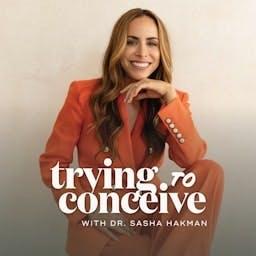


Dr. Sasha Hakman goes solo to finally answer the question her community has been asking for weeks: what exactly did she do differently for her second embryo transfer, the one that worked? Now 14 weeks pregnant, Dr. Sasha walks through her full protocol in detail, from the switch to a programmed FET to every medication, supplement, and lifestyle change she made. She also opens up about the emotional rollercoaster of a failed transfer, a terrifying bleed at seven weeks, and what it's like to be a fertility doctor going through fertility treatment herself.
This episode is one of the most personal and detailed she's ever shared, and it's been a long time coming.
In This Episode, You'll Learn:
Why Dr. Sasha switched from a modified natural cycle to a programmed FET, and what that actually means
Her exact medication protocol: estrace, progesterone in oil, Prometrium suppositories, Ganirelix, and prednisone , with doses and timing
What the antihistamine protocol is (prednisone + Pepcid + Claritin) and why she added it despite limited evidence
How acupuncture became a non-negotiable addition to her second cycle
Why she took a full week off work after transfer and what she did instead
Her supplement stack, pescatarian diet, and why she stopped being so strict about sugar this time
The emotional experience of home testing, a lighter line, spiraling, and what snapped her out of it
Her beta number progression and what she was watching for
The scary seven-week bleed, the subchorionic hematoma diagnosis, and how her colleague met her at the clinic at 8pm
How she emotionally survived a failed transfer and built her "plan A through G" for what came next
How she manages non-classical congenital adrenal hyperplasia (NCAH) and why it influenced every protocol decision
Follow Dr Sasha!
TikTok: @sashahakmanmd
Instagram: @sashahakmanmd @tryingtoconceivepod
YouTube: @tryingtoconceivepod
Want to receive my weekly newsletter?
Sign up at sashahakmanmd.com/newsletter to receive updates, answers to Q&A and more!
If you haven't already, please rate, review, and follow the podcast to be notified of new episodes every 2 weeks.If you're interested in becoming a patient go to sashahakmanmd.com to learn more!
Thank you to our sponsor Ogee Beauty. Go to ogee.com/DRSASHA and use code DRSASHA for 20% off
Learn more about your ad choices. Visit megaphone.fm/adchoices
Dr. Sasha Hakman sits down with Dr. Felice Chan, a Chinese medicine practitioner and licensed acupuncturist based in Los Angeles, to explore how traditional Chinese medicine (TCM) can support women's health and fertility. What starts as a curiosity from a fertility doctor who regularly refers patients for acupuncture quickly turns into one of the most eye-opening conversations yet covering everything from reading the tongue to treating endometriosis, PCOS, and preparing for IVF.
Dr. Felice shares her unexpected journey from a pre-med neuroscience track to becoming a Chinese medicine practitioner, and breaks down the four pillars of TCM: acupuncture, herbal medicine, food as medicine, and nervous system-focused lifestyle practices. Together, they bridge the gap between Eastern and Western approaches (they're more compatible than you might think).
Follow Felice Chan
Instagram: @drfelicechan @feliceacupuncture
Follow Dr Sasha!
TikTok: @sashahakmanmd
Instagram: @sashahakmanmd @tryingtoconceivepod
YouTube: @tryingtoconceivepod
Resources Mentioned:
Pericardium 6 acupressure point (for nausea relief)
Ear seeds for at-home acupressure
Erewhon Pinnacle Trail Mix (goji berries + walnuts — blood nourishing!)
Chrysanthemum tea for stress and liver support
Want to receive my weekly newsletter? Sign up at sashahakmanmd.com/newsletter to receive updates, answers to Q&A and more!
If you haven't already, please rate, review, and follow the podcast to be notified of new episodes every week.
If you're interested in becoming a patient go to sashahakmanmd.com to learn more!
Learn more about your ad choices. Visit megaphone.fm/adchoices
Today, I’m breaking down one of the most misunderstood topics in women’s health: hormonal contraceptives. With so much misinformation online, it’s easy to feel confused or even scared about your options. As a reproductive endocrinologist, I want to give you the science-based facts so you can make informed decisions about your body and your future fertility.
I walk you through the different types of hormonal birth control, including the pill, patch, ring, IUD, Depo shot, and implant. I explain how they actually work in your body, the real risks versus exaggerated claims you might see online, and the benefits that often get overlooked.
We also dive into some of the biggest questions I get from patients and my community:
Does birth control cause infertility?
What happens when you stop the pill?
Is there a link to cancer or blood clots?
Can it affect your mood, gut health, or brain?
Which option is best if you plan to conceive in the future?
I also share my personal experience with birth control, how different formulations can affect you differently, and why there is no one-size-fits-all solution.
Whether you’re currently on birth control, considering starting it, or planning to stop soon to try to conceive, this episode will give you clarity and confidence in your choices.
Remember, knowledge is power when it comes to your reproductive health.
Follow Dr Sasha!
TikTok: @sashahakmanmd
Instagram: @sashahakmanmd @tryingtoconceivepod
YouTube: @tryingtoconceivepod
Want to receive my weekly newsletter? Sign up at sashahakmanmd.com/newsletter to receive updates, answers to Q&A and more!
If you haven't already, please rate, review, and follow the podcast to be notified of new episodes every 2 weeks.
If you're interested in becoming a patient go to sashahakmanmd.com to learn more!
Learn more about your ad choices. Visit megaphone.fm/adchoices
Learn more about your ad choices. Visit megaphone.fm/adchoices
What happens when you're the picture of health, crushing it in your career, and then find out you can't get your partner pregnant?
In this episode, I sit down with Brian Mazza, entrepreneur, founder of High Performance Lifestyle Training, and one of the few men openly talking about male infertility. Brian shares his deeply personal journey from receiving devastating test results to navigating IVF, relationship strain, and ultimately becoming a father to two boys through ICSI.
We talk about the moment he found out about his low sperm count, motility, and morphology, and how that diagnosis made him feel like a failure despite being in incredible shape. Brian opens up about the shame, the embarrassment, and the defensiveness that came with being told he was the reason they couldn't conceive naturally. He also shares how it nearly broke his marriage, the moment he offered his wife a divorce so she could have kids with someone else, and the turning point that brought them back together.
This conversation goes beyond the medical side of infertility. We dive into the emotional toll on men, the lack of conversation around male factor infertility, and why so many guys suffer in silence. Brian explains why he decided to go public with his story, how he raised over $80,000 by running 50 miles from Cornell to his home, and why he believes every man should get tested early and often.
We also talk about fatherhood, what it means to show up for your kids every single day, and why Brian has made a personal pledge to never let his sons see him tired or drink alcohol. His approach to parenting is rooted in presence, discipline, and leading by example, and it's clear that his infertility journey shaped the father he is today.
If you're a man navigating infertility, a woman supporting a partner through it, or anyone who wants to understand the male perspective on fertility struggles, this episode will give you insight, hope, and a reminder that infertility does not define your masculinity or your ability to be an incredible parent.
Brian's story is proof that with the right medical care, emotional resilience, and a strong partnership, you can get through this and come out the other side with everything you've been hoping for.
_____
Follow Brian Mazza on Instagram: @brianmazza
High Performance Lifestyle Training: @hpltraining
Follow Dr Sasha!
TikTok: @sashahakmanmd
Instagram: @sashahakmanmd @tryingtoconceivepod
YouTube: @tryingtoconceivepod
Want to receive my weekly newsletter? Sign up at sashahakmanmd.com/newsletter to receive updates, answers to Q&A and more!
If you haven't already, please rate, review, and follow the podcast to be notified of new episodes every 2 weeks.
If you're interested in becoming a patient go to sashahakmanmd.com to learn more!
Learn more about your ad choices. Visit megaphone.fm/adchoices
I see this all the time. You’re doing everything right, your tests look “normal,” and yet… you’re still not getting pregnant. What if something is being missed?
In this episode, I’m breaking down one of the most underdiagnosed and misunderstood conditions in fertility: endometriosis.
I walk you through what endometriosis actually is, how it impacts your body, and more importantly, how it can affect your ability to conceive. From inflammation and egg quality to blocked tubes and implantation issues, this condition can interfere with fertility in ways most people don’t even realize.
We also talk about why symptoms don’t always match severity. Some women have severe pain and no fertility issues, while others have zero symptoms and struggle to conceive. This is what makes endometriosis so difficult to diagnose and why so many cases go unnoticed.
I dive into how we evaluate for endometriosis today, including updated guidelines that no longer require surgery for diagnosis, as well as newer testing options and imaging limitations.
Then we get into the big questions:
When should you suspect endometriosis?
Should you consider surgery or avoid it?
Does removing endometriosis actually improve fertility?
When is it time to move to IUI or IVF?
I also break down real clinical scenarios so you can understand how treatment decisions are made based on age, symptoms, ovarian reserve, and fertility goals.
If you’ve been told you have “unexplained infertility,” or you suspect something deeper is going on, this episode will give you clarity on what might be happening and what your next steps could look like.
Endometriosis is complex, but understanding it can completely change your fertility journey.
_____
Follow Dr Sasha!
TikTok: @sashahakmanmd
Instagram: @sashahakmanmd @tryingtoconceivepod
YouTube: @tryingtoconceivepod
If you haven't already, please rate, review, and follow the podcast to be notified of new episodes every 2 weeks.
If you're interested in becoming a patient go to sashahakmanmd.com to learn more!
Learn more about your ad choices. Visit megaphone.fm/adchoices
Learn more about your ad choices. Visit megaphone.fm/adchoices
Can you really get pregnant after seven failed embryo transfers? What does it take to keep going when nothing seems to work?
In this episode, I sit down with Abbe Feder to talk about one of the most intense fertility journeys I’ve ever heard. After 6 years of trying to conceive, 8 embryo transfers, a miscarriage, an ectopic pregnancy, and multiple failed IVF cycles, Abby finally got her miracle… twins.
But this conversation goes far beyond just the outcome.
We break down what unexplained infertility actually means, why IVF doesn’t always work even when everything looks “perfect,” and the emotional toll that no one prepares you for. Abbe shares the mindset shifts that helped her keep going, the financial realities of fertility treatment, and the truth about resilience during infertility.
We also talk about the hardest moments along the way, including pregnancy loss, the waiting, the uncertainty, and the constant cycle of hope and disappointment. Abbe now helps women navigate infertility through coaching, and her ability to put feelings into words will make you feel seen in a way that’s hard to explain.
If you’re going through infertility, considering IVF, or supporting someone who is, this episode will change how you think about the journey.
And if nothing else, I hope it reminds you that you’re not alone.
Abbe Feder is a fertility coach and founder of Encircle Fertility. After experiencing 6 years of unexplained infertility, multiple IVF cycles, pregnancy loss, and ultimately having twins, Abbe now helps women navigate the emotional and mental challenges of infertility. Her work focuses on normalizing the experience and supporting women through one of the most difficult journeys of their lives.
Follow Abbe
Instagram: @abbefeder @encirclefertility
Website: https://www.incirclefertility.com
_____
Follow Dr Sasha!
TikTok: @sashahakmanmd
Instagram: @sashahakmanmd @tryingtoconceivepod
YouTube: @tryingtoconceivepod
If you haven't already, please rate, review, and follow the podcast to be notified of new episodes every 2 weeks.
If you're interested in becoming a patient go to sashahakmanmd.com to learn more!
Learn more about your ad choices. Visit megaphone.fm/adchoices
Are you wasting money on fertility supplements that don’t actually help you get pregnant?
In this solo episode, I break down the truth about fertility supplements, what is worth taking when you are trying to conceive, and what may be overhyped or unnecessary. There is so much conflicting information online, especially around prenatal vitamins, folic acid, and trending supplements, so I wanted to walk through this in a clear and evidence-based way.
I share what I recommend starting with before pregnancy, including prenatal vitamins and key nutrients that support fertility and early fetal development. I also explain the controversy around folic acid vs methylfolate and MTHFR, and why this topic is often misunderstood.
From there, I get into the most popular fertility supplements for egg quality and sperm quality, including CoQ10, omega-3s, vitamin D, melatonin, and antioxidants. I also talk through how age impacts egg quality, when supplements may actually make a difference, and why they should always be used alongside proper medical care and lifestyle support.
I also touch on PCOS and why inositol can be a helpful supplement for improving insulin resistance and supporting ovulation in certain cases.
If you are trying to conceive, preparing for pregnancy, navigating infertility, or doing IVF, this episode will help you better understand which fertility supplements may actually support your goals and which ones may not be worth your time or money.
Follow along for more conversations on fertility, TTC, egg quality, PCOS, hormone health, prenatal nutrition, and pregnancy preparation.
_____
Follow Dr Sasha!
TikTok: @sashahakmanmd
Instagram: @sashahakmanmd @tryingtoconceivepod
YouTube: @tryingtoconceivepod
Want to receive my weekly newsletter? Sign up at sashahakmanmd.com/newsletter to receive updates, answers to Q&A and more!
If you haven't already, please rate, review, and follow the podcast to be notified of new episodes every 2 weeks.
If you're interested in becoming a patient go to sashahakmanmd.com to learn more!
Learn more about your ad choices. Visit megaphone.fm/adchoices
Should you freeze your eggs? And if you do, how many do you actually need to feel confident about your future fertility?
In this episode, Dr. Sasha Hakman sits down with Dr. Jessica Ryniec, a reproductive endocrinologist based in Boston, to break down everything you need to know about fertility preservation. From egg freezing to embryo banking, this conversation covers the science, the process, the myths, and the practical decisions that come with preserving your fertility.
Dr. Ryniec explains why fertility preservation has become so popular, who should consider it, and how the process actually works from evaluation to egg retrieval. You'll learn what ovarian reserve testing really tells you, why AMH matters even if it doesn't predict pregnancy, and how age impacts both egg quality and quantity. They discuss the reality that egg quality declines over time due to DNA repair breakdown, and why waiting too long can significantly reduce your chances of success.
This episode dives into the technical side of egg freezing, including how vitrification revolutionized the field, what happens in the lab once your eggs are retrieved. Dr. Ryniec shares her approach to counseling patients on how many eggs to freeze based on age and family goals, and why 70% chance of one live birth is often a comfortable target for many patients.
They also tackle the debate between freezing eggs versus embryos in a committed relationship, and why most fertility doctors have done fertility preservation themselves. Dr. Ryniec discusses the role of AI in egg selection, the limitations of current technology, and why fertility preservation is better thought of as a head start rather than insurance.
You'll also learn about priming protocols, how birth control pills and IUDs can temporarily suppress ovarian response, and why lifestyle factors like sleep, hydration, and movement matter more than extreme dietary restrictions. Dr. Ryniec shares her thoughts on when it's too old to freeze eggs, how to optimize egg health in the 90 days before a cycle, and why smoking and daily fast food are bigger concerns than occasional gluten or dairy.
This episode is essential listening for anyone considering egg freezing, wondering if they should wait to optimize their health first, or trying to decide between eggs and embryos. Whether you're single, in a relationship, or simply want to understand your options, this conversation will give you the knowledge and confidence to make the right decision for your future family.
_____
Follow Dr. Jessica Ryniec on Instagram and TikTok: @jessicaryniecmd
Follow Dr Sasha!
TikTok: @sashahakmanmd
Instagram: @sashahakmanmd @tryingtoconceivepod
YouTube: @tryingtoconceivepod
Want to receive my weekly newsletter? Sign up at sashahakmanmd.com/newsletter to receive updates, answers to Q&A and more!
If you haven't already, please rate, review, and follow the podcast to be notified of new episodes every 2 weeks.
If you're interested in becoming a patient go to sashahakmanmd.com to learn more!
Learn more about your ad choices. Visit megaphone.fm/adchoices
What really happens to your eggs once they leave the operating room? And how much does the embryology lab actually impact IVF success?
In this episode, Dr. Sasha Hakman sits down with Shaun Reed, an experienced embryologist from Utah Fertility Center, to break down one of the most misunderstood parts of the fertility journey: the IVF lab. From egg retrieval to embryo transfer, Shaun walks through what happens behind the scenes, why it matters, and what patients should actually care about.
You’ll learn what a day in the life of an embryologist looks like, how labs protect eggs and embryos through strict quality control, and why temperature and pH are critical at every step. Shaun explains how eggs are identified and handled, and the debate around when to strip eggs during the IVF process.
We also dive into conventional insemination vs ICSI, why most clinics now use ICSI, and how embryologists manually select sperm under a microscope. Shaun shares insights on sperm processing technologies like Zymot, incubation methods including time lapse systems, and what truly impacts embryo development.
A major focus of this episode is embryo grading. Shaun explains why grades like AA vs BB are more subjective than patients think, and why even lower graded embryos can still lead to successful pregnancies. We also discuss zero PN embryos and why many still result in normal, healthy outcomes.
Finally, we explore the future of IVF, including AI in embryo selection, PGT biopsy, and popular lab add ons. Shaun shares what is worth it, what is not, and why the embryology lab may be one of the most important factors in IVF success.
This episode is essential for anyone going through IVF, considering egg freezing, or wanting a deeper understanding of what happens to their eggs and embryos behind the scenes.
_____
Follow Shaun Reed on Instagram: @shaun.ology
Follow Dr Sasha!
TikTok: @sashahakmanmd
Instagram: @sashahakmanmd @tryingtoconceivepod
YouTube: @tryingtoconceivepod
Want to receive my weekly newsletter? Sign up at sashahakmanmd.com/newsletter to receive updates, answers to Q&A and more!
If you haven't already, please rate, review, and follow the podcast to be notified of new episodes every 2 weeks.
If you're interested in becoming a patient go to sashahakmanmd.com to learn more!
Learn more about your ad choices. Visit megaphone.fm/adchoices
Could your PCOS diagnosis actually be something else?
In this episode of the Trying to Conceive Podcast, Dr. Sasha Hakman breaks down polycystic ovary syndrome (PCOS), one of the most common and misunderstood hormonal conditions affecting fertility. She also shares her personal experience of believing she had PCOS for years before discovering through expanded genetic testing that she actually had non-classical congenital adrenal hyperplasia (NCCAH), a condition that can closely mimic PCOS but requires different treatment.
Dr. Hakman explains what PCOS really is, why it has nothing to do with ovarian cysts, and how it is properly diagnosed using the Rotterdam criteria. She also walks through the essential lab work needed to rule out other hormonal conditions, including thyroid disorders, elevated prolactin, adrenal disorders, and testosterone producing tumors. You will also learn why testing 17-hydroxyprogesterone is a critical step that is often missed.
The episode explores how insulin resistance and elevated androgens drive many PCOS symptoms such as irregular periods, infertility, acne, and unwanted hair growth. Dr. Hakman also discusses the long term health risks associated with PCOS, including type 2 diabetes, metabolic syndrome, cardiovascular disease, and endometrial cancer.
Finally, she covers evidence based treatment strategies, from lifestyle changes like nutrition and resistance training to medications and fertility treatments such as Letrozole.
Whether you have been diagnosed with PCOS, suspect you might have it, or want to better understand hormonal and metabolic health, this episode provides a clear and practical guide to navigating this complex condition.
_____
Follow Dr Sasha!
TikTok: @sashahakmanmd
Instagram: @sashahakmanmd @tryingtoconceivepod
YouTube: @tryingtoconceivepod
Want to receive my weekly newsletter? Sign up at sashahakmanmd.com/newsletter to receive updates, answers to Q&A and more!
If you haven't already, please rate, review, and follow the podcast to be notified of new episodes every 2 weeks.
If you're interested in becoming a patient go to sashahakmanmd.com to learn more!
Learn more about your ad choices. Visit megaphone.fm/adchoices
From the publisher's feed