
Sign up to save your podcasts
Or

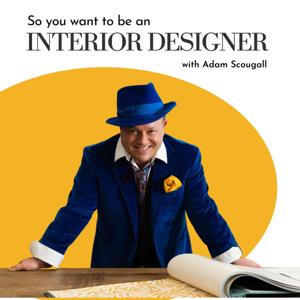


I spend a fair bit of time speaking with interior designers and decorators — not just for content, but to really understand what’s happening in the industry right now.
And here’s the truth… not much has changed since 2024.
In this 2026 update on design fees, I’m breaking down what designers are actually charging across different experience levels — from those just starting out to more established professionals — and why so many are still undercharging.
We’ll talk about:
I also share how I structure my own fees — from $250/hour design time to my $2,500 Two Hour Design Plan — and why clarity, outcomes, and delivery are what justify premium pricing.
Because here’s the thing…
If your service feels vague, your fees will always feel too high.
But when your offer is clear, structured, and outcome-driven?
Clients don’t question the investment.
If you’ve been second-guessing your pricing, this episode will challenge you to rethink what your time — and your expertise — is actually worth.
🔥 Want feedback on your pricing?
Email me: [email protected]
🎯 Take the Design Wheel of Life Quiz:
turnkeydesignsuccess.com/quiz
Wondering if you're charging enough?
Download my free Solo Designer Profit Guide™ and discover what interior designers are charging in 2026 based on 50+ research interviews across Australia, Canada and the USA. You'll also learn how to calculate the hourly rate YOU need to charge based on your own business, projects and financial goals—not someone else's.
Download your free copy:
turnkeydesignsuccess.com/profitguide
If this episode raised questions for you, or you’re feeling stuck in your solo design business, you don’t have to figure it out on your own.
I offer a 30-minute clarity session where we can talk through where you’re at, what’s getting in the way, and whether I can help.
Email me at [email protected]
Interior design looks like a dream career from the outside — beautiful spaces, creative freedom, and meaningful work with clients.
And it absolutely can be.
But there’s a side of this industry that doesn’t get talked about enough…
the reality of actually running a design business.
In this episode, I wanted to have a more honest, grounded conversation about what it really takes to build a successful solopreneur interior design business in 2026.
We talk through the key shifts that separate hobby designers from professionals — things like holding a clear vision, standing behind your process, and why implementation (not just ideas) is where real results happen.
I also share a story about one of my students that I think a lot of designers will see themselves in — especially if you’ve ever felt stuck in endless revisions or trying to keep everyone happy.
And we touch on the less glamorous side too — money, stability, and why having a part-time income stream might actually be one of the smartest moves you can make while building your business.
This isn’t about discouraging you — it’s about helping you go into this career with clarity, confidence, and the right expectations.
If you’ve ever asked yourself:
“Is this actually the right path for me?”
this episode will give you a lot to think about.
In this episode, we cover:
If you want a clearer picture of where you currently sit in your design business, you can take my Turnkey Designer Quiz here: www.turnkeydesignsuccess.com/quiz
If this episode raised questions for you, or you’re feeling stuck in your solo design business, you don’t have to figure it out on your own.
I offer a 30-minute clarity session where we can talk through where you’re at, what’s getting in the way, and whether I can help.
Email me at [email protected]
In this episode of Turnkey Design Talk, I’m sharing the three essentials that have made the biggest difference in my interior design business — not overnight, but over years of learning, refining, and sometimes getting it wrong.
Like many of you, I didn’t start out with a clear roadmap. I came into this industry later, while working a corporate job, figuring things out step by step — through conversations, observations, and real-life experience.
What I’ve realised is this: success in interior decorating isn’t about talent alone. It comes down to a few core fundamentals that, when done well, completely change how your projects run — and how profitable they become.
These aren’t “secrets” in the traditional sense. They’re the things most designers overlook or delay — and they’re often the reason projects feel messy, underpaid, or unfinished.
If you’re already working with clients but feel like things could be smoother, more structured, and more financially rewarding, this episode will give you a clear perspective on what actually matters.
If this episode raised questions for you, or you’re feeling stuck in your solo design business, you don’t have to figure it out on your own.
I offer a 30-minute clarity session where we can talk through where you’re at, what’s getting in the way, and whether I can help.
Email me at [email protected]
Interior design is a popular second career. Many people enter the industry in their 40s or 50s after working in other professions, often drawn to the creative side of design.
But running a design business is very different from studying interior design or completing a course.
In this episode, Adam shares a grounded perspective for anyone in the early stages of building a design business as a second career. Whether you’re considering making the leap or you’re already in the first few years of running projects, this conversation is designed to offer clarity about what actually matters.
Interior design is not just about creating beautiful spaces. It involves leadership, pricing confidence, managing clients, and building systems that allow projects to move from concept through to completion.
In this episode we discuss:
• Why starting later in life doesn’t mean you’re starting from zero
• Why systems matter early when running a design business
• The importance of being confident about how you charge
• Why finished, photographed projects are critical for building credibility
• Why clarity about your role and design focus accelerates progress
For designers in the early stages of their career — particularly those entering the industry as a second career — this episode offers a practical reality check on how the business side of interior design actually works.
If this episode raised questions for you, or you’re feeling stuck in your solo design business, you don’t have to figure it out on your own.
I offer a 30-minute clarity session where we can talk through where you’re at, what’s getting in the way, and whether I can help.
Email me at [email protected]
For years, I believed something many designers are told early in their careers: that the ultimate goal is to quit your job, go “all in,” and make interior design your full-time profession.
So at one point, I did exactly that.
In this episode, I’m sharing a very honest reflection on what happened when I followed that advice — and why the way I run my design life today looks very different from what I once imagined.
This is not a story about failure.
It’s a story about designing a career on your own terms.
I talk openly about the pressures of feast-or-famine income, the realities of creative work as a sole livelihood, and how I eventually built a model that allows me to keep designing while also maintaining stability, freedom, and creative enjoyment.
If you’ve ever wondered whether the “all in” path is the only legitimate one in the design world, this conversation might give you a new perspective.
Sometimes the smartest career move isn’t the one everyone else is telling you to make.
If this episode raised questions for you, or you’re feeling stuck in your solo design business, you don’t have to figure it out on your own.
I offer a 30-minute clarity session where we can talk through where you’re at, what’s getting in the way, and whether I can help.
Email me at [email protected]
In 2015, I was invited into a home because something didn’t feel right.
The renovation had already been completed. The kitchen was brand new. Modern. Crisp. Completely aligned with what the industry was promoting at the time.
But the homeowners couldn’t shake the feeling that something was off.
They weren’t asking for a kitchen review.
They were asking why their home no longer felt cohesive.
In this episode, I unpack what was really happening — how a space can be perfectly on trend and still disrupt the flow, warmth, and identity of a home.
We explore:
This isn’t about trend forecasting for 2026.
It’s about cohesion, context, and designing homes that feel integrated — not interrupted.
Because sometimes a room can be technically “right” and still not belong.
If this episode raised questions for you, or you’re feeling stuck in your solo design business, you don’t have to figure it out on your own.
I offer a 30-minute clarity session where we can talk through where you’re at, what’s getting in the way, and whether I can help.
Email me at [email protected]
In this episode of Turnkey Design Talk, I unpack what I call “The IKEA Problem” in interior design — the dangerous gap between delivering a concept and delivering a completed space.
Many designers operate in a design-only or hybrid service model. The concept is created. The drawings are issued. Selections are specified. And then the client manages the build, procurement, and installation.
On paper, it sounds efficient and flexible.
In practice, it often leads to blurred responsibility, drifting timelines, unpaid advisory work, compromised results — and a gradual erosion of professional authority.
Using the analogy of IKEA flat-pack furniture, I break down five specific mistakes designers make once the design phase ends:
If you’ve ever delivered drawings and quietly watched a project drift…
If you’re still answering site questions long after your design fee has been paid…
If you’re not consistently photographing finished work under your leadership…
This episode is for you.
Because authority isn’t built on dropping off design and wishing the client your best...
It’s built on finished spaces.
If this episode raised questions for you, or you’re feeling stuck in your solo design business, you don’t have to figure it out on your own.
I offer a 30-minute clarity session where we can talk through where you’re at, what’s getting in the way, and whether I can help.
Email me at [email protected]
Episode Overview – Turnkey Design Talk
In this episode of Turnkey Design Talk, I speak directly to interior designers and decorators who are already in the game — busy running projects, managing clients, and delivering on deadlines — but quietly wondering why the numbers still don’t add up.
This isn’t about getting started from scratch, motivation, or mindset. It’s about structure.
After 16 years in the industry and countless conversations with designers, one pattern keeps emerging: most designers don’t need more clients — they need to plug the leaks in their business.
I break down:
Through real-world examples, I show how these issues develop — not due to a lack of talent, but because of how responsibility, pricing, and boundaries are structured.
If you’ve ever felt exhausted, over-involved, or frustrated by the imbalance between your effort and your income, this episode will help you identify where the money is leaking — and why.
This is straight talk for designers who want a business that is:
.
If this episode raised questions for you, or you’re feeling stuck in your solo design business, you don’t have to figure it out on your own.
I offer a 30-minute clarity session where we can talk through where you’re at, what’s getting in the way, and whether I can help.
Email me at [email protected]
In this episode of Turnkey Design Talk, I speak directly to interior designers and decorators who are already in the game — already working, already busy — but quietly wondering why the numbers still don’t stack up.
This isn’t about getting started from scratch, and it’s not about motivation or mindset.
It’s about structure.
After 16 years in the industry and dozens of conversations with designers, one pattern shows up again and again:
most designers don’t need more clients — they need fewer leaks.
In this episode, I break down:
I share real-world examples from working designers to show how these issues develop — not because of lack of talent, but because of the way responsibility, pricing, and boundaries are structured.
If you’ve ever felt exhausted, over-involved, or frustrated by how much work you’re doing for the return you’re getting, this episode will help you identify where the money is leaking — and why.
This is a straight-talk episode for designers who want a business that is:
If this episode raised questions for you, or you’re feeling stuck in your solo design business, you don’t have to figure it out on your own.
I offer a 30-minute clarity session where we can talk through where you’re at, what’s getting in the way, and whether I can help.
Email me at [email protected]
In this episode of Turnkey Design Talk, I address one of the most common doubts I hear from interior designers and decorators — the belief that not having a design degree is the reason confidence feels shaky or clients question your expertise.
After speaking with dozens of designers who were already working in the industry, a clear pattern emerged. The issue wasn’t lack of talent or experience — it was uncertainty around positioning, process, and direction.
I share a real client story that shifted the conversation, explore when a design degree does make sense, and when it may not align with residential design work at all.
I also outline the key principles that helped me build a successful interior design business without going back to school — focusing on clarity, confidence, and finishing projects properly.
If you’ve been questioning whether more education is the answer, this episode will help you rethink what actually builds credibility in real-world interior design.
If this episode raised questions for you, or you’re feeling stuck in your solo design business, you don’t have to figure it out on your own.
I offer a 30-minute clarity session where we can talk through where you’re at, what’s getting in the way, and whether I can help.
Email me at [email protected]
From the publisher's feed
Hosted by interior designer Adam Scougall, Turnkey Design Talk is a podcast for solo interior designers and decorators who want to run calmer, more controlled businesses — and finish projects…
The show focuses on what actually makes the difference in a design career:
how projects are led, how boundaries are set, how decisions are made, and how work is brought to a confident, photo-worthy close.
This isn’t about trends or overnight success.
It’s about taking responsibility for the outcome — from the first client yes through to the final reveal.
If you care about delivering beautifully finished homes, creating genuine wow moments for your clients, and building a business that works on your terms, you’re in the right place.
https://www.instagram.com/adamscougall
| |