
Sign up to save your podcasts
Or

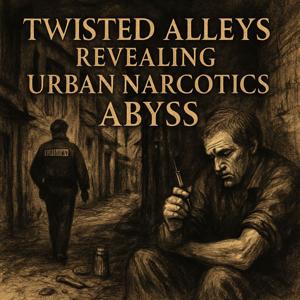


The introduction of synthetic fentanyl into street-level heroin markets created an unprecedented crisis that fundamentally altered dealer behavior, supply chain economics, and overdose mortality. This episode examines the precise moment when fentanyl began appearing in East Coast heroin supplies around 2013, tracing how a pharmaceutical opioid became the dominant adulterant across all major cities within five years. We interview a Boston-based harm reduction specialist who documents overdose patterns, a forensic toxicologist explaining fentanyl's lethal potency compared to heroin, and a reformed dealer who describes how fentanyl's unpredictability forced dealers to rethink dosing, packaging, and customer communication. The episode explores the economic incentive structure that made fentanyl irresistible to traffickers despite its extreme danger—a single kilogram can adulterate tons of heroin. We examine how this shift created new categories of accidental poisonings and forced law enforcement to develop entirely new interdiction strategies.
Hosted by Simplecast, an AdsWizz company. See pcm.adswizz.com for information about our collection and use of personal data for advertising.
Industrial districts across major cities contain hidden manufacturing sites where methamphetamine production operates with industrial-scale efficiency, often in plain sight. This episode reconstructs actual crime scenes from Chicago, Los Angeles, and Detroit through interviews with DEA raid coordinators and forensic chemists who documented these operations. We examine the chemical engineering required to produce multi-kilogram batches, the ventilation systems that mask toxic fumes, and the security protocols protecting these facilities from rival gangs and law enforcement. A reformed cook explains the daily logistics of running a production site—from acquiring pseudoephedrine precursors to managing volatile chemical reactions that frequently cause explosions and fires. The episode reveals why these warehouse operations became virtually impossible to shut down permanently.
Hosted by Simplecast, an AdsWizz company. See pcm.adswizz.com for information about our collection and use of personal data for advertising.
The rise of methamphetamine as the dominant hard drug in urban markets fundamentally reshaped organized crime infrastructure in the 21st century. This opening episode traces how meth's chemical accessibility and high profit margins displaced traditional heroin networks, creating a decentralized production model that overwhelmed law enforcement. We examine the shift from Mexican cartel-controlled supply chains to domestic basement labs, interview a retired DEA chemist about precursor smuggling networks, and explore why meth's neurotoxic properties made it uniquely suited to destabilizing entire communities. The episode establishes how this single substance became the economic engine driving contemporary urban drug markets.
Hosted by Simplecast, an AdsWizz company. See pcm.adswizz.com for information about our collection and use of personal data for advertising.
From the publisher's feed