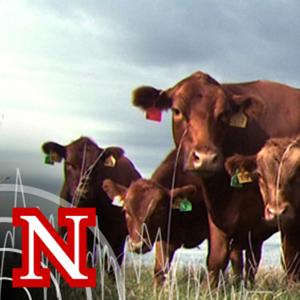
Larkspur is a native plant found on rangelands in western Nebraska as well as area states. It contains alkaloids that when consumed by cattle can cause death. Conditions that elveate risk for cattle grazing and strategies to reduce poisoning are discussed.
Strategic placement of supplement as well as virtual and temporary fence can be used with cattle to consume greater amounts of cheatgrass forage left from the growing season. This practice encourages cattle utilization of cheatgrass while reducing fine fuels that can contribute to wildfire risk.
Increased profitability will provide many ranchers the opportunity to reinvest capital back into the operation this year. A thought process for evaluating where to invest is discussed.
While these two disease have similar symptoms, they are actually caused by different bacteria. Recognizing the differences and how it can impact whether or not affected animals should be kept is discussed.
The greater availability of wet distillers grains in the summer offers the opportunity to store it for fall and winter feeding. Options on how to store are discussed.
High temperatures and humidity are stressful to especially cattle in drylots and feedyards. Using air flow, water and shade as methods to reduce heat stress are discussed.
Understanding and comparing all of the costs of harvesting and storage as well as the value of nutrients in a corn crop allows for accurately comparing and pricing the options of harvesting it as silage or as grain.
Foot rot is a common cause for lameness in cattle, but there are other sources as well. Recognizing the common signs of foot rot and steps for working with a veterinarian to develop a treatment plan for lamness is discussed.