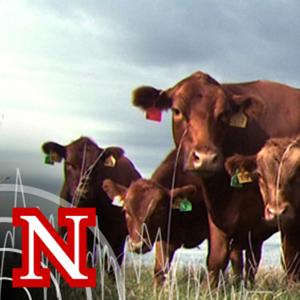
The genetic potential for milk production for a majority of beef breeds has dramatically increased over the last 40 years. With increased milk production potential comes increased nutrient requirements. Research looking at levels of milk production and impacts of that is discussed.
Reducing stocking rate and adjusting timing of use are practices than can help to support pasture plant health and vigor, positioning plants to recover when drought conditions break.
Dry conditions last year have extended into this year and will impact forage production on range and pasture. Using trigger dates with a drought plan can help ensure timely execution of decisions.
This research project compared late summer calving cows which were dry lotted in late spring and summer to traditional spring calving cows grazing pasture in the spring and summer and corn residue in the late fall and winter.
In 2021 over 75 percent of the beef semen used in the United States was on dairy cows. The reasons behind these changes and the outlook going forward is discussed
Nebraska Ranch Practicum coordinator Troy Walz discusses the upcoming 2022 course, the experiences participants will have as well as how to find more information and register.
New restrictions on the purchase and use of certain antibiotics are going to have an impact on many livestock producers. Dr. Becky Funk and Jesse Fulton discuss the timeline for these restrictions and how producer can prepare now for these changes.
A significant amount of calf loss occurs in the first month after birth. Strategic management practices can help to ensure calves have a great start, laying a foundaton for health and performance throughout their lives.