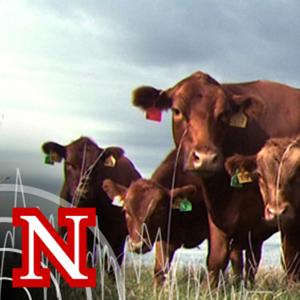
How do cattle contribute to green house gas emissions? University of Nebraska researchers describe what is currently known and future research that will further enhance this knowledge.
Much of the winter cold weather may be past, but extended periods of wet and cold events can still impact cattle. Understanding the factors that contribute to and ways to mitigate cold stress are discussed
The University of Nebraska has received a signficant grant to conduct fundamental research on energy use in cattle, examining diet, genetics and rumen microorganisms and how those interact with each other to impact methane emissions in cattle.
A feedlot study compared FerAppease applied to yearling beef steers at initial processing and reimplant to a placebo on cattle health, feeding performance and carcass characteristics.
Owen Williams from near Elk Mountain Wyoming shares how they are using virtual fence technology on the Double 8 Ranch for grazing riparian areas, irrigated meadows, public lands and cornstalks in the winter.
Cows in late gestation have nutrient requirements that are ramping up quickly while the quality compenents of corn residue have frequently declined in availability. Understanding these circumstance can help producers strategically provide what is needed to met nutrition needs.
Research by Dr. Lalman at Oklahoma State University is showing that there is significant difference in forage intake and performance of heifers fed long stem grass hay. Dr. Laman discusses how producers might use this information in developing and selecting heifers that fit available resources.