
Sign up to save your podcasts
Or


In 2018, the U.S. unilaterally withdrew from the nuclear deal with Iran, but if you follow mainstream media you’d think Iran was responsible for the deal’s collapse. In the recent seventh round of negotiations to restore the deal, the U.S. government added new sanctions on Iran while Biden was urged to “restore Iran’s fear” with military build-ups. Meanwhile, Israel continues to threaten war.
But how do Iranians see all this? Here to explain is Prof. Mohammad Marandi, an advisor to the Iranian negotiating team in Vienna and a Professor of English Literature and Orientalism at the University of Tehran.
 View all episodes
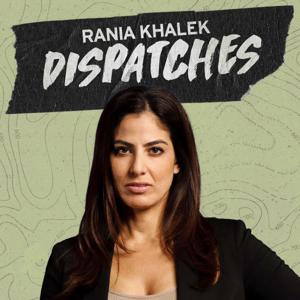
 By Rania Khalek

4.9
220220 ratings
In 2018, the U.S. unilaterally withdrew from the nuclear deal with Iran, but if you follow mainstream media you’d think Iran was responsible for the deal’s collapse. In the recent seventh round of negotiations to restore the deal, the U.S. government added new sanctions on Iran while Biden was urged to “restore Iran’s fear” with military build-ups. Meanwhile, Israel continues to threaten war.
But how do Iranians see all this? Here to explain is Prof. Mohammad Marandi, an advisor to the Iranian negotiating team in Vienna and a Professor of English Literature and Orientalism at the University of Tehran.

1,985 Listeners

1,853 Listeners
1,514 Listeners
3,316 Listeners
4,457 Listeners
1,007 Listeners
2,702 Listeners
557 Listeners
908 Listeners

473 Listeners
1,483 Listeners

994 Listeners
311 Listeners
344 Listeners

462 Listeners