
Sign up to save your podcasts
Or

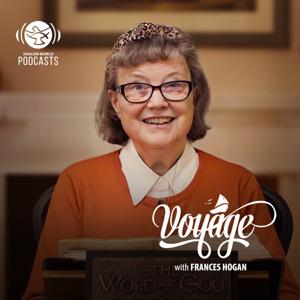


God blesses Jacob, also known as Israel, once he returns to the place of obedience, Bethel. Irish Scripture Scholar Frances Hogan speaks about 3 major events in the life of Jacob as written in Chapter 35 of the Book of Genesis. Jacob receives a visitation from God, who reaffirms his new name and reminds him of the power and sufficiency of God Almighty. Jacob is instructed to be fruitful and multiply, as he is the patriarch of the people of God. He is promised that nations and kings will come from his descendants and that the land promised to Abraham and Isaac will be given to him and his descendants.
After this encounter with God, tragedy strikes Jacob's life as his beloved wife Rachel dies while giving birth to their son Benjamin. Following Rachel's death, Jacob's father Isaac also passes away; these events sever Jacob's connections to his past. Jacob is now alone, carrying the torch into the future as the sole remaining patriarch.
Chapter 36 delves into the genealogy of Esau and reflects on the future history of the Edomites. The focus then shifts to Joseph, the link between Genesis and Exodus; his exceptional qualities, and his deep relationship with God from a young age. Joseph's brothers harbored jealousy and hatred toward him, leading to a series of events that unfold in Joseph's life. Parallels are drawn between Joseph's life and the life of Christ, emphasizing how Joseph prefigures Christ in the Book of Genesis. Joseph's unwavering faithfulness and ability to serve in various positions of authority are also compared to Christ's humility and servant-heartedness.
Bible References:
Irish Scripture Scholar Frances Hogan takes you through the origin story of God’s people shown to us in the Book of Genesis. Here is an opportunity to explore the early history of God’s people. With historical and Scriptural references, each session will open your eyes to the mystery of God’s creation.
Frances Hogan: https://www.franceshogan.com/
Shalom World: https://www.shalomworld.org
Support us: https://shalomworld.org/donate
Instagram: https://www.instagram.com/shalomworldpodcasts/
The twin brothers, Jacob and Esau, meet, after twenty years apart; though this was Jacob’s biggest fear, God intervenes and softens Esau’s heart. Irish Scripture Scholar Frances Hogan explains the meeting as written in Chapter 33 of the Book of Genesis. Jacob, aware of the consequences of his past actions, divides his wives and concubines based on his affections. Despite his fear, Jacob humbles himself before Esau, bowing down and showing submission; this act of humility proves significant, as it communicates Jacob's changed character and sets the stage for reconciliation.
Jacob and his household continue their journey to Bethel, however, they live in Shechem for a short period of time. In Chapter 34, we see that Jacob’s family faces a tragic incident in Shechem, where Jacob's daughter Dinah is raped by a local prince. Jacob's older sons, Simeon and Levi, respond to the offense with deceitful intentions. When the King and prince come asking for Dinah’s hand in marriage, Simeon and Levi, propose that the men of Shechem should be circumcised, aiming to avenge their sister's honor but intending to massacre them instead; they killed the men, took the women and the children as slaves and they plundered the city.
After the distressing incident in Shechem, God instructs Jacob to go to Bethel, where he is to build an altar and worship Him. Sensing the need for purification, Jacob commands his household to put away their foreign gods and purify themselves. As written in Chapter 35, they comply by giving Jacob all their idols and earrings, symbolizing their commitment to worshiping the one true God. Jacob purifies his household and builds an altar, symbolizing their commitment to worshiping God alone. God appears to Jacob, reaffirming His covenant, renaming him Israel, and blessing him with promises of descendants and land.
Bible References:
Irish Scripture Scholar Frances Hogan takes you through the origin story of God’s people shown to us in the Book of Genesis. Here is an opportunity to explore the early history of God’s people. With historical and Scriptural references, each session will open your eyes to the mystery of God’s creation.
Frances Hogan: https://www.franceshogan.com/
Shalom World: https://www.shalomworld.org
Support us: https://shalomworld.org/donate
Instagram: https://www.instagram.com/shalomworldpodcasts/
Chapter 32 of the Book of Genesis deals with Jacob facing his second and greatest fear - meeting his twin brother Esau. Irish Scripture Scholar Frances Hogan explains that Jacob harbors great fear and guilt due to his past actions against his twin brother, including deceiving him and stealing his birthright and blessing. Jacob's fear is not solely based on the possibility of physical harm from Esau, but rather on facing the consequences of his own actions and the emotional fallout resulting from them. Despite his fear, Jacob experiences a revelation from God. Jacob realizes that God has been protecting him and his family through the presence of angels, but his fear prevents him from fully trusting God.
Jacob resorts to his old ways of plotting, attempting to win his brother's favor by sending lavish gifts ahead of their meeting. Jacob's unease is further heightened when he learns that Esau is approaching with 400 men, which he interprets as a potential army coming to attack him and his family. In his desperation, Jacob divides his entourage into two groups, hoping that if one is attacked, the other might survive. Jacob's fear leads him to cry out to God, seeking deliverance and protection for himself, his family, and his descendants.
In a pivotal moment, Jacob is left alone and wrestles with a Man, later revealed to be the Lord. Jacob's struggle represents the ongoing wrestle between God and His chosen people throughout history. In the midst of the struggle, the man dislocates Jacob's hip, rendering him powerless. Jacob clings to the Lord, pleading for a blessing, and the Lord grants it. Jacob is blessed and given the name Israel, symbolizing a new level of living and repentance.
Bible References:
Irish Scripture Scholar Frances Hogan takes you through the origin story of God’s people shown to us in the Book of Genesis. Here is an opportunity to explore the early history of God’s people. With historical and Scriptural references, each session will open your eyes to the mystery of God’s creation.
Frances Hogan: https://www.franceshogan.com/
Shalom World: https://www.shalomworld.org
Support us: https://shalomworld.org/donate
Instagram: https://www.instagram.com/shalomworldpodcasts/
Chapter 31 of the Book of Genesis focuses on Jacob fleeing from his uncle Laban, and returning to the promised land. Irish Scripture Scholar Frances Hogan explains that Jacob is no longer a poverty-stricken fugitive; he is a wealthy man with wives, children, and animals to accompany him on his journey.
The catalyst for Jacob's departure is the realization that Laban's sons were envious of his increasing prosperity. We see connections to the New Testament, highlighting how envy, strife, and divisions are characteristics of a carnal lifestyle. It emphasizes the importance of dealing with envy and striving for unity and love. Jacob's departure from Laban is seen as a necessary step for him to establish his own path and set things right for himself.
God's continued presence and protection throughout Jacob's journey. Although Jacob's prayers are not explicitly mentioned, it is implied that God is watching over him as the chosen patriarch. Jacob confronts and defends himself against Laban’smistreatment, asserting that he did not steal from Laban but acted with justice and generosity. Jacob sets up a pillar as a physical and symbolic border, signifying separation from Laban and his past. Jacob chooses to move forward, trusting in God's protection and provision.
Bible References:
Irish Scripture Scholar Frances Hogan takes you through the origin story of God’s people shown to us in the Book of Genesis. Here is an opportunity to explore the early history of God’s people. With historical and Scriptural references, each session will open your eyes to the mystery of God’s creation.
Frances Hogan: https://www.franceshogan.com/
Shalom World: https://www.shalomworld.org
Support us: https://shalomworld.org/donate
Instagram: https://www.instagram.com/shalomworldpodcasts/
We explore Chapter 30 of the Book of Genesis explores the intense rivalry between the two sisters, who are both wives of Jacob. Irish Scripture Scholar Frances Hogan delves into the intricate dynamics between Jacob, Rachel, Leah, and their maids, and the battle they engage in to win Jacob's favor and bear him children.
The prophetic significance of the names given to the twelve sons of Jacob, born through his wives Leah, Rachel, Bilhah, and Zilpah is emphasized. Although the mothers were unaware of the prophetic nature behind their choice of names, God orchestrated the situation, knowing that these sons would become the heads of the twelve tribes of Israel. The names spoken by the mothers unknowingly played a crucial role in the formation of Israel's future leadership.
Jacob decides it is time to return to his homeland after the birth of Joseph, his 11th son. He realizes that he does not belong in Syria and that he needs to secure his own future and inheritance. Jacob makes a new agreement with his uncle Laban, this time asserting his authority and ensuring that he will not remain a hired servant. Jacob's maturity and a growing sense of responsibility are evident as he prepares to become the third patriarch and pass on the blessing of Abraham to his children in the land God has chosen.
In Chapter 31, Jacob realizes that Laban's sons envy him and that he is no longer welcome in the land. Jacob decides it is time to leave, but he struggles with fear and deceit. He overcomes these challenges by placing his trust in God and embarks on the journey back to his homeland.
Bible References:
Irish Scripture Scholar Frances Hogan takes you through the origin story of God’s people shown to us in the Book of Genesis. Here is an opportunity to explore the early history of God’s people. With historical and Scriptural references, each session will open your eyes to the mystery of God’s creation.
Frances Hogan: https://www.franceshogan.com/
Shalom World: https://www.shalomworld.org
Support us: https://shalomworld.org/donate
Instagram: https://www.instagram.com/shalomworldpodcasts/
Irish Scripture Scholar Frances Hogan delves into the story of Jacob, highlighting the divine appointments and Providence of God in his journey as written in Chapter 29 of the Book of Genesis. there are no chance meetings when God is involved and we see this when Jacob unexpectedly arrives at the exact well where Rachel is going.
Laban, Jacob's uncle, allows him to stay as a guest for a month, knowing that Jacob will inherit wealth upon his father Isaac's death. Laban's motive is to benefit from Jacob's future riches, leading to a longer stay than usual for a weary traveler. Jacob, deeply in love with Rachel, offers to work for seven years without pay to marry her. Laban, however, deceives Jacob by giving him Leah instead. This introduces the theme of polygamy and the complications it brings. Jacob's love for Rachel remains unrequited, and Leah experiences the pain of being used and unloved.
Life may not go as planned, but God's plan is greater. Jacob's experiences and challenges are part of his training and growth, teaching him to accept that life doesn't always follow his desires. His journey taught him to trust in God's guidance, express gratitude and prayer, wait patiently for God's timing, understand the consequences of his actions, and practice love and equality in his relationships. Jacob's journey will continue, and his relationship with God will evolve as he navigates the difficulties and lessons that lie ahead.
Bible References:
Gen. 29:17 - Description of Leah
Luke 15 - Parable of the Prodigal Son
Gen. 29:21-25 - At the end of 7 years, Jacob asks for his wife
Rom. 8:28 - God works everything for the good of those who love Him
Gen. 29:26-30 - Jacob asks Laban for the woman he worked to marry
Is. 40:31 - They who wait on the Lord shall mount up with wings…
Hosea 8:7 - Sow the wind, reap the whirlwind
John 4:38, 2 Cor. 9:6, Gal. 6:7-8 - Reap what you sow
Prov. 3:5-6 - Trust in the Lord with all your heart
Irish Scripture Scholar Frances Hogan takes you through the origin story of God’s people shown to us in the Book of Genesis. Here is an opportunity to explore the early history of God’s people. With historical and Scriptural references, each session will open your eyes to the mystery of God’s creation.
Frances Hogan: https://www.franceshogan.com/
Shalom World: https://www.shalomworld.org
Support us: https://shalomworld.org/donate
Instagram: https://www.instagram.com/shalomworldpodcasts/
In Chapter 27 of the Book of Genesis, Esau discovers Jacob's deceit regarding their father Isaac's blessing; this leads to a deep enmity between them. Isaac's old age and eventual death further emphasize the consequences of their deceitful actions. Irish Scripture Scholar Frances Hogan delves into the profound implications of deceit and the wide-ranging consequences of Esau's choice to give up his birthright.
In Chapter 28, Isaac blesses Jacob and sends him away from the Promised Land to find a wife. We witness the beginning of Jacob's relationship with God and his need for deeper understanding and trust. God speaks to Jacob, reaffirming His role as the God of Abraham and Isaac, and promising to give the land to Jacob and his descendants. Jacob recognizes the significance of this encounter, declares the place as the house of God and the gateway to heaven, and renames it Bethel.
Jacob's encounter with God marks a pivotal moment in his life. He realizes that God is not limited to a specific place but is present everywhere. Although Jacob seeks reassurance through a conditional vow, it highlights his need for further spiritual growth and surrender. Jacob's journey is just beginning, and he will undergo trials and lessons to become a man of God, shaped by His transformative work.
Bible References:
Irish Scripture Scholar Frances Hogan takes you through the origin story of God’s people shown to us in the Book of Genesis. Here is an opportunity to explore the early history of God’s people. With historical and Scriptural references, each session will open your eyes to the mystery of God’s creation.
Frances Hogan: https://www.franceshogan.com/
Shalom World: https://www.shalomworld.org
Support us: https://shalomworld.org/donate
Instagram: https://www.instagram.com/shalomworldpodcasts/
Isaac, the inheritor from Abraham, must pass on the blessing to his sons, but he faces a problem because his twin sons, Esau and Jacob, are born very close in age. Irish Scripture Scholar Frances Hogan focuses on Chapter 27 of the Book of Genesis and the events in the life of Jacob highlighting the flawed behavior and lack of trust exhibited by Rebecca, Jacob, Isaac, and Esau.
Before their birth, it was prophesied to Rebecca that both Esau and Jacob represent two nations or two types of people. Esau grows up to be a worldly and violent man, deviating from the faith of Abraham, while Jacob, from an early age, desires the birthright and blessing, believing that he is destined to be the next patriarch. With the assistance of his mother, Rebecca, Jacob successfully carries out a deception. Their actions reflect their self-interest and disregard for God's will. The consequences of their deceitful actions will later unfold, leading to a series of negative outcomes.
Their actions reveal a family filled with dysfunction and personal agendas, rather than a focus on the well-being of the family and obedience to God's will. In spite of what all four of them have done God's blessing went to the person who was chosen even though they are not behaving on their own accord. This story serves as a reminder of the importance of trusting in God's guidance and the potential consequences of straying from His path.
Bible References:
Irish Scripture Scholar Frances Hogan takes you through the origin story of God’s people shown to us in the Book of Genesis. Here is an opportunity to explore the early history of God’s people. With historical and Scriptural references, each session will open your eyes to the mystery of God’s creation.
Frances Hogan: https://www.franceshogan.com/
Shalom World: https://www.shalomworld.org
Support us: https://shalomworld.org/donate
Instagram: https://www.instagram.com/shalomworldpodcasts/
Abraham is determined to find a suitable wife for his son Isaac, who would carry the promises of God; he sends his chief steward, Eliezer, on a lengthy journey of about 7,000 miles to find a wife from Abraham's own family. Irish Scripture Scholar Frances Hogan continues to explain Chapter 24 of the Book of Genesis which shows us the obedience of Eliezer and Rebecca to God’s will.
As Rebecca departs, her family blesses her, recognizing that this marriage is part of God's plan. They bless her with the hope that she becomes the mother of thousands and achieves victory in all her endeavors. On the other end, Isaac, who has been in a contemplative state following the sacrifice of his mother and his own dedication to God's will, is seen meditating near a well associated with Hagar's encounter with the Lord. Instead of an angel appearing to Isaac, a caravan carrying Rebecca approaches. The moment they lay eyes on each other is described as love at first sight. Eliezer's role in finding Issac’s bride draws parallels to the New Testament where the Holy Spirit gathers the Bride of Christ, the Church.
Chapter 25 of the Book of Genesis shows us the last days of Abraham. Despite being 100 years old when Isaac was born, Abraham starts a new family with Keturah, having six sons who become heads of tribes. However, Abraham ensures that Isaac remains the sole inheritor of his possessions and blessings, giving gifts to his other sons and sending them away. Abraham's life is described as fruitful and eventful, leaving a lasting impact. After his death, Isaac and Ishmael bury their father with great honor, and Isaac is blessed by God as the successor.
Bible References:
Irish Scripture Scholar Frances Hogan takes you through the origin story of God’s people shown to us in the Book of Genesis. Here is an opportunity to explore the early history of God’s people. With historical and Scriptural references, each session will open your eyes to the mystery of God’s creation.
Frances Hogan: https://www.franceshogan.com/
Shalom World: https://www.shalomworld.org
Support us: https://shalomworld.org/donate
Instagram: https://www.instagram.com/shalomworldpodcasts/
In the Book of Genesis, Chapter 22 reveals important insights into the lineage of Abraham and Rebecca. The subsequent chapters, explained by Irish Scripture Scholar Frances Hogan, explore the events that followed the death of Sarah and Abraham's quest to find a bride for their son Isaac. Chapter 24 is particularly crucial, as it chronicles Isaac's marriage. Since all of Abraham's promises are vested in Isaac, his marriage is essential for the fulfillment of the Messiah as the seed of the woman.
Eliezer, the servant of Abraham, is given the responsibility of finding a bride for Isaac, and because he relies on God, he is successful in this endeavor. He travels 7,000 miles to find a woman with the same genetics as Abraham and prays for God's guidance along the way. At a well, he encounters Rebecca, who offers to not only give him water but also feed his camels, which he sees as a sign from God that she is the right woman for Isaac.
We also hear about the mysteries and prophecies attached to this scenario concerning Jesus and the Church in the New Testament.
Bible References:
Irish Scripture Scholar Frances Hogan takes you through the origin story of God’s people shown to us in the Book of Genesis. Here is an opportunity to explore the early history of God’s people. With historical and Scriptural references, each session will open your eyes to the mystery of God’s creation.
Frances Hogan: https://www.franceshogan.com/
Shalom World: https://www.shalomworld.org
Support us: https://shalomworld.org/donate
Instagram: https://www.instagram.com/shalomworldpodcasts/
From the publisher's feed
A Journey through the Book of Revelation
Why did St. John write the Book of Revelation at a time when Christians were being persecuted? What was the important message he had for the church? Why is it important for us to know what St. John had to say? Welcome to the opportunity to learn about the Book of Revelation; the last book of the Bible.Renowned Scripture scholar, Frances Hogan, explains it all. Join us, from Monday-Friday, and discover the mysteries hidden in the Book of Revelation on Shalom World’s ‘Voyage’.With references to historical time periods and prophecies from various texts in the Bible, Frances Hogan, expounds on this book of consolation and comfort to those being persecuted.The Book of Revelation tells us of the Great Ending and the even greater Beginning.

65,436 Listeners
0 Listeners
0 Listeners
0 Listeners

0 Listeners

0 Listeners

0 Listeners

0 Listeners
0 Listeners

0 Listeners
0 Listeners
0 Listeners

0 Listeners
0 Listeners
0 Listeners
0 Listeners
0 Listeners
0 Listeners
0 Listeners
0 Listeners