
Sign up to save your podcasts
Or

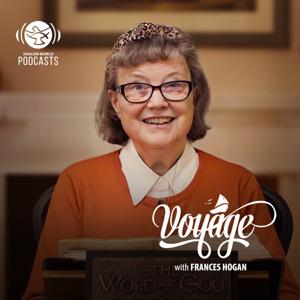


Irish Scripture Scholar Frances Hogan discusses Chapter 22 of the Book of Genesis, which details God's test of Abraham's faith. God instructs Abraham to sacrifice his beloved son, Isaac, and Abraham complies until God intervenes and provides a ram for the sacrifice instead. We also learn about the profound parallels between God's call for Abraham to sacrifice Isaac on Mount Moriah and Jesus' redemptive sacrifice on Mount Calvary. This highlights the importance of a victim of expiation to save humanity
The attention should also be given to Isaac in this story, who is willing to offer himself to God completely. The cost of offering oneself completely to God is discussed, and the physical evidence of God's power is demonstrated through Isaac's miraculous birth. The location of the sacrifice, the land of Moriah, is later known as Jerusalem, and one of the mountains of Moriah, Calvary, is where Jesus is sacrificed for the Redemption of the whole world.
Abraham obediently takes his son Isaac to the mountains of Moriah to sacrifice him as God commanded. Isaac does not resist, but God ultimately provides a ram for the sacrifice instead. Here we see the importance of surrendering one's heart and life to God and not clinging to possessions or loved ones. Abraham's willingness to sacrifice his son shows his complete faith in God, and as a result, God blesses him and promises to multiply his descendants.
Bible References:
Irish Scripture Scholar Frances Hogan takes you through the origin story of God’s people shown to us in the Book of Genesis. Here is an opportunity to explore the early history of God’s people. With historical and Scriptural references, each session will open your eyes to the mystery of God’s creation.
Frances Hogan: https://www.franceshogan.com/
Shalom World: https://www.shalomworld.org
Support us: https://shalomworld.org/donate
Instagram: https://www.instagram.com/shalomworldpodcasts/
The birth of Isaac is important for the history of salvation and the revelation of who God is. Irish Scripture Scholar Frances Hogan speaks about the child that was promised by God to Abraham and Sarah in their old age. God had a plan to fulfill His promise of a chosen people, and it was through Abraham and Sarah that the seed was to come, not through anyone else. The child was named Isaac, which means laughter because both Abraham and Sarah had laughed in disbelief when they first heard the promise. Isaac was the first of the chosen people to be born in the promised land, and he was circumcised on the eighth day.
God had a special relationship with Abraham and Sarah, teaching them to believe in Him, trust Him, and allow Him to be their God, El Shaddai. God fulfilled His promise to Abraham and Sarah by miraculously allowing them to have a son named Isaac. Through this miraculous event, God was revealed to the nation as a powerful and faithful God who keeps His promises. Abraham and Sarah had to wait 25 years for the promise to be fulfilled, and the child's birth is a testament to God's power and victory over Satan's temptations. God is never in a hurry but he's always on time this was just the right time and so the result is that Abraham and his sons and his descendants forever will know God is Almighty.
Bible References:
Gen. 21:4 - Isaac, the first of the chosen people, was circumcised on the eighth day.
Gen. 21:7 - “Who would have said to Abraham that Sarah would nurse children”
Gen. 12:2 - Abraham was told that he would become a great nation
Gen. 13:16 - descendants would be like the dust of the Earth
Gen. 15:2-3 - Huge trial to Abraham and to Sarah
Josh. 2:9-11 and Josh. 9:9-10 - God reveals Himself to everybody
1 Tim. 2:4 - God wants everyone to be saved
John 1:14 - God is the word that became incarnate
Gen. 3:15 and Is. 7:14 - Isaac and Jesus in parallel to each other
Gal. 4:4 - “When the time had fully come…”
Gen. 21:8-12 - Final dismissal of Hagar and Ishmael
Gen. 21:14-21 - God hears the voice of the boy
Gen. 21:22-34 - Abraham meets Abimelech
Irish Scripture Scholar Frances Hogan takes you through the origin story of God’s people shown to us in the Book of Genesis. Here is an opportunity to explore the early history of God’s people. With historical and Scriptural references, each session will open your eyes to the mystery of God’s creation.
Frances Hogan: https://www.franceshogan.com/
Shalom World: https://www.shalomworld.org
Support us: https://shalomworld.org/donate
Instagram: https://www.instagram.com/shalomworldpodcasts/
Continuing her discussion on Chapter 19 of the Book of Genesis, Irish Scripture Scholar Frances Hogan speaks about the sequel to the destruction of Sodom and Gomorrah. The news of Sodom and Gomorrah shocked the world. Everybody in the region knew what happened to Sodom and Gomorrah because of their wickedness. In Chapter 20, the focus then shifts back to Abraham and his wife Sarah, who moves to the city of Gerar where Abraham fears for her safety due to her attractiveness.
Abimelech, the king of Gerar, is warned by God not to touch Sarah as she is a married woman. Abimelech restores Sarah to Abraham and his position as a prophet is emphasized, highlighting the power of his prayer and intercession with God. Abimelech is depicted as a man with great generosity, justice, and fear of God, despite not being one of the chosen people.
God protects Sarah from harm when Abraham fails to do so. Abraham, despite having a relationship with God, behaves like an ordinary person in mundane situations. The contradiction in human nature is that people may worship God but behave at a natural level instead of a supernatural level where they allow God to intervene in all aspects of their lives. Abraham and Sarah carry the promise of a great future, but they see themselves in a very ordinary way, which makes them vulnerable. God wants everybody to be saved and to reach the fullness of life, and he doesn't want to destroy anyone.
Bible References:
Gen. 19:30 - Lot went up to Zoar
Gen. 19:36 - Both the daughters of Lot were with child
Gen. 20:1-2 - Abraham says that Sarah is his sister
Gen. 20:3-4 - Abimelech’s dream
Gen. 20:7 - God said that Abraham is a prophet
Gen. 20:9 - A great sin
Gen. 20:11-13 - Abraham feared that there would be no fear of God
Gen. 20:16 - Thousand pieces of silver
Irish Scripture Scholar Frances Hogan takes you through the origin story of God’s people shown to us in the Book of Genesis. Here is an opportunity to explore the early history of God’s people. With historical and Scriptural references, each session will open your eyes to the mystery of God’s creation.
Frances Hogan: https://www.franceshogan.com/
Shalom World: https://www.shalomworld.org
Support us: https://shalomworld.org/donate
Instagram: https://www.instagram.com/shalomworldpodcasts/
Chapter 19 of the Book of Genesis reveals the wickedness that was prevalent in Sodom and why two angels were sent to deal with it. Irish Scripture Scholar Frances Hogan discusses the importance of separating ourselves from evil, sin, and immorality. The sinfulness of Sodom is displayed when the entire population, both young and old, surround Lot's house and demand that he hand over the two angels staying with him so that they can engage in sexual acts with them. This is a deadly sin of lust that degrades all human beings and prioritizes pleasure over all other aspects.
Lot was hesitant to leave the city and his heart had not changed, as he was still caught up in his selfish desires. However, the angels showed respect towards Lot and his family, taking them by the hand to safety. They were saved from the wrath of God that fell upon Sodom not because of their own goodness, but because of Abraham's intercession.
Bible References:
Irish Scripture Scholar Frances Hogan takes you through the origin story of God’s people shown to us in the Book of Genesis. Here is an opportunity to explore the early history of God’s people. With historical and Scriptural references, each session will open your eyes to the mystery of God’s creation.
Frances Hogan: https://www.franceshogan.com/
Shalom World: https://www.shalomworld.org
Support us: https://shalomworld.org/donate
Instagram: https://www.instagram.com/shalomworldpodcasts/
Continuing in Chapter 18 of the Book of Genesis, Irish Scripture Scholar Frances Hogan explains the marvelous moment when “three men” come to visit Abraham. Abraham sees them and recognizes the presence of God. Scholars have interpreted these three men in different ways but could one of them be the pre-incarnated Christ?
The intercession for Sodom involves the five towns in the plain that had rebelled against God in chapter 14. Abraham, as the first prophet, was told ahead of time about God's plan and given the responsibility to intercede for the people. The Lord reveals to Abraham His plan to bring judgment upon Sodom and Gomorrah because of their grave sin and outcry against them. Sin rises up from the Earth and is sent back as chastisement.
Abraham’s negotiation with God in the Old Testament teaches us the importance of interceding and praying for others, as the power of even one truly committed person can have a massive effect on the world and prevent judgment and destruction.
Bible References:
Irish Scripture Scholar Frances Hogan takes you through the origin story of God’s people shown to us in the Book of Genesis. Here is an opportunity to explore the early history of God’s people. With historical and Scriptural references, each session will open your eyes to the mystery of God’s creation.
Frances Hogan: https://www.franceshogan.com/
Shalom World: https://www.shalomworld.org
Support us: https://shalomworld.org/donate
Instagram: https://www.instagram.com/shalomworldpodcasts/
Abram had to wait 13 years before God would reveal Himself to him again, and God says to him: “I am El Shaddai.” In Chapter 17 of the Book of Genesis, we see that God restarts the relationship with Abraham despite the mistakes Abraham makes; Irish Scripture Scholar Frances Hogan explains that God is very patient even though we have stopped being patient with Him. God reveals who He is to Abram and changes his name from Abram to Abraham and Sarai to Sarah, indicating a new mission and calling from God. Abraham’s real fruitfulness will be on the spiritual plane; he will be the father of all who believe and the originator of monotheism on earth.
We also see the significance of circumcision as a sign of the covenant between God and Abraham's descendants in the Old Testament, and how it has evolved into a spiritual sign of cutting sin out of our lives in the New Testament through baptism, which is not limited to any specific genetic line or background. God tells Abraham that Sarah will have a son despite her old age; this child of promise will carry God’s Covenant and his bloodline down the generations.
Bible References:
Irish Scripture Scholar Frances Hogan takes you through the origin story of God’s people shown to us in the Book of Genesis. Here is an opportunity to explore the early history of God’s people. With historical and Scriptural references, each session will open your eyes to the mystery of God’s creation.
Frances Hogan: https://www.franceshogan.com/
Shalom World: https://www.shalomworld.org
Support us: https://shalomworld.org/donate
Instagram: https://www.instagram.com/shalomworldpodcasts/
The Book of Genesis portrays a shift in Abram's character between Chapters 15 and 16; he goes from being a man of God to an ordinary human being of his time. Irish Scripture Scholar Frances Hogan explains that despite receiving an extraordinary message from God that he will have a child with Sarah, his actions indicate a lack of trust in God. Abraham didn't obey God and didn't consult Him before trying to have a child with Sarah's servant, Hagar.
Waiting for God's timing is essential, as God tests people to determine if their love and hope are genuine. Abraham faced several tests, such as trusting God on a long journey to Canaan and waiting patiently for a son at an old age. God met Hagar in the wilderness in her time of distress. The story of Hagar emphasizes that God will seek us out and care for us in our distress, and God's plan will be fulfilled despite unexpected circumstances.
In Chapter 17 of the book, the sign of the Covenant is introduced. The text reminds us that there is a difference between the statement of faith and the action of faith, as demonstrated by Abraham's prolonged journey and the apostles' struggles with their beliefs. The delay in God's response to prayers is often attributed to Him waiting for a positive request rather than a negative complaint. God's delay can also be seen as preparation for something greater, such as the 430 years of preparation before Moses was ready to lead the Israelites out of Egypt, or the 2,000-year delay before the second coming of Jesus, during which God is patiently waiting for everyone to come to repentance.
Bible References:
Irish Scripture Scholar Frances Hogan takes you through the origin story of God’s people shown to us in the Book of Genesis. Here is an opportunity to explore the early history of God’s people. With historical and Scriptural references, each session will open your eyes to the mystery of God’s creation.
Frances Hogan: https://www.franceshogan.com/
Shalom World: https://www.shalomworld.org
Support us: https://shalomworld.org/donate
Instagram: https://www.instagram.com/shalomworldpodcasts/
Abraham's faith in God was a significant advancement for humanity. In Chapter 15 of the Book of Genesis, God asks for a sign of Abram's willingness to be cleansed and brought closer to Him. Irish Scripture Scholar Frances Hogan explains that each animal sacrifice (heifer, goat, ram, dove, and pigeon) symbolizes a different offering to God, representing cleansing, sin, consecration, and peace.
Saint John of the Cross, in the 16th century, spoke of two profound purifications necessary for humans to achieve union with God. In the land of Canaan, people were given 430 years to repent, demonstrating God's incredible patience and desire for all to be saved. Abram's sacrifice was accepted by God through the fire, representing the Holy Spirit that purifies and prepares us for heaven. However, those who reject purification may face the fire of hell, leading to eternal life or damnation.
Chapter 16 tells us the story of Hagar and Sarai. Abram's actions with Hagar highlight the importance of taking responsibility for one's actions. The Bible doesn't cover up the faults, weaknesses, or sins of its heroes, but rather acknowledges them and learns from them.
Bible References:
Irish Scripture Scholar Frances Hogan takes you through the origin story of God’s people shown to us in the Book of Genesis. Here is an opportunity to explore the early history of God’s people. With historical and Scriptural references, each session will open your eyes to the mystery of God’s creation.
Frances Hogan: https://www.franceshogan.com/
Shalom World: https://www.shalomworld.org
Support us: https://shalomworld.org/donate
Instagram: https://www.instagram.com/shalomworldpodcasts/
Chapter 14 introduces the first war in the Bible and marks a significant change from the previous chapters. Irish Scripture Scholar Frances Hogan highlights the human race's deterioration, the rise of tyrants, and Abram's status as a prince with allies. Abram won the first war because God was with him and because he did not hold any resentment against Lot for his previous actions.
The chapter also references Salem, which later became Jerusalem and was known as the city of peace. When Melchizedek, the King of Righteousness, met Abram, he offered him bread and wine to refresh him from his journey. Abram paid tithe to Melchizedek, acknowledging someone higher than himself, and responded differently to the King of Sodom, demonstrating the importance of keeping completely free from anything contaminated with evil.
Chapter 15 of the Book of Genesis mentions that Abram had reasons to fear revenge, but God reassured him and said, "Do not fear, for I am your shield." By opening one's heart to generosity, one opens God's heart to His generosity, and only God can provide for a child. Finally, we see the importance of truly relating to God as the creator of the universe, as it can change everything.
Bible References:
Irish Scripture Scholar Frances Hogan takes you through the origin story of God’s people shown to us in the Book of Genesis. Here is an opportunity to explore the early history of God’s people. With historical and Scriptural references, each session will open your eyes to the mystery of God’s creation.
Frances Hogan: https://www.franceshogan.com/
Shalom World: https://www.shalomworld.org
Support us: https://shalomworld.org/donate
Instagram: https://www.instagram.com/shalomworldpodcasts/
Chapter 12 Verses 10 to 20 of the Book of Genesis recount Abram's remarkable journey to Egypt. At the time of Abram, people had very little control over their free will, as noted by Irish Scripture Scholar Frances Hogan. Although Abram was called and blessed by God, he did not rely on God for help during his journey.
In Chapter 13 of Genesis, we learn about the relationship between Abram and his nephew, Lot. Despite being from the same family, they had different paths in life. Abram chose to walk with God, trusting Him for guidance, while Lot chose the worldly path, following his own desires. Abram lived a simple life, depending on what the land provided, and had a personal relationship with God. He was generous, open-hearted, and selfless. In contrast, Lot was selfish, greedy, and worldly, choosing to live in the city where he could have everything money could buy.
When Lot departed, God instructed Abram to look towards the North, South, East, and West. The North represented the unknown future, the South represented a place of disintegration and failure, the East was the place of origin, and the West was where Abram and his descendants would grow. Those who lead a spiritual life must spend time alone with God, climbing the mountain of the Lord, so that God can use them to bless not only their families, friends, and connections but also the entire world.
Bible References:
Irish Scripture Scholar Frances Hogan takes you through the origin story of God’s people shown to us in the Book of Genesis. Here is an opportunity to explore the early history of God’s people. With historical and Scriptural references, each session will open your eyes to the mystery of God’s creation.
Frances Hogan: https://www.franceshogan.com/
Shalom World: https://www.shalomworld.org
Support us: https://shalomworld.org/donate
Instagram: https://www.instagram.com/shalomworldpodcasts/
From the publisher's feed
A Journey through the Book of Revelation
Why did St. John write the Book of Revelation at a time when Christians were being persecuted? What was the important message he had for the church? Why is it important for us to know what St. John had to say? Welcome to the opportunity to learn about the Book of Revelation; the last book of the Bible.Renowned Scripture scholar, Frances Hogan, explains it all. Join us, from Monday-Friday, and discover the mysteries hidden in the Book of Revelation on Shalom World’s ‘Voyage’.With references to historical time periods and prophecies from various texts in the Bible, Frances Hogan, expounds on this book of consolation and comfort to those being persecuted.The Book of Revelation tells us of the Great Ending and the even greater Beginning.

65,375 Listeners
0 Listeners
0 Listeners
0 Listeners
0 Listeners

0 Listeners

0 Listeners

0 Listeners
0 Listeners

0 Listeners
0 Listeners
0 Listeners

0 Listeners
0 Listeners
0 Listeners
0 Listeners
0 Listeners

0 Listeners
0 Listeners
0 Listeners