
Sign up to save your podcasts
Or

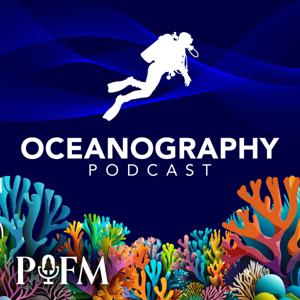

Ocean oxygen shapes marine life in ways most of us never think about. This episode explores how oxygen enters the ocean (air–sea exchange and photosynthesis), how it circulates through surface waters and the deep sea, and why scientists track changes in oxygen over time. Learn what oxygen minimum zones are, how they form, and what they can mean for midwater ecosystems in the mesopelagic (“twilight”) zone.
Featuring research that uses fossil fish ear bones (otoliths) preserved in seafloor sediment, the conversation looks back thousands of years to reconstruct a past oxygen shift in the Mediterranean—and what long-term records can teach us about ocean dynamics today.
Support our science communication by joining us on Patreon or sending us a gift on PayPal
Special thanks to the Monterey Bay Aquarium for sponsoring this episode.
Episode Guests: Dr. Sven Pallacks
Find Dr. Pallacks’ publications on Google Scholar
Read Dr. Pallacks’ article, Ocean deoxygenation linked to ancient mesopelagic fish decline.
Visit the Smithsonian Tropical Research Institute website
Visit the O'DEA Lab here
Episode Transcript and more information on the Pine Forest Media website
Follow Pine Forest Media on Instagram @pineforestmedia
Hosted, produced, and edited by Clark Marchese
Cover art by Jomiro Eming
Theme music by Nela Ruiz
Find some more Pine Forest Media podcasts below
Listen to Plastic Podcast on Spotify or Apple Podcasts
Listen to South Pole on Spotify or Apple Podcasts
Listen to Something in the Water on Spotify or Apple Podcasts
Hosted on Acast. See acast.com/privacy for more information.
 View all episodes
 By Pine Forest Media
5
44 ratings
Ocean oxygen shapes marine life in ways most of us never think about. This episode explores how oxygen enters the ocean (air–sea exchange and photosynthesis), how it circulates through surface waters and the deep sea, and why scientists track changes in oxygen over time. Learn what oxygen minimum zones are, how they form, and what they can mean for midwater ecosystems in the mesopelagic (“twilight”) zone.
Featuring research that uses fossil fish ear bones (otoliths) preserved in seafloor sediment, the conversation looks back thousands of years to reconstruct a past oxygen shift in the Mediterranean—and what long-term records can teach us about ocean dynamics today.
Support our science communication by joining us on Patreon or sending us a gift on PayPal
Special thanks to the Monterey Bay Aquarium for sponsoring this episode.
Episode Guests: Dr. Sven Pallacks
Find Dr. Pallacks’ publications on Google Scholar
Read Dr. Pallacks’ article, Ocean deoxygenation linked to ancient mesopelagic fish decline.
Visit the Smithsonian Tropical Research Institute website
Visit the O'DEA Lab here
Episode Transcript and more information on the Pine Forest Media website
Follow Pine Forest Media on Instagram @pineforestmedia
Hosted, produced, and edited by Clark Marchese
Cover art by Jomiro Eming
Theme music by Nela Ruiz
Find some more Pine Forest Media podcasts below
Listen to Plastic Podcast on Spotify or Apple Podcasts
Listen to South Pole on Spotify or Apple Podcasts
Listen to Something in the Water on Spotify or Apple Podcasts
Hosted on Acast. See acast.com/privacy for more information.

91,018 Listeners

5,669 Listeners

12,222 Listeners

87,554 Listeners
1,256 Listeners

990 Listeners
16,392 Listeners

461 Listeners
6,564 Listeners
92 Listeners

16,302 Listeners

2,314 Listeners

10,805 Listeners
10 Listeners
4 Listeners
6 Listeners

3 Listeners

38 Listeners