
Sign up to save your podcasts
Or

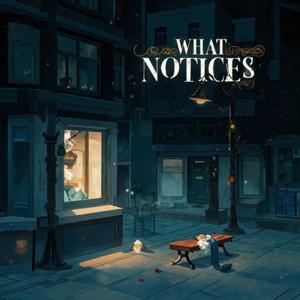


A single light glowing late at night can reveal the hidden rhythms of lives continuing after the rest of the world seems to have stopped. Behind illuminated windows may be workers finishing shifts, parents waiting for children, students studying, caregivers staying awake, or people simply seeking quiet solitude. The episode reflects on how these lights can represent dedication, worry, memory, responsibility, or comfort. Ultimately, the last light left on reminds us that every sleeping city still contains unseen stories—and that somewhere, someone is always awake, carrying on with a life we may never know.
_:empty]:hidden">A brief silence before someone answers can reveal emotions that words alone may hide. A pause may suggest uncertainty, fear, careful thinking, emotional conflict, restraint, or the struggle to find the right words. During difficult conversations, we often interpret hesitation as a sign that something is wrong, even though people pause for many different reasons. Silence can also protect relationships by giving us time to choose kinder, more thoughtful responses. Ultimately, the episode explores how the moments between question and answer can expose the complexity of human feelings—and sometimes communicate more than the words that finally follow.
An empty chair may appear ordinary, but beside another person, it can carry many meanings. It may represent someone who is expected, someone who has just left, or someone who will never return. In cafés, parks, waiting rooms, and homes, empty chairs can suggest loneliness, personal space, hope, memory, grief, or chosen solitude. They also reveal invisible social rules, such as why strangers leave space between one another or why families continue to protect a loved one's usual seat. Ultimately, the episode reminds us that an empty chair is not always truly empty. It may be filled with expectation, absence, freedom, or the memory of someone who once sat there.
From the publisher's feed