Who is God? And, how can we find God - Bible answers.

Who is God? And, how can we find God - Bible answers.

Download on the App Store

Who is God? And, how can we find God - Bible answers. episodes

  • Numbers 15 Commentary

    This episode is also available as a blog post: http://lovingscripture.com/2021/07/10/numbers-15-commentary/

    Numbers 15 Commentary

    www.lovingscripture.com

    Chapter 15 begins with details on special gifts to the LORD in the land of promise. Any special gift should be made together with a grain offering. Based on regulations concerning grain offerings of Leviticus Chapter 2, you want to conclude that the same rules apply regarding grain offerings. Only a handful was used and the rest was given to Aaron and his sons. The picture of the LORD'S generosity is beautifully painted here. Whenever the LORD is worshipped, man is blessed. Indeed the worship of the LORD blesses the saint.


    Again we see how the LORD distinguishes between the rich and the poor. Any sacrifice from the herd attracts a bigger amount of flour while smaller animals - usually given by less rich people - require smaller amounts of flour. The underlying idea stresses the importance of responsibility. With more comes more responsibility. All were stewards before the LORD. The rich as well as the poor poured equal worship regardless of size of sacrifice.

    The LORD provisions a way for escaping punishment when the community or individual sins unintentionally. But there appears to be no way for a defiant sinner. Now we can understand the connection between chapters 14 and 15. We came to chapter 15 and thought we just skipped some pages! The story that was flowing nicely, painfully though, was rudely interrupted by what we would consider as repeated instructions. But it's still one story being told. Here Israel is the defiant sinner. There is simply no way out for them. The LORD will cut them off one by one until an entire generation of sinners is wiped out. Only if there was a mediator!

    These pages are looking forward. Moses could only do so much. His mediation role had been stretched to its limit. Under these conditions the thief who had deliberately and willingly chosen a life of crime would not receive forgiveness. The thief who admitted his crimes and accepted a death penalty had no chance at all. Jesus is that man who is higher than Moses – the LORD God Himself who alone could stoop down and save the situation. The forgiveness shown at the cross exemplifies it perfectly! Many of us still receive forgiveness for the sins we intentionally commit. I’m grateful to the LORD for this.

    Then we have the story of a Sabbath law breaker! The LORD commands that the law breaker is stoned to death. Again we can see that we are being reminded of Israel's sin and what it should mean. Israel has just broken the Sabbath. The rest in the land of promise is the Sabbath that Israel has just rejected.


    The tassels on their clothes are not a fashion situation but a reminder of the LORD'S COMMANDS. It is a fitting way to end the chapter and also reflect on the events of chapters 13 and 14.

    More resources visit www.bibleproject.com

    3 min
  • Numbers 14 Commentary: Israel rejects the Promised Land - wants to return to Egypt

    This episode is also available as a blog post: http://lovingscripture.com/2021/07/09/numbers-14-commentary/

    Numbers 14 Commentary

    www.lovingscripture.com

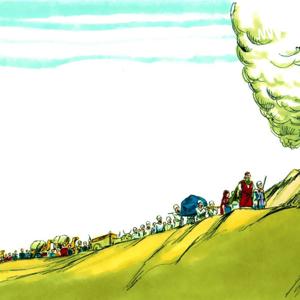
    We have a very low point here. You thought the golden calf experience was bad enough, but here we are again! Some things never change. The people reject the Promised Land on account of fear and instead plan to elect another leader, in place of Moses, for a return trip back to Egypt. We are yet to hear from the LORD.


    In the meantime there is real ‘mutiny’ in the camp. Confusion follows confusion. Moses is fast losing grip on the proceedings. The people are thinking of stoning their leaders!

    By now we know very well what to expect from the LORD under these circumstances. Moses is ordered to step aside so that the entire community is cleared. A fresh start with Moses was always an option. But Moses intercedes. Moses appeals to the revealed name of the LORD. The nation is saved but only in part.

    You would understand why Moses is described as being very humble. Israel had been very rude to both the LORD and His servant Moses. A thought to destroy them and restart with Moses wouldn't be such a bad idea to many of us - a very much needed break. But this is Moses. Through him the LORD displays His generosity while at the same time maintaining justice. Remember the LORD'S name: both compassionate and gracious yet punishing sin.

    Then we have the famous statement: "So tell them; “As surely as I live, declares the Lord, I will do to you the very thing I heard you say:” Numbers 14 verse 28. Whenever quoted, this statement rings with positivity and encouragement. It isn’t so in the original context. The LORD had heard the people wish they had died in Egypt or even in the wilderness, instead of dying at the hands of the Canaanites in battle. Such was their doubt and fear. This statement is a history changer in that the LORD granted their wish to die in the wilderness. Consequently, Israel would spend 40 years on a trip that would have lasted under 14 days. The military charge into Canaan is called off and the people must wonder about in the wilderness until everyone counted in the first census dies.

    We have more drama before the chapter ends. Israel quickly realizes her sin and attempts to correct the situation, not by repentance, but by going ahead with the mission - yet another sin. What a chapter!

    The book reaches its climax here. What we have next are chapters through the rest of the 40 years of less grace, less faith and less generosity as the LORD clears out the dead and bad wood. But there is a generation that is taking over. So the LORD will repeat laws, generosity and care for the sake of the new crop. It is a mixed menu but very instructive. The saint does well to remember that the LORD does carry a big whip with Him each time He visits. As these very pages will tell us later, the LORD doesn’t change!

    More resources visit www.lovingscripture.com

    3 min
  • Numbers 13 Commentary

    This episode is also available as a blog post: http://lovingscripture.com/2021/07/08/numbers-13-commentary/

    Numbers 13 Commentary

    www.lovingscripture.com

    The LORD orders Moses to send out 12 spies to explore the land. Approximately two years after leaving Egypt, Israel is now ready to take possession of the land the LORD had given to Abraham.


    The Lord said to Abram after Lot had parted from him, “Look around from where you are, to the north and south, to the east and west. All the land that you see I will give to you and your offspring forever... Go, walk through the length and breadth of the land, for I am giving it to you.” Genesis 13 verses 14 to 15 and verse 17.

    In this chapter the LORD once again invites Abraham - now as Israel, to 'look around'. Finally Abraham can take possession of the land. But not until the usual drama of unbelief and rebellion. How different things are now! Abraham had responded by settling at Mamre and building an altar to the LORD there. From this base Abraham would go on and defeat four powerful kings whose land was equivalent to what Israel was about to inherit. Now his children respond in fear and doubt.

    Chapter 13 is key in deciding the length of the journey, as we shall see shortly. We shall see how a journey of 14 days ended up being a journey of 40 years. The book of Numbers is about explaining these strange numbers.

    In these lines we can see how fear and doubt transform human perception. Because of fear and doubt, the land that was reported to be productive suddenly became a bad land that consumed its inhabitants. The more they focused on the enemy the more diminished they became in their own sight. What you look at in the moment of decision determines your destiny. If only they looked at the LORD who helped them defeat a far more superior Egyptian army at the Red Sea, the outcome of their faith was going to be very different. Today the saint has the word of the LORD to enrich their CV as they face battles. All mountains become small, as we look at the greatness of the LORD.

    More resources visit www.lovingscripture.com

    2 min
  • Numbers 12 Commentary

    This episode is also available as a blog post: http://lovingscripture.com/2021/07/07/numbers-12-commentary/

    Numbers 12 Commentary. Miriam and Aaron oppose Moses

    www.lovingscripture.com

    Miriam and Aaron oppose Moses. On the face of it the reason for the opposition seems to rise from Moses' marriage to an unnamed African woman. We already know that Moses was married to Zipporah who gave him two sons named Gershom and Eliezer. At this stage Moses was above 80 and probably Zipporah was dead. We have very little information on the first family. The mention of the Cushite (Ethiopian) wife for Moses here is motivated by the jealous incident detailed in this chapter.

    Both Aaron and Miriam began their argument with a reference to God's grace over Moses. He wasn't the only one that the LORD had spoken to, so they said. There is no reference to the law as the basis to oppose Moses' marriage to the Cushite woman. What we see here is the usual (and typical) family resentment of a brother's choice for a wife. We would suspect that Miriam led the opposition, based on women's natural reaction in these issues, hence her being singled out for a stronger rebuke from the LORD.


    In chapter 11 we saw the community in uproar over food. Now we have issues right within the top leadership team. Moses doesn't protest to the LORD but instead it's the LORD who moves in to protect and save the situation. It had been a trying moment for the nation in transit. We would suspect that there was a lot of resentment for Moses since he was the conduit for all the strict instructions from the LORD to the people. Today those who champion the LORD'S will and purposes do well to reflect on this passage. They suffer the wrath directed at the LORD. Man's angry and sinful reaction against God is often directed at the subjects of the kingdom.

    Chapter 12 is therefore a continuation of trouble for the nation. In fact it is these chapters in the middle of the book that define the book of Numbers. In the introduction we had wondered why the population of six hundred thousand men at the start was still six hundred thousand men after 40 years. At Kibroth Hattaavah in chapter 11, the community suffered loss as the LORD struck the nation with a severe plague. We can call it loss number one. We are still counting. The book of Numbers is actually about accounting for the various key numbers.

    More resources visit www.lovingscripture.com

    3 min
  • Numbers 11 Commentary: Trouble begins

    This episode is also available as a blog post: http://lovingscripture.com/2021/07/06/numbers-11-commentary/

    Numbers 11 Commentary

    www.lovingscripture.com

    Trouble begins. We can call it the complaints chapter. Again we see just how displeased the LORD is with complaining. Strangely, many of our prayers today fall in this category. For the most part, complaining is a manifestation of doubt and ingratitude. The LORD reacts by sending a fire but again Moses' intercession saves the day.


    The meat, the onions, the garlic...it’s another day at the office. They are discussing the good old days in Egypt. No wonder the LORD is upset. All the festivals, including the Passover, were meant to afford them good memories of the generosity of the LORD. But who cares about it anymore! The mention of foreigners rings a bell. As we hear pagans talk about holiday outings, trending fashions, houses and the good cars on the market, the temptation to start our own war with the LORD God begins to take shape. We are being envious of the wicked and the life we left behind. God forbid!

    Moses has his own complaint but it is a prayer to the LORD. What a difference it makes! The LORD responds in a very strange way. Moses doesn't die (the request he makes) and the LORD doesn't eliminate the troubles, but instead the LORD provides means to cope with the troubles. My grace is sufficient for you. I guess these words were whispered to Moses.

    For the saint today these lines teach us to understand that while elimination of troubles is the quickest and preferred solution for us humans, the LORD doesn't always endorse it. It is a harsh reality! In many cases the LORD simply provides more grace to cope with the problem.

    So seventy leaders are selected from amongst the people to help carry the burden of governance. They receive the anointing for leadership without any of the rituals that you would expect - a dove here, blood there or oil ruining down on one's head. Even in these times there is enough demonstration of the LORD'S eagerness to do things without rituals.

    Moses has valid concerns which the LORD duly attends to. It is an encouragement that we can go to the LORD when stuck or when human effort hits a limit. Six thousand hungry (and consequently angry) men isn't a joke.

    Where can I get meat for all these people? They keep wailing to me, ‘Give us meat to eat!’ Numbers 11verse 13.

    Moses' question here isn't meant to reflect his doubt in the power of the LORD. But as one would expect Moses is drawing the LORD'S attention to the fact that he was completely unable to provide a solution. The LORD'S response is more like, worry not Moses. I'm on top of things. I will not fail like you. It's a line that brings out a hidden admission that Moses' task is beyond him.

    Moses' statement does show us the extent of the task. Prayer is easier when you begin by admitting your inadequacy. But an observer would want to ask why the LORD put such a huge task on a mere mortal, Moses. The saint does well to reflect on their own lives and ask why the LORD subjects them to the life they have. It's the puzzle the LORD resolves perfectly but imperfectly. So we must ask the same question endlessly. Maybe we, saints, are just children, after all.

    The children of Israel moved on and camped at Hazeroth.

    More recommended resources visit www.lovingscripture.com

    4 min
  • Numbers 10 Commentary. The Community sets out.

    This episode is also available as a blog post: http://lovingscripture.com/2021/07/05/numbers-10-commentary/

    Numbers 10 Commentary

    www.lovingscripture.com

    A signaling system is installed. In the absence of emails, phone systems or sirens, the trumpet is used for signaling. We call it 'organization'. It is communication. As noted earlier, the Holy script is not a science book or a book on management. But who doesn't get blessed (and amazed) by these detailed management drills. Some have even gone ahead to claim that you can actually teach management from these lines. Yes you can, and it's beautiful!


    The instruction to sound the trumpet during war time and also during religious festivals seem to give a picture that the LORD too was interested in the trumpet noise. We can still think of it as a signal sent to the LORD for help during war and also as a signal to 'alert' the LORD of man’s presence. It is a sort of, ‘we are here’ message. Music and prayer today seem to fit some functions of the 'trumpet signaling system' of this chapter as it related to 'war time' and 'festivals'

    Moses' request to Hobab to accompany them tells us that the LORD provided general direction and Moses filled in the details. We have the same situation today. The LORD will provide money for a computer but you may need an expert to advise on the model.

    Chapter 10 sees the community on the move once again. Sinai had been home for two years and now Jacob is headed for the Promised Land. Schooling has ended and the graduates must now head towards their destiny.

    The Community sets out exactly as planned. The division of Judah is leading the charge. We can look back at these many chapters of preparation and appreciate the need for every saint to invest in godly and adequate preparation before taking off to seize their destiny. The census of chapter 1 is about counting the cost. Chapter 2 was about the required military strategy for the charge. The next several chapters detailed care and maintenance of the Sanctuary. The care and maintenance of the real temple of the Holy Spirit is everything! The Christian walk is perfectly mirrored by these activities here.

    More resources visit www.lovingscripture.com

    3 min
  • Numbers 9 Commentary

    This episode is also available as a blog post: http://lovingscripture.com/2021/07/04/numbers-9-commentary/

    Numbers 9 Commentary

    www.lovingscripture.com

    The chapter focuses on the first ever Passover event to be observed outside Egypt. It was a symbol reminding Israel of the LORD'S outstretched arm against Egypt. At the same time it remained a symbol of the LORD'S generosity in saving Israel. The importance of the Passover is seen in the Lord’s Supper. We are to 'do this in memory of' the LORD. Of the many religious assemblies and festivals that Israel was required to observe, only the Passover seem to have survived beyond the cross in the form of the Lord's Supper. The key line is in the memory of what it stands for and not in the actual rituals.


    Some among the people couldn't observe the Passover on account of uncleanliness. Moses seeks guidance from the LORD. It's a beautiful thing that we need to learn. Waiting upon the LORD isn't just prayer but the actual waiting. A solution is given. The LORD was intent on ensuring that all observed the Passover regardless. As a mother with her children over routine tasks such as eating and bathing, so is the LORD here with His children over matters which are important for us. No skipping.

    The second section of chapter 9 settles on the very presence of God amongst the people. They broke camp or camped at the LORD'S command. It didn't matter how long they stayed at one point. There are instructions for the saint in these lines. The theme of waiting upon the LORD appears again in this section but it's in the form of obedience regardless of inconveniences. As Moses waited upon the LORD for instructions over the 'missed Passover' in section 1, so the people here must wait for the cloud to lift or settle as they traveled.

    The saint must learn to move or stay...not as dictated by weather or economic conditions but as guided by the LORD. A world that has conditioned us to be our own gods is a constant threat to an 'obedient walk' with the LORD. We often plan before we pray for guidance. It feels quite natural. Wouldn't it rather be sensible to pray before we sit down to plan?

    More resources visit www.bibleproject.com

    2 min
  • Numbers 8 Commentary: Position of the Lamps and Consecration of the Levites

    This episode is also available as a blog post: http://lovingscripture.com/2021/07/03/number-8-commentary/

    Numbers 8 Commentary.

    www.lovingscripture.com.

    The chapter seems to center around two items: the position of the lamps and the consecration of the Levites.

    The same LORD who said, “Let there be light” is the same LORD issuing instructions about light in the Holy Place. We know these symbols here mean more than the immediate scope.

    Instructions on the positioning of the lampstand reminds us of the instruction to the saint to ensure that the light within is not hidden away under the bed. Yes, we have seen this one before. It is coming from the LORD Jesus who now speaks to the saint as the actual and real lampstand. The saint stands as pure gold, purified in the LORD'S fire. The saint is designed to be the light of the world.


    The Levites are commissioned to serve at the sanctuary. The LORD gives us details on why the Levites have been selected. It points to a deeper understanding of our own salvation. You were bought. You belong to the LORD. We should take pride in this deeper relationship. Christianity isn't like a choice between football teams. The LORD paid a huge price to have you. You belong to the LORD!

    One understanding is that our service to the LORD isn’t one for which you expect payment. You are in debt. You are a slave. But who wouldn’t want to be a slave of God! He is ‘gentle and humble in heart, and you will find rest for your souls.’ His ‘yoke is easy and his burden is light.’ Matthew 11 verse 28.

    More resources visit www.bibleproject.com

    2 min
  • Numbers 7 Commentary: Wagons for transporting the Tabernacle.

    This episode is also available as a blog post: http://lovingscripture.com/2021/07/02/numbers-7-commentary/

    Numbers 7 Commentary

    www.lovingscripture.com

    After dedication of the sanctuary, leaders of the people - the same that were selected to help with the census, presented their gifts. The gifts consisted of wagons for the transportation of the tabernacle articles. However, the sacred items were to be carried on people's shoulders. The LORD desires a personal relationship. The items that represented the LORD and were considered sacred (all made of pure gold) were carried by people.


    Even now the LORD still desires a personal relationship with His people. Our prayers need not be recorded. The meaning of a 'closet time' with one's Creator can be expanded to include effort aimed at prioritizing God in our lives.

    As the young rich ruler discovered, wagons, riches, gifts...are not enough for a healthy relationship with the LORD. The LORD desires 'the person'.

    Other gifts were presented by the leaders. The gift list is long. There are a couple of notes on the gifts. The items presented were of value and could be used in ministry at the sanctuary. Secondly, the items were similar. It points to the fact that Moses instructed them on what to bring to the sanctuary. So we can learn two things: our giving should be of value and usable in the ministry and secondly our church leaders can provide guidance on items to be given.

    Thanks for reading one of the longest chapters in the Bible - among the top 10. I’m grateful to the Good News Translation for its summarized format! At the same time I know just how much I miss by going that route. Each leader presents a prayer before the LORD by their gifts. Each leader’s gift is special to the LORD and is treated like that. It’s a lesson we draw from these repetitions. One cannot simply record a prayer and schedule it to play every morning and call it morning devotion! Same prayer or not, prayer must be said by the worshipper, as many times as may be necessary without being bothered about repetitions.

    More resources visit www.bibleproject.com

    2 min
  • Numbers 6 Commentary

    This episode is also available as a blog post: http://lovingscripture.com/2021/07/01/numbers-6-commentary/

    Numbers 6 Commentary

    www.lovingscripture.com

    The laws regarding nazirite vows are detailed here. We know that Samson was a Nazirite hence his long hair. The key line was holiness for the Nazirite. It's like the LORD is providing a way for non-priests, male or female, to experience a closeness to God which only priests enjoyed. Again we see the seriousness of the vows. Being in the presence of the dead, even unintentionally cancelled the deal and one needed to restart. During a time when people are quick to want to have explanations for sin, we do well to appreciate the nature of sin and how the LORD treats sin. It is always serious, regardless of whether you caused it or not.


    By looking at details from this chapter we can now understand more about the life and work of Samson who was a nazirite. He is a mystical figure with his long hair thought to be the source of his strength. This chapter says no. His hair was simply a symbol of his dedication to God. His strength came from this special relationship with the Creator God.

    "...After that, the nazirite may drink wine. Numbers 6:20. GNT.

    After what? It's after they are released from the vow or after their consecration is ended. A Christian who considers themselves consecrated full time should not probably continue to take wine. There is simply no chance to relax holiness as the saint today is on a 24/7 consecration program. Keeping long hair isn’t required any more, though. The general understanding underlines the importance of holiness on a continuous basis.

    The chapter closes with details on priestly blessings. It is a beautiful ending but raises questions on Israel’s spirituality. Why should blessings come from the priests? Isn’t Israel blessed already? We expect the blessings to flow from Israel to the nations but here we are with Israel in need of the blessing herself. Strange. The LORD had envisioned the entire nation as a nation of priests. The failure by Israel to keep the special relationship with the LORD has brought us here. Now a select few must bless the rest. Nazirite laws are therefore another attempt to draw Israel back to the LORD in separation from the normal life by the ordinary Israelite man. Here we see the door opened for women. It’s an important statement that women are also required to have the same standards of holiness as the men.

    The closing lines make a call to the saint of today to practice the 'Blessing Act'. It is our calling. Have you blessed someone today?

    More resources visit www.bibleproject.com

    3 min

About Who is God? And, how can we find God - Bible answers.

From the publisher's feed

Find life's meaning in God's word. Read it daily. Meditate on it. Be transformed by it.

More shows like Who is God? And, how can we find God - Bible answers.

The Bible Recap by Tara-Leigh Cobble

The Bible Recap

35,885 Listeners