
Sign up to save your podcasts
Or


More people in Minnesota are struggling to put food on the table.
Food shelves across the state are seeing more people than last year and compared to the months before the COVID-19 pandemic. Schools also are reporting more students running up school lunch debt.
Many families are having trouble making ends meet, some for the first time and even when adults are working. Inflation has pushed up the cost of groceries by 12 percent compared to a year ago. And, the extra money flowing to households from financial support programs that were in place during the COVID-19 pandemic has now dried up, including the child tax credit, universal free school meals and expanded SNAP benefits.
Allison O’Toole, is the CEO of Second Harvest Heartland, a food bank that distributes food to about 400 food shelves in Minnesota and Wisconsin. Deisy De Leon Esqueda, is the manager of the ECHO Food Shelf in Mankato. Rob Williams is the founder and president of Every Meal, a nonprofit organization based in Roseville which works in schools to distribute food directly to students.
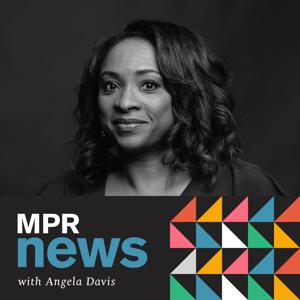
MPR News host Angela Davis led a conversation about rising food insecurity in Minnesota and possible solutions. Here are some highlights:
Allison O’Toole: Yes. Times are tougher than ever before right now. We know that grocery bills and everyday expenses are off the charts making them really hard, if not impossible, for families to afford. We're hearing about a 40 percent increase in food shelf visits across our state.
Deisy De Leon Esqueda: Yes. We are seeing people that are coming in for the first time. Our numbers have actually increased from 2019 to now from 85 average households per day to 110, 120. Some families are coming in for the first time and then some have not been to the food shelf in years and are now finding themselves in this predicament and coming back.
Deisy De Leon Esqueda: Minnesota is becoming more diverse. Before we used to give food out and I would say, “Oh, you can make a hot dish out of this.” Well, not everybody likes hot dishes and that's not always their comfort food. We're trying to do the best that we can to be able to meet their needs by giving them food that they're actually going to consume. That way people feel excited and accepted.
Allison O’Toole: What also happened through the pandemic is the disparities and who is hungry has been revealed again. We call that the racial hunger divide, where communities of color experience at least twice the rates of food insecurity than their white neighbors. So we are investing millions of dollars in making sure people and communities have the food they know and love and will eat.
Allison O’Toole: We had the privilege of hosting the Governor and Lieutenant Governor on Monday this week at Second Harvest Heartland. So, we talked a lot about this, and the state has a more than $10 billion surplus sitting there. We need to put that to good use for Minnesota families: bolstering the funding for food shelves and food banks, making big bold changes, and investing in things like Universal School meals. Hungry kids cannot learn.
Deysi De Leon Esqueda: During the pandemic, we saw our numbers decrease by almost half and that was due to these programs being established and money going out as just checks. We saw those programs work and now about 39 percent of all our visits made to the Food Shelf are children under the age of 17.
Rob Williams: We have seen a huge increase, about a 34 to 35 percent increase in kids in our schools asking for food support. Thanksgiving, winter break and spring break are also significant food gaps, and we've actually had to eliminate our winter break program which typically involves about 120 different locations throughout the state where kids can go and access food, just due to the high demand in our weekend program.
The first phone call was from a disabled veteran that struggled with food insecurity six years ago when he and his family were living in Oklahoma. “There were weeks when we'd have only 20 dollars for food. We basically would be living off of oatmeal, cabbage and potatoes because those are the cheapest things you could buy, and I was too proud to ever go into a food,” he said.
After his family started to receive boxes of food from a food shelter, he educated himself, found a work opportunity in Minnesota, and moved to the state with his entire family. In Minnesota, he found out about the benefits he was entitled to being a disabled veteran. “I think that the state can keep reaching out to people because some are too proud to go into the food shelf. And there's a lot of people entitled to benefits that don't know it,” he said.
The second phone call was from a divorced mom that wanted to share how it was to be hungry. She used to work at a grocery store, but her paychecks were not enough to afford meals for herself and her kids. Within a year of demanding physical work, she ended up weighing 112 pounds. “I would have loved to sit down to dinner with my kids and I couldn't because the smallest food alone was enough,” she said.
Jessica also mentioned that she didn’t have time to go to food shelters or welfare. “I just needed a paycheck that covered my bills,” she said.
The final phone call was from a woman who recently moved from another state and highlighted the kindness of Minnesotans and how well caseworkers at SNAP and other benefits work compared to other states. “I was surprised by how much I qualified for here because I have been told in other states I did not,” she said.
Lane explained how her now adult kids couldn’t afford their own housing, or college and needed to stay home taking care of their younger siblings. “Not having the money for food or housing makes every bad situation imaginable work,” she said.
If you need a food shelf or want to donate, search for organizations in your region of Minnesota at Hunger Solutions. You can also donate directly to Second Harvest Heartland, ECHO Food Shelf and Every Meal.
Subscribe to the MPR News with Angela Davis podcast on: Apple Podcasts, Google Podcasts, Spotify or RSS.
Use the audio player above to listen to the full conversation.
 View all episodes
 By Minnesota Public Radio

4.6
121121 ratings
More people in Minnesota are struggling to put food on the table.
Food shelves across the state are seeing more people than last year and compared to the months before the COVID-19 pandemic. Schools also are reporting more students running up school lunch debt.
Many families are having trouble making ends meet, some for the first time and even when adults are working. Inflation has pushed up the cost of groceries by 12 percent compared to a year ago. And, the extra money flowing to households from financial support programs that were in place during the COVID-19 pandemic has now dried up, including the child tax credit, universal free school meals and expanded SNAP benefits.
Allison O’Toole, is the CEO of Second Harvest Heartland, a food bank that distributes food to about 400 food shelves in Minnesota and Wisconsin. Deisy De Leon Esqueda, is the manager of the ECHO Food Shelf in Mankato. Rob Williams is the founder and president of Every Meal, a nonprofit organization based in Roseville which works in schools to distribute food directly to students.
MPR News host Angela Davis led a conversation about rising food insecurity in Minnesota and possible solutions. Here are some highlights:
Allison O’Toole: Yes. Times are tougher than ever before right now. We know that grocery bills and everyday expenses are off the charts making them really hard, if not impossible, for families to afford. We're hearing about a 40 percent increase in food shelf visits across our state.
Deisy De Leon Esqueda: Yes. We are seeing people that are coming in for the first time. Our numbers have actually increased from 2019 to now from 85 average households per day to 110, 120. Some families are coming in for the first time and then some have not been to the food shelf in years and are now finding themselves in this predicament and coming back.
Deisy De Leon Esqueda: Minnesota is becoming more diverse. Before we used to give food out and I would say, “Oh, you can make a hot dish out of this.” Well, not everybody likes hot dishes and that's not always their comfort food. We're trying to do the best that we can to be able to meet their needs by giving them food that they're actually going to consume. That way people feel excited and accepted.
Allison O’Toole: What also happened through the pandemic is the disparities and who is hungry has been revealed again. We call that the racial hunger divide, where communities of color experience at least twice the rates of food insecurity than their white neighbors. So we are investing millions of dollars in making sure people and communities have the food they know and love and will eat.
Allison O’Toole: We had the privilege of hosting the Governor and Lieutenant Governor on Monday this week at Second Harvest Heartland. So, we talked a lot about this, and the state has a more than $10 billion surplus sitting there. We need to put that to good use for Minnesota families: bolstering the funding for food shelves and food banks, making big bold changes, and investing in things like Universal School meals. Hungry kids cannot learn.
Deysi De Leon Esqueda: During the pandemic, we saw our numbers decrease by almost half and that was due to these programs being established and money going out as just checks. We saw those programs work and now about 39 percent of all our visits made to the Food Shelf are children under the age of 17.
Rob Williams: We have seen a huge increase, about a 34 to 35 percent increase in kids in our schools asking for food support. Thanksgiving, winter break and spring break are also significant food gaps, and we've actually had to eliminate our winter break program which typically involves about 120 different locations throughout the state where kids can go and access food, just due to the high demand in our weekend program.
The first phone call was from a disabled veteran that struggled with food insecurity six years ago when he and his family were living in Oklahoma. “There were weeks when we'd have only 20 dollars for food. We basically would be living off of oatmeal, cabbage and potatoes because those are the cheapest things you could buy, and I was too proud to ever go into a food,” he said.
After his family started to receive boxes of food from a food shelter, he educated himself, found a work opportunity in Minnesota, and moved to the state with his entire family. In Minnesota, he found out about the benefits he was entitled to being a disabled veteran. “I think that the state can keep reaching out to people because some are too proud to go into the food shelf. And there's a lot of people entitled to benefits that don't know it,” he said.
The second phone call was from a divorced mom that wanted to share how it was to be hungry. She used to work at a grocery store, but her paychecks were not enough to afford meals for herself and her kids. Within a year of demanding physical work, she ended up weighing 112 pounds. “I would have loved to sit down to dinner with my kids and I couldn't because the smallest food alone was enough,” she said.
Jessica also mentioned that she didn’t have time to go to food shelters or welfare. “I just needed a paycheck that covered my bills,” she said.
The final phone call was from a woman who recently moved from another state and highlighted the kindness of Minnesotans and how well caseworkers at SNAP and other benefits work compared to other states. “I was surprised by how much I qualified for here because I have been told in other states I did not,” she said.
Lane explained how her now adult kids couldn’t afford their own housing, or college and needed to stay home taking care of their younger siblings. “Not having the money for food or housing makes every bad situation imaginable work,” she said.
If you need a food shelf or want to donate, search for organizations in your region of Minnesota at Hunger Solutions. You can also donate directly to Second Harvest Heartland, ECHO Food Shelf and Every Meal.
Subscribe to the MPR News with Angela Davis podcast on: Apple Podcasts, Google Podcasts, Spotify or RSS.
Use the audio player above to listen to the full conversation.

91,260 Listeners

38,442 Listeners

6,900 Listeners

38,939 Listeners

9,235 Listeners

4,032 Listeners

574 Listeners

182 Listeners

201 Listeners

246 Listeners

79 Listeners
216 Listeners
87 Listeners

26 Listeners
41 Listeners
4,705 Listeners

113,294 Listeners
9,104 Listeners
6,461 Listeners

10,999 Listeners

1,606 Listeners
6,285 Listeners

4,439 Listeners