
Sign up to save your podcasts
Or


Imagine going to prison for something you did not do.
In the early 1990s, the new power of DNA evidence revealed that a small percentage of inmates in our nation’s prisons were being locked away — some for life — for crimes they did not commit.
They had been found guilty based on wrong eye-witness identifications, misconduct by law enforcement, faulty forensic testimony and junk science or simply been coerced into a confession.
Since then, dozens of organizations have formed across the country to provide investigative and legal services to identify and free inmates who have been wrongfully convicted.
More than 3,300 people in the U.S. have been exonerated since 1989 of crimes for which they were imprisoned, according to the National Registry of Exonerations.
Researchers looking more closely at the data also found that Black inmates are more likely to be wrongfully convicted.
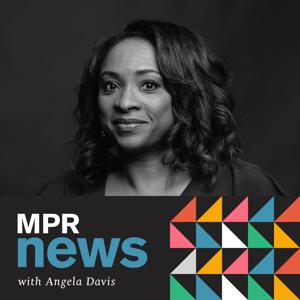
MPR News host Angela Davis talks about why wrongful convictions happen, their impact on lives and how more can be prevented.
Guests:
Jim Mayer is a managing attorney at the Great North Innocence Project, which works to free people wrongfully convicted of crimes and to prevent wrongful convictions in Minnesota, North Dakota and South Dakota. He also teaches courses on wrongful convictions and leads innocence clinics at law schools in Minnesota and North Dakota.
Michael Hansen is a tattoo artist and the owner of Kinship Collective Tattoo in Northfield, Minn. He spent nearly seven years in prison for a crime of which he was fully exonerated in 2011.
Subscribe to the MPR News with Angela Davis podcast on: Apple Podcasts, Google Podcasts, Spotify or RSS.
Use the audio player above to listen to the full conversation.
 View all episodes
 By Minnesota Public Radio

4.6
121121 ratings
Imagine going to prison for something you did not do.
In the early 1990s, the new power of DNA evidence revealed that a small percentage of inmates in our nation’s prisons were being locked away — some for life — for crimes they did not commit.
They had been found guilty based on wrong eye-witness identifications, misconduct by law enforcement, faulty forensic testimony and junk science or simply been coerced into a confession.
Since then, dozens of organizations have formed across the country to provide investigative and legal services to identify and free inmates who have been wrongfully convicted.
More than 3,300 people in the U.S. have been exonerated since 1989 of crimes for which they were imprisoned, according to the National Registry of Exonerations.
Researchers looking more closely at the data also found that Black inmates are more likely to be wrongfully convicted.
MPR News host Angela Davis talks about why wrongful convictions happen, their impact on lives and how more can be prevented.
Guests:
Jim Mayer is a managing attorney at the Great North Innocence Project, which works to free people wrongfully convicted of crimes and to prevent wrongful convictions in Minnesota, North Dakota and South Dakota. He also teaches courses on wrongful convictions and leads innocence clinics at law schools in Minnesota and North Dakota.
Michael Hansen is a tattoo artist and the owner of Kinship Collective Tattoo in Northfield, Minn. He spent nearly seven years in prison for a crime of which he was fully exonerated in 2011.
Subscribe to the MPR News with Angela Davis podcast on: Apple Podcasts, Google Podcasts, Spotify or RSS.
Use the audio player above to listen to the full conversation.

91,287 Listeners
38,450 Listeners

6,903 Listeners

38,911 Listeners

9,232 Listeners
4,030 Listeners

574 Listeners

182 Listeners

200 Listeners

246 Listeners
79 Listeners
216 Listeners

87 Listeners
26 Listeners
41 Listeners
4,705 Listeners

113,434 Listeners
9,106 Listeners
6,461 Listeners

11,019 Listeners

1,607 Listeners
6,282 Listeners

4,464 Listeners