Y2K Tech Reboot:  Retro Future

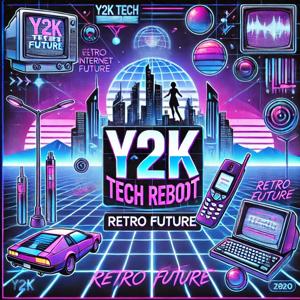
Y2K Tech Reboot: Retro Future

By Inception Point AITechnology
Download on the App Store

Y2K Tech Reboot: Retro Future episodes

  • Y2K Tech Reboot Transforms 2025 Cultural Landscape Blending Nostalgic Aesthetics with Cutting-Edge Innovation
    In a year marked by radical nostalgia and a thirst for innovation, the cultural movement known as the Y2K Tech Reboot: Retro Future is turning 2025 into an era where the past and future blend in ways few could have imagined. This phenomenon, which began as a subtle undercurrent in tech and fashion circles several years ago, has now erupted into mainstream relevance, fueled by both global trendspotters and the relentless recycling of pop culture aesthetics from the late 1990s and early 2000s.
    Listeners are flocking to experiences and products that channel the optimism and digital minimalism of the Y2K era. According to expert coverage in Loop Magazine, both tech and lifestyle brands are embracing translucent plastics, chrome finishes, and the bubble-font logos that once adorned early iMacs and MP3 players. At gaming conventions, it's now common to see fans clutching modified Game Boys with OLED screens and WiFi, merging classic form with modern function. Meanwhile, AI startups are launching apps that mimic pixelated UIs and the startup chimes of vintage Windows—tech nostalgia with a practical twist.
    The film industry has also rediscovered the Y2K cyber-thriller, with a flurry of 4K Blu-ray releases this month. Scream Factory and Shout Factory have announced new ultra-high-definition editions of cult classics like “End of Days,” whose apocalypse-tinged plotlines and dystopian cityscapes mirror the anxieties and hopes of the millennium bug generation. Blu-ray.com notes that these reissues are sparking cross-generational viewing parties, where Gen Z and millennials alike relive the action and paranoia that made these films legendary.
    Music events and gatherings, highlighted recently by venues in Johannesburg listed on Joe Blog, are offering retro-themed nights, complete with futuristic rave aesthetics that recall Daft Punk’s “Discovery” tour and the cyber-glam days of MTV’s Total Request Live. DJs are mixing remastered trance, Eurodance, and pop anthems, drawing in crowds who dress the part in metallic miniskirts, mesh tops, and wraparound sunglasses.
    All this points to a deeper longing for a time when the digital future still felt wide open. As Loop Magazine describes, artists, designers, and coders are not just imitating the Y2K period—they are remixing its hopes and anxieties into tools and visions for tomorrow. The Retro Future isn’t about going backwards, but about recovering the playful boldness that defined the early days of the digital revolution and channeling it into our hyperconnected, AI-shaped present.
    Thank you for tuning in, and don’t forget to subscribe. This has been a quiet please production, for more check out quiet please dot ai.
    Some great Deals https://amzn.to/49SJ3Qs
    For more check out http://www.quietplease.ai
    This content was created in partnership and with the help of Artificial Intelligence AI.

    3 min
  • Y2K Nostalgia Resurges: How Vanilla Ice and Retro Tech Are Reshaping Modern Culture and Entertainment
    The turn of the millennium brought us into the digital age with a bang, and now, twenty-five years later, we're witnessing an unexpected renaissance of Y2K aesthetics and technology that's captivating both those who lived through it and a new generation discovering its charm.
    According to Yahoo Celebrity, nostalgia for the 1990s and early 2000s is surging across entertainment and lifestyle sectors. Vanilla Ice, the iconic rapper who defined an era with tracks like Ice Ice Baby, recently shared his perspective on this cultural revival. Speaking about his role as a mentor on the new Apple TV Plus show KPopped, he described the 1990s as the last of the great decades, emphasizing how that period represented life before computers dominated our world. His enthusiasm for bringing back everything from Z Cavaricci pants to cassette tapes reflects a broader movement of listeners yearning for tangible, analog experiences.
    The retro-future movement isn't just about fashion and music. It's about recapturing something intangible that many feel has been lost in our hyper-digital present. Vanilla Ice spoke passionately about his rediscovered cassette collection, calling it more valuable than the Hope Diamond. He emphasized how the patience required to rewind tapes and find a specific song created a relationship with music that streaming services can't replicate. That analog sound, he noted, is something even contemporary artists try to recreate, though artificial intelligence might push music even further from those warm, vintage tones.
    The revival extends beyond personal nostalgia. Entertainment platforms are capitalizing on this trend by blending past and present. Shows like KPopped merge iconic hits from the MTV era with modern K-pop culture, creating full circle moments that appeal to multiple generations simultaneously. This East-meets-West approach demonstrates how Y2K aesthetics can be reimagined for contemporary audiences while preserving the essence that made them special.
    What makes this retro-future movement particularly compelling is its emphasis on experiences over convenience. Whether it's the ritual of visiting Blockbuster to study movie covers or the tactile pleasure of handling physical media, these analog interactions offered something screens can't duplicate. As technology continues advancing, this backward glance reminds us that progress doesn't always mean improvement, and sometimes the future lies in selectively reviving the best parts of our past.
    Thank you for tuning in, and make sure to subscribe for more insights into cultural trends and technology. This has been a Quiet Please production, for more check out quietplease dot ai.
    Some great Deals https://amzn.to/49SJ3Qs
    For more check out http://www.quietplease.ai
    This content was created in partnership and with the help of Artificial Intelligence AI.
    3 min
  • Y2K Tech Revival Sweeps Design Culture: Nostalgic Retro Aesthetics Redefine Modern Technology and Lifestyle Trends
    Retro tech aesthetics are thriving in 2025, and nowhere is this more clear than with the Y2K Tech Reboot: Retro Future movement. As listeners crave warmth, personality, and nostalgia amid an increasingly digital age, designers, brands, and creators have been reaching back to the turn of the millennium, bringing tactile comfort and playful visual excitement firmly back into focus. Recent coverage in AOL describes a retro reset sweeping design, tech, and culture, with interest surging not only for ‘80s and ‘90s motifs but distinctly Y2K—think translucent plastics, bubbly fonts, mirror finishes, and neon pastels that recall the earliest days of home computers and flip phones.
    Major tech brands are latching onto this emotional wave. According to Her World Singapore, Apple's September event prominently featured hardware with subtle design nods to 2000s styles—sleek but chunky casings, iridescent color variations, and interface overlays inspired by vintage operating systems. Leaked design mock-ups for the iPhone 17 show a throwback to the playful, customizable widgets and themes that defined early smartphones, underscoring how nostalgia now drives both hardware and user experience innovation.
    This year’s pop culture has also leaned heavily into this aesthetic, as reported by design and lifestyle sources. Collector toy brands like Pop Mart are launching limited-edition “Y2K Reboot” figures and merchandise at pop-ups in Singapore and Los Angeles, drawing lines of millennial and Gen Z fans who crave the blend of futuristic optimism and retro charm. Even home décor has followed suit: pattern-heavy wallpaper, pastel neon color schemes, and curvy, lacquered furniture punctuate interiors, nodding to the techno-optimism of turn-of-the-century films and series. AOL notes that home environments increasingly blend these maximalist retro influences with modern pieces, making for spaces that both comfort and inspire.
    Fashion, too, mirrors this resurgence, with sunglasses and eyewear brands launching collections inspired by the distinctive plastics, bold frames, and blue block lenses seen from the late ‘90s to early 2000s. Library UR reports sports glasses, reading glasses, and accessories adopting Y2K-inspired colors and materials—further proving how deeply this rebooted retro future has permeated daily life.
    What’s fueling this phenomenon is more than mere nostalgia; design experts note it’s a response to the stark minimalism of the past decade. Listeners want warmth, individuality, and tech that feels friendly rather than cold. The Y2K Tech Reboot: Retro Future style brings back a sense of playful hopefulness just as technology continues to evolve at breakneck speed.
    Thanks for tuning in—don't forget to subscribe. This has been a quiet please production, for more check out quiet please dot ai.
    Some great Deals https://amzn.to/49SJ3Qs
    For more check out http://www.quietplease.ai
    This content was created in partnership and with the help of Artificial Intelligence AI.
    4 min
  • Y2K Tech Revival Blends Nostalgic Aesthetics with Cutting-Edge Innovation, Transforming Digital Culture in 2025
    Y2K Tech Reboot: Retro Future has become one of 2025’s standout movements, blending late-1990s digital nostalgia with a forward-looking vision that’s captivating tech fans, artists, and fashion enthusiasts alike. This movement channels the playful optimism and distinct visual quirks of the early internet era, mixing pixel art, iridescent materials, and chunky retro devices with cutting-edge innovation and AI—a combination that’s turned retro-futurism from a niche subculture into a global phenomenon.
    Recent news highlights a series of high-profile events in major cities like Milan, New York, and Tokyo, where creators and designers have staged immersive Y2K-inspired showcases. For instance, Milan’s spring tech and fashion festival this year drew over 40,000 visitors, many drawn by interactive installations featuring transparent computer towers, tactile neon keyboards, and the iconic sound of dial-up modems. According to Maze35 Magazine, these events were not mere exercises in nostalgia—today’s creators are using original Y2K technology side by side with 2025’s hottest generative AI software, bridging digital divides across generations. This has led to remarkable collaborations, with Gen Z artists coding in BASIC, resurrecting MySpace-like social experiences, and even producing new music with vintage MIDI synthesizers.
    The resurgence of Y2K tech isn’t limited to physical events. Online, platforms reminiscent of early web portals, complete with animated cursors and lo-fi graphics, are drawing millions in search of a digital atmosphere that feels both comforting and creative. Podcasts and digital zines have exploded in popularity, often featuring interviews with original internet pioneers discussing what today’s creators can learn from the raw authenticity and experimental spirit of the late ’90s. According to interviews in Maze35, participants say the appeal lies partly in reclaiming an era where the internet felt smaller, more personal, and filled with possibility—while updating it for a world saturated with hyper-automation and slick minimalism.
    Major brands are taking notice. Luxury fashion houses such as Prada and Gucci have recently unveiled Y2K-inspired tech accessories, including translucent handheld devices that recall the Game Boy Color and Tamagotchi, as reported by the current issue of Maze35 Magazine. These collaborations fuse the surreal cool of retro plastics and rounded fonts with the latest wearable hardware, suggesting this is more than a passing trend. Instead, the Y2K Tech Reboot: Retro Future movement marks a longing for authenticity and fun in our digital lives—a collective statement that the future can, in fact, look a little like the past, only bolder and brighter.
    Thanks for tuning in and don’t forget to subscribe. This has been a quiet please production, for more check out quiet please dot ai.
    Some great Deals https://amzn.to/49SJ3Qs
    For more check out http://www.quietplease.ai
    This content was created in partnership and with the help of Artificial Intelligence AI.

    5 min
  • Y2K Tech Reboot: Nostalgia Meets Innovation as 90s Aesthetic Transforms Art, Fashion, and Technology in 2025
    Y2K Tech Reboot: Retro Future is making waves through art, fashion, music, and technology in 2025, attracting a generation hungry for nostalgia blended with a forward-looking edge. Listeners everywhere are noticing how the hallmarks of the late nineties and early 2000s have exploded back into the mainstream, inspiring a movement that’s both throwback and radical reinvention.
    Everywhere from Berlin to Houston, Y2K and 90s-themed markets, dance parties, and design festivals capture the electric energy of the era with metallics, glossy plastics, rainbow colors, and playful digital iconography taking center stage. According to Slam Jam, brands like Mizuno are pushing Y2K silhouettes as canvases for the future, blending sporty heritage with futuristic attitude in their October releases. Copenhagen’s avant-garde label Résumé is also grounding their latest collections in classic Y2K cuts, reimagined for the tastes of today’s urban tastemakers.
    Tech has embraced this retro reboot, as nostalgia-driven apps and games take listeners back with chunky pixel art and synth-heavy soundtracks, while new gadgets mimic the translucent casings and tactile buttons of classic Palm Pilots and early iPods. Meanwhile, artists at TEDxMitte’s upcoming Future is Now event in Berlin are set to present interactive installations marrying analog charm with digital innovation, proving that Y2K isn’t just being replayed—it’s being re-engineered for next-gen creative minds.
    On the entertainment scene, there’s a fresh surge of Y2K-inflected content. The popularity of streaming series and video games with storylines rooted in millennial anxieties—think cyber-paranoia, dial-up romance, and digital utopian dreams—proves that listeners are clamoring for the era’s signature blend of optimism and uncertainty. Even on the dance floor, Y2K nights like the one at Houston’s The Secret Group are testing the boundaries of sound and style as DJs spin remixes of early Britney Spears and Daft Punk alongside unreleased tracks designed to evoke neon-hued euphoria.
    Retailers are responding, too, with major drops of tech-inspired sneakers and glossy windbreakers. According to Slam Jam, Mizuno’s latest Y2K styles are selling out fast, suggesting that the appetite for this reboot is only growing.
    Altogether, Y2K Tech Reboot: Retro Future isn’t just about looking back. It’s a creative force accelerating forward, fusing nostalgia with radical innovation—a movement driven by designers, coders, artists, and partygoers who see the past as a powerful launchpad for the future. Listeners can expect more launches, events, and collaborations in the coming months, as the retro-future renaissance continues to spark imaginations worldwide.
    Thank you for tuning in and don’t forget to subscribe. This has been a quiet please production, for more check out quiet please dot ai.
    Some great Deals https://amzn.to/49SJ3Qs
    For more check out http://www.quietplease.ai
    This content was created in partnership and with the help of Artificial Intelligence AI.

    4 min
  • Y2K Tech Reboot: Nostalgic Digital Revival Transforms Fashion, Design, and Technology in 2025
    Y2K Tech Reboot: Retro Future isn’t just a catchy phrase—it’s the digital pulse of 2025, vibrating through high fashion, design, technology, and culture. Two decades after the millennium bug drama, the style and software of the era have returned with surprising force, transforming creative industries and influencing a new generation of tech-savvy innovators.
    In Athens today, Y2K is a living aesthetic. According to Travel.gr, locals and visitors dive into the look with low-rise denim, lacy bustiers, cowboy boots, and baby tees in bold, playful textures. The scene isn’t just about fashion; it reflects a collective nostalgia for turn-of-the-century optimism, now interwoven with the latest digital and social trends.
    Web design has followed suit. Peter Lightspeed on PLS World News reports that 2025’s hottest trends nod directly to Y2K stylings: neon gradients, pixel art, and chunky 3D visuals evoke the classic desktop interfaces and video games that defined the original era. Modern designers are remixing these motifs with sleek usability, merging retro charm with today's need for mobile-first, responsive interfaces. Websites celebrating Y2K Tech Reboot are popping up, using animated backgrounds and throwback sound effects, creating immersive experiences that speak to listeners’ memories while pushing the boundaries of what’s possible in digital design.
    Tech brands are riding the wave, releasing limited-edition devices that pay homage to early 2000s gadgets. Smartphones sport translucent casings, reminiscent of classic iMacs, while new wearable devices borrow heavily from old-school plastic and metallic finishes. Even app icons and interfaces embrace nostalgia, echoing Windows XP and iPod classics, all while harnessing AI-powered utility beneath the surface.
    Pop culture is in on the reboot, too. Musicians drop synth-driven tracks sampling early web sounds and ringtones. Comedy shows and events, like those by Kyle Kinane and Mario Adrion this fall, are peppering routines with jokes about dial-up connections and floppy disks. The Y2K Tech Reboot isn’t just about looking back—it’s about celebrating the creative energy and optimism that pushed technology to the forefront of everyday life at the dawn of the millennium.
    From Athens’ bustling boutiques to cutting-edge digital platforms, the retro future is here and thriving, reminding listeners how far tech has come while evoking the neon-lit promise of the original Y2K moment. Thanks for tuning in—and don’t forget to subscribe. This has been a quiet please production, for more check out quiet please dot ai.
    Some great Deals https://amzn.to/49SJ3Qs
    For more check out http://www.quietplease.ai
    This content was created in partnership and with the help of Artificial Intelligence AI.
    3 min
  • Y2K Tech Reboot Brings Nostalgic Digital Aesthetics Back to Life Blending Retro Optimism with Cutting Edge Design
    Y2K Tech Reboot: Retro Future is more than a resurgence—it's become a cultural movement, blending nostalgia, technology, and forward-thinking design into one bold aesthetic. Across 2025, listeners have seen the Y2K style—characterized by chrome, iridescent colors, clunky gadgets, and internet-era optimism—move from fashion runways to mainstream tech and art expos. Major cities like Austin are hosting retro-future-themed nights, where clubgoers dance to tracks pulsing with cyber-pop energy and partygoers flaunt looks inspired by the dawn of the digital millennium, as noted by the Downtown Austin Alliance’s recent listings for 90s and retro throwback events. Even tech companies have picked up on the trend; this autumn, several startups unveiled new hardware that mimics the bubbly, translucent plastics of turn-of-the-century devices, echoing the old iMacs and MP3 players that defined early digital lifestyles.
    But the Y2K Tech Reboot isn’t limited to consumer tech. Artists and designers are embracing this retro-futurist vibe in immersive exhibitions and performances nationwide. In Los Angeles and New York, recent pop-up events have featured interactive installations, complete with CRT monitors, pixel art, and AI avatars that act as virtual guides through curated visions of what the future once promised to be. Game developers are capitalizing too, releasing indie titles drenched in pastel palettes and blocky interfaces, evoking that sense of wide-eyed possibility from the early 2000s. Music venues—including those featured in Austin’s recent nightlife calendars—are capitalizing on Y2K fever, offering throwback dance nights and even live electronic performances that blend new AI-generated synthwave mixes with original favorites from the late 90s and early 2000s.
    Recently, the fashion world doubled down. During this fall’s fashion weeks, runway models wore iridescent fabrics, vinyl jackets, and tech-infused accessories, like chunky “smart” jewelry, reminiscent of old-school mood rings but now connected to the cloud. Influencers and style icons are flocking to social platforms in glossy, digitally-filtered photoshoots that channel the IT girl energy of Y2K pop stars. According to coverage from art and entertainment outlets, demand for Y2K-themed merchandise and decor is at an all-time high, with mainstream retailers and independent creators offering everything from holographic backpacks to beaded phone charms.
    The Y2K Tech Reboot: Retro Future isn’t just about reliving the past, but about remixing optimism and exuberance for a new era. Listeners are encouraged to join in—whether by donning a light-up necklace, downloading a pixel-inspired background, or simply vibing to a playlist that bridges analog dreams and digital realities. This retro-futurist renaissance invites everyone to imagine a future that’s as playful as it is creative, and as daring as the dawn of the dot-com boom itself.
    Thank you for tuning in and don’t forget to subscribe. This has b
    This content was created in partnership and with the help of Artificial Intelligence AI.
    4 min
  • Y2K Tech Revival Takes 2025 by Storm: Nostalgia Meets Innovation in Retro Digital Culture Comeback
    The retro-futuristic Y2K Tech Reboot is making headlines in 2025 as a wave of nostalgia meets new technology, captivating fans with the bold, surreal optimism of late-90s digital culture. With the world’s gaze often fixed on tomorrow, the Y2K movement offers listeners a reminder of a future imagined in neon, chrome, and pixel art, revived by designers, tech innovators, and event organizers across the globe.
    Current news highlights just how widespread this revival has become. In Houston, the DIAL UP: 90s & Y2K Dance Party on October 11, 2025, is bringing together enthusiasts of the old-school internet era, where guests are encouraged to dust off their bucket hats, bring their Tamagotchis, and embrace the music and style of an era when the world’s digital boundaries felt limitless, as Event Details Houston notes. Across cities like Glasgow, gaming venues such as The Gamer Club and R-CADE Arcade are holding retro gaming nights where listeners can play original PlayStation, Nintendo 64, and early PC hits, immersing themselves in the tactile, pixel-heavy universe that so inspired the Y2K aesthetic.
    Fashion and tech have also ridden this cultural wave. In 2025, designers on the runways of London and Tokyo have mixed iridescent materials, chunky sneakers, and frosted tips with augmented reality accessories, channeling the spirit of cyberdreams and glitch art. Social media platforms are abuzz with Y2K-inspired filters and photo editing apps that add a VHS sheen, lens flares, and grainy effects reminiscent of turn-of-the-millennium tech. Wearable tech companies are unveiling flip phones with holographic displays, combining the tactile satisfaction of retro hardware with today’s connectivity.
    Digital artists have joined the movement as well, with yearlong gallery exhibitions celebrating “retrofuturism,” highlighting works that reference the optimism and anxieties of the 2000 dot-com boom. Modern musicians are reviving the MIDI-heavy pop, synth-driven R&B, and auto-tuned vocals that defined the original era, while streaming platforms create dedicated Y2K playlists and themed radio stations.
    What’s driving this renewed passion? Analysts point to a cultural longing for the playful anticipation and creative experimentation that marked the pre-smartphone years, combined with technological advances that now make these dreams real. As the world grows ever more complex, the simplicity and imaginative optimism of the Y2K tech style are proving irresistible for a generation seeking both comfort and novelty.
    Thanks for tuning in, and don’t forget to subscribe. This has been a quiet please production, for more check out quiet please dot ai.
    Some great Deals https://amzn.to/49SJ3Qs
    For more check out http://www.quietplease.ai
    This content was created in partnership and with the help of Artificial Intelligence AI.
    4 min
  • Y2K Tech Revival Sweeps Global Scene: Nostalgia Meets Innovation in Retro Digital Renaissance of 2025
    Y2K Tech Reboot: Retro Future is having a moment unlike anything the digital world has seen since the days of dial-up and CRT monitors. This resurgence isn’t just a passing trend on social media but a fully-fledged movement echoing from Silicon Valley to Tokyo, driven by nostalgia, a hunger for authenticity, and a pushback against the sleek but impersonal design of recent years. In 2025, events and collectives are surfacing around the globe—pop-up technology museums, coding bootcamps focused on C++, Java, and even Visual Basic, and art installations featuring functional relics like translucent iMac G3s and the original PlayStations set up for communal gaming.
    One of the most compelling recent developments is the rise of “Code Capsule Nights”—monthly gatherings in major cities like San Francisco, London, and Berlin, where tech enthusiasts swap stories and hardware, showcase Y2K-era software, and run competitions centered on taming vintage glitches. According to the Weekend Tech section from the New York Times last month, these meetups are inspiring young engineers to appreciate the art of low-resource programming and the hardware limitations that fostered so much creativity at the turn of the millennium.
    Retro Future is being embraced by more than just hobbyists. Influential designers in fashion and industrial design circles are using translucent plastics, bubble fonts, and the signature gradients of 1999-2001 to inform everything from shoes to headphones. Bloomberg reports that this aesthetic has become a key theme at the 2025 World Expo in Osaka, with entire pavilions devoted to the interplay of late ’90s optimism and cutting-edge green tech.
    Among the more striking signals of the Y2K Tech Reboot: several VC-backed startups are relaunching classic MP3 players and brick-like cellphones with modern connectivity but rugged, nostalgic casings. The Wall Street Journal recently featured an interview with the founders of one such firm, Serotonin Devices, whose candy-colored flip phones sold out instantly on preorder.
    Gaming has also been electrified by the retro wave. Guinness World Records confirmed that the recent “Giga LAN” in Los Angeles set an attendance record for a LAN party using only retro hardware and games—an estimated 25,000 people filled a convention center, many dressed in shiny windbreakers and pixelated T-shirts straight out of 2000.
    The Y2K reboot isn’t just entertainment. Education initiatives are on the upswing, with coding classes for high schoolers using Windows 98 machines to emphasize computing fundamentals and the value of learning from history’s tech missteps. According to an NPR segment aired this week, teachers say students are thriving in hands-on, tactile environments where code and hardware are transparent.
    For some, this moment is more than retro style. It’s a chance to rethink how technology shapes culture, memory, and connection—reminding listeners that the so-called future is always built on foundations from the
    This content was created in partnership and with the help of Artificial Intelligence AI.
    4 min
  • Y2K Tech Reboot: Nostalgic Innovation Blends Retro Aesthetics with Modern Technology in 2025
    As we navigate the tech landscape of 2025, nostalgia for the Y2K era is sparking a revival known as the Y2K Tech Reboot: Retro Future. This movement celebrates the retro aesthetic of the early 2000s, blending it with modern technology to create a unique blend of old and new.
    Melbourne, a city known for its vibrant cultural scene, is no stranger to this trend. Various events and exhibitions in Melbourne often incorporate elements of retro technology, celebrating the past while embracing innovation. For instance, the Melbourne Convention and Exhibition Centre regularly hosts tech expos and events that might explore themes of retro-futurism.
    The Y2K aesthetic is not just limited to technology; it's also influencing fashion and design. Think of flip phones, low-rise jeans, and cassette tapes making a comeback. This nostalgia isn't just about revisiting the past; it's about reimagining it with modern sensibilities.
    In the realm of entertainment, events like "An Evening with Jordan Klepper" show how modern comedy can leverage retro elements to engage audiences in new ways. Although Jordan Klepper's event is scheduled for New Jersey, it suggests a broader trend where retro themes are being used to refresh contemporary content.
    As we look to the future, embracing the Y2K Tech Reboot can be a powerful way to connect with our past while pushing forward with innovation. Whether through technology, fashion, or entertainment, this movement is all about reinventing the past for the present.
    Thank you for tuning in. Don't forget to subscribe for more updates. This has been a quiet please production, for more check out quiet please dot ai.
    Some great Deals https://amzn.to/49SJ3Qs
    For more check out http://www.quietplease.ai
    This content was created in partnership and with the help of Artificial Intelligence AI.
    2 min

About Y2K Tech Reboot: Retro Future

From the publisher's feed

This is your Y2K Tech Reboot: Retro Future podcast.