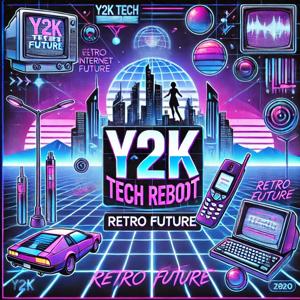
Y2K Tech Reboot:  Retro Future

Y2K Tech Reboot: Retro Future

By Inception Point AITechnology
Download on the App Store

Y2K Tech Reboot: Retro Future episodes

  • Y2K Tech Revival Sweeps 2025: Nostalgia Meets Innovation in Gadgets Fashion and Digital Culture
    Y2K Tech Reboot: Retro Future is more than a trend—it's a cultural movement rippling through tech, fashion, and entertainment in 2025. Leaning into the bold, shimmering aesthetics of the late 90s and early 2000s, creators and innovators are tapping into nostalgia while pushing the boundaries of contemporary design. If you’ve caught flashes of translucent gadgets, chunky hardware, and cyber-inspired visuals on social media or in the latest pop-ups, you’ve seen this movement in action.
    Motorola and Paris Hilton recently teamed up for a limited-edition Razr+ collection, causing waves in the style and tech press. The collaboration is a direct nod to the era’s iconic clamshell phones, resurrecting iridescent finishes and playful, futuristic looks. According to cChic Magazine, this kind of throwback technology is being embraced not only for its look but also as a statement of individuality in a digital age increasingly defined by uniformity and synthetic AI content.
    This retro-futurist theme is also leaving its mark on contemporary art and entertainment. At the COEX fair in Gangnam, running through September 6, leading artists are blending nostalgia with new-media storytelling, showcasing hardware displays and interactive installations inspired by Y2K’s optimism about the future. Hypebeast highlights how some creators are integrating fluorescent palettes and pixel art, referencing early internet culture and gaming, and weaving them with today's AI to captivate digital-native audiences.
    In music, techno DJ remix packs released this week are awash in Y2K-style artwork and naming conventions, echoing the sound and sensibilities of late 90s club scenes. DJPoolRecords points to an uptick in high-energy tracks and “burning” beats, as producers dig into analog synths and washed-out samples to recapture the spirit of a pivotal period in electronic music.
    Brands from Oakley to BMW are engaging with the Y2K tech reboot as well. Oakley’s latest eyewear employs hyper-modern materials, but the visual branding leans on graphics and patterns reminiscent of early-2000s extreme sports and cyberpunk. Meanwhile, BMW’s new campaigns, according to Muse by Clios, directly address the current counterculture's desire for authenticity, offering a stark contrast to polished, AI-driven messages by focusing on real-life legacy and tangible experiences, echoing the hands-on, tactile relationship many had with technology at the turn of the millennium.
    All these threads—the limited-edition gadgets, immersive exhibits, alternative music drops, and marketing campaigns—suggest listeners are hungry for ways to reconnect with a vision of the future that promised both spectacle and sincerity. The Y2K tech reboot doesn’t just mine the past for aesthetic value; it reignites a sense of wonder and possibility, celebrating the playful optimism that made the era so memorable.
    Thank you for tuning in, and don’t forget to subscribe. This has been a quiet please production, for more check ou
    This content was created in partnership and with the help of Artificial Intelligence AI.
    4 min
  • Y2K Tech Revival Transforms Culture: Nostalgic Innovations Blend Retro Aesthetics with Cutting-Edge Technology in 2025
    Y2K Tech Reboot is sweeping pop culture, delivering a surge of retro-futurist nostalgia across design, technology, and entertainment. As listeners tune in on September 2, 2025, they’re witnessing a wave of fresh innovations inspired by the blurry optimism and digital quirks of the turn-of-the-millennium era. This revival isn’t just about aesthetics—it’s become a launchpad for new tech products, marketing campaigns, and even art installations that evoke the hope and anxiety of the original Y2K moment.
    This week, the CEDIA Expo 2025 highlighted the retro future theme, showcasing Best of Show contender Disguise’s immersive racing simulator, which merges vintage gaming visuals with advanced simulation algorithms. According to SmartBrief, the expo is emphasizing how Y2K nostalgia is moving beyond visual style, integrating classic tech motifs like pixel art and translucent casings into next-gen devices to draw in millennials and Gen Z who never got to experience the original craze. The vibrancy of this movement was also seen in Vera Bradley's marketing efforts, as Muse by Clios reports that the brand harnessed Y2K and girlhood nostalgia to connect deeply with their community—a campaign inspired by teenage fanfic fantasies from the early 2000s.
    In cities like Detroit, local tech scenes are using the retro future vibe to fuel urban transformation projects. A viral TikTok video declared that Detroit is not just bouncing back—it’s moving boldly forward with tech, food, and design initiatives that nod to the optimism of the early 2000s while pushing firmly into tomorrow. This synergy of past and future is making the city’s streets a living exhibit of Y2K-inspired creativity.
    The entertainment sector isn’t missing out, either. Disney’s Tomorrowland expansion is bringing in The Fantastic Four this summer, alongside rumors of Cars-themed rally attractions using track-based ride systems that will draw from the playful, high-energy visuals of the 2000s. What’s Up Mickey has reported park guests clamoring for these new experiences that evoke the daring, playful spirit of Y2K innovation and storytelling.
    At the heart of this reboot is a major cultural realization: audiences crave stories that offer both comfort and a sense of transformation. Marketing guru insights on Muse by Clios describe how AI is democratizing the impossible, letting creators reimagine surreal, joy-inducing ads reminiscent of Cadbury’s famous drumming gorilla or Guinness’s mythic surfers—each one a masterclass in channeling retro vibes for modern impact.
    Listeners are urged to keep an eye out for special events, exhibitions, and product launches marrying millennial nostalgia with cutting-edge tech. Whether it’s collectible POP MART figures nodding to classic cartoon aesthetics or redesigned gadgets featuring translucent panels and chunky buttons, the retro future is unmistakably in vogue. This new wave is more than a trend—it’s a cultural reset, inviting everyone to re-experience the digi
    This content was created in partnership and with the help of Artificial Intelligence AI.
    4 min
  • Y2K Tech Reboot Revives Millennium Era Nostalgia with Sustainable Innovation and Futuristic Design in 2025
    Listeners, in 2025, the Y2K Tech Reboot: Retro Future movement has swept across culture and technology, inviting a fusion of millennium-era nostalgia and digital innovation that is shaping everything from fashion to music and artificial intelligence. This global phenomenon is far more than a simple throwback to the days of flip phones, fluorescent aesthetics, and bulky desktops—it's an inspired reinvention, where Gen Z and digital creatives breathe new life into the optimism of the early 2000s.
    The Y2K Tech Reboot: Retro Future podcast, hosted by Syntho, an AI, is at the forefront of documenting this trend. Syntho guides listeners through the vibrant interplay of past aspirations and today’s advancements, reflecting on the missed and realized technological predictions of the Y2K era. Recent episodes highlight the resurgence of designs once dreamed up by early internet visionaries, now embodied in everything from holographic user interfaces to the widespread comeback of iridescent and translucent plastics across consumer tech, as detailed in the show's latest broadcast.
    According to QP - Daily, 2025 is witnessing Y2K nostalgia colliding with new waves of innovation, sparking what some call a digital renaissance. Gen Z, in particular, is reimagining Y2K style for a sustainable future. Fast fashion houses and independent designers are rolling out collections that blend chunky hardware with recycled materials, seamlessly merging futuristic silhouettes with throwback textures and patterns. This shift is deeply evident in tech wearables: smartwatches with retro-futuristic seashell curves, handsets drenched in neon, and even AI companions that sport pixel-art personalities reminiscent of Clippy and Tamagotchis.
    Music and art are not left behind. Swedish indie bands are dropping vinyls described by Piccadilly Records as “lo-fi yet triumphant,” echoing the playful rebellion of early 2000s punk and pop, all while leveraging modern, AI-assisted production techniques. Meanwhile, creators on platforms like TikTok are championing “cyber-organic” art styles that blend Y2K’s digital optimism with today’s virtual reality, bringing new depth to home-grown artistic innovation as seen in recent viral exhibitions.
    Listeners are also embracing the philosophy of “retro optimism,” a hopeful attitude pulled from the canon of Y2K dreams. As the world negotiates hyper-connected living, this outlook is inspiring communities to slow down and revisit digital joy—hosting LAN parties, coding after-school projects on open-source forums, and participating in public art installations that reimagine the cities of tomorrow with the glow of yesterday’s pixelated ambition.
    Thank you for tuning in to this look at Y2K Tech Reboot: Retro Future and the creative energy lighting up 2025. Be sure to subscribe for more tech culture journeys. This has been a quiet please production, for more check out quiet please dot ai.
    Some great Deals https://amzn.to/49SJ3Qs
    For more check out htt
    This content was created in partnership and with the help of Artificial Intelligence AI.
    4 min
  • Y2K Tech Reboot: How Retro Nostalgia Transforms Modern Design and Technology in 2025
    Welcome back and thanks for tuning in. Today’s story dives into the vibrant world of Y2K Tech Reboot: Retro Future, a movement that’s exploded across pop culture, design, and technology circles as the 2000s aesthetic continues its resurgent run in 2025. As digital natives hunt for authenticity amid AI-slick experiences, the signature style of the Y2K era – think glossy plastics, neon hues, and pixelated optimism – has become a grounding touchstone for new generations and nostalgic veterans alike.
    Major brands and independent creators alike have embraced the Y2K Tech Reboot, blending early digital chic with contemporary sensibilities. This retro-futuristic approach surfaced in everything from device design to fashion and music, fueling collaborations and capsule collections that celebrate the playful cyber-dreams of the dotcom heyday. Just this week, South Korean retailer Worksout unveiled a commended streetwear drop fusing Y2K charisma with modern street style, drawing crowds of young listeners craving that blend of nostalgia and novelty. Posts circulating on their official Instagram highlight the electric appeal of puffer jackets, cargo pants, and metallic accessories echoing late ’90s hardware and game consoles.
    But the Retro Future trend isn’t just about looks. Tech companies are rolling out reimagined devices and limited editions that pay homage to iconic gadgets of the past – all while delivering cutting-edge performance. Translucent casings and candy-colored shells, reminiscent of classic iMacs and MP3 players, are making a comeback in 2025’s latest phone and laptop lines. Some industry leaders credit the surge to a widespread desire for products that evoke both familiarity and optimism in a changing digital age. The Verge recently described a wave of “comfort tech” behind these launches, as listeners seek connection with the playfulness and pioneering spirit of pre-social media web culture.
    Meanwhile, the exhibition circuit has amplified interest, with pop-up events, art shows, and digital galleries themed around the Y2K Tech Reboot appearing in cities from Seoul and Tokyo to New York and London. These immersive showcases don’t just display vintage hardware or archive digital art, they invite visitors to experiment hands-on with inspired tech and attend workshops on Web 1.0-era coding, design, and digital art forms. Attendees report a refreshingly optimistic spirit: a reminder of an age when the internet felt infinite, mysterious, and full of creative possibility.
    For brands, creators, and tech innovators, embracing the Y2K Tech Reboot isn’t just about revisiting old designs – it’s a celebration of a tech-infused optimism and a future that doesn’t forget its roots. Thanks for tuning in, and don’t forget to subscribe for more stories on the heart of culture and innovation. This has been a quiet please production, for more check out quiet please dot ai.
    Some great Deals https://amzn.to/49SJ3Qs
    For more check out http://www.quietplease.
    This content was created in partnership and with the help of Artificial Intelligence AI.
    4 min
  • Y2K Tech Revival Transforms 2025: Nostalgia Meets Innovation in Cutting-Edge Retro Digital Renaissance
    Y2K Tech Reboot: Retro Future is the unexpected phenomenon of 2025, where innovation and nostalgia now fuse in every corner of technology, design, and culture. The resurgence started quietly last year, but this summer, it’s unmistakable: chunky translucent plastics, pixel art, and the unmistakable dial-up whine are not only back—they’re fueling an entire ecosystem of creativity.
    Industry analysts at Wired reflect that many Gen Z and Millennial creators, fatigued by AI sameness and algorithm-driven trends, are rediscovering the early internet’s aesthetics and rebellious spirit. This retro-tech revival isn’t about irony or escapism, but about a real hunger for tactile gadgets and interfaces with a sense of individuality. The new Y2K reboot skips the kitsch, pulling the best from the past and shaping it for now: think flip phones retooled with today’s processors, MP3 players that sync seamlessly with cloud libraries, and software emulators wrapped in neon interfaces.
    Fashion is at the heart of the movement. Paris and Tokyo techwear houses are collaborating again with vintage brands like Motorola and Casio to release limited-run devices and accessories. According to Hypebeast, the July launch of a special edition translucent Casio calculator watch sold out in minutes. Even gaming giants are joining the fuse. Nintendo’s summer release of the GameBoy Pocket Neo—a device that supports both classic cartridges and downloadable indie titles—drew lines in Chicago and London, echoing old hardware launches that felt more like parties than transactions.
    Music, too, pulses with Y2K nostalgia. Confidence, an icon on the East Coast underground, teamed up with Boston’s M-Dot on the new track Rollercoaster. As extravafrench.com describes, this single reanimates not just old-school boom-bap beats, but also the sample-based, soulful textures of turn-of-the-millennium rap. No algorithm-driven playlist could ever capture the handcrafted detail and urgency of Confidence’s groove, making tracks like these the anthem for a generation seeking connection over convenience.
    Tech conferences are noticing. The Retro Future track at this summer’s Web Revival Fest in Berlin had record crowds of developers and designers demoing everything from refurbished CRT monitors to palm-sized PDAs. The draw, organizers note, is not mere sentimentality but a technical curiosity: why did earlier systems, with their simple code and failure-prone hardware, feel more fun to use? Today’s tinkerers argue it’s about limits, and the creativity those limits spark.
    Even in corporate boardrooms, a Y2K reboot is more than a passing trend. Deloitte’s June report on tech consumer habits found increased demand for gadgets that blend simplicity and security—a sharp turn from last year’s obsession with seamless, always-on connectivity. Users fatigued by privacy concerns and digital overload are embracing flip phones for focused communication and dedicating certain hours to “retro mode” digital downtime.
    This content was created in partnership and with the help of Artificial Intelligence AI.
    5 min
  • Y2K Tech Revival Sweeps 2025 as Nostalgia Meets Innovation in Digital Culture Reboot
    Y2K Tech Reboot: Retro Future is having a moment in 2025, as tech enthusiasts, designers, and digital creators reconnect with the playful optimism and distinctive aesthetics of late 1990s and early 2000s technology. This fascination is more than nostalgia—it’s a full-blown cultural revival echoing through fashion, user interface design, and even the ways listeners engage with today’s digital world. According to TikTok trend trackers and tech culture analysts, Y2K motifs now permeate everything from mobile apps to web design, with bold colors, chrome accents, and bubbly fonts giving a fresh, irreverent twist to our AI-powered era.
    This wave of retro-futurism isn’t just about visuals. Tech companies are relaunching classic devices. Several startups have recently announced “reboot” versions of early 2000s handhelds and MP3 players, now equipped with 2025’s wireless protocols and voice assistants but retaining their chunky buttons and translucent cases. It’s a minor sensation on platforms like TikTok, where creators film unboxings and reviews with the loving detail usually reserved for luxury watches. Amra and Elma point to how top influencers are not only moodboarding Y2K fashion, but also setting their rooms and workspaces with old school tech—CRT monitors, gaming consoles, even tamagotchi pets on lanyards—all blending into their “aesthetic universe.”
    The entertainment sector is surging with reruns of classic retro-futurist hits. According to TV Insider, FXX just finished a “Futurama Y2K Weekend” marathon, and Spider-Man’s 2002 film trilogy has been trending on streaming. Developers are designing new games with primitive polygons, grainy filters, and synthwave soundtracks, targeting gamers who crave pixelated joy and simplicity over photorealistic overload.
    Automobility is also indulging in retro cues. The Car Connection highlights that the 2025 Tesla Model S features a limited edition “Cyberchrome” trim: all-blue dash lighting, bubble fonts in the infotainment system, and selectable sound bites that mimic the Windows 98 boot chime. Tesla’s playful nod pokes fun at the Y2K bug panic of 1999, but with current AI safety top of mind, makers are embracing old-school failsafes, urging users to back up their data and offering analog controls in case of digital hiccups.
    What’s fueling this Y2K resurgence? Part of it is cyclical: twenty-five years out, adults who grew up with dial-up and plucky startup sounds are now the architects of digital culture and want to revive the optimism that colored their first experiences online. According to culture trend analysts, Y2K’s style signals a trust in technology’s promise—affection for progress before the heaviness of big data and privacy concerns reshaped our relationship with the web.
    Fashion walks hand in hand with these tech trends. A slew of TikTok influencers, as tracked by Amra and Elma, are building full-color stories around legacy tech designs: think metallic vinyl jackets, chunky platform sneakers, a
    This content was created in partnership and with the help of Artificial Intelligence AI.
    5 min
  • Y2K Tech Reboot Sparks Nostalgic Revolution: How 2000s Aesthetics Are Reshaping Fashion, Music, and Technology in 2025
    Y2K Tech Reboot: Retro Future is more than a trend—it's a cultural phenomenon weaving nostalgia with innovation in 2025. Across fashion, technology, and music, the retro-futuristic fever once associated with the year 2000 has made a striking return, embracing the flashy optimism and bold minimalism of the turn-of-the-millennium aesthetic. From baggy denim loaded with oversized stars to distressed vests and unisex cargo shorts, streetwear brands like KIIKIO are seeing unprecedented demand for Y2K-inspired silhouettes. Their new arrivals put patchwork, gothic fonts, and acid-wash finishes front and center, combining early-2000s attitude with a modern street sensibility for summer looks and beyond.

    The artistic revival extends to collectibles, with toy culture experiencing a boom reminiscent of the Y2K craze. The Beat Asia reports a surge in the popularity of POP MART’s designer art toys, especially the mischievous Labubu and the iconic Molly, which have turned blind-box hunting into a global pursuit. With prices ranging from affordable pocket charms to rare figures fetching thousands of Hong Kong dollars, today's collectors channel the same excitement as the first wave of millennium-era tech enthusiasts—except now, the unboxing experience is live-streamed and instantly shared with worldwide communities.

    Music, always reflective of its era, also taps the retro future. The 2025 pop and rap landscape celebrates both nostalgia and reinvention. According to Vipywood, German rap sensation Shirin David dominates with her “Schlau aber Blond” tour, pairing bold visuals and production with Y2K-style choreography and stage design. Meanwhile, legendary acts like Oasis stun fans with anticipated reunion tours, delivering live nostalgia to venues packed with multi-generational concertgoers. These events are as much about reliving classics as they are about watching the next chapter of Y2K influence unfold onstage.

    In the digital world, social media has amplified Retro Future’s reach. TikTok and Instagram pulse with millions of hashtags dedicated to Y2K fashion hauls and tech revelations. The renewed fascination with classic gadgets, like translucent Game Boys and clamshell phones, is fueled by creators who restore and mod these relics, showing listeners how yesterday’s tech can be reinvented for today’s lifestyles. There’s a sense that, while technology keeps racing forward with AI and quantum computing, the DIY spirit of the late 1990s—when hacking, customizing, and personalizing were integral to youth culture—is more relevant than ever.

    Events, conventions, and pop-up exhibitions also embrace the Y2K Tech Reboot. Attendees are drawn by interactive installations blending CRT monitors, neon lighting, and cyberpunk visuals with immersive VR and AR experiences. These spaces feel like walking into a pixelated dream of 1999, where vintage and futuristic merge; they cater not only to memory-seekers but also to the generations shaping the post-2020s landscape.

    Why does Retro Future resonate so powerfully in 2025? Many point to the intertwined anxieties and promises of technology: the Y2K years originally symbolized both a digital utopia and fears of catastrophic failure. In today’s world, facing real challenges like AI disruption and climate urgency, reclaiming the aesthetics and optimism of that era offers comfort—and a blueprint for hope. Nostalgia becomes a toolkit, with the revival of chunky hardware, iridescent color palettes, and euphoria-laced pop soundtracks feeding a desire for tangibility and whimsy in a relentlessly connected age.

    Listeners, thank you for tuning in to this journey through Y2K Tech Reboot: Retro Future. If you enjoyed this, don't forget to subscribe. This has been a quiet please production, for more check out quiet please dot ai.

    Some great Deals https://amzn.to/49SJ3Qs

    For more check out http://www.quietplease.ai
    5 min
  • Y2K Tech Revival Sweeps 2025: How Retro Nostalgia and Digital Optimism Are Reshaping Fashion and Technology
    Y2K Tech Reboot: Retro Future is more than just a style trend—it's a cultural movement reigniting the electric optimism, chunky design, and cyber-curiosity of the turn of the millennium. Now in 2025, listeners are seeing Y2K’s bold vision everywhere, not just on the runways or in digital art spaces, but in the very technology and everyday items that define our routines. Fashion retailers like KIIKIO are running limited-edition anniversary sales with oversized star-patchwork denim shorts and futuristic distressed vests, all inspired by Y2K’s iconic blend of rebellion and digital-age hope. The resurgence, marked by panel-stitched pieces, bold graphics, and washed-out finishes, reflects a nostalgia for a time when tech’s future seemed almost magical and limitless, making summer streetwear feel part digital utopia, part end-of-the-century underground.
    Recent events like Retro Gaming Week 2025 reinforce just how deeply this resurgence connects with listeners. How-To Geek highlights packed online forums as fans rediscover the tactile joys of classic consoles and 7-segment displays. TurnerNet’s news feed is flush with projects revamping vintage hardware—one such effort involves constructing elaborate cooling loops for aluminum-cased PCs, capturing not just technical know-how but the playful inventiveness celebrated at the dawn of Y2K. Hackaday has published stories about reverse engineering the Tony 6502-based mini arcade machine, reigniting interest in DIY electronics. This hands-on approach to retro tech is no longer a niche hobby. It’s become mainstream—discrete component challenges, soldering sessions, and even new watches that revive beloved brands are now weekly highlights in the real and digital worlds.
    There’s a meaningful undercurrent to the Y2K reboot beyond aesthetics. The Demoscene movement and chiptune music, referenced in the latest Hackaday Podcast, underscore a longing for creativity without boundaries—echoing how early hackers blended art with code. This nostalgia runs alongside real digital innovation; from modern Linux terminals offering retro-style navigation tools to the return of bold, deliberately divisive designs in games, which spark conversation around creativity, disruption, and individual taste. According to TurnerNet, even major mobile manufacturers are recalling now-classic colorways, urging Apple to revive early iPhone hues to complement this app-driven retro revival.
    But probably most compelling is how the Y2K tech reboot reflects our current search for optimism. The original Y2K era was both anxious about digital disaster and enchanted by what computers promised. Today, as AI looms large, listeners sense many of the same questions: What if technology again offers new beginnings rather than just convenience or profit? Artists are drawing inspiration from old tech magazines and design guides—PicClick Italy even reports a collector boom in print materials from 1970 onward, especially those with Y2K content, fueling an ap
    This content was created in partnership and with the help of Artificial Intelligence AI.
    5 min
  • Y2K Tech Nostalgia Resurges: How Gen Z Reimagines Retro Futurism with Sustainable Style and Digital Innovation
    It’s July 2025 and the world is seeing a remarkable resurgence of Y2K tech nostalgia, but this retro movement is about more than dressing like it’s 1999—it’s reshaping youth culture, design, and even how we interact with modern technology. The Y2K Tech Reboot, often called Retro Future, is capturing imaginations everywhere. According to POP Fashion’s latest trend report, the Y2K aesthetic dominates everything from clothing to home design. The term “Y2K” originally referred to both a global technology scare and the playful, techno-gloss look of the late ‘90s and early 2000s. Now, this gloss has been updated by Gen Z and young millennials: listeners are seeing metallic fabrics, iridescent finishes, pastel plastics, butterfly clips, and chunky sneakers reappearing on city streets and runways from New York to Seoul.
    Reebok just dropped a new line where retro icons meet futuristic tech. These sneakers sport clear LCD panels and holographic logos, merging the blocky comfort of 2002 with today’s sustainability and advanced materials. Urban Lifestyles SA reports that limited runs are selling out within minutes, sometimes crashing release websites—a fitting echo of the dial-up era’s slow downloads, but with a modern twist. Meanwhile, coffee culture is also infusing with Y2K energy. Dallasites101 shared news of a new Y2K-inspired vintage studio and espresso bar in Dallas where the drink menu’s names are straight out of a Netscape homepage: “Java Jammer,” “Blue Screen Buzz,” and “Glitch Mode Macchiato” are top sellers. Chrome-legged chairs and translucent neon decor set the scene, inviting listeners to take selfies with retro flip phones—yes, the Motorola Razr is cool again, but this time with folding OLED screens tucked inside the classic shell.
    Anime and entertainment haven’t missed this movement either. Solaris Japan’s popular TikTok reveals that beloved early-2000s series like Ouran High School Host Club are getting high-profile reboots with VR integration and hyper-detailed collectible figures. A new generation is discovering these characters through immersive tech, blending digital and physical worlds in a style that reflects both nostalgia and innovation. Of course, Y2K chic goes far beyond surface. According to POP Fashion Info, brands are leaning into agender silhouettes, upcycling, and smart fabrics that change color with temperature or touch, bringing the “futuristic geek CHIC-LO” energy into the mainstream. The ethos is clear: playfulness and optimism, but with an updated conscience for sustainability and inclusivity.
    What’s fueling the Y2K Tech Reboot? Experts suggest it’s partly a reaction to rapid social and technological change. When everything seems new and uncertain, retro touchstones make listeners feel connected and grounded. But there’s also a powerful element of optimism. The original Y2K era was a time of tech dreams, even if it came bundled with the Y2K bug panic. By remixing old-school design with new digital realities—from weara
    This content was created in partnership and with the help of Artificial Intelligence AI.
    4 min
  • Y2K Tech Revival Sweeps 2025: How Nostalgia Meets Innovation in Fashion, Art, and Digital Culture
    Y2K Tech Reboot: Retro Future captures a cultural moment where listeners are drawn to the optimistic edge and playful experimentation of turn-of-the-millennium technology. Across design, music, art installations, and even streetwear, 2025 is witnessing a resurgence of Y2K-era aesthetics, sometimes with an ironic twist, more often with a sincere yearning for the tactile, the colorful, and the imaginative forms of early digital living. This isn’t just about nostalgia—it’s about reinterpreting the past to make it thrillingly new.
    Nike’s latest Air Max Plus “Sunset” and the rebirth of the Vomero 5, as highlighted by LaceTäg, show streetwear merging Y2K tech principles with modern spiritual calm. Airy mesh, aqua glow palettes, and those signature futuristic vibes blend retro optimism with cutting-edge comfort, proving that cyber-inspired design isn’t just a fashion statement but a lifestyle aspiration. Streetwear precision meets spiritual calm, and tech-forward brands are doubling down on the distinctive Y2K palette—soft blues, metallic silvers, and high-contrast neons—while using materials that evoke both nostalgia and a forward-looking edge.
    On the cultural front, Yinka Ilori MBE’s public art installation, 100 Found Objects, lines Fulham Pier in London, drawing inspiration from the artifacts and memories characteristic of late-90s and early-2000s urban life. The exhibit uses lenticular panels—those shimmering, motion-sensitive images so emblematic of Y2K pop culture—to reframe history through contemporary eyes. According to The Wordrobe, this is more than an homage; it invites communities to engage, remember, and reinterpret the objects that shaped their collective memory, echoing the Y2K spirit that believed in technology’s power to connect and inspire.
    Music hasn’t escaped the trend, either. M-Dot and Confidence’s single Rollercoaster, spotlighted by ExtravaFrench this month, doesn’t just reference the golden era of rap but updates the tradition with soulful, sample-driven beats and storytelling fueled by the energy of Y2K’s boom-bap. Albums like Library Of Sound, due later this summer, reaffirm how yesterday’s sonic palette can be sharpened for today’s listeners. Here, old-school production values meet digital immediacy, and the result is both classic and cutting-edge.
    Events worldwide are channeling the Y2K reboot. In Toronto, the Y2K Sapphic Dance Party promises a return to iPod shuffle rules, where attendees curate the playlist—an ode to a simpler time when music discovery was tactile, communal, and delightfully unpredictable, as featured on Yohomo. Meanwhile, drag shows, cabarets, and queer culture events across major cities are using Y2K as both an aesthetic and a rallying cry for creativity over conformity.
    Even Hollywood can’t resist. Toy Story 5, set to debut next year, is pitting beloved characters against new tech-savvy toys. Pixar’s Pete Docter describes it as a story where toys meet tech, reflecting society’s ongoing fascination
    This content was created in partnership and with the help of Artificial Intelligence AI.

    5 min

About Y2K Tech Reboot: Retro Future

From the publisher's feed

This is your Y2K Tech Reboot: Retro Future podcast.