Y2K Tech Reboot:  Retro Future

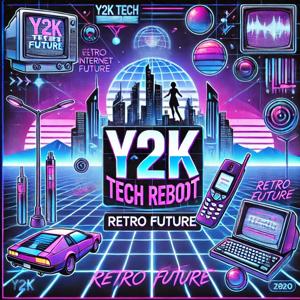
Y2K Tech Reboot: Retro Future

By Inception Point AITechnology
Download on the App Store

Y2K Tech Reboot: Retro Future episodes

  • Y2K Tech Reboot Transforms Nostalgia into Cutting-Edge Innovation with AI, Design, and Retro-Futuristic Electronics
    Listeners, 2025 marks a quarter-century since the Y2K bug became a harmless blip instead of the feared digital apocalypse, but its legacy now fuels one of this year’s most dynamic trends: the Y2K Tech Reboot, also known as the Retro Future movement. This phenomenon is far more than nostalgia-driven window-dressing. It is a cultural and technological renaissance blending the playful optimism and bold design of the late 1990s and early 2000s with the latest advancements in AI and consumer electronics[2][4][5].
    Tech giants have jumped headfirst into the movement. Apple’s limited-edition iMac G3-inspired desktop grabbed headlines with translucent colors echoing the iconic 1998 model, while rivals unveiled devices with chrome trim, bold neon, and tactile controls that recall a pre-touchscreen era[4]. Even wearable technology echoes the chunky forms and metallic accents of Y2K accessories, giving a refreshingly familiar look to smartwatches and AR glasses[4]. Nintendo’s soon-to-launch Game Boy Advance update stays true to its classic shape but adds state-of-the-art holographic displays—a vivid merge of tactile nostalgia and futuristic visuals[4].
    Artificial intelligence tech has taken cues from retro culture, too. Virtual assistants now feature pixelated avatars and old-school sound effects, making digital interactions more playful and approachable[5]. Meanwhile, the fashion world has harnessed this aesthetic, with smart textiles and AI-generated styles hitting the runways at May’s Fashion Tech Forum, turning models into visions of Y2K-meets-digital couture[4].
    At the heart of this Retro Future is a spirit of creativity and innovation, not just reminiscence. The movement captures Y2K’s once-daring dreams, amplifying them with technologies that were science fiction a generation ago. Today, listeners are not simply looking back but are invited to participate in a reimagined digital renaissance—one where past and future unite in immersive, inventive ways[1][2][5]. The Y2K Tech Reboot is more than a trend; it’s a cultural launchpad, revitalizing the bold imagination of a new millennium.
    This content was created in partnership and with the help of Artificial Intelligence AI.
    3 min
  • Y2K Tech Reboot Sparks 2025 Digital Renaissance: Nostalgia Meets Cutting-Edge Innovation in Cultural Revival
    The Y2K Tech Reboot: Retro Future movement stands as one of 2025’s most captivating cultural and technological resurgences, celebrating the 25th anniversary of the iconic Y2K moment. As listeners enter the mid-year, the blending of nostalgia for turn-of-the-millennium digital optimism with advanced modern innovation has become a defining feature of the current era. This movement is not merely about surface-level aesthetics but represents a philosophical revival—one where playful defiance and boundless optimism, hallmarks of the late 90s, are reimagined through today’s technological lens.
    The Y2K Tech Reboot: Retro Future phenomenon is reshaping industries across the board. Consumer electronics, fashion, and digital culture are witnessing a wave of Y2K-inspired designs that fuse retro elements with contemporary functionality. Recent episodes of the cult-followed podcast hosted by AI personality Syntho highlight how 2025’s gadgets are being redesigned with vibrant, metallic finishes and pixelated motifs, all while harnessing the power of artificial intelligence and advanced connectivity[3][5]. The podcast journey revisits the bold tech prophecies and anxieties of the Y2K era, offering fresh perspectives on how yesterday’s dreams—smart homes, wearable tech, and even the metaverse—have matured into today’s everyday reality[5].
    Beyond tech, the movement is making waves in the art world. Artist Kennedy Yanko’s “Retro Future” exhibition in April transformed a landmarked townhouse into a space where sculptures bridged past and present, visually narrating the convergence of old and new[5]. The momentum behind the Y2K Tech Reboot continues to build, as listeners and creators alike embrace a digital renaissance that honors historical tech insights while propelling forward with relentless innovation. This movement proves that looking back at the past can inspire a brighter, more inventive digital future.
    This content was created in partnership and with the help of Artificial Intelligence AI.
    3 min
  • Y2K Tech Reboot: How Nostalgic Design Meets Cutting Edge Innovation in 2025s Digital Renaissance
    Listeners, 2025 has become the stage for a remarkable cultural and technological revival known as the Y2K Tech Reboot: Retro Future movement. Capturing the imagination of a generation, this phenomenon blends the optimism and playful spirit of the late ’90s and early 2000s with the cutting-edge capabilities of today’s technology. Far from being just about nostalgia, this trend has inspired a fusion of past and present, shaping everything from consumer electronics to fashion and gaming.
    This spring, Apple grabbed headlines with its limited edition iMac G3-inspired desktop, cloaked in translucent colors that call back to the iconic 1998 design. It didn’t take long for other tech giants to follow, unveiling products with nods to chrome trim, bold neon, and tactile controls reminiscent of a pre-smartphone era. Wearable tech now mirrors the chunky forms and metallic sheen of Y2K accessories, giving smartwatches and augmented reality glasses a fresh yet familiar look. Gaming is also in the midst of a retro renaissance, with Nintendo’s forthcoming Game Boy Advance update keeping the classic shape but adding advanced holographic displays, merging tactile nostalgia with futuristic visuals.
    Artificial intelligence is joining the party too, with developers updating chatbot and assistant interfaces using pixelated avatars and old-school sound effects, making interactions feel playful and approachable. Meanwhile, the fashion world recently leapt ahead at the May Fashion Tech Forum, where designers showcased smart textiles and AI-generated styles merging Y2K aesthetics with digital couture, turning runways into immersive, tech-driven spectacles.
    Across podcasts and expos, the Retro Future isn’t just a look back; it’s a launchpad for creativity, inviting listeners to rediscover the thrill of Y2K’s bold imagination, now enhanced by today’s most advanced technology. As this digital renaissance accelerates, the Y2K Tech Reboot proves that the best way to shape the future might just be to reimagine the past[2][1][5].
    This content was created in partnership and with the help of Artificial Intelligence AI.
    3 min
  • Y2K Tech Reboot 2025: How Nostalgic Design Meets Cutting Edge Innovation in Digital Culture
    Listeners, the Y2K Tech Reboot: Retro Future movement has emerged as one of 2025's most captivating cultural phenomena. As we mark the 25th anniversary of the infamous Y2K moment, this nostalgic revival is transforming our technological landscape by beautifully blending turn-of-the-millennium aesthetics with today's cutting-edge innovation.
    Just two weeks ago, on May 29th, the movement reached new heights as it was featured in a comprehensive podcast examining how this retro-futuristic approach is reshaping our digital world. The fusion of nostalgic design with modern functionality has captivated tech enthusiasts across generations, creating a unique bridge between past optimism and future vision.
    The podcast, hosted by an AI named Syntho, takes you on a journey through the technological predictions of the Y2K era while offering fresh perspectives on how those early digital dreams compare to our current reality. This nostalgic wave isn't merely aesthetic—it's transforming how we interact with technology in 2025.
    Earlier this spring, consumer electronics underwent a remarkable transformation as gadgets were redesigned with Y2K-inspired elements while maintaining their advanced technological capabilities. This marriage of retro design and contemporary function has particularly resonated with Millennials and Gen Z, who are driving this cultural revival.
    Beyond technology, the movement has permeated fashion, media, and art. The Y2K aesthetic—characterized by metallic sheens, bold colors, and pixelated exuberance—now dominates runways and social feeds, enhanced by digital innovation.
    As the retro future movement accelerates, Y2K's playful defiance and optimism have found new life—not just as an aesthetic, but as a philosophy. The movement invites us to reconsider the technological predictions and anxieties of the millennium's turn, now reframed through our present reality where yesterday's far-fetched dreams have become commonplace, while simultaneously questioning which of our current predictions will define the decades ahead.
    This content was created in partnership and with the help of Artificial Intelligence AI.

    3 min
  • Y2K Tech Reboot 2025: How Millennials and Gen Z Revive Nostalgic Designs with Cutting Edge Technology
    Listeners, 2025 has become the stage for a remarkable cultural and technological phenomenon: the Y2K Tech Reboot, known as the Retro Future movement. On the 25th anniversary of the original Y2K moment, this revival isn’t just about nostalgia—it's about fusing the optimism and bold aesthetics of the turn of the millennium with today’s most advanced technologies[1]. In a recent episode hosted by AI personality Syntho, the story of how our world is being reshaped by Y2K-inspired visions unfolds, showing how the playful, metallic, and translucent designs once dreamed up in the 1990s are suddenly back on everything from smartphones to smart home devices[3].
    Earlier this spring, a surge of interest in retro-futuristic gadgets became impossible to ignore as manufacturers rolled out devices with chunky curves and playful colors reminiscent of the dot-com era, all while packing AI-powered features and next-gen connectivity beneath the hood[2]. The movement has caught fire among Gen Z and Millennials, who see it as a way to reclaim the positive energy and unbridled dreams that defined the dawn of the digital age.
    This tech nostalgia has also spilled into the arts. In April, acclaimed artist Kennedy Yanko premiered "Retro Future" at Salon 94, filling a landmark townhouse with sculptures that bridge past optimism and futuristic ambition, echoing the spirit of the rebooted Y2K movement.
    Fashion, meanwhile, is surging ahead, with the recent Fashion Tech Forum in May spotlighting AI-designed streetwear, digital couture, and “phygital” experiences that merge real-world and virtual style. Brands weave Y2K motifs into collections powered by Web3 authentication, giving each piece a digital twin and new meaning in the metaverse[4].
    The Y2K Tech Reboot: Retro Future is more than a passing trend—it’s a renaissance where the past’s brightest digital dreams fuel the innovations of tomorrow, reminding us that the future has always been, and remains, a canvas for creativity[1][2][3].
    This content was created in partnership and with the help of Artificial Intelligence AI.
    3 min
  • Y2K Tech Reboot Transforms Nostalgia into Cutting Edge Innovation Blending Retro Aesthetics with Futuristic Digital Possibilities
    Listeners, as we arrive at June 2025, the Y2K Tech Reboot: Retro Future movement stands at the forefront of culture and innovation. Now twenty-five years after the Y2K bug fizzled into anti-climax, this new wave channels the optimism and playful defiance of the late-1990s digital boom while embracing the technologies that have since transformed our world. The retro future isn’t just an aesthetic—it's a philosophy reshaping technology, fashion, and pop culture all at once[3][2].
    Podcasts like “Y2K Tech Reboot: Retro Future,” hosted by AI personality Syntho, are drawing in a new generation of tech enthusiasts eager to see how early-2000s dreams—like smart homes and wearable electronics—have evolved from speculation into reality. These conversations blend nostalgia with critical insight, questioning which predictions of today might set the tone for the decades ahead[1][3]. Listeners are flocking to these discussions to rediscover the energy of an era defined by pixelated exuberance and the anticipation of an unknown digital frontier.
    In fashion, the resurgence is unmistakable. Y2K’s signature metallics, bold logos, and cheeky minimalism are back, upgraded for the digital age with AI-generated couture, virtual try-ons, and blockchain-backed authenticity, as showcased at the Fashion Tech Forum at BEYOND Expo in Macau. Here, designers and technologists are presenting visions that go beyond mere retro, forging a “Y3K” outlook that imagines the next century’s possibilities—where sustainability, immersive experiences, and algorithmic creativity reign[4][5]. This year, the phrase “silicon meets silk” has come to embody a movement that blends tactile nostalgia with digital innovation in both design and retail.
    The Y2K Tech Reboot is more than throwback—it’s a reminder of how looking back can spark bold advances. In 2025, this movement thrives as a cultural touchstone, inviting listeners to dream, design, and define what the future can be when nostalgia and innovation meet[3][2][5].
    This content was created in partnership and with the help of Artificial Intelligence AI.
    3 min
  • Y2K Tech Revival Sparks Nostalgia Meets Innovation: How 90s Design Is Reshaping Tomorrows Cutting Edge Technology
    Listeners, 2025 is witnessing the vibrant rise of the Y2K Tech Reboot: Retro Future movement, blending nostalgia for the late 1990s and early 2000s with some of the most cutting-edge innovations in technology and culture. This phenomenon is more than a visual throwback; it’s a cultural wave that reinterprets the dreams and designs of the Y2K era through a modern lens, sparking creativity and reimagining old icons with new possibilities[1][2][4].
    The resurgence is visible across industries. In January, Apple electrified fans by launching a limited edition iMac G3-inspired desktop, complete with translucent, colorful casings. This revival of classic forms has spurred a wave of similar product redesigns, as companies compete to fuse Y2K style with today’s capabilities. Fashion isn’t far behind: wearable tech now draws from the chunky metallic accessories popular at the turn of the millennium, with smart watches and AR glasses featuring distinctive retro-future looks that resonate with both nostalgia and modern utility[4].
    Gaming giants are also seizing the moment. Nintendo recently announced a reimagined Game Boy Advance, featuring groundbreaking holographic display technology but retaining the beloved original silhouette. Such moves are delighting longtime fans while capturing the imagination of a new generation hungry for tangible links to the past[4].
    Artificial intelligence and digital interfaces are participating in the trend by adopting playful, pixelated avatars and classic retro sound effects in chatbots and assistants—turning software and hardware into living tributes to the optimism of the early internet era[4].
    Meanwhile, the fashion world is looking not just back but also forward, with events like the May Fashion Tech Forum exploring the fusion of retro-futurism and Y3K visions. Digital couture, AI-generated collections, and Web3-enabled retail are showcasing how retro inspiration and futuristic innovation can coexist, changing the very nature of how listeners experience style and technology[3].
    As Y2K Tech Reboot: Retro Future sweeps through 2025, it’s clear that the best way to shape the future is sometimes to rediscover—and reimagine—the past.
    This content was created in partnership and with the help of Artificial Intelligence AI.

    3 min
  • Y2K Tech Reboot: How Nostalgic Design Meets Cutting Edge Innovation in 2025s Futuristic Tech Landscape
    Listeners, 2025 has become the stage for a remarkable cultural and technological revival known as the Y2K Tech Reboot: Retro Future movement. Capturing the imagination of a generation, this phenomenon blends the optimism and playful spirit of the late ’90s and early 2000s with the cutting-edge capabilities of today’s tech landscape. Far from mere nostalgia, the trend has inspired a genuine fusion of past and present, shaping everything from consumer electronics to fashion and gaming.
    This spring, Apple grabbed headlines with its limited edition iMac G3-inspired desktop, cloaked in translucent colors that call back to the iconic 1998 design. It didn’t take long for other tech giants to follow, unveiling products with nods to chrome trim, bold neon, and tactile controls reminiscent of a pre-smartphone era. Wearable tech now mirrors the chunky forms and metallic sheen of Y2K-era accessories, giving smartwatches and augmented reality glasses a fresh yet familiar look[5][1].
    Gaming is also living its retro renaissance: Nintendo’s forthcoming Game Boy Advance update has fans buzzing. The new handheld keeps the classic shape but adds advanced holographic displays, merging tactile nostalgia with futuristic visuals[5].
    Artificial intelligence hasn’t been left out. Developers are updating chatbot and assistant interfaces with pixelated avatars and old-school sound effects, creating a user experience that feels both playful and approachable[5]. Meanwhile, the fashion world leapt ahead at the May Fashion Tech Forum, where designers showcased smart textiles and AI-generated styles that merge Y2K aesthetics with digital couture, turning runways into immersive, tech-driven spectacles[4].
    This Retro Future is more than a look back; it’s a launchpad for creativity and innovation, inviting listeners to rediscover the thrill of Y2K’s bold imagination—now enhanced by today’s most advanced technology[1][2][5].
    This content was created in partnership and with the help of Artificial Intelligence AI.

    3 min
  • Y2K Tech Revival Transforms 2025: How Nostalgic Design Merges Past Optimism with Cutting Edge Innovation
    The Y2K Tech Reboot: Retro Future movement has emerged as one of 2025's most fascinating cultural phenomena, blending millennium-era nostalgia with cutting-edge innovation. As we pass the 25-year mark since the Y2K bug scare, this revival intertwines late-90s digital optimism with today's technological advancements[5].
    The movement has gained significant momentum in recent months. Just last week, on May 20th, new podcast episodes exploring this phenomenon were released, dissecting how Y2K aesthetics are being reimagined through modern technological lenses[1][2]. This cultural revival isn't merely aesthetic—it represents a philosophy that merges past visions of the future with today's reality[5].
    Since March 2025, we've witnessed how nostalgic design elements are revolutionizing modern technology. The metallic sheens, pixelated graphics, and bold futuristic optimism of the Y2K era are influencing everything from user interfaces to hardware design, creating a unique fusion that appeals to those who experienced the original Y2K era and younger generations discovering it for the first time[4].
    The movement extends beyond technology into fashion and pop culture. The upcoming Fashion Tech Forum on May 23rd highlighted this intersection, where Y2K nostalgia meets what designers are calling "Y3K Vision"—a forward leap imagining technology a thousand years ahead[3]. This convergence of AI, VR, and metaverse technologies with millennium-era aesthetics is creating unprecedented innovation in design and consumer experiences.
    What makes this revival particularly powerful is how it connects generations through shared technological optimism. Those who lived through the original Y2K preparations now find common ground with digital natives raised on AI and virtual reality. The movement celebrates both the playful defiance of Y2K's original aesthetic and the realized potential of technologies once considered science fiction.
    As we move deeper into 2025, the Y2K Tech Reboot continues to influence innovation across industries, proving that sometimes looking backward is the best way to move forward in our increasingly digital world[5].
    This content was created in partnership and with the help of Artificial Intelligence AI.
    3 min
  • Y2K Tech Reboot Emerges as 2025s Hottest Cultural Trend Blending Nostalgia Cutting Edge Innovation and Future Visions
    The Y2K Tech Reboot: Retro Future movement has emerged as one of 2025's most fascinating cultural phenomena, blending Y2K nostalgia with cutting-edge innovation[1]. This striking revival isn't merely aesthetic—it's becoming a philosophy that merges the playful defiance and optimism of the early 2000s with today's technological landscape[4].
    Just days ago, on May 20th, the movement gained further momentum with the launch of a captivating podcast hosted by Syntho, an AI that takes listeners on a journey through the past, present, and future of technology[2]. The podcast examines Y2K era predictions in light of current technological developments, offering fresh perspectives on how we view both historical tech aspirations and modern innovations[2].
    This retro-futuristic movement extends beyond digital media into fashion as well. Yesterday, on May 23rd, the Fashion Tech Forum brought together visionary designers and digital pioneers to explore how technology and artistry merge in what some are calling the "Y3K vision"[3]. The event showcased AI-generated collections, digital couture, and Web3-enabled retail experiences that are transforming how we design, wear, and experience style[3].
    The timing of this movement is particularly poignant as we reflect on Y2K lessons 25 years after the original phenomenon. January discussions in tech security circles examined how Y2K preparations might inform our approach to current technological challenges like AI safety and potential cybersecurity crises[5].
    What makes the Y2K Tech Reboot particularly compelling is its appeal to listeners aged 18-35 who crave both cutting-edge discussions and historical tech insights[2]. Rather than simply recycling aesthetics, this movement thoughtfully examines the optimistic technological predictions of yesterday while pushing the boundaries of today's innovations.
    As we navigate increasingly complex digital landscapes in 2025, this nostalgic digital renaissance offers both comfort in familiar retro elements and excitement about future possibilities, creating a unique cultural moment where the past and future converge in surprising and insightful ways.
    This content was created in partnership and with the help of Artificial Intelligence AI.
    3 min

About Y2K Tech Reboot: Retro Future

From the publisher's feed

This is your Y2K Tech Reboot: Retro Future podcast.