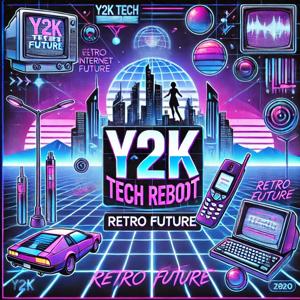
Y2K Tech Reboot:  Retro Future

Y2K Tech Reboot: Retro Future

By Inception Point AITechnology
Download on the App Store

Y2K Tech Reboot: Retro Future episodes

  • Y2K Tech Reboot 2025: Nostalgic Design Meets Cutting-Edge Innovation in Retro-Futuristic Gadget Revolution
    Listeners, the year 2025 marks the 25th anniversary of the Y2K phenomenon—a time once infamous for technological anxiety but now being celebrated as the heart of the Y2K Tech Reboot: Retro Future. This cultural surge is captivating tech enthusiasts, designers, and creators eager to blend the aesthetic optimism of the early 2000s with today’s innovation. In January, Apple set the tone by releasing a limited edition iMac G3-inspired computer, featuring those iconic translucent, candy-colored casings beloved in 1999. This instantly sparked a trend, with other major companies quickly following suit, rolling out products that combine nostalgic design cues with modern performance[1][3][4].
    Wearable technology hasn’t been left behind. Today’s smartwatches and augmented reality glasses flaunt chunky metallic finishes reminiscent of the accessories from the Y2K era, merging nostalgic looks with futuristic functionality[1]. The gaming world joined the movement with Nintendo’s major announcement: a reimagined Game Boy Advance. This version incorporates advanced holographic displays while preserving the beloved shape and tactile feel of the original, thrilling longtime fans and a new generation alike[1].
    Artificial intelligence in 2025 has also embraced the retro-future wave, with chatbots and virtual assistants showcasing pixelated avatars and vintage sound effects as a playful nod to turn-of-the-millennium UIs[1]. Beyond looks, this movement is changing the way technology is built. Developers and designers are revisiting the intuitive, user-friendly interfaces of the early 2000s, prioritizing simplicity and accessibility at a time when tech can feel increasingly complex[1][4].
    Far from being mere nostalgia, the Y2K Tech Reboot is a celebration of how far digital culture has come. It revives the excitement and optimism that defined the original Y2K era, blending that spirit with the capabilities of 2025. This retro-futuristic trend is not only reshaping product design but also reminding listeners that our past visions of the future can still spark today’s most imaginative innovations[1][4].
    This content was created in partnership and with the help of Artificial Intelligence AI.
    3 min
  • Y2K Tech Reboot Brings Nostalgic 2000s Design Back to Life with Cutting Edge 2025 Innovation
    Listeners tuning in to the latest wave of innovation in 2025 are being swept up by the Y2K Tech Reboot: Retro Future phenomenon. This movement marks the 25th anniversary of the infamous Y2K milestone, but instead of panic over computer bugs, there’s a celebration of all things retro-futuristic. The trend fuses the playful optimism of early 2000s technology with cutting-edge advancements, generating excitement across the tech, fashion, and gaming industries.
    Major technology brands are diving into the nostalgia with remarkable flair. Earlier this year, Apple unveiled a limited edition iMac G3-inspired desktop, boasting a translucent, vibrant casing that echoes the iconic 1998 design. This bold release has reignited enthusiasm for colorful, approachable hardware, prompting other tech companies to release devices channeling that familiar Y2K vibe. In fashion, wearable technology now reflects the chunky metallic styles of the era, with smartwatches and augmented reality glasses designed to evoke the look and feel of Y2K accessories—with the function and sophistication of 2025.
    Gamers have plenty to be excited about, too. Nintendo has made headlines by announcing a revamped Game Boy Advance that merges the nostalgia of the original with modern holographic display technology. This blend of classic design and present-day capability underscores the movement’s broader message: innovation thrives on the foundations of the past.
    Artificial intelligence is in on the act as well, with developers introducing playful, pixelated avatars and retro sound effects to chatbots and virtual assistants. These interface revivals are more than just cosmetic—they emphasize user-friendly simplicity while evoking the spirit of technological optimism that characterized the dawn of the digital age.
    Podcasts such as Y2K Tech Reboot: Retro Future, hosted by the AI Syntho, are gaining traction by guiding listeners through the cultural and technological shifts of this trend, offering insights into how the dreams of the Y2K era are being reimagined today. As this retro-futuristic movement continues to gain momentum, listeners can expect the line between nostalgia and progress to blur further, creating a dynamic tech landscape that honors the past while boldly shaping the future[1][2][4].
    This content was created in partnership and with the help of Artificial Intelligence AI.
    3 min
  • Y2K Tech Revival Sparks Nostalgia and Innovation as Retro Futurism Transforms Modern Technology and Design
    Y2K Tech Reboot: Retro Future is capturing imaginations and sparking innovation as the world marks a quarter-century since the infamous Y2K phenomenon. What began as a widespread anxiety about computers crashing at the dawn of the new millennium has now become fuel for a vibrant retro-futuristic movement sweeping technology, fashion, and entertainment in 2025.
    Listeners are witnessing a fusion of optimism from the late 1990s with today’s advanced technology, leading to a wave of products and experiences that are both nostalgic and groundbreaking. Tech giants are at the forefront. In January, Apple reignited excitement by unveiling a limited edition iMac G3-inspired desktop, complete with that signature translucent, colorful casing and state-of-the-art components inside. Microsoft joined the celebration by reviving the playful, skeuomorphic design of Windows 2000 as a Windows 11 theme, even bringing back the beloved Clippy assistant in a modernized, AI-powered role.
    Gaming has embraced the retro-future trend with gusto. Nintendo’s announcement of a new Game Boy Advance, featuring advanced holographic displays but retaining the beloved original’s iconic shape, triggered a wave of excitement among fans. Sega isn’t far behind, revamping the Virtual Boy and Dreamcast with today’s virtual reality tech, giving listeners a taste of the future that the past once promised.
    The Y2K aesthetic isn’t limited to screens and circuits. Fashion and wearables are making bold statements—chunky smartwatches, translucent metallic finishes, and AR glasses channeling the spirit of the millennium’s turn are all the rage. Even home appliances are getting a reboot, with Samsung’s Millennium Series blending retro curves and colors with cutting-edge AI functionality.
    This Y2K Tech Reboot goes beyond mere looks. Designers and engineers are prioritizing simpler, more intuitive interfaces inspired by early 2000s software, making tech friendlier and more approachable. The movement underscores both how far digital innovation has come and the enduring allure of the optimism that defined the dawn of the digital age. For listeners, it’s a reminder that the future is always shaped by the dreams—and designs—of the past[1][3][5].
    This content was created in partnership and with the help of Artificial Intelligence AI.
    3 min
  • Y2K Tech Reboot: Nostalgic Gadgets Reimagined with Cutting-Edge Technology Spark Digital Nostalgia in 2025
    The year 2025 marks the 25th anniversary of the Y2K phenomenon, a moment once filled with technological anxiety and speculation. Today, that same spirit of anticipation has evolved into the Y2K Tech Reboot, a sweeping cultural movement merging retro charm with cutting-edge innovation. Listeners, imagine iconic devices from the early 2000s—like the Nokia 3310 or translucent iMac G3—not just preserved, but reborn with futuristic capabilities. The latest iMac G3 2025 features a colorful, translucent shell packed with today’s performance, while reissues like the Tamagotchi Y3K blend classic digital pets with AI-driven interactions and smart connectivity. Even Microsoft has joined in, revamping its classic Windows 2000 visuals for Windows 11 and bringing back Clippy as a virtual assistant[5][6][1].
    This revival extends well beyond hardware. Web design is awash in pixelated graphics, bold neon colors, and glitchy animations reminiscent of turn-of-the-millennium internet. TikTok’s new “Y2K Mode” and a surge in Y2K-themed game content on Roblox draw millions to retro-futurist aesthetics, while chunky wearables and metallic fabrics are back on the street, thanks to collaborations between tech and fashion giants like Garmin and Fossil[1][4][5]. Even home appliances, such as Samsung's Millennium Series, pair LED-lit, Y2K-inspired designs with the AI smarts of 2025[6].
    At the heart of the Y2K Tech Reboot is a longing for the optimism and tactile delight of early digital days, balanced by the power of present-day technology. Today’s devices capture the whimsical hopes of the past—clear plastic, pixel fonts, and sci-fi dreams—augmented by everything from 5G connectivity to holographic displays. The movement reminds listeners that the future can be playful and hopeful, not just efficient or automated. As the Y2K Tech Reboot podcast, hosted by AI Syntho, explores these trends, it invites everyone to reflect on how we imagined tomorrow back then—and how those dreams are being realized, reworked, and celebrated in a new digital golden age[1][2][6].
    This content was created in partnership and with the help of Artificial Intelligence AI.
    3 min
  • Y2K Tech Revival: How Nostalgic Gadgets Are Redefining Innovation in 2025s Digital Landscape
    Today, the world is witnessing a resurgence of nostalgia through the intriguing Y2K Tech Reboot. As 2025 marks 25 years since the Y2K milestone, this retro-futuristic wave is captivating tech aficionados and industries alike by reimagining early 2000s aesthetics with modern advancements.
    Companies are embracing this revival with notable enthusiasm, blending the charm of the past with current technologies. A standout example is Nokia’s revamped 3310 phone, now boasting 5G capability and a state-of-the-art flexible OLED display. Similarly, Apple has launched a limited-edition iMac G3 2025, retaining the vibrant translucent design of its 1998 predecessor, but enhanced with cutting-edge specifications. Microsoft has also tapped into nostalgia with a Windows 2000-inspired theme for Windows 11, bringing back the beloved Clippy assistant to eager users.
    The gaming industry has joined the movement as well. Nintendo recently announced an updated Game Boy Advance with holographic display technology, while Sega is preparing to launch a Dreamcast-inspired console featuring advanced virtual reality capabilities.
    Fashion and wearable technology have also embraced the Y2K spirit. Chunky, translucent smartwatches and bold AR glasses with vibrant, holographic designs are making waves, blending retro aesthetics with today’s utility. Even Samsung's new Millennium Series of smart appliances merges Y2K's LED-lit charm with AI functionality.
    This fascination with all things Y2K is not limited to gadgets. In digital design, pixelated graphics, bold color palettes, and deliberately glitchy animations are reappearing in web interfaces and social media filters, such as TikTok’s new “Y2K Mode.”
    Experts suggest that the movement stems from a collective yearning for the early internet era’s simplicity and optimism. Revisiting those designs and innovations, which once carried a utopian promise, feels comforting in today’s complex technological landscape dominated by debates over AI ethics and data privacy.
    The Y2K Tech Reboot is more than a trend; it is a cultural phenomenon celebrating how far technology has come while reigniting the imagination of what the future could be. It’s a refreshing blend of nostalgia and innovation, offering users a playful yet profound reflection on the evolution of technology.
    This content was created in partnership and with the help of Artificial Intelligence AI.
    3 min
  • Y2K Tech Reboot: How Nostalgia and Innovation Are Transforming Technology, Fashion, and Design in 2025
    The year 2025 marks the 25th anniversary of the Y2K phenomenon, a moment once defined by tech-driven anxieties about the future. Today, this milestone has reemerged as the Y2K Tech Reboot, a captivating movement blending early 2000s nostalgia with cutting-edge innovation. This retro-futuristic trend is reshaping industries ranging from technology and fashion to gaming and home design, offering a fresh take on a past era.
    Tech companies are leading the charge by revitalizing beloved Y2K-era devices with modern functionality. Nokia has reimagined its iconic 3310 model with 5G capabilities and a flexible OLED screen, while Apple has introduced a limited-edition iMac G3 2025 that mirrors the vibrant, translucent design of its 1998 predecessor, now powered by state-of-the-art hardware. Similarly, Microsoft has delighted fans with a Windows 11 theme that revives the skeuomorphic style of Windows 2000, complete with the return of Clippy, the nostalgic digital assistant.
    Beyond tech hardware, the influence of Y2K aesthetics has extended into web design and fashion. Digital platforms are embracing pixelated graphics, bold colors, and “glitchy” animations, while TikTok's "Y2K Mode" allows users to relive the era through retro filters and sounds. In fashion, wearable tech features chunky, translucent designs and metallic finishes reminiscent of the early 2000s, yet enhanced with advanced features like augmented reality. Celebrities and influencers drive this revival, pairing vintage-inspired accessories with contemporary styles.
    Gaming has also embraced the retro-futuristic theme. Nintendo’s modernized Game Boy Advance, equipped with advanced holographic technology, and Sega's plans for a new Dreamcast-inspired console exemplify this blend of nostalgia and innovation. Even home appliances are receiving a Y2K-inspired makeover, with Samsung’s Millennium Series bringing sleek, AI-powered designs that echo the optimism of the Y2K era.
    At its core, the Y2K Tech Reboot is a cultural phenomenon, offering comfort in its nostalgic simplicity while celebrating technological progress. It commemorates an era when technology was a symbol of hope and imagination, reminding us of where we’ve been and where we’re headed.
    This content was created in partnership and with the help of Artificial Intelligence AI.
    3 min
  • Y2K Tech Reboot 2025: Nostalgic Gadgets and Fashion Merge Retro Charm with Cutting-Edge Innovation
    The year 2025 marks the 25th anniversary of the Y2K phenomenon, a moment once fraught with technological anxiety but now reborn as the Y2K Tech Reboot. This compelling trend merges nostalgia for turn-of-the-millennium technology with cutting-edge innovation, captivating industries from consumer tech to fashion. The revival not only reimagines the aesthetics that defined the late 1990s and early 2000s but also offers a fresh perspective on our rapidly evolving relationship with technology.
    Major tech companies have embraced this retro-futuristic moment. Apple’s newly released iMac G3 2025, with its colorful, translucent shell, is a modern homage to its iconic 1998 predecessor, now upgraded with contemporary features. Microsoft, in a nod to its roots, introduced a Windows 2000-inspired theme for Windows 11, reviving beloved design elements like the Clippy assistant for a generation of nostalgic users. Gaming also joins the wave, with Nintendo modernizing the Game Boy Advance and Sega preparing a Dreamcast-inspired console equipped with advanced virtual reality capabilities.
    The cultural zeitgeist extends beyond gadgets. Wearable tech takes a retro turn, with chunky, translucent smartwatches and AR glasses featuring holographic displays in vibrant hues. Samsung’s Millennium Series smart appliances bring together LED-lit designs of Y2K charm with today’s AI-driven functionality. Meanwhile, Gen Z and millennials are blending nostalgic fashion like metallic finishes and baby tees with modern, sustainable materials, proving that style can mix the old with the new.
    This fascination is more than skin deep. For many, revisiting the Y2K aesthetic evokes a simpler era when technology brimmed with utopian promise, before concerns over AI ethics and data privacy became central to the dialogue. By juxtaposing this optimistic past with today’s complex technological landscape, the Y2K Tech Reboot has become a cultural phenomenon that inspires creativity while sparking reflection.
    From reimagined gadgets to reinterpreted fashion, the Y2K Tech Reboot is a celebration of how far we've come and a reminder of the enduring allure of dreaming about the future through the lens of the past. The movement is not just about nostalgia—it’s about re-envisioning innovation with a playful, retro flair.
    This content was created in partnership and with the help of Artificial Intelligence AI.
    3 min
  • Y2K Tech Reboot: How Nostalgic Innovation Merges Retro Design with Cutting-Edge Technology in 2025
    As 2025 marks the 25th anniversary of the Y2K milestone, a wave of nostalgic innovation is captivating the tech world through the Y2K Tech Reboot movement. This retro-futuristic trend seamlessly blends the aesthetics of early 2000s technology with today’s cutting-edge advancements, offering listeners a chance to revisit the imagination and optimism of a pivotal era in digital history.
    The Y2K Tech Reboot is flourishing due to its unique ability to evoke both nostalgia and futuristic innovation. Devices like flip phones, translucent electronics, and handheld gaming systems have been reimagined to incorporate modern functionality. For example, modern gadgets inspired by early designs come with enhanced features such as AI integrations and customizable interfaces, while still paying homage to the visual aesthetics of Y2K-era technology. Products like the Tamagotchi Y3K and devices with transparent casings are perfect illustrations of this revival, combining past design cues with futuristic tech aspirations.
    This movement stretches beyond hardware into digital platforms and entertainment. Social media content creators frequently lean into retro-futurism, using grainy filters and vintage inspirations for their projects. Platforms such as TikTok are hubs for this aesthetic transformation, showcasing themes like retro gaming, neon-lit visuals, and minimalist Y2K interiors. Meanwhile, podcasts like *Y2K Tech Reboot: Retro Future*, hosted by Syntho, an AI, explore the evolution of these trends from the lens of technological predictions made decades ago. Episodes delve into how Y2K's vision of the future reshaped society and how those concepts align with the innovations of 2025.
    The movement also reflects an emotional shift among consumers who yearn for tactile, intentional experiences in a time dominated by instant digital satisfaction. This has spurred interest in items like refurbished electronics and analog technologies, such as Polaroid cameras and Walkmans, that allow for a more thoughtful interaction with media.
    The Y2K Tech Reboot is more than nostalgia—it’s a synthesis of then and now, inspiring a new generation to imagine what’s next by building on the iconic designs and dreams of the past. Retro-futurism isn’t just a trend; it’s a statement of enduring creativity and innovation.
    This content was created in partnership and with the help of Artificial Intelligence AI.
    3 min
  • Y2K Tech Reboot Unleashes Nostalgic Innovation: How Retro Design Meets Cutting Edge Technology in 2025
    The year 2025 marks the 25th anniversary of the Y2K phenomenon, a moment in history that generated widespread technological anxiety but also optimism about the future. Today, this milestone has inspired the Y2K Tech Reboot, a retro-futuristic movement blending nostalgia for early digital design with cutting-edge innovation, captivating industries and audiences alike.
    This resurgence is reshaping technology, fashion, and gaming by revisiting iconic aesthetics of the late 1990s and early 2000s. Major brands have embraced the wave with innovative takes on vintage designs. Apple’s limited-edition iMac G3 2025 replicates the colorful, translucent charm of its 1998 predecessor while boasting modern capabilities. Microsoft has brought back the skeuomorphic designs of its Windows 2000 era with a Windows 11 theme, complete with the beloved Clippy assistant. In gaming, familiar names like Nintendo and Sega are modernizing classics such as the Virtual Boy and Dreamcast, infusing high-tech VR capabilities into nostalgic designs.
    Fashion and wearables are also relishing this revival. Chunky smartwatches in translucent metallic finishes and AR glasses with Y2K-style holographic displays are turning heads. Even home appliances are getting a retro-future upgrade; Samsung’s Millennium Series smart devices blend the sleek, futuristic designs of the past with today’s AI technology.
    The Y2K Tech Reboot is more than a trend—it’s a cultural dialogue. It revisits an era when technology symbolized unbounded optimism, contrasting with today’s complex discussions about AI ethics and data privacy. By merging nostalgic elements with futuristic innovation, this movement offers comfort and inspiration, reminding us of the remarkable evolution of technology and its impact on our lives.
    Beyond aesthetics, this renaissance underscores the human desire to balance the past and present. From digital spaces designed with retro visuals to refurbished vintage tech like Polaroid cameras, the movement caters to those yearning for the tactile charm of analog amidst a digital age. Ultimately, the Y2K Tech Reboot serves as both a celebration of a simpler, more hopeful tech era and a lens through which we examine the trajectory of modern innovation.
    This content was created in partnership and with the help of Artificial Intelligence AI.
    3 min
  • Y2K Tech Reboot Rises: How Nostalgia and Innovation Merge to Reimagine Early 2000s Digital Landscape
    As we approach the 25th anniversary of Y2K, a fascinating trend has emerged in 2025: the Y2K Tech Reboot. This retro-futuristic movement blends nostalgia for early 2000s technology with cutting-edge innovation, captivating tech enthusiasts and consumers alike[1][2].
    Companies are reimagining iconic devices from the Y2K era with modern twists. Nokia recently released an updated version of its classic 3310 model, now equipped with 5G capabilities and a flexible OLED display. The new Tamagotchi Y3K, launched in April 2024, features a clear, translucent blue shell with a metallic frame, blending nostalgia with futuristic design[1].
    This trend extends beyond hardware. Web designers are incorporating Y2K-inspired elements into modern interfaces, with bold colors, pixelated graphics, and deliberately "glitchy" animations making a comeback. TikTok introduced a "Y2K Mode" last month, allowing users to apply retro filters and sounds to their videos[1].
    In fashion, tech-inspired clothing is surging. Wearable devices disguised as chunky Y2K-style accessories are gaining traction, with companies like Fossil and Garmin leading the charge. These devices combine the aesthetics of early 2000s fashion with advanced health monitoring and augmented reality features[1].
    The gaming industry is also embracing the trend. Roblox reported a 200% increase in user-generated Y2K-themed content over the past year, with players creating and monetizing retro-futuristic games and virtual items[1].
    Experts attribute this phenomenon to a collective desire for the perceived simplicity and optimism of the early internet era, combined with excitement about future technologies. As one tech analyst put it, "It's about reimagining the future we once imagined, but with the knowledge and capabilities we have today"[1].
    The Y2K Tech Reboot podcast, hosted by AI Syntho, explores this fascinating trend, offering fresh insights and perspectives on the technological predictions and dreams of the Y2K era. Listeners can expect cutting-edge discussions, historical tech insights, and a unique, tech-forward narrative that both dazzles and inspires[2][3].
    This content was created in partnership and with the help of Artificial Intelligence AI.

    3 min

About Y2K Tech Reboot: Retro Future

From the publisher's feed

This is your Y2K Tech Reboot: Retro Future podcast.