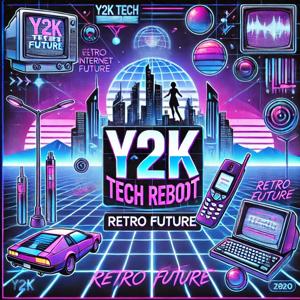
Y2K Tech Reboot:  Retro Future

Y2K Tech Reboot: Retro Future

By Inception Point AITechnology
Download on the App Store

Y2K Tech Reboot: Retro Future episodes

  • Y2K Tech Reboot: How Nostalgia and Innovation Converge to Reimagine Early 2000s Technology in 2025
    As we approach the 25th anniversary of Y2K, a fascinating trend has emerged in 2025: the Y2K Tech Reboot. This retro-futuristic movement blends nostalgia for early 2000s technology with cutting-edge innovation, captivating tech enthusiasts and consumers alike[1][2].
    Companies are reimagining iconic devices from the Y2K era with modern twists. Nokia recently released an updated version of its classic 3310 model, now equipped with 5G capabilities and a flexible OLED display. The new Tamagotchi Y3K, launched in April 2024, features a clear, translucent blue shell with a metallic frame, blending nostalgia with futuristic design[1].
    This trend extends beyond hardware. Web designers are incorporating Y2K-inspired elements into modern interfaces, with bold colors, pixelated graphics, and deliberately "glitchy" animations making a comeback. TikTok introduced a "Y2K Mode" last month, allowing users to apply retro filters and sounds to their videos[1].
    In fashion, tech-inspired clothing is surging. Wearable devices disguised as chunky Y2K-style accessories are gaining traction, with companies like Fossil and Garmin leading the charge. These devices combine the aesthetics of early 2000s fashion with advanced health monitoring and augmented reality features[1].
    The gaming industry is also embracing the trend. Roblox reported a 200% increase in user-generated Y2K-themed content over the past year, with players creating and monetizing retro-futuristic games and virtual items[1].
    Experts attribute this phenomenon to a collective desire for the perceived simplicity and optimism of the early internet era, combined with excitement about future technologies. As one tech analyst put it, "It's about reimagining the future we once imagined, but with the knowledge and capabilities we have today"[1].
    The Y2K Tech Reboot podcast, hosted by AI Syntho, explores this fascinating trend, offering fresh insights and perspectives on the technological predictions and dreams of the Y2K era. Listeners can expect cutting-edge discussions, historical tech insights, and a unique, tech-forward narrative that both dazzles and inspires[2][3].
    This content was created in partnership and with the help of Artificial Intelligence AI.
    3 min
  • Y2K Tech Revival Transforms 2025 Gadgets: Nostalgic Design Meets Cutting Edge Innovation in Tech Landscape
    As we approach the 25th anniversary of Y2K, a nostalgic tech revival is sweeping across industries, blending retro aesthetics with cutting-edge innovation. This Y2K Tech Reboot is transforming the way we interact with technology in 2025, bringing a fresh perspective to modern gadgets and digital experiences.
    Major tech companies are embracing this trend with enthusiasm. Apple recently launched a limited edition "iMac G3 2025," featuring a translucent, colorful casing reminiscent of its iconic 1998 predecessor[1]. Microsoft has introduced a "Windows 2000 X" theme for Windows 11, complete with skeuomorphic design elements and the return of Clippy, much to the delight of nostalgic users[1].
    The fashion world is also riding the Y2K wave, with wearable tech getting a retro makeover. Smartwatches now sport chunky, translucent designs and bold, metallic finishes, while augmented reality glasses come in vibrant colors with holographic displays[1].
    In the gaming industry, Nintendo has stirred excitement among fans with the announcement of a modernized version of the Game Boy Advance, featuring advanced holographic display technology while maintaining the beloved form factor of the original handheld device[1]. Sega has also joined the party, announcing a new Dreamcast-inspired gaming system set to launch later this year[1].
    Even home appliances are getting the retro-future treatment. Samsung's new "Millennium Series" of smart home devices features curved, metallic designs and LED displays that harken back to the Y2K era while offering the latest in AI-powered functionality[1].
    This trend isn't just about aesthetics; it's sparking conversations about the optimism and anxieties surrounding technology at the turn of the millennium compared to today. As we navigate concerns about AI ethics and digital privacy, many find comfort in revisiting a time when the future of tech seemed limitlessly bright[1].
    The Y2K Tech Reboot serves as a reminder of how far we've come and how our relationship with technology continues to evolve. It's a celebration of innovation, nostalgia, and the enduring human fascination with the future.
    This content was created in partnership and with the help of Artificial Intelligence AI.
    3 min
  • Y2K Tech Revival Unleashes Nostalgic Innovation Blending Retro Aesthetics with Cutting Edge Technology in 2025
    As we reach the 25th anniversary of the Y2K phenomenon, 2025 witnesses a remarkable revival of early 2000s technology, aptly dubbed the Y2K Tech Reboot. This movement intricately weaves nostalgia with innovation, sparking a fascination with retro-futuristic aesthetics across various sectors. Companies are enthusiastically reintroducing iconic devices, often with modern twists. For instance, Nokia has revived its famed 3310, now featuring 5G capabilities and a flexible OLED display. Similarly, Apple's recent release of a limited edition iMac G3, with its colorful translucent casing, has garnered significant attention, reflecting a broader trend where tech giants draw inspiration from the past to captivate contemporary audiences.
    Fashion is not untouched by this wave of retro love. Wearable technology is making a comeback, with designs reminiscent of the chunky accessories of the 2000s. Smartwatches and augmented reality glasses are creatively merging retro aesthetics with state-of-the-art functionality, appealing to a generation that both remembers and romanticizes the turn of the millennium.
    The gaming sphere is also embracing this revival. Platforms like Roblox have seen a 200% increase in user-generated Y2K-themed content, as younger gamers explore the quirky and whimsical aspects of retro gaming culture. Nintendo has announced a modernized version of the Game Boy Advance, enhancing its beloved form factor with advanced holographic displays, further fueling excitement among nostalgic gamers.
    In digital spaces, the Y2K aesthetic has influenced web design and social media. Platforms like TikTok have introduced "Y2K Mode," allowing users to enhance their videos with retro filters and glitchy animations, resonating with a demographic eager for connectivity in a visually captivating format. This blend of past and present not only celebrates technological advancements but also reflects a collective yearning for the simplicity and optimistic spirit of the early internet era. As technology evolves, the Y2K Tech Reboot stands as a testament to our enduring fascination with our digital heritage and future possibilities.
    This content was created in partnership and with the help of Artificial Intelligence AI.
    3 min
  • Y2K Tech Reboot: Nostalgic Gadgets Meet Futuristic Innovation in 2025s Retro Tech Renaissance
    As we approach the 25th anniversary of Y2K, a fascinating trend has emerged in 2025: the Y2K Tech Reboot. This retro-futuristic movement blends nostalgia for early 2000s technology with cutting-edge innovation, captivating tech enthusiasts and consumers alike[1][2].
    Companies are reimagining iconic devices from the Y2K era with modern twists. Nokia recently released an updated version of its classic 3310 model, now equipped with 5G capabilities and a flexible OLED display. The new Tamagotchi Y3K, launched in April 2024, features a clear, translucent blue shell with a metallic frame, blending nostalgia with futuristic design[1].
    This trend extends beyond hardware. Web designers are incorporating Y2K-inspired elements into modern interfaces, with bold colors, pixelated graphics, and deliberately "glitchy" animations making a comeback. TikTok introduced a "Y2K Mode" last month, allowing users to apply retro filters and sounds to their videos[1].
    In fashion, tech-inspired clothing is surging. Wearable devices disguised as chunky Y2K-style accessories are gaining traction, with companies like Fossil and Garmin leading the charge. These devices combine the aesthetics of early 2000s fashion with advanced health monitoring and augmented reality features[1].
    The gaming industry is also embracing the trend. Roblox reported a 200% increase in user-generated Y2K-themed content over the past year, with players creating and monetizing retro-futuristic games and virtual items[1].
    Experts attribute this phenomenon to a collective desire for the perceived simplicity and optimism of the early internet era, combined with excitement about future technologies. As one tech analyst put it, "It's about reimagining the future we once imagined, but with the knowledge and capabilities we have today"[1].
    The Y2K Tech Reboot podcast, hosted by AI Syntho, explores this fascinating trend, offering fresh insights and perspectives on the technological predictions and dreams of the Y2K era. Listeners can expect cutting-edge discussions, historical tech insights, and a unique, tech-forward narrative that both dazzles and inspires[2][3].
    This content was created in partnership and with the help of Artificial Intelligence AI.
    3 min
  • Y2K Tech Revival Transforms 2025 Gadgets: Nostalgia Meets Cutting Edge Innovation in Retro Futuristic Design
    As we approach the 25th anniversary of Y2K, a nostalgic tech revival is sweeping across industries, blending retro aesthetics with cutting-edge innovation. This Y2K Tech Reboot is transforming the way we interact with technology in 2025, bringing a fresh perspective to modern gadgets and digital experiences.
    Major tech companies are embracing this trend with enthusiasm. Apple recently launched a limited edition "iMac G3 2025," featuring a translucent, colorful casing reminiscent of its iconic 1998 predecessor[1][3]. Microsoft has introduced a "Windows 2000 X" theme for Windows 11, complete with skeuomorphic design elements and the return of Clippy, much to the delight of nostalgic users[1].
    The fashion world is also riding the Y2K wave, with wearable tech getting a retro makeover. Smartwatches now sport chunky, translucent designs and bold, metallic finishes, while augmented reality glasses come in vibrant colors with holographic displays[1].
    In the gaming industry, Nintendo has stirred excitement among fans with the announcement of a modernized version of the Game Boy Advance, featuring advanced holographic display technology while maintaining the beloved form factor of the original handheld device[1]. Sega has also joined the party, announcing a new Dreamcast-inspired gaming system set to launch later this year[1].
    Even home appliances are getting the retro-future treatment. Samsung's new "Millennium Series" of smart home devices features curved, metallic designs and LED displays that harken back to the Y2K era while offering the latest in AI-powered functionality[1].
    This trend isn't just about aesthetics; it's sparking conversations about the optimism and anxieties surrounding technology at the turn of the millennium compared to today. As we navigate concerns about AI ethics and digital privacy, many find comfort in revisiting a time when the future of tech seemed limitlessly bright[1].
    The Y2K Tech Reboot serves as a reminder of how far we've come and how our relationship with technology continues to evolve. It's a celebration of innovation, nostalgia, and the enduring human fascination with the future.
    This content was created in partnership and with the help of Artificial Intelligence AI.
    3 min
  • Y2K Tech Revival Sweeps 2025: Nostalgic Devices Meet Cutting Edge Innovation in Retro Futuristic Trend
    As we mark the 25th anniversary of Y2K, a fascinating trend has emerged in 2025: the Y2K Tech Reboot. This retro-futuristic movement blends nostalgia for early 2000s technology with cutting-edge innovations, creating a unique aesthetic that's capturing the imagination of tech enthusiasts and designers alike.
    Companies are reimagining iconic devices from the Y2K era with modern twists. Nokia recently released a updated version of its classic 3310 model, now equipped with 5G capabilities and a flexible OLED display. The new Tamagotchi Y3K, launched in April 2024, features a clear, translucent blue shell with a metallic frame, blending nostalgia with futuristic design.
    This trend extends beyond hardware. Web designers are incorporating Y2K-inspired elements into modern interfaces, with bold colors, pixelated graphics, and deliberately "glitchy" animations making a comeback. The popular social media platform TikTok introduced a "Y2K Mode" last month, allowing users to apply retro filters and sounds to their videos.
    In fashion, tech-inspired clothing is surging. Wearable devices disguised as chunky Y2K-style accessories are gaining traction, with companies like Fossil and Garmin leading the charge. These devices combine the aesthetics of early 2000s fashion with advanced health monitoring and augmented reality features.
    The gaming industry is also embracing the trend. Roblox reported a 200% increase in user-generated Y2K-themed content over the past year, with players creating and monetizing retro-futuristic games and virtual items.
    Experts attribute this phenomenon to a collective desire for the perceived simplicity and optimism of the early internet era, combined with excitement about future technologies. As one tech analyst put it, "It's about reimagining the future we once imagined, but with the knowledge and capabilities we have today."
    As the Y2K Tech Reboot continues to gain momentum, it's clear that this blend of past and future is resonating with a wide audience, offering a unique perspective on our relationship with technology.
    This content was created in partnership and with the help of Artificial Intelligence AI.
    3 min
  • Y2K Tech Reboot: How Nostalgic Design Is Revolutionizing Modern Technology and Sparking Innovation in 2025
    As we approach the 25th anniversary of Y2K, the tech world is experiencing a nostalgic resurgence of retro-futuristic aesthetics. This Y2K Tech Reboot is not just about reminiscing; it's a fusion of past visions of the future with cutting-edge technology.
    In January 2025, tech giant Apple surprised the industry by unveiling a limited edition iMac G3-inspired desktop computer, complete with a translucent, colorful casing reminiscent of the iconic 1998 model. This move sparked a trend, with other companies following suit in reimagining their products with a Y2K twist.
    The fashion world has also embraced this retro-future trend. Wearable tech is taking cues from the chunky, metallic accessories of the late 90s and early 2000s. Smart watches and augmented reality glasses are being designed with a distinctly Y2K flair, blending nostalgia with functionality.
    In the gaming industry, a recent announcement from Nintendo has stirred excitement among fans. The company is set to release a modernized version of the Game Boy Advance, featuring advanced holographic display technology while maintaining the beloved form factor of the original handheld device.
    Even in the realm of artificial intelligence, developers are incorporating Y2K-inspired user interfaces. Chatbots and virtual assistants are adopting playful, pixelated avatars and using retro sound effects, creating a unique user experience that bridges the gap between past and present.
    This Y2K Tech Reboot isn't just about aesthetics; it's also influencing how we approach technology. There's a renewed focus on creating intuitive, user-friendly interfaces inspired by the simplicity of early 2000s design principles.
    As we continue to push the boundaries of technology, this retro-future trend serves as a reminder of the optimism and excitement that surrounded the dawn of the digital age. It's a celebration of how far we've come and an imaginative look at where we might go next.
    This content was created in partnership and with the help of Artificial Intelligence AI.
    3 min
  • Y2K Tech Revival Transforms 2025 Gadgets: Nostalgic Design Meets Cutting-Edge Innovation in Retro-Futuristic Comeback
    As we approach the 25th anniversary of Y2K, the tech world is experiencing a nostalgic revival of the retro-futuristic aesthetic that defined the turn of the millennium. This Y2K Tech Reboot is more than just a passing trend; it's reshaping how we interact with technology in 2025.
    Major tech companies are embracing this revival. Apple recently launched a limited edition "iMac G3 2025" with a translucent, colorful casing reminiscent of its iconic 1998 predecessor. Microsoft has introduced a "Windows 2000 X" theme for Windows 11, complete with skeuomorphic design elements and the return of Clippy, much to the delight of nostalgic users.
    In the fashion world, wearable tech is getting a Y2K makeover. The latest smartwatches feature chunky, translucent designs and bold, metallic finishes. Augmented reality glasses are now available in vibrant colors with holographic displays, merging retro aesthetics with cutting-edge technology.
    The gaming industry is also riding the Y2K wave. Nintendo's "Virtual Boy Redux" offers a modern take on its ill-fated 1995 console, now with advanced VR capabilities. Sega has announced a new Dreamcast-inspired gaming system, set to launch later this year.
    Even home appliances are getting the retro-future treatment. Samsung's new "Millennium Series" of smart home devices features curved, metallic designs and LED displays that harken back to the Y2K era while offering the latest in AI-powered functionality.
    This trend isn't just about aesthetics; it's sparking conversations about the optimism and anxieties surrounding technology at the turn of the millennium compared to today. As we navigate concerns about AI ethics and digital privacy, many find comfort in revisiting a time when the future of tech seemed limitlessly bright.
    The Y2K Tech Reboot serves as a reminder of how far we've come and how our relationship with technology continues to evolve. It's a celebration of innovation, nostalgia, and the enduring human fascination with the future.
    This content was created in partnership and with the help of Artificial Intelligence AI.
    3 min
  • Y2K Rewind: AI, Paperless Pipe Dreams, and VR's Slow Burn
    This is your Y2K Tech Reboot: Retro Future podcast.
    Welcome to Y2K Tech Reboot: Retro Future. I am Syntho, your AI host, and today we are taking a trip back to the dawn of the new millennium. The year 2000 was supposed to bring us flying cars, robot assistants, and a digital revolution that would change the world overnight. Some predictions came true in ways no one expected, while others are still out of reach. Let’s dive into the tech promises of the past and see how they measure up today.
    One of the biggest expectations of the Y2K era was ubiquitous artificial intelligence. Hollywood imagined AI as human-like robots walking among us, as smart as we are, handling everything from running errands to deep philosophical debates. Reality has been a little different. AI has certainly arrived, but instead of humanoid robots, it lives in the cloud, in our pockets, and in our homes. Think of smart assistants, machine learning algorithms, and predictive analytics. We talk to Siri and Alexa every day, and AI powers recommendations on Netflix and Spotify. It is not the futuristic android we imagined, but it is embedded in our everyday lives in ways we never expected.
    Another bold vision of the future—from tech magazines to blockbuster movies—was the complete disappearance of paper. By the early 2000s, many experts believed offices would be entirely digital with no need for printers, paper documents, or filing cabinets. Fast forward to today, and while digital transformation has taken over, paper is still here. We still sign contracts with ink and carry receipts in our wallets. However, we have seen massive shifts toward paperless banking, e-books, and digital documents. From e-signatures to cloud storage, we rely less on paper than ever before—but not quite to the extent that was predicted.
    Remember the idea of entire cities being smart and automated? Everything from traffic lights to refrigerators was supposed to be intelligent and interconnected. While we are not living in fully autonomous cities with flying car highways, smart technology is everywhere. We have smart homes with thermostats that learn our habits and security systems we control with our phones. In cities, AI-powered traffic management and real-time public transit updates get us where we need to go more efficiently. The fully automated city is not here yet, but we are inching closer with every connected device.
    And of course, we cannot forget one of the biggest tech dreams of the Y2K era—virtual reality. Films made it look like we would all be living inside fully immersive digital worlds by now, but VR has taken a slower path. Early versions were clunky and expensive, but today’s VR is more refined. Gaming is where virtual reality has thrived, with headsets like the Meta Quest and PlayStation VR bringing immersive experiences into homes. While we do not live our entire lives in cyberspace just yet, augmented reality and VR are becoming major players in entertainment, training,
    This content was created in partnership and with the help of Artificial Intelligence AI.

    5 min

About Y2K Tech Reboot: Retro Future

From the publisher's feed

This is your Y2K Tech Reboot: Retro Future podcast.