
Sign up to save your podcasts
Or

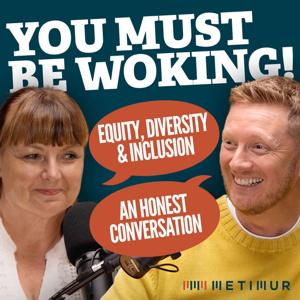


In this episode of You Must Be Woking, co-hosts Dawn Hurst and Craig Richards embark on an insightful exploration of the multifaceted nature of workplace wellbeing. They begin by dissecting its definition, emphasising that workplace wellbeing extends beyond mere physical health to encompass mental, emotional, and social dimensions. The hosts highlight the significance of wellbeing in shaping organisational culture, arguing that a genuine commitment to employee wellbeing can lead to increased productivity, reduced turnover, and a more harmonious work environment. They question whether current initiatives, such as desk massages and yoga sessions, are merely superficial gestures or if they genuinely contribute to a healthier workplace. By scrutinising these practices, Dawn and Craig encourage listeners to consider whether such initiatives are part of a broader, more meaningful strategy or simply a box-ticking exercise.
How effective are flexible working arrangements in promoting workplace wellbeing? Dawn and Craig explore flexible working, focusing on the four-day workweek. They discuss benefits like better work-life balance, job satisfaction, and morale, supported by real-world examples. They also acknowledge challenges, such as communication issues and heavier workloads in condensed weeks. By weighing the pros and cons, they offer a balanced view of how flexible arrangements can support wellbeing when thoughtfully implemented.
What role do mental health first aiders play in the workplace, and how can leadership contribute to a culture of wellbeing? Dawn and Craig critique the role of mental health first aiders, questioning whether their presence is sufficient to address the complex mental health needs of employees. They argue that while mental health first aiders can provide valuable support, they should not be seen as a substitute for comprehensive mental health resources and policies. The two emphasise the critical role of leadership in fostering a genuine culture of wellbeing, suggesting that leaders must actively demonstrate their commitment to employee wellbeing through their actions and decisions.
What practical steps can organisations take to adopt a holistic and equitable approach to employee wellbeing? As the episode draws to a close, Dawn and Craig offer practical recommendations for organisations seeking to enhance their approach to employee wellbeing. The two suggest conducting regular wellbeing assessments, involving employees in developing initiatives, and ensuring these programs are inclusive and accessible. They also emphasise the importance of ongoing education and training for both employees and leaders to promote continuous improvement.
So, what do you think? How can your workplace improve wellbeing, and what steps would you like to see implemented?
We want to hear from you, get in touch and share your questions and comments with us:
Follow the You Must Be Woking podcast on socials:
Instagram: https://www.instagram.com/youmustbewokingpodcast/
LinkedIn: https://www.linkedin.com/showcase/you-must-be-woking-podcast/
For more information on how evidence-led inclusion can transform your organisation, visit the Metimur Global website, and stay connected on social media for updates, insights, and more: https://linktr.ee/MetimurGlobal
Also, be sure to follow our partners at EA Inclusion for additional resources on inclusive practices: https://linktr.ee/EAInclusion
In this episode of You Must Be Woking, hosts Dawn Hurst and Craig Richards explore the role accountability plays in modern leadership. They discuss how it is becoming more vital as organisations work towards creating inclusive and diverse environments. The conversation focuses on the definition of accountability and its importance in ensuring that leaders are responsible for their actions and decisions.
How does accountability impact teams and organisational culture? Hurst and Richards discuss how accountability can affect team dynamics and the overall culture of an organisation. They suggest that when leaders hold themselves accountable, it sets a precedent for the entire team, fostering a culture of trust and transparency. This can lead to increased collaboration, innovation, and a sense of belonging among team members.
What challenges do leaders face in adapting to new expectations of accountability? The episode highlights the obstacles leaders face as they strive to meet the evolving demands of accountability, particularly in the context of diversity and inclusion. Dawn and Craig acknowledge that many leaders may feel unprepared or resistant to these changes, especially if they lack the necessary training or support. They emphasise the importance of providing leaders with the tools and resources they need to succeed.
Why is training and support crucial for leaders in fostering accountability? The hosts stress the importance of ongoing training and support for leaders to effectively embrace accountability. They argue that without proper guidance, leaders may struggle to implement meaningful changes or may inadvertently perpetuate existing biases. The two advocate for leadership development programmes that focus on practical skills and real-world scenarios.
What are the consequences of a lack of accountability in leadership? The episode highlights the negative outcomes that can arise when accountability is absent in leadership. The hosts discuss how this can lead to a toxic work environment, characterised by mistrust, low morale, and high turnover rates. They warn that without accountability, efforts to promote diversity and inclusion may be superficial or ineffective.
How can organisations foster open communication to support accountability? Dawn and Craig highlight the importance of creating a culture where feedback is encouraged, helping leaders better understand their team's perspectives. This openness leads to more informed decisions and a stronger focus on diversity and inclusion.
So, what about you? How does your organisation promote open communication and honest feedback to support accountability?
We want to hear from you, get in touch and share your questions and comments with us:
By email: [email protected]
On WhatsApp: +44 (0)7482 974 726
Follow the You Must Be Woking podcast on socials:
Instagram: https://www.instagram.com/youmustbewokingpodcast/
LinkedIn: https://www.linkedin.com/showcase/you-must-be-woking-podcast/
For more information on how evidence-led inclusion can transform your organisation, visit the Metimur Global website, and stay connected on social media for updates, insights, and more: https://linktr.ee/MetimurGlobal
Also, be sure to follow our partners at EA Inclusion for additional resources on inclusive practices: https://linktr.ee/EAInclusion
In this episode of You Must Be Woking, hosts Dawn Hurst and Craig Richards delve into a variety of recent news stories, examining them through the critical lens of media influence, diversity, and inclusion. The episode kicks off with a deep dive into the controversial Netflix show "Adolescence," a series that has sparked significant debate due to its raw portrayal of crime, social media, and the myriad societal issues that impact today's youth. Dawn and Craig dissect the show's narrative, discussing how it reflects the complex realities faced by young people and the role media plays in shaping public perception and understanding of these issues. They explore the show's impact on viewers and its potential to drive conversations around the challenges of adolescence in a rapidly changing world, and the impact of toxic masculinity in the workplace.
How does the recent BBC settlement highlight ongoing issues of discrimination in the workplace? The hosts then shift their focus to a significant legal development involving the BBC, where a settlement was reached with four female news presenters over claims of sex and age discrimination. Dawn and Craig emphasise the importance of this case as a reminder of the persistent inequalities that exist within organisations, particularly in terms of gender and age. They discuss the implications of the settlement for the media industry and beyond, stressing the necessity for transparency and genuine inclusion in workplace practices. The conversation highlights the need for systemic change to address these deeply rooted issues and the role of leadership in fostering an inclusive environment where all employees feel valued and respected.
What broader societal issues do Dawn and Craig address in their discussion? Beyond these specific stories, the two broaden the conversation to include topics such as affirmative action, accessibility issues, and representation in media. They argue for a more nuanced understanding of these complex societal issues and their implications for the workplace. The two advocate for policies and practices that promote equity and inclusion, urging listeners to consider how these issues affect not only marginalised groups but society as a whole. They highlight the importance of diverse representation in media as a means of challenging stereotypes and promoting a more inclusive narrative.
So, how can we, as individuals, challenge discrimination and push for systemic change in our workplaces and communities?
We want to hear from you, get in touch and share your questions and comments with us:
By email: [email protected]
On WhatsApp: +44 (0)7482 974 726
Follow the You Must Be Woking podcast on socials:Instagram: https://www.instagram.com/youmustbewokingpodcast/ LinkedIn: https://www.linkedin.com/showcase/you-must-be-woking-podcast/
For more information on how evidence-led inclusion can transform your organisation, visit the Metimur Global website, and stay connected on social media for updates, insights, and more: https://linktr.ee/MetimurGlobal
Also, be sure to follow our partners at EA Inclusion for additional resources on inclusive practices: https://linktr.ee/EAInclusion
To Listen Elsewhere:Spotify: to be updated Apple Podcasts: to be updated
In this episode of You Must Be Woking, hosts Dawn Hurst and Craig Richards take a deep dive into the crucial topic of speaking up in professional environments. They explore key issues such as bullying, harassment, and ethical concerns that often undermine workplace culture.
What stops employees from speaking up? The discussion begins by examining the barriers that prevent employees from voicing their concerns. A major obstacle is fear of retaliation - many employees worry about facing negative consequences, such as job loss or hostility from colleagues, if they speak out. Unclear reporting procedures also contribute to the problem, leaving employees unsure about how to raise issues or whether their concerns will be taken seriously.
How can organisations foster open communication? The conversation then shifts to the role of leadership in creating a workplace culture where employees feel safe and empowered to speak up. Leaders must build trust and transparency, ensuring that employees know their concerns will be addressed fairly and without repercussions. Clear policies and procedures are essential, but they must be backed by a genuine commitment to accountability and support. Dawn Hurst and Craig Richards believe that by removing barriers to open communication, organisations can cultivate a more inclusive and respectful working environment.
As the episode progresses, Dawn and Craig address listener questions about the role of diversity and inclusion in encouraging employees to speak up. They emphasise the importance of authentic role models who can inspire employees from all backgrounds to share their perspectives. Effective mentoring programmes also play a key role, providing guidance and support to help employees navigate workplace dynamics. By prioritising diversity and inclusion, organisations can create a fairer environment where everyone feels valued and heard.
So, if you could change one thing about how your workplace handles concerns, what would it be?
We want to hear from you, get in touch and share your questions and comments with us:By email: [email protected] On WhatsApp: +44 (0)7482 974 726
Follow the You Must Be Woking podcast on socials:Instagram: https://www.instagram.com/youmustbewokingpodcast/ LinkedIn: https://www.linkedin.com/showcase/you-must-be-woking-podcast/
For more information on how evidence-led inclusion can transform your organisation, visit the Metimur Global website, and stay connected on social media for updates, insights, and more: https://linktr.ee/MetimurGlobal
Also, be sure to follow our partners at EA Inclusion for additional resources on inclusive practices: https://linktr.ee/EAInclusion
To Listen Elsewhere:Spotify: to be updated Apple Podcasts: to be updated
In this episode of You Must Be Woking, hosts Dawn Hurst and Craig Richards explore the complexities surrounding diversity quotas, along with positive or affirmative action, and positive discrimination in the workplace. Their discussion is sparked by a recent news article about NHS hospitals in the UK implementing race quotas to achieve diversity awards. This serves as a springboard for a broader conversation about the ethical and legal implications of such practices. The hosts debate whether these measures genuinely promote equality, or if they inadvertently lead to other forms of discrimination. They examine the fine line between fostering diversity and enforcing quotas that might not align with the principles of meritocracy and inclusion.
Dawn and Craig also consider the impact of diversity quotas on organisational culture. Could such measures lead to resentment or division among employees, particularly if hiring decisions appear to be based more on quotas than on qualifications or performance? What impact does being perceived as a tokenistic ‘diversity hire’ have on individuals? And does this undermine those people from underrepresented groups who were genuinely the best person for the role?
The hosts emphasise the importance of genuine inclusion over mere box-ticking, arguing that any DEI initiatives should create a culture where all employees feel valued and included. The ultimate goal, they stress, should be to foster an inclusive environment where diversity is celebrated and leveraged for the benefit of the organisation as a whole.
The discussion highlights the need for organisations to strike a balance between representation, inclusion for everyone, and meritocracy, ensuring that any diversity focused initiatives lead to meaningful change rather than surface-level compliance.
So, to wrap up, if diversity quotas create more problems than they solve, why are some organisations still persisting with them?
___
We want to hear from you, get in touch and share your questions and comments with us:
Follow the You Must Be Woking podcast on socials:Instagram: https://www.instagram.com/youmustbewokingpodcast/ LinkedIn: https://www.linkedin.com/showcase/you-must-be-woking-podcast/
For more information on how evidence-led inclusion can transform your organisation, visit the Metimur Global website, and stay connected on social media for updates, insights, and more: https://linktr.ee/MetimurGlobal
Also, be sure to follow our partners at EA Inclusion for additional resources on inclusive practices: https://linktr.ee/EAInclusion
To Listen Elsewhere:Spotify: to be updated Apple Podcasts: to be updated
In this episode of You Must Be Woking, hosts Dawn Hurst and Craig Richards delve into the concept of psychological safety, a key factor in creating a thriving work environment. They discuss how psychological safety is vital for fostering collaboration, innovation, and overall employee wellbeing.
Dawn underscores the importance of building trust and cultivating a supportive environment where employees feel safe to express their ideas and concerns without fear of retribution. She shares personal anecdotes that highlight the positive impact of psychological safety, along with feedback from listeners who have experienced its benefits firsthand.
The hosts explore Timothy Clark's model of psychological safety. Craig takes the conversation further by elaborating on how this applies in real-world settings, outlining the stages of psychological safety and their practical application in the workplace. He explains how organisations can implement these stages to create an inclusive and open environment where employees are encouraged to contribute their unique perspectives. Craig discusses specific strategies for enhancing psychological safety, such as promoting open communication, encouraging risk-taking, and valuing diverse viewpoints. He emphasises that when employees feel psychologically safe, they are more likely to engage in creative problem-solving and drive innovation within the organisation.
What role do diversity and inclusion play in enhancing psychological safety? The hosts explore the critical intersection of diversity, inclusion, and psychological safety, highlighting how a diverse workforce can contribute to a more dynamic and innovative organisational culture. Dawn and Craig discuss the importance of creating an environment where all employees, regardless of their background, feel valued and heard. By fostering an inclusive environment, organisations can leverage the full potential of their diverse teams, leading to greater success and resilience in the face of challenges.
Isn’t it time we all started creating workplaces where everyone feels safe to speak up, take risks, and be their true selves?
___
Follow the You Must Be Woking podcast on socials:Instagram: https://www.instagram.com/youmustbewokingpodcast/ LinkedIn: https://www.linkedin.com/showcase/you-must-be-woking-podcast/
For more information on how evidence-led inclusion can transform your organisation, visit the Metimur Global website, and stay connected on social media for updates, insights, and more: https://linktr.ee/MetimurGlobal
Also, be sure to follow our partners at EA Inclusion for additional resources on inclusive practices: https://linktr.ee/EAInclusion
To Listen Elsewhere:Spotify: to be updated Apple Podcasts: to be updated
In this episode of You Must Be Woking, hosts Dawn Hurst and Craig Richards delve into the question "Is DEI Dead?", examining how Diversity, Equity, and Inclusion efforts have evolved, particularly in the aftermath of the start of Donald Trump's second presidency. They explore the landscape of DEI in a world where political and social climates have shifted, leading to significant changes in how organisations approach these initiatives. The two discuss the noticeable pushback against DEI efforts, highlighting how major corporations have started to roll back their programmes, reflecting a broader societal trend of skepticism and resistance.
Why are major corporations rolling back their DEI programmes? Dawn and Craig analyse the reasons behind those retreating, noting that some companies have faced backlash from various stakeholders who question the effectiveness and necessity of DEI initiatives. They point out that while some organisations initially embraced DEI as a response to social pressures, their lack of clear, measurable outcomes has led to disillusionment. The conversation emphasises the importance of moving beyond mere quotas and numbers, advocating for a more genuine approach to inclusion that truly integrates diverse perspectives and experiences into the fabric of the workplace, which ultimately delivers a positive and tangible impact.
How can DEI impacts be measured effectively? Both Co-hosts stress the need for developing robust metrics that go beyond superficial indicators. They argue that organisations must find ways to assess the real impact of DEI initiatives on company culture, employee satisfaction, and business outcomes. By focusing on qualitative measures, such as employee engagement and retention rates among diverse groups, organisations can gain a clearer understanding of how well they are fostering an inclusive environment. Dawn and Craig suggest that without these meaningful metrics, DEI efforts risk becoming vanity projects and lose their intended impact.
How can organisations foster equitable workplaces? Throughout the episode, Dawn and Craig encourage listeners to approach DEI with a sense of openness and curiosity. They suggest that willingness and a positive attitude can be powerful tools in breaking down barriers and facilitating honest discussions about diversity and inclusion. By creating an environment where people feel comfortable sharing their experiences and perspectives, organisations can cultivate a culture of empathy and understanding, ultimately leading to more effective and sustainable DEI initiatives.
So as the conversation around DEI continues to evolve, the real question is - will organisations rise to the challenge of true, meaningful, impactful inclusion, or will they retreat into complacency?
___
Follow the You Must Be Woking podcast on socials:
Instagram: https://www.instagram.com/youmustbewokingpodcast/
LinkedIn: https://www.linkedin.com/showcase/you-must-be-woking-podcast/
Twitter/X: https://x.com/YouMustBeWoking
For more information on how evidence-led inclusion can transform your organisation, visit the Metimur Global website, and stay connected on social media for updates, insights, and more: https://linktr.ee/MetimurGlobal
Also, be sure to follow our partners at EA Inclusion for additional resources on inclusive practices: https://linktr.ee/EAInclusion
What is the difference between cultural appropriation and cultural appreciation? In this episode of You Must Be Woking, Dawn Hurst and Craig Richards explore this nuanced topic, particularly in the context of increasingly diverse workplaces. They begin by defining cultural appropriation as the act of taking or using elements from a culture, often without permission or understanding, in a way that can be disrespectful or harmful. In contrast, cultural appreciation involves recognising, respecting, and valuing the richness of different cultures, often through informed and respectful engagement. The hosts stress that understanding this distinction is crucial for business leaders who aim to create inclusive workplaces where all employees feel respected and valued.
How can business leaders build cultural competence to foster an inclusive atmosphere? Dawn and Craig emphasise that building cultural competence involves the ability to understand, communicate with, and effectively interact with people across cultures. They suggest that leaders can build this competence by actively seeking to learn about different cultures, engaging in open dialogues with employees from diverse backgrounds, and participating in cultural sensitivity training. By doing so, leaders can better navigate the complexities of a multicultural workforce, ensuring that all employees feel seen and heard.
What practical strategies can leaders employ to navigate diverse workplaces and avoid cultural appropriation? First, the two recommend you to conduct regular audits to ensure cultural elements are used respectfully. Second, create opportunities for employees to share their cultural backgrounds, fostering mutual respect. Third, consult cultural experts before incorporating cultural elements into business practices or campaigns.
Dawn and Craig then share examples to highlight the line between appreciation and appropriation. They discuss how some advertising uses cultural symbols superficially, leading to backlash, while others collaborate authentically. They also contrast workplaces that adopt cultural holidays without understanding them to those that educate and celebrate those holidays meaningfully. In media, they point out the difference between tokenistic representation and genuine inclusion of diverse voices.
The episode equips leaders with tools to engage with cultural diversity respectfully and effectively. Dawn and Craig encourage leaders to approach this with humility, a willingness to learn, and a commitment to fostering inclusivity. By embracing diversity and building cultural competence, leaders can create workplaces where all employees feel empowered to contribute their unique perspectives.
So, how will you take steps to foster inclusion and cultural understanding in your workplace?
___
Follow the You Must Be Woking podcast on socials:
Instagram: https://www.instagram.com/youmustbewokingpodcast/
LinkedIn: https://www.linkedin.com/showcase/you-must-be-woking-podcast/
Twitter/X: https://x.com/YouMustBeWoking
For more information on how evidence-led inclusion can transform your organisation, visit the Metimur Global website, and stay connected on social media for updates, insights, and more: https://linktr.ee/MetimurGlobal
Also, be sure to follow our partners at EA Inclusion for additional resources on inclusive practices: https://linktr.ee/EAInclusion
What challenges do organisations face when attempting to integrate inclusive language into their communication practices?
In this episode of You Must Be Woking, hosts Dawn Hurst and Craig Richards explore these intricate dynamics, focusing on the difficulties and apprehensions organisations encounter. A key part of their discussion is the British Red Cross's controversial Inclusive Language Guide, which serves as a case study illustrating the complexities and potential pitfalls of such initiatives.
How do historical and generational contexts influence our understanding of language? Dawn and Craig dive into this question, emphasising the significance of these contexts in shaping how we perceive and use language. They argue that while language is constantly evolving, we must be mindful of how these shifts affect individual perceptions. They advise caution against over-policing language, suggesting that doing so can stifle meaningful dialogue and hinder progress. Instead, they advocate for fostering an environment where respectful and open conversations can flourish, allowing people to express themselves and learn from one another.
What roles do gender identity and religious language play in shaping inclusive communication? A significant portion of the discussion is dedicated to these sensitive topics. The two co-hosts stress the importance of approaching these issues with both respect and curiosity, encouraging listeners to engage thoughtfully and informatively. Dawn suggests using simpler, more relatable terms to make these conversations more accessible and less intimidating, ensuring that people feel comfortable participating while also being educated on the nuances of these discussions.
What practical steps can organisations take to create more inclusive environments? As the episode nears its conclusion, Craig offers practical advice for organisations striving to embrace inclusivity. Both highlight the essential role of education in this process, recommending training programmes and resources to equip individuals with the knowledge and skills necessary to navigate the complexities of inclusive language. Furthermore, they stress the importance of open communication, urging organisations to establish channels where employees can voice concerns and experiences without fear of retribution.
Why should organisations embrace inclusivity as a fundamental aspect of their culture? Ultimately, the episode serves as a call to action, urging organisations to move beyond seeing inclusivity as just a policy and instead prioritise it as a core value. By focusing on education, promoting open dialogue, and approaching language with respect and curiosity, organisations can cultivate environments that are genuinely welcoming and inclusive for all.
So, what will you do differently to make your organisation more inclusive?
___
Follow the You Must Be Woking podcast on socials:
Instagram: https://www.instagram.com/youmustbewokingpodcast/
LinkedIn: https://www.linkedin.com/showcase/you-must-be-woking-podcast/
Twitter/X: https://x.com/YouMustBeWoking
For more information on how evidence-led inclusion can transform your organisation, visit the Metimur Global website, and stay connected on social media for updates, insights, and more: https://linktr.ee/MetimurGlobal
Also, be sure to follow our partners at EA Inclusion for additional resources on inclusive practices: https://linktr.ee/EAInclusion
What are the implications of Donald Trump's return for workplace dynamics? In this bonus episode of You Must Be Woking, hosts Dawn Hurst and Craig Richards delve into recent news stories, examining them through the lens of equity, inclusion and diversity. They focus particularly on Donald Trump's return to the political stage and discuss how this development might influence workplace dynamics across various sectors. The two explore how Trump's polarising presence could shape conversations around gender, race and socioeconomic status in professional settings. They highlight the importance of fostering inclusive cultures capable of withstanding political divisions while encouraging open dialogue among employees. By analysing these dynamics, Dawn and Craig aim to provide listeners with insights on navigating the complexities of workplace interactions in a politically charged climate.
Why is it crucial to address significant societal issues over superficial concerns? Throughout the episode, Dawn and Craig stress the importance of prioritising substantial societal issues, such as human rights violations, over superficial distractions. They argue that addressing these critical matters is vital for creating a fairer and more just society. The two provide examples of how superficial concerns can derail meaningful progress, urging individuals and organisations to remain focused on the root causes of inequality and injustice. By doing so, they hope to inspire listeners to take action in their communities and workplaces, advocating for policies and practices that promote fairness and inclusion.
What strategies can be employed to maintain inclusive workplaces amidst political and social challenges? Dawn and Craig offer practical advice on maintaining inclusive workplaces in the face of political and social challenges. They discuss strategies for fostering open dialogue among employees, creating safe spaces for diverse perspectives and implementing policies that support equity and inclusion. The hosts emphasise the importance of leadership in setting the tone for an inclusive culture, as well as the role of ongoing education and training in promoting understanding and empathy among team members.
The episode concludes with a segment dedicated to listener questions, where Dawn and Craig respond to inquiries and comments from their audience. This interactive portion underscores the value of open dialogue and community engagement in discussions about equity, diversity and inclusion (EDI). The hosts encourage listeners to continue these conversations beyond the podcast, sharing their experiences and insights with others.
So, how can you contribute to creating a more inclusive environment in your personal or professional life?
___
Follow the You Must Be Woking podcast on socials:
Instagram: https://www.instagram.com/youmustbewokingpodcast/
LinkedIn: https://www.linkedin.com/showcase/you-must-be-woking-podcast/
Twitter/X: https://x.com/YouMustBeWoking
For more information on how evidence-led inclusion can transform your organisation, visit the Metimur Global website, and stay connected on social media for updates, insights, and more: https://linktr.ee/MetimurGlobal
Also, be sure to follow our partners at EA Inclusion for additional resources on inclusive practices: https://linktr.ee/EAInclusion
From the publisher's feed