
Sign up to save your podcasts
Or

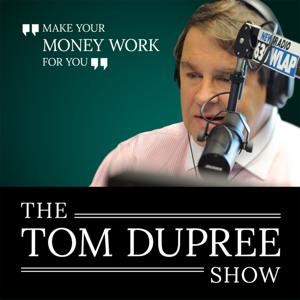

Episode: The Tom Dupree Show | Host: Tom Dupree | Co-host: Mike Johnson
Tom Dupree and Mike Johnson tackle one of the most common misconceptions in retirement planning: that a 401(k) balance is a retirement plan. It isn’t. It’s a savings vehicle — and a very good one — but it was designed to collect money, not distribute it. This episode explains what that distinction means in practical terms, and what steps to take before retirement to make sure your savings can actually do the job you’re counting on them to do.
Tom closed the episode with three questions every listener should be able to answer:
If you can’t answer even one of those with confidence, that’s worth addressing before retirement — not after.
A 401(k) is a tax-deferred savings vehicle offered through your employer. It is designed to accumulate money during your working years. A retirement plan is a personalized strategy that determines how you will generate income from your savings throughout retirement — including what you own, how much you withdraw, how taxes are managed, and how long your money needs to last. The 401(k) is one piece of that plan, not the plan itself.
For most retirees, rolling a 401(k) into an IRA makes sense because an IRA offers a much wider range of investment options — including individual dividend-paying stocks and income-focused strategies that most 401(k) plan menus don’t include. Pre-tax contributions roll into a Traditional IRA; Roth contributions roll into a Roth IRA. The rollover should always be done institution-to-institution to avoid taxes and penalties. Every situation is different, so it’s worth reviewing your specific plan before making the move.
The S&P 500 yields just over 1% in dividends — not enough to cover most retirees’ living expenses. That means you’d need to sell shares regularly to generate cash. When the market is rising, that works. When the market is flat or declining, you’re forced to sell more shares to get the same dollar amount, which depletes your principal at the worst possible time. Over a 20- or 30-year retirement, that pattern can quietly cause serious damage to a portfolio.
An income-focused portfolio is built around investments that generate regular cash flow — primarily dividend-paying stocks in companies with long track records of consistent and growing dividends. The goal is for the income produced by the portfolio to cover living expenses, so you are not dependent on selling shares to fund retirement. Price appreciation is still part of the picture, but it’s the third priority, not the first.
Ideally, as few as possible. The average person approaching retirement holds three to five old 401(k) accounts from previous employers. Consolidating them into one or two IRAs — one Traditional, one Roth if applicable — simplifies beneficiary designations, required minimum distribution calculations, and overall portfolio management. It also makes it much harder to lose track of money you’ve worked decades to save.
A commonly referenced figure is 4% per year, which comes from historical research suggesting that withdrawal rate has a high probability of lasting 30 years across most market environments. However, the right withdrawal rate depends on your specific expenses, other income sources like Social Security or a pension, your tax situation, and how your portfolio is structured. An income-focused portfolio where dividends cover most expenses may allow for more flexibility than a pure growth portfolio using a fixed percentage rule.
Dupree Financial Group is a fee-only, fiduciary RIA that manages separately managed accounts — meaning your investments are held in your name, not pooled into a fund. The firm builds income-focused portfolios around dividend-paying companies selected for their financial strength, cash flow, and dividend history. There are no products sold, no commissions, and no conflicts of interest. The focus is entirely on building a portfolio that generates reliable income and protects principal over a long retirement.
The Tom Dupree Show is hosted by Tom Dupree, founder of Dupree Financial Group and a 47-year veteran of the investment business. Each episode covers the financial topics that matter most to retirees and those approaching retirement — in plain English, without the Wall Street spin.
Dupree Financial Group is a fee-only, fiduciary Registered Investment Advisory firm based in Lexington, Kentucky. The firm manages separately managed accounts focused on income-generating, dividend-paying portfolios — no products sold, no commissions, no conflicts of interest.
Past episodes are available at dupreefinancial.com under the Radio tab.
If you’re not sure whether your 401(k) can actually support the retirement you’ve planned, we’ll take a look. No charge. No pressure. Just an honest conversation about what you own and whether it’s working for you.
Call: 859-233-0400 | Visit: dupreefinancial.com
The post Your 401(k) Is Not a Retirement Plan appeared first on Dupree Financial.
 View all episodes
 By Tom Dupree

4.1
1414 ratings
Episode: The Tom Dupree Show | Host: Tom Dupree | Co-host: Mike Johnson
Tom Dupree and Mike Johnson tackle one of the most common misconceptions in retirement planning: that a 401(k) balance is a retirement plan. It isn’t. It’s a savings vehicle — and a very good one — but it was designed to collect money, not distribute it. This episode explains what that distinction means in practical terms, and what steps to take before retirement to make sure your savings can actually do the job you’re counting on them to do.
Tom closed the episode with three questions every listener should be able to answer:
If you can’t answer even one of those with confidence, that’s worth addressing before retirement — not after.
A 401(k) is a tax-deferred savings vehicle offered through your employer. It is designed to accumulate money during your working years. A retirement plan is a personalized strategy that determines how you will generate income from your savings throughout retirement — including what you own, how much you withdraw, how taxes are managed, and how long your money needs to last. The 401(k) is one piece of that plan, not the plan itself.
For most retirees, rolling a 401(k) into an IRA makes sense because an IRA offers a much wider range of investment options — including individual dividend-paying stocks and income-focused strategies that most 401(k) plan menus don’t include. Pre-tax contributions roll into a Traditional IRA; Roth contributions roll into a Roth IRA. The rollover should always be done institution-to-institution to avoid taxes and penalties. Every situation is different, so it’s worth reviewing your specific plan before making the move.
The S&P 500 yields just over 1% in dividends — not enough to cover most retirees’ living expenses. That means you’d need to sell shares regularly to generate cash. When the market is rising, that works. When the market is flat or declining, you’re forced to sell more shares to get the same dollar amount, which depletes your principal at the worst possible time. Over a 20- or 30-year retirement, that pattern can quietly cause serious damage to a portfolio.
An income-focused portfolio is built around investments that generate regular cash flow — primarily dividend-paying stocks in companies with long track records of consistent and growing dividends. The goal is for the income produced by the portfolio to cover living expenses, so you are not dependent on selling shares to fund retirement. Price appreciation is still part of the picture, but it’s the third priority, not the first.
Ideally, as few as possible. The average person approaching retirement holds three to five old 401(k) accounts from previous employers. Consolidating them into one or two IRAs — one Traditional, one Roth if applicable — simplifies beneficiary designations, required minimum distribution calculations, and overall portfolio management. It also makes it much harder to lose track of money you’ve worked decades to save.
A commonly referenced figure is 4% per year, which comes from historical research suggesting that withdrawal rate has a high probability of lasting 30 years across most market environments. However, the right withdrawal rate depends on your specific expenses, other income sources like Social Security or a pension, your tax situation, and how your portfolio is structured. An income-focused portfolio where dividends cover most expenses may allow for more flexibility than a pure growth portfolio using a fixed percentage rule.
Dupree Financial Group is a fee-only, fiduciary RIA that manages separately managed accounts — meaning your investments are held in your name, not pooled into a fund. The firm builds income-focused portfolios around dividend-paying companies selected for their financial strength, cash flow, and dividend history. There are no products sold, no commissions, and no conflicts of interest. The focus is entirely on building a portfolio that generates reliable income and protects principal over a long retirement.
The Tom Dupree Show is hosted by Tom Dupree, founder of Dupree Financial Group and a 47-year veteran of the investment business. Each episode covers the financial topics that matter most to retirees and those approaching retirement — in plain English, without the Wall Street spin.
Dupree Financial Group is a fee-only, fiduciary Registered Investment Advisory firm based in Lexington, Kentucky. The firm manages separately managed accounts focused on income-generating, dividend-paying portfolios — no products sold, no commissions, no conflicts of interest.
Past episodes are available at dupreefinancial.com under the Radio tab.
If you’re not sure whether your 401(k) can actually support the retirement you’ve planned, we’ll take a look. No charge. No pressure. Just an honest conversation about what you own and whether it’s working for you.
Call: 859-233-0400 | Visit: dupreefinancial.com
The post Your 401(k) Is Not a Retirement Plan appeared first on Dupree Financial.

228,335 Listeners
4,097 Listeners

56 Listeners

10,205 Listeners
1,076 Listeners