
Sign up to save your podcasts
Or

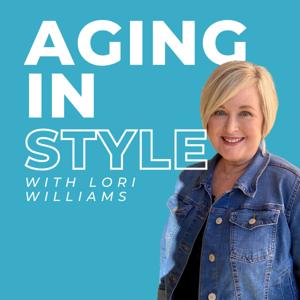

True or false: If you move to a reverse mortgage, you will have to give up title to your home. False! You keep title to your home and continue to control the property, just as you would with a different type of mortgage. There’s no impact on your income taxes or credit at all, and actually, it can be a versatile tool to help you live a better life.
The technical name for a reverse mortgage is Home Equity Conversion Mortgage, which is the FHA-insured reverse mortgage. It’s an age-specific mortgage specifically for those age 62 and above where homeowners convert a portion of their home equity into cash without having to sell their property or give up title to their home and without having to make any mortgage payments.
There are many myths about reverse mortgages, and guest Brenda Bonin from Mutual Omaha is here to dispel them. She shares how much of the misconceptions come from before reverse mortgages became FHA insured, and firmer regulations were put into place. However, they’re a flexible, useful tool where owners can tap into their home equity for cash. In turn, this can finance home health, memory care, the general upkeep of your home – anything you choose.
Additionally, all proceeds go to the owner tax-free, and there’s no payment until the end, when the homeowners decide to sell and move or pass away. If the latter, most people in their family or their heirs will sell the property to pay off that loan and remaining equity goes to the heirs.
It’s easy to qualify because it doesn’t adhere to the standard debt ratio. Instead, there’s a financial assessment in place to gauge whether homeowners are able to remain in their home and maintain it. Banks also look at how much equity you have in your home.
If you’re interested, speak with a mortgage specialist to discuss your goals, current struggles, and cash flow needs. You’ll also go over technical details such as your home’s value, your age, financial situation, and more.
Resources discussed:
Contact Brenda with Mutual of Omaha:
469-682-6633
What is an emergency binder and what it should include:
https://www.loriwilliams-seniorservices.com/aging-in-style-podcast/episode/2a105359/126-paperwork-youll-need-in-a-medical-emergency-get-that-binder-ready
To suggest a topic, be a guest or to support the podcast, please email [email protected]
For more senior resources and to sign up to the newsletter, please visit:
https://www.facebook.com/LoriWilliamsSeniorServices/
https://www.instagram.com/theloriwilliams/
https://www.linkedin.com/in/theloriwilliams/
https://loriwilliams-seniorservices.com/aging-in-style-podcast/
 View all episodes
 By Lori Williams Senior Services

4.7
3333 ratings
True or false: If you move to a reverse mortgage, you will have to give up title to your home. False! You keep title to your home and continue to control the property, just as you would with a different type of mortgage. There’s no impact on your income taxes or credit at all, and actually, it can be a versatile tool to help you live a better life.
The technical name for a reverse mortgage is Home Equity Conversion Mortgage, which is the FHA-insured reverse mortgage. It’s an age-specific mortgage specifically for those age 62 and above where homeowners convert a portion of their home equity into cash without having to sell their property or give up title to their home and without having to make any mortgage payments.
There are many myths about reverse mortgages, and guest Brenda Bonin from Mutual Omaha is here to dispel them. She shares how much of the misconceptions come from before reverse mortgages became FHA insured, and firmer regulations were put into place. However, they’re a flexible, useful tool where owners can tap into their home equity for cash. In turn, this can finance home health, memory care, the general upkeep of your home – anything you choose.
Additionally, all proceeds go to the owner tax-free, and there’s no payment until the end, when the homeowners decide to sell and move or pass away. If the latter, most people in their family or their heirs will sell the property to pay off that loan and remaining equity goes to the heirs.
It’s easy to qualify because it doesn’t adhere to the standard debt ratio. Instead, there’s a financial assessment in place to gauge whether homeowners are able to remain in their home and maintain it. Banks also look at how much equity you have in your home.
If you’re interested, speak with a mortgage specialist to discuss your goals, current struggles, and cash flow needs. You’ll also go over technical details such as your home’s value, your age, financial situation, and more.
Resources discussed:
Contact Brenda with Mutual of Omaha:
469-682-6633
What is an emergency binder and what it should include:
https://www.loriwilliams-seniorservices.com/aging-in-style-podcast/episode/2a105359/126-paperwork-youll-need-in-a-medical-emergency-get-that-binder-ready
To suggest a topic, be a guest or to support the podcast, please email [email protected]
For more senior resources and to sign up to the newsletter, please visit:
https://www.facebook.com/LoriWilliamsSeniorServices/
https://www.instagram.com/theloriwilliams/
https://www.linkedin.com/in/theloriwilliams/
https://loriwilliams-seniorservices.com/aging-in-style-podcast/

90,894 Listeners

8,813 Listeners

43,819 Listeners

27,122 Listeners

59,112 Listeners
3,387 Listeners

66,805 Listeners

47,281 Listeners

8,181 Listeners

57,846 Listeners

40,375 Listeners

2,061 Listeners

19,492 Listeners

469 Listeners

1,171 Listeners