
Sign up to save your podcasts
Or

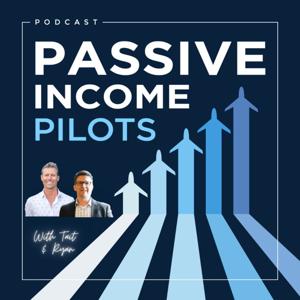

Tait Duryea and Ryan Gibson sit down with Toby Mathis to unpack one of the most misunderstood topics for high-income pilots: business structure and taxes. They explain when to use sole proprietorships, LLCs, S-corps, and C-corps, how losses and profits flow to your personal return, and why entity choice impacts audit risk and mortgage eligibility. This episode is a practical roadmap for pilots starting side hustles who want to lower taxes, protect assets, and avoid costly mistakes.
Toby Mathis is a nationally recognized tax attorney, investor, and educator, best known for simplifying complex tax and asset-protection strategies for entrepreneurs and high-income professionals. He is a founding partner of Anderson Advisors, where he helps clients legally reduce taxes, structure businesses, and protect wealth. In this episode, Toby breaks down entity structures, audit risk, and practical tax strategies pilots can apply when starting or scaling a business.
Show notes:
(0:00) Intro
(0:11) Why entity structure matters
(1:40) Side hustles and W-2 tax offsets
(3:01) Starting a business vs real estate
(6:42) Flow-through Vs. C-corp taxation
(8:49) Mortgage qualification pitfalls
(11:38) Legitimate expense strategies
(15:00) Augusta rule and home office
(21:48) Why sole proprietors get audited
(28:25) Profit Vs. Loss by entity type
(41:20) Schedule C Vs. Schedule E risk
(56:14) Outro
Connect with Toby Mathis:
If you’re interested in participating, the latest institutional-quality self-storage portfolio is available for investment now at: https://turbinecap.investnext.com/portal/offerings/8449/houston-storage/
—
You've found the number one resource for financial education for aviators! Please consider leaving a rating and sharing this podcast with your colleagues in the aviation community, as it can serve as a valuable resource for all those involved in the industry.
Remember to subscribe for more insights at PassiveIncomePilots.com! https://passiveincomepilots.com/
Join our growing community on Facebook: https://www.facebook.com/groups/passivepilots
Check us out on Instagram @PassiveIncomePilots: https://www.instagram.com/passiveincomepilots/
Follow us on X @IncomePilots: https://twitter.com/IncomePilots
Get our updates on LinkedIn: https://www.linkedin.com/company/passive-income-pilots/
Do you have questions or want to discuss this episode? Contact us at [email protected]
See you on the next one!
*Legal Disclaimer*
The content of this podcast is provided solely for educational and informational purposes. The views and opinions expressed are those of the hosts, Tait Duryea and Ryan Gibson, and do not reflect those of any organization they are associated with, including Turbine Capital or Spartan Investment Group. The opinions of our guests are their own and should not be construed as financial advice. This podcast does not offer tax, legal, or investment advice. Listeners are advised to consult with their own legal or financial counsel and to conduct their own due diligence before making any financial decisions.
 View all episodes
 By Tait Duryea and Ryan Gibson

4.9
127127 ratings
Tait Duryea and Ryan Gibson sit down with Toby Mathis to unpack one of the most misunderstood topics for high-income pilots: business structure and taxes. They explain when to use sole proprietorships, LLCs, S-corps, and C-corps, how losses and profits flow to your personal return, and why entity choice impacts audit risk and mortgage eligibility. This episode is a practical roadmap for pilots starting side hustles who want to lower taxes, protect assets, and avoid costly mistakes.
Toby Mathis is a nationally recognized tax attorney, investor, and educator, best known for simplifying complex tax and asset-protection strategies for entrepreneurs and high-income professionals. He is a founding partner of Anderson Advisors, where he helps clients legally reduce taxes, structure businesses, and protect wealth. In this episode, Toby breaks down entity structures, audit risk, and practical tax strategies pilots can apply when starting or scaling a business.
Show notes:
(0:00) Intro
(0:11) Why entity structure matters
(1:40) Side hustles and W-2 tax offsets
(3:01) Starting a business vs real estate
(6:42) Flow-through Vs. C-corp taxation
(8:49) Mortgage qualification pitfalls
(11:38) Legitimate expense strategies
(15:00) Augusta rule and home office
(21:48) Why sole proprietors get audited
(28:25) Profit Vs. Loss by entity type
(41:20) Schedule C Vs. Schedule E risk
(56:14) Outro
Connect with Toby Mathis:
If you’re interested in participating, the latest institutional-quality self-storage portfolio is available for investment now at: https://turbinecap.investnext.com/portal/offerings/8449/houston-storage/
—
You've found the number one resource for financial education for aviators! Please consider leaving a rating and sharing this podcast with your colleagues in the aviation community, as it can serve as a valuable resource for all those involved in the industry.
Remember to subscribe for more insights at PassiveIncomePilots.com! https://passiveincomepilots.com/
Join our growing community on Facebook: https://www.facebook.com/groups/passivepilots
Check us out on Instagram @PassiveIncomePilots: https://www.instagram.com/passiveincomepilots/
Follow us on X @IncomePilots: https://twitter.com/IncomePilots
Get our updates on LinkedIn: https://www.linkedin.com/company/passive-income-pilots/
Do you have questions or want to discuss this episode? Contact us at [email protected]
See you on the next one!
*Legal Disclaimer*
The content of this podcast is provided solely for educational and informational purposes. The views and opinions expressed are those of the hosts, Tait Duryea and Ryan Gibson, and do not reflect those of any organization they are associated with, including Turbine Capital or Spartan Investment Group. The opinions of our guests are their own and should not be construed as financial advice. This podcast does not offer tax, legal, or investment advice. Listeners are advised to consult with their own legal or financial counsel and to conduct their own due diligence before making any financial decisions.

16,749 Listeners

993 Listeners
597 Listeners
426 Listeners

951 Listeners
935 Listeners
255 Listeners

344 Listeners
86 Listeners

140 Listeners
1,819 Listeners

132 Listeners
95 Listeners
222 Listeners
22 Listeners