
Sign up to save your podcasts
Or

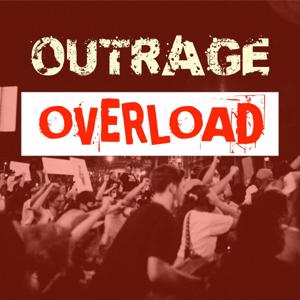

In this episode, we sit down with Samuel Spitali, author of How to Win the War on Truth, to unravel the complexities of misinformation and its impact on society. Samuel offers a deep dive into the history of media polarization, examining key moments like the removal of the Fairness Doctrine and the rise of partisan news outlets. We also explore the psychological factors that make conspiracy theories so enticing, even to those who pride themselves on critical thinking. This conversation isn’t just an exploration of how we got here—it's a call to action to support public goods like libraries and journalism that are crucial for an informed society.
Text me your feedback and leave your contact info if you'd like a reply (this is a one-way text). Thanks, David
Support the show
Show Notes:
https://outrageoverload.net/
Contact me, David Beckemeyer by email [email protected]. Follow the show on Instagram @OutrageOverload. We are also on Facebook /OutrageOverload. Check out our Subtstack https://outrageoverload.substack.com
HOTLINE: 925-552-7885
Got a Question, comment or just thoughts you'd like to share? Call the O2 hotline and leave a message and you could be featured in an upcoming episode
If you would like to help the show, you can contribute here. Tell everyone you know about the show. That’s the best way to support it.
Rate and Review the show on Podchaser: https://www.podchaser.com/OutrageOverload
Also check out our companion podcasts, This Week in Outrage and Outrage Science Bites.
Intro music and outro music by Michael Ramir C.
Many thanks to my co-editor and co-director, Austin Chen.
 View all episodes
 By David Beckemeyer
5
1010 ratings
In this episode, we sit down with Samuel Spitali, author of How to Win the War on Truth, to unravel the complexities of misinformation and its impact on society. Samuel offers a deep dive into the history of media polarization, examining key moments like the removal of the Fairness Doctrine and the rise of partisan news outlets. We also explore the psychological factors that make conspiracy theories so enticing, even to those who pride themselves on critical thinking. This conversation isn’t just an exploration of how we got here—it's a call to action to support public goods like libraries and journalism that are crucial for an informed society.
Text me your feedback and leave your contact info if you'd like a reply (this is a one-way text). Thanks, David
Support the show
Show Notes:
https://outrageoverload.net/
Contact me, David Beckemeyer by email [email protected]. Follow the show on Instagram @OutrageOverload. We are also on Facebook /OutrageOverload. Check out our Subtstack https://outrageoverload.substack.com
HOTLINE: 925-552-7885
Got a Question, comment or just thoughts you'd like to share? Call the O2 hotline and leave a message and you could be featured in an upcoming episode
If you would like to help the show, you can contribute here. Tell everyone you know about the show. That’s the best way to support it.
Rate and Review the show on Podchaser: https://www.podchaser.com/OutrageOverload
Also check out our companion podcasts, This Week in Outrage and Outrage Science Bites.
Intro music and outro music by Michael Ramir C.
Many thanks to my co-editor and co-director, Austin Chen.
21,971 Listeners
9,533 Listeners

87,290 Listeners

112,277 Listeners
21,854 Listeners

5,799 Listeners

6,384 Listeners

15,918 Listeners
3,512 Listeners