
Sign up to save your podcasts
Or




Remembering Jesse Colin Young, an influential figure in folk and rock. Explore his impact and legacy.
Jesse Colin Young, the legendary singer/songwriter known for his work with the Youngbloods as well as a prolific solo career, has died at the age of 83.
Jesse leaves a unique mark on the intersecting worlds of folk, blues, jazz, country, and rock & roll.
As the frontman of The Youngbloods, he immortalised the ideals of the Woodstock generation with “Get Together,” an international hit that called for peace and brotherhood during the turbulent 1960s.
An acclaimed songwriter, singer, instrumentalist, producer, label owner, podcast host, and longtime social/environmental activist, he has established a permanent place in America’s musical landscape – while continuing to make modern music that’s every bit as vital as his work during the counterculture era.
We will miss you and your music Jesse.
This interview recorded shortly after the release of his latest solo effort.
In the mid '70s Skyhooks basically gave the Australian music industry the enema it had been needing. For too long many Australian bands spent hours copying their UK/USA cousins and Australian content in songs was far and few between.
Skyhooks were cheeky, brash and colourful: wearing makeup years before Kiss were even conceived. Songwriter Greg Macainsh composed many amazing tunes-many sprinkled with Melbourne place names and Australian themes and he put together the band that would change the musical history of the country.
Greg Macainsh grew up in Melbourne, Australia. He was exposed to a diverse array of musical influences and his passion for music developed during his teenage years, leading him to pick up the bass guitar. In 66, while at high school, Macainsh formed his first band, Spare Parts, alongside drummer Imants "Freddie" Strauks.
This initial foray into the world of music marked the beginning of a collaborative relationship that would prove pivotal in the years to come. The duo laid the groundwork for subsequent projects, including bands like Sound Pump, Reuben Tice, Claptrap, and Frame.
In 73, Macainsh co-founded Skyhooks.
Skyhooks quickly gained a cult following in Melbourne, captivating audiences with their theatrical performances and provocative lyrics that addressed themes such as drugs, sex, and the Australian gay scene. Their music was distinctly Australian, often referencing local places and culture. However, it wasn't until the addition of lead vocalist Graeme "Shirley" Strachan in 1974 that the band solidified its classic lineup and began its ascent to national prominence.
The release of their debut album, "Living in the 70's," in 74 marked a turning point for Skyhooks and Australian rock music. Produced by Daddy Cool's Ross Wilson, the album showcased Macainsh's songwriting prowess. Despite six of its ten songs being banned by Australian commercial radio due to their controversial content, the album soared to the top of the charts, remaining at number one for 16 weeks and selling over 200,000 copies—a record-breaking achievement at the time.
Skyhooks' success was further propelled by their dynamic performances on tv programs like ABC's "Countdown."
The band's second album, "Ego Is Not a Dirty Word," released in 1975, continued their winning streak, topping the charts for 11 weeks and solidifying their status as Australian rock icons.
Despite their monumental success, Skyhooks faced challenges, particularly in breaking into the international market. A 1976 tour of the United States yielded limited success, as American audiences struggled to connect with the band's uniquely Australian references and flamboyant style. Internal changes followed, with guitarist Red Symons departing in 1977 and lead vocalist Shirley Strachan leaving in 1978. These shifts marked the beginning of a transitional period for the band, leading to a decline in commercial success and culminating in their disbandment in 1980.
Following the dissolution of Skyhooks, Greg Macainsh embarked on a diverse and fulfilling career. He earned a law degree, and applied his creative talents to various projects. Macainsh also developed a passion for mountain biking and culinary arts, notably perfecting a kosher chicken stock.
Skyhooks' impact on Australian music and culture is immeasurable. Their fearless exploration of taboo subjects and incorporation of Australian vernacular into their lyrics challenged the status quo and paved the way for future artists to express authentic narratives.
In this episode we journey through Greg Macainsh's life. From his early days in Melbourne to the heights of fame with Skyhooks and his subsequent personal and professional endeavours, Greg story is one of creativity, resilience, and lasting impact. This episode is certain to resonate with music lovers, baby boomers, Australian music fans, Skyhooks enthusiasts, and aficionados of 70s music all over the world.
#skyhooks #australianrockmusic #'70srock #hits
Chaz Jankel came to prominence as the musical director for Ian Dury's Blockheads, helping to steer those pub rock survivors away from punk and toward funk, disco, and pop.
Chaz went further into fusion on his own, creating a stylish music that bridged the boundaries between new wave and the mainstream.
When Quincy Jones spotted "Ai No Corrida" on Chaz's eponymous solo debut and decided to have Dune sing the tune, the song became an international hit, reaching 28 on Billboard's Hot 100 and 14 on the U.K. charts,. This established Jankel as a force outside of the Blockheads.
Over the next decade, Chaz Jankel worked on his own, releasing a total of four solo albums in the first half of the '80s and scoring a massive dance club hit with '81's "Glad to Know You."
Eventually Chaz wound his way back to Ian Dury Iserving as his chief collaborator on 98's Mr. Love Pants and 2000's Ten More Turnips from the Tip.
Ian Dury died shortly afterward, leaving Chaz as the leader of the Blockheads, a role he'd maintain alongside his solo career.
Born in 1952 in Middlesex, Chaz Jankel was drawn to music by Lonnie Donergan , the king of Britain's skiffle craze of the '60s. He had picked up the guitar as a child, then learned piano but while at boarding school, he fell in love with soul and funk. His first major band was the folk-rock group Byzantium and later he joined Jonathan Kelly's Outside, appearing on their '74 LP Waiting on You, then he went on to play with Kilburn and the High Roads during their final days in the mid-'70s.
Jankel hit it off with Kilburn leader Ian Dury, so once the High Roads split, the pair formed the Blockheads, a punk band that supported Ian Dury on his '77 solo debut, New Boots and Panties! It wa at this time that the band steered itself towards funk and disco - a shift in direction that accentuated Chaz Jankel's musical interests.
The album Do It Yourself turned into a huge hit for Ian Dury, providing momentum for Chaz to launch a solo career in 1980; although he'd continue to write with Ian Dury, notably collaborating on "Spasticus Autisticus" from 1981's Lord Upminster.
Signing with A&M, he released his eponymous solo debut Chasanova in 1981 and made inroads in the U.S. thanks to the single "Glad to Know You," which became a number one hit on Billboard's Hot Dance Club Play chart, staying there for seven weeks.
That same year, Quincy Jones covered "Ai No Corrida," Chaz's lead track. Quincy's version became an international hit, turning the song into something of a new wave disco standard.
The album Chazablanca arrived in 83 and Looking at You came out in 85.
Jankel relocated to the US in the late 1980s, where he started to work as a film composer beginning with the Dennis Quaid -starring remake of the 1949 film noir D.O.A.; the latter was co-directed by Chaz's sister Annabel.
Chaz eventually returned to the UK in the mid-'90s, leading to a reunion with Ian Dury and the Blockheads. Jankel and Dury collaborated on the singer's final two albums, 1998's Mr Love Pants and 2000's Ten More Turnips from the Tip. Ian Dury died shortly after this in 2000 and Chaz Jankel continued to lead the Blockheads through a number of tours and records, all the while continuing to work on a solo career of his own. Throughout the 2000s, he regularly released albums. During the 2010s, his recording projects involved the Blockheads, who released Same Horse Different Jockey in 2013 and Beyond the Call of Dury in 2017.
Cherry Red Records released Glad to Knot You: The Anthology 1980 - 1986, a five-disc compilation of Jankel's recordings, in 2020 and more recently Chaz has released and reissued a recording of DOA Reimagined.
Chaz joins us today to share stories from his amazing journey.
#iandury&theblockheads #britishpunk #chazjankel #newwave #funk #disco
Join us as we delve into the remarkable journey of Garry Gary Beers, the bassist of the legendary Australian rock band INXS. From his early beginnings, through the meteoric rise of INXS, to his current musical endeavours with AshenMoon, Garry's story is a testament to passion, resilience, and evolution in the music industry.
Early Life and Musical Genesis
Born in Manly, Sydney, Australia, Garry was introduced to the world of music during his high school years. He initially picked up the acoustic guitar and formed a band with his schoolmates. A twist of fate led him to switch to the bass guitar, a decision that would shape his entire future . The transition was serendipitous, and paved the way for him to meet Andrew Farriss. Together, they formed the band Dr. Dolphin, which eventually evolved into The Farriss Brothers, and later, the globally acclaimed INXS.
INXS emerged as a powerhouse in the rock and new wave scenes of the 80s and 90s. The band's unique blend of rock, pop, and dance elements resonated with audiences worldwide. Garry's bass lines became the backbone of numerous chart-topping hits, including "Need You Tonight," "Devil Inside," "Never Tear Us Apart," and "Suicide Blonde."
Garry also co-wrote several tracks like "Listen Like Thieves," "Don't Change," and "Perfect Strangers."
The band toured relentlessly and Michael Hutchence's dynamic stage presence solidified the band's reputation, leading to sales of over 70 million albums and induction into the ARIA Hall of Fame in 2001.
Following Michael's tragic passing in 1997, INXS faced tumultuous times. Garry explored various musical avenues and in 89, during a hiatus from INXS, joined the group Absent Friends.
Garry soonn relocated to Los Angeles, immersing himself in songwriting and production. His passion for craftsmanship led him to design and build his own line of bass guitars under the brand GGB Basses, merging his love for music with his skills in woodwork and electronics.
Garry co-founded AshenMoon when he teamed up with fellow Australian vocalist Toby Rand. The band embarked on a journey to create a fresh yet nostalgically resonant sound. Their self-produced tracks, including singles like "GODTANK," "DON'T WAKE ME," and "STARGAZE," have garnered attention for their raw energy and melodic depth. The band is about to tour Australia for the very first time.
Garry Gary Beers's story is a fascinating one. As a member of INXS, he played a crucial role in shaping the band's sound, which continues to influence artists across genres. His dedication to his craft, whether through performing, songwriting, or instrument design, underscores a career marked by passion and creativity. Throughout his career, Garry has also maintained a strong connection with his fans. His engaging stage presence and genuine appreciation for his audience have endeared him to music lovers everywhere. With AshenMoon, Garry continues this tradition, offering fans new music that resonates with the energy and spirit of his earlier work while exploring new artistic horizons.
From the heights of global fame with INXS to the creative ventures with AshenMoon, Garry Gary Beers exemplifies the journey of a true rockstar. His unwavering dedication to music, innovative spirit, and ability to evolve with the times make his story a compelling narrative of talent and tenacity. As he continues to create and perform, Garry's legacy as a musician and artist remains influential and inspiring.
For those eager to experience Garry's latest musical endeavours, explore AshenMoon's music and stay updated on their upcoming projects. Garry Gary Beers's journey is a testament to the enduring power of music and the relentless pursuit of artistic passion.
#MusicPodcast #RockPodcast #PodcastEpisode #ListenNow #PodcastRecommendation
#INXS #GarryGaryBeers #INXSBand #INXSFans #MichaelHutchence #INXSMusic #NeverTearUsApart #musichistory #AshenMoon #NewMusic #RockRevival #GGBBass #MusicLegends #RockIcons #ClassicRock
Todd Rundgren is a true musical visionary whose career spans decades, influences multiple genres, and continues to inspire generations of music lovers.
From his early days with the psychedelic rock band Nazz to his groundbreaking solo career and innovative work with Utopia, Rundgren has continually redefined what it means to be an artist.
His work as a singer, songwriter, record producer, and multi-instrumentalist has left an indelible mark on rock, pop, progressive, and experimental music.
In this in-depth feature, we explore the highs and lows of his storied career, highlighting his unique blend of catchy melodies, technical expertise, and bold experimentation that have made him a lasting icon in the music industry.
Born into an era of musical revolution, Todd Rundgren’s early years were shaped by the sounds of the 60s. Embracing the counterculture movement, he found his first taste of musical success with Nazz, where he served as the lead guitarist and primary songwriter, crafting songs that were both innovative and accessible. Tracks such as “Open My Eyes” and “Hello It’s Me.”
Rundgren’s leap from band member to solo superstar came in the early 70s. It was the seminal album Something/Anything? that truly set him apart. It featured enduring hits like “I Saw the Light” and a reimagined version of “Hello It’s Me,” songs that still resonate with fans today. The album was celebrated for its innovative production techniques and intricate arrangements.
Never content to follow the status quo, Todd Rundgren has always been driven by a desire to experiment. His subsequent albums are celebrated as landmarks of avant-garde music production. He became one of the pioneers of home recording technology, demonstrating that innovative music could be produced outside the confines of a traditional studio. Todd's approach to music-making has inspired artists to take creative risks and explore uncharted sonic territories.
In the mid-70s, seeking new avenues for creative expression, Rundgren formed the band Utopia. With them he crafted extended compositions that featured dynamic shifts, complex time signatures, and an eclectic mix of rock, pop, and classical influences.
Beyond his achievements as a performer, Todd Rundgren is also revered for his pioneering work as a record producer. His studio prowess and keen musical instincts have made him one of the most sought-after producers in rock history. Rundgren’s production credits include his work on Meat Loaf’s album Bat Out of Hell. This record, one of the best-selling albums of all time, showcases his ability to harness raw talent and transform it into something transcendent. Todd also lent his production genius to artists such as Badfinger, Grand Funk Railroad, The New York Dolls, Hall & Oates, Patti Smith, XTC, and many more.
A lifelong admirer of The Beatles, Todd's musical style and production techniques bear the unmistakable influence of the Fab Four. He has collaborated with Ringo Starr & His All-Starr Band and he has inspired a diverse array of artists across multiple genres.
As we reflect on the life and career of Todd Rundgren, it becomes clear that his influence on music is both profound and far-reaching. He's a gifted performer, songwriter and trailblazer.
His work continues to inspire musicians and captivate fans, ensuring that his contributions to rock, pop, and progressive music will be celebrated for generations to come.
By exploring the life and work of Todd Rundgren in this feature episode, we celebrate not only his achievements but also the spirit of innovation that he has instilled in the world of music.
His career serves as an inspiration to anyone who dares to dream, experiment, and redefine what is possible in the realm of sound. Whether you are a longtime fan or a newcomer to his music, this deep dive into his storied journey offers an invaluable glimpse into the mind of one of rock’s most fearless innovators.
#toddrundgren #RockLegend #Classicrock #Music
Early Life & Musical Beginnings
Gary Kempwas born in London, where his passion for music and performing arts took shape early. Raised in Islington, he attended Anna Scher’s acting school alongside his younger brother Martin Kemp. Though acting was an early focus, music soon became his true calling. Influenced by the glam rock and punk movements of the ‘70s, Kemp sought to create a new sound, ultimately leading to the formation ofSpandau Ballet in 1978.
As theprimary songwriter for Spandau Ballet, Gary Kemp was responsible for some of the most iconic hits of the1980s New Romantic era. The band first gained attention in the London club scene, aligning with the movement's stylish aesthetic. Their breakthrough came with"To Cut a Long Story Short", followed by global hits like"True","Gold", and"Through the Barricades." Kemp's songwriting, blendingsoulful melodies, romantic lyricism, and synth-driven soundscapes, defined an era.
Spandau Ballet's success was meteoric, earningmulti-platinum sales, Brit Awards, and worldwide tours. However, internal tensions led to their breakup in 1990. A high-profile legal battle followed, as bandmates attempted to claim songwriting royalties, but the court ruled in Kemp's favor as the sole composer.
Following Spandau Ballet’s split, Gary Kemp transitioned into acting. His most notable role wasplaying Reggie Kray alongside his brother Martin in the acclaimed gangster biopicThe Krays (1990). He also appeared in major films such asThe Bodyguard (1992) with Kevin Costner and Whitney Houston andKilling Zoe (1993).
Though acting remained part of his career, Kemp never abandoned music. He continued writing and exploring new creative directions.
In 1995, Gary Kemp released his debut solo album,Little Bruises, showcasing a more introspective, acoustic-driven sound. Though it didn’t match Spandau Ballet’s chart-topping success, it revealed a different side of his artistry.
After years of silence on the solo front, Kemp made a powerful return withINSOLO (2021), an ambitious and deeply personal album exploring themes of fame, identity, and self-reflection. Tracks like"Ahead of the Game" and"Too Much" reaffirmed hissongwriting prowess and sophisticated musicianship.
In2025, Kemp releasedFinal Destination, his most introspective work yet. The album reflects on hisstruggles with mental health, the impact of the pandemic, and personal loss. Having suffered fromanxiety and depression post-pandemic, Kemp has openly discussed how the experience reshaped his perspective on life, revealing that he now avoids watching the news to protect his well-being.
Despite their past conflicts, Spandau Ballet reunited forsuccessful tours in 2009 and 2015, thrilling fans worldwide. However, tensions resurfaced, and lead singerTony Hadley permanently exited in 2017, leaving the band in limbo. While Spandau Ballet’s future remains uncertain, Kemp continues tohonor their legacy through hislive performances, storytelling, and collaborations.
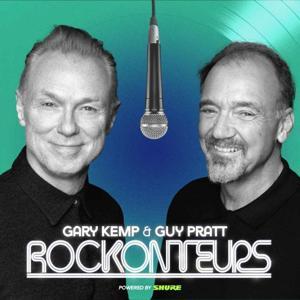
Beyond performing, Gary Kemp is arespected voice in music history. He co-hosts the popular podcastRockonteurs with Pink Floyd’s Guy Pratt, where they interview rock and pop legends, discussing the untold stories of the music industry. His deep knowledge and engaging storytelling make him an authority in British pop culture.
FromSpandau Ballet’s chart-topping success to hisacting career, solo albums, and podcasting ventures, Gary Kemp remains a truemusic icon. His ability toevolve, adapt, and create timeless music has solidified his legacy as one of Britain’s most influential songwriters. WithFinal Destination, Kemp proves that hiscreative journey is far from over.
#garykemp #SpandauBallet #80sMusic
#NewRomantic #BritishPop #Rockonteurs
#TrueSpandauBallet #GoldSpandauBallet
#SynthPop #80sIcons #MusicLegends
#ClassicHits #PopRock #MusicPodcast #BehindTheMusic
William Lee Golden is a name synonymous with country music history, legendary harmonies, and an iconic look that has made him one of the most recognisable figures in the genre.
Best known as a longtime member of The Oak Ridge Boys, Golden’s career spans decades, shaping the sound of country, gospel, and pop-influenced music that has touched generations of fans.
In this episode, we take a deep dive into the extraordinary life and career of 86 year old William Lee Golden, exploring his journey, his musical influences, and his legacy in American music history.
Whether you’re a longtime fan or just discovering his work, this episode is packed with stories, insights, and a celebration of a true music legend.
William Lee Golden’s unmistakable baritone has been a crucial part of The Oak Ridge Boys' signature sound. From their gospel roots to mainstream country success, Golden has played an instrumental role in shaping the group’s identity. The Oak Ridge Boys became one of the most beloved vocal groups in country music history, earning numerous awards, chart-topping hits, and an enduring place in the hearts of fans worldwide.
Golden’s early life was steeped in gospel music, a foundation that would later influence The Oak Ridge Boys' transition into country music superstardom. His deep love for harmony and storytelling led him to join the group in the mid-60s, where his vocal depth and stage presence became defining elements of their sound. We explore the group’s evolution, highlighting their biggest hits like Elvira, Bobbie Sue, and American Made—songs that remain timeless classics in country and pop music history.
Beyond his music, William Lee Golden is known for his signature long beard, flowing hair, and unique fashion sense. His look has become as legendary as his voice, symbolising his free spirit and deep connection to his artistic roots. We discuss how Golden’s image and personal style became intertwined with his musical journey, making him a standout figure in the industry.
Golden’s career has been about more than just music—it's about faith, family, and staying true to his values. We explore his decision to pursue a solo career, his return to The Oak Ridge Boys, and how his love for music has remained steadfast through the years. The conversation also delves into his deep connection to his family, his art, and his ability to adapt and thrive in an ever-changing industry.
Who influenced William Lee Golden’s musical style? What artists inspired him to pursue a life in music? We uncover his inspirations, collaborations, and the lasting impact he’s had on future generations of country artists. His storytelling ability, powerful performances and commitment to authentic music .
If you love classic country music, harmony-driven vocal groups, and the rich history of American music, this episode is for you. Who is this for?
Country Music Fans who appreciate the history and evolution of the genre.
Baby Boomers who grew up with The Oak Ridge Boys.
Classic Rock and Pop Fans who enjoy crossover hits.
Music History Enthusiasts
Don’t miss this in-depth look at one of country music’s most legendary figures. Listen to the full episode on your favorite podcast platform, and be sure to subscribe for more deep dives into music history. Share your thoughts, favourite William Lee Golden moments, and your memories of The Oak Ridge Boys in the comments!
Discover More Music Legends
#William Lee Golden
# The Oak Ridge Boys
#William Lee Golden biography
#William Lee Golden music career
#William Lee Golden solo albums
# The Oak Ridge Boys biggest hits
#Classic country music legends
#Gospel to country transitions
Dive into the compelling and tragic story of Joey Molland and his legendary band, Badfinger, in this must-listen episode.
Packed with exclusive insights into the history of one of the most beloved bands of the '60s and '70s, this is your ultimate guide to understanding the highs and lows of Badfinger's incredible journey.
Perfect for music lovers, Baby Boomers, Beatles fans, and anyone with a passion for classic hits from the golden era of British pop music, this episode captures the essence of a band that remains iconic to this day.
Who Was Joey Molland and Why Was Badfinger So Special?
The Badfinger-Beatles Connection
The Tragic Side of Success
Badfinger’s Timeless Legacy
Joey Molland remains a custodian of Badfinger’s legacy. For Baby Boomers who grew up with their music, and for younger fans discovering their brilliance, their story is a testament to the enduring power of great songwriting.
What You’ll Learn in This Episode
Joey Molland’s early years in Liverpool and his path to joining Badfinger.
The group's formation and early struggles
Behind-the-scenes stories working with Paul McCartney and George Harrison.
The creation of iconic albums and their chart-topping hits.
The band’s challenges with management and the financial troubles that led to their downfall.
The tragic losses of Pete Ham and Tom Evans and how their deaths impacted the music world.
Joey Molland’s role in preserving Badfinger’s legacy and his continued contributions to music.
Why This Episode Is a Must-Listen
Engage with Us:
Ever wondered what happened to Gary Puckett? What songs he wrote or if he's still singing? Tune in now to find out!
Gary Puckett and the Union Gap carved their niche in the golden era of sixties and seventies music with a unique blend of heartfelt ballads, powerful vocals, and their iconic Civil War-style uniforms.
This episode takes a deep dive into the remarkable journey of Gary Puckett—from his early days as a budding musician, through the meteoric rise of The Union Gap, to his enduring legacy as a performer beloved by baby boomers and music lovers alike.
Packed with fascinating insights, classic hit stories, and a rich narrative, this episode is a must-listen for fans of sixties and seventies music.
Before becoming a household name, Gary grew up in Minnesota, and later San Diego, California. With a natural affinity for music, he began honing his craft in local bands, blending rock, pop, and folk influences that would later define his signature sound.
We Gary’s formative years, detailing how his early experiences laid the foundation for his future success with The Union Gap.
In 1967, Gary formed The Union Gap, a band that would set itself apart not just musically but visually. Donning Civil War-style uniforms, the group created a memorable image that complemented their emotionally charged songs. Their unique branding strategy quickly caught the attention of music executives, leading to a record deal.
Gary details the strategic brilliance behind their image and how it contributed to their rapid rise in the competitive music scene of the late sixties.
The band became a sensation with a string of unforgettable hits that captured the hearts of listeners worldwide. From the soulful “Woman, Woman” to the tender “Young Girl,” their songs resonated deeply with themes of love and longing. “Lady Willpower” and “Over You” further cemented their status as one of the era’s top acts.
Gary delves into the stories behind the timeless classics, exploring their lyrical depth, musical composition, and the emotions they continue to evoke in audiences today.
During their peak, the band achieved international acclaim, touring extensively and appearing on major tv shows. Their music transcended borders, becoming beloved by fans across Europe, Asia, and beyond.
Despite their phenomenal success, the band faced challenges as the music industry evolved in the early seventies. Shifts in public taste, internal pressures, and the rise of new musical genres led to the group’s eventual disbandment.
After The Union Gap, Gary embarked on a solo career, continuing to captivate audiences with his powerful voice and stage presence. From recording new music to performing at nostalgia-driven events, he maintained his connection with fans who cherished the sounds of the era. Gary’s enduring dedication to his craft, his contributions to the music industry, and his ability to reinvent himself while honouring his rich musical legacy are all examined.
Decades after their debut, the music of Gary Puckett and the Union Gap remains relevant, cherished by baby boomers and younger generations discovering their timeless appeal. Their songs are staples on oldies playlists, radio stations, and streaming platforms, ensuring that their legacy lives on. The music is simply timeless.
Explore Gary Puckett’s early life and the formation of The Union Gap.
Discover the stories behind chart-topping hits like “Young Girl,” “Lady Willpower,” and “Woman, Woman.”
Learn about the band’s global impact and their place in sixties and seventies music history.
Dive into Gary Puckett’s solo career and his enduring influence on music lovers of all ages.
Subscribe to our channel for more in-depth explorations of music legends, classic hits, and the stories behind the songs that defined a generation.
Best remembered for their ubiquitous 1977 pop hit "Smoke from a Distant Fire," blue-eyed soul duo Sanford & Townsend paved the way for the yacht rock phenomena of today.
Johnny Townsend's musical journey is a remarkable tale of perseverance, talent, and timeless appeal. Renowned for his soulful vocals and songwriting expertise, Townsend etched his name in music history through his partnership with Ed Sanford in the Sanford-Townsend Band.
Together, the pair crafted hits that became staples of the "soundtrack to our lives," resonating deeply with baby boomers, yacht rock aficionados, and classic hit enthusiasts.
Hailing from Tuscaloosa, Alabama, John Townsend was immersed in music from an early age. Influenced by the Southern rock and soul traditions of his youth, Townsend developed a unique sound that blended heartfelt emotion with a sophisticated, polished delivery. His early career saw him perform with local bands, honing his craft and building a reputation as a gifted vocalist and keyboardist.
The defining chapter of John’s career began when he joined forces with Ed. Their synergy as songwriters and performers culminated in the 1977 hit Smoke from a Distant Fire.
This track, with its infectious melody, smooth harmonies, and emotionally charged lyrics, captured the essence of yacht rock—a genre known for its breezy sophistication and impeccable musicianship. The song rocketed up the Billboard charts, earning a coveted spot in the Top 10 and cementing the duo's place in the annals of classic rock history.
While Smoke from a Distant Fire became their signature song, the Sanford-Townsend Band's catalogue offered much more.
Their music embodied the spirit of an era defined by artistic ambition and a commitment to craft, seamlessly blending elements of rock, soul, and pop. For baby boomers who grew up with radio as their constant companion, John’s music provided a soundtrack to pivotal moments in their lives.
In the years following their breakout success, John continued to pursue his passion for music, working with a variety of artists and exploring new creative directions. He collaborated with notable names in the industry, contributing his signature sound to projects that spanned genres. His dedication to authenticity and emotional resonance ensured his place as a beloved figure in the yacht rock and classic hits community.
In recent years, Sanford and Townsend have revisited their musical partnership. They have been working on remastering some of their early recordings, including original versions of songs from their albums before forming the Sanford-Townsend Band, as well as unreleased tracks from their time together. This initiative aims to reintroduce their music to both longtime fans and new audiences.
Additionally, Ed Sanford has been involved in live performances. He and Townsend have been collaborating on new projects, delighting audiences with their enduring musical chemistry. Their ongoing work reflects a commitment to their craft and a desire to keep their musical legacy alive.
Today, both Ed Sanford and Johnny Townsend's contributions to music are celebrated by fans who cherish the golden era of smooth rock.
Their work serves as a bridge between the past and present, reminding listeners of a time when melody, harmony, and storytelling reigned supreme.
For baby boomers, yacht rock lovers, and all those who value the enduring power of great music, John and Ed's legacy is a beacon of nostalgia and excellence.
Whether revisiting the chart-topping Smoke from a Distant Fire or diving into the broader body of work he helped create, Johnny Townsend certainly remains a vital part of the musical tapestry that continues to inspire and uplift generations.
John joins us today in conversation to share his unique story from one hit wonder to rock legend.
From the publisher's feed

90,541 Listeners

78,283 Listeners

38,674 Listeners

26,818 Listeners

451 Listeners

12,485 Listeners

8,030 Listeners
361 Listeners
5,053 Listeners

12,409 Listeners

57,652 Listeners
331 Listeners

2,030 Listeners
4,427 Listeners

12,498 Listeners