
Sign up to save your podcasts
Or

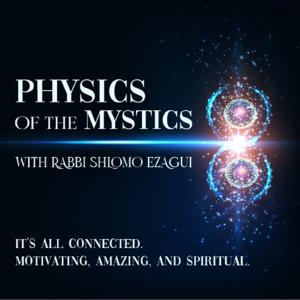

Rabbi Shlomo Ezagui asserts that traditional burial is a divine mandate in Judaism, whereas cremation represents a profound violation of human dignity and religious law. By citing the Torah, Talmud, and prophetic writings, the text argues that the human body is a sacred vessel that must be returned gently to the earth rather than destroyed by fire. The author highlights that even a deceased individual's personal request for cremation is not morally or legally binding because the body ultimately belongs to the Creator. Furthermore, the spiritual perspective of the Lubavitcher Rebbe is presented to describe cremation as an act of 'unparalleled cruelty' that harms the soul's connection to the physical world. Ultimately, the sources frame burial as an essential expression of faith in resurrection and a rejection of modern convenience in favor of eternal sanctity.
 View all episodes
 By JewishPodcasts.fm

4.2
1212 ratings
Rabbi Shlomo Ezagui asserts that traditional burial is a divine mandate in Judaism, whereas cremation represents a profound violation of human dignity and religious law. By citing the Torah, Talmud, and prophetic writings, the text argues that the human body is a sacred vessel that must be returned gently to the earth rather than destroyed by fire. The author highlights that even a deceased individual's personal request for cremation is not morally or legally binding because the body ultimately belongs to the Creator. Furthermore, the spiritual perspective of the Lubavitcher Rebbe is presented to describe cremation as an act of 'unparalleled cruelty' that harms the soul's connection to the physical world. Ultimately, the sources frame burial as an essential expression of faith in resurrection and a rejection of modern convenience in favor of eternal sanctity.
228,383 Listeners

43,528 Listeners

19,481 Listeners
26,250 Listeners

12,754 Listeners

111,948 Listeners

56,508 Listeners
8,748 Listeners

370,110 Listeners
13,588 Listeners