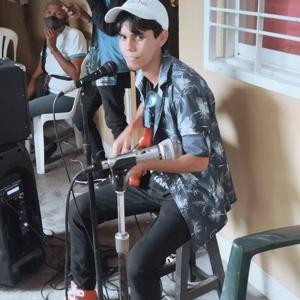
aletoalonewolf 3Speak Podcast

aletoalonewolf 3Speak Podcast

By Jesús Toledo
Download on the App Store

aletoalonewolf 3Speak Podcast episodes

  • [Esp-Eng] Hive Music Festival - Week N° 184 - Round 1// Me vas a echar de menos - José José
    https://3speak.tv/watch?v=aletoalonewolf/03d98f9b
    ![Agregar un título_20260420_171607_0000.png](https://files.peakd.com/file/peakd-hive/aletoalonewolf/23wgMdnjd3ZHDufUmeBvH3MygutgsQ7pnbChDRAkVLxjaMNwo61mAXUoAHsTxWzMsas3m.png)
    [Fuente de la imagen de portada, editada en Canva](https://www.excelsior.com.mx/trending/por-que-el-20-de-abril-es-el-dia-internacional-de-jose-jose/1647635)
    "Me vas a echar de menos" no es únicamente una canción sentimental; representa una construcción psicológica encarnada en la suave voz de José José. Publicada en 1985 como parte del disco Promesas, esta obra representa el clímax de una colaboración significativa con el autor Rafael Pérez Botija, donde la melodía trasciende su rol habitual para transformarse en el telón de fondo de una despedida clara y profunda.
    El enfoque principal del asunto no está en la súplica, sino en la predicción. A diferencia de otros poemas de amor perdido que piden misericordia, el cantante aquí adopta una postura de una confianza casi helada: no solicita que regresen, afirma que lo harán a través de la memoria. La letra analiza la vida cotidiana con una claridad impresionante, subrayando que la falta se manifestará en los gestos más sutiles: un aroma, el contacto de una mano o el silencio de un cuarto. Desde un ángulo narrativo, la canción se presenta como un monólogo dramático ideal, donde el oyente ausente se ve obligado a una comparación interminable entre el nuevo presente y un pasado irrepetible.
    En el ámbito musical, se clasifica dentro del género de balada pop romántica de la década de los ochenta, caracterizada por suaves arreglos orquestales y la conmovedora voz del intérprete, que aporta una gran carga emotiva y fuerza. Marcada por la influencia de la cultura latina mexicana. Hoy en día, la melodía supera su tiempo debido a su habilidad para contar la desilusión desde una perspectiva de respeto intelectual. Finalmente, esta obra nos hace reflexionar que el auténtico olvido no se alcanza cuando la marca que se dejó es fundamental en la identidad de otra persona. Una canción que evoca amor y sensibilidad, resultando adecuado lanzarla en este momento, cada 20 de abril se espera una llamada que posiblemente no llegará, pero el sentimiento sigue presente. O a lo mejor ya no...
    “Me vas a echar de menos” is not merely a sentimental song; it is a psychological construct embodied in José José’s soft voice. Released in 1985 as part of the album *Promesas*, this piece represents the climax of a significant collaboration with the songwriter Rafael Pérez Botija, where the melody transcends its usual role to become the backdrop for a clear and profound farewell.
    The main focus of the song is not on pleading, but on prediction. Unlike other songs of lost love that beg for mercy, the singer here adopts a stance of almost icy confidence: he does not ask for a return, but asserts that it will happen through memory. The lyrics analyze everyday life with striking clarity, emphasizing that the absence will manifest itself in the subtlest gestures: a scent, the touch of a hand, or the silence of a room. From a narrative perspective, the song presents itself as an ideal dramatic monologue, where the absent listener is forced into an endless comparison between the new present and an irreplaceable past.
    In the musical realm, it falls within the genre of 1980s romantic pop ballads, characterized by soft orchestral arrangements and the singer’s moving voice, which conveys great emotional depth and power. It is marked by the influence of Mexican Latin culture. Today, the melody transcends its era due to its ability to convey disillusionment from a perspective of intellectual respect. Ultimately, this piece makes us reflect that true forgetting is not achieved when the mark left behind is fundamental to another person’s identity. A song that evokes love and sensitivity, making it fitting to release it at this time: every April 20th, a call is expected that may never come, but the feeling remains. Or perhaps not anymore...
    ---
    # Letra/Lyric
    Me vas a echar de menos
    Cuando veas la lluvia
    Y no esté junto a ti
    Y buscarás mi mano
    Para apretarla fuerte
    Y vas a maldecir
    Me vas a echar de menos
    Cuando te sientas sola
    En brazos de otro amor
    Y sepas que aún existo
    Y que vivo mi vida
    O, a lo mejor, ya no
    Y me estarás llamando cada 20 de abril
    Y dirán que no hay nadie, que estoy lejos de aquí
    Y te pondrás muy triste, pensando en lo que hiciste
    Y no podrás fingir
    Me vas a echar de menos
    Cuando tu suerte cambie
    Y algo te salga mal
    Y no me tengas cerca
    Para decirte: Calma
    Todo se arreglará
    Me vas a echar de menos
    Cuando llegue la noche
    Y te acuerdes de mí
    Y llorarás de rabia
    De pensar que fui tuyo
    Y tanto que lo fui
    Y me estarás llamando cada 20 de abril
    Y dirán que no hay nadie, que estoy lejos de aquí
    Y te pondrás muy triste, pensando en lo que hiciste
    Y no podrás fingir
    Y querrás olvidarme, y no me olvidarás
    Y vendrás a buscarme, y no me encontrarás
    Y hasta en tus ratos buenos, me vas a echar de menos
    Y cada día más
    You're going to miss me
    When you see the rain
    And I'm not by your side
    And you'll reach for my hand
    To hold it tight
    And you'll curse
    You're going to miss me
    When you feel alone
    In the arms of another love
    And you know I still exist
    And that I’m living my life
    Or, maybe, not anymore
    And you’ll be calling me every April 20th
    And they’ll say there’s no one there, that I’m far away
    And you’ll get very sad, thinking about what you did
    And you won’t be able to pretend
    You’re going to miss me
    When your luck changes
    And something goes wrong
    And you don’t have me nearby
    To tell you: Calm down
    Everything will work out
    You’re going to miss me
    When night falls
    And you remember me
    And you’ll cry with rage
    Thinking that I was yours
    And how very much I was
    And you’ll be calling me every April 20th
    And they’ll say there’s no one there, that I’m far away from here
    And you’ll get really sad, thinking about what you did
    And you won’t be able to pretend
    And you’ll want to forget me, and you won’t forget me
    And you’ll come looking for me, and you won’t find me
    And even in your good times, you’re going to miss me
    And more and more every day
    ---
    *Video Editado en capcut/video edited in capcut*
    *Video elaborado en un Samsung A10s/Video produced on a Samsung A10s*
    *Microfono lavalier JH-043 tipo balita/JH-043 balita-type lavalier microphone*
    Translated with DeepL.com (free version)
    # Referencias/Source
    https://www.lainolvidable.pe/noticias/musica/jose-jose-que-quiere-decir-la-letra-de-su-cancion-me-vas-a-echar-de-menos/
    https://www.letras.com/jose-jose/135225/
    https://www.prensalibre.com/vida/escenario/por-que-jose-jose-se-vuelve-viral-cada-20-de-abril-la-historia-detras-del-fenomeno/
    3 min
  • [Esp-Eng] Hive Music Festival - Week N° 179 - Round 2// El Locos - Babasónicos
    https://3speak.tv/watch?v=aletoalonewolf/592c5261
    ![Agregar un título_20260320_193951_0000.png](https://files.peakd.com/file/peakd-hive/aletoalonewolf/244KXCocghznAhbELGjHJBVWGFdpvGMjgHZidwikkt1eeVCsekgY6xbTBpZUjKLDtRzYm.png)
    [Fuente de la imagen de portada, editada en Canva](https://ar.pinterest.com/pin/6825836928816347/)
    Si hay un tema musical que representa un antes y un después en la historia del rock argentino del siglo XXI, es "El Loco". Esta obra, que fue publicada en un escenario de crisis social y económica en Argentina (2001), no solo salvó a Babasónicos de la marginalidad del underground experimental, sino que también transformó el sonido del pop-rock hispano al combinar la psicodelia con una estética elegante y consumista.
    "El Loco" fue escrita por Adrián "Dárgelos" Rodríguez, quien se encargó de las letras, mientras que la arquitectura musical le corresponde a la banda (en particular a la dupla Dárgelos-Tuñón). El tema surgió de las sesiones de Jessico, un álbum que la banda grabó con el apuro de alguien que no tiene nada que perder. Después de diez años de experimentación con el sonido en los años noventa (la época de Pasto y Miami), el grupo optó por adoptar estructuras más directas y melódicas. "El Loco" fue una manifestación de esta transformación: una canción que sonaba en la radio, pero cuya lírica tenía un rasgo raro que la distanció del pop tradicional.
    La ironía y el enfoque en el narcisismo consciente son los elementos centrales de la canción. La célebre expresión "Puse un logo en mi vida para que me reconozcas" es una crítica dura de la manera en que se forma la identidad en el tiempo del marketing. Babasónicos ya se refería a la necesidad de "etiquetarse" o transformarse en un producto para ser validado por los demás mucho antes de que Instagram existiera. El personaje principal es descrito como "muy cariñoso" y "un vagabundo que no sabe a dónde va". Personifica la imagen del dandy contemporáneo: una persona que es consciente de su ego y su fragilidad, pero decide mostrarlos con orgullo y un matiz de indiferencia.
    "El Loco" es, en términos musicales, una joya de la psicodelia acústica. Se aleja de las guitarras eléctricas distorsionadas y se basa en un rasgueo continuo de guitarra acústica, un bajo con un groove hipnótico y sintetizadores espaciales que generan una atmósfera de ensueño.
    If there is one song that marks a turning point in the history of 21st-century Argentine rock, it is “El Loco.” Released amid a period of social and economic crisis in Argentina (2001), this track not only rescued Babasónicos from the margins of the experimental underground scene but also transformed the sound of Latin pop-rock by blending psychedelia with an elegant, consumerist aesthetic.
    “El Loco” was written by Adrián “Dárgelos” Rodríguez, who penned the lyrics, while the musical arrangement was the work of the band (specifically the Dárgelos-Tuñón duo). The song emerged from the sessions for Jessico, an album the band recorded with the urgency of those who have nothing to lose. After ten years of experimenting with sound in the 1990s (the era of Pasto and Miami), the group chose to adopt more direct and melodic structures. “El Loco” was a manifestation of this transformation: a song that played on the radio, but whose lyrics had a peculiar quality that set it apart from traditional pop.
    Irony and a focus on self-aware narcissism are the central elements of the song. The famous line “I put a logo on my life so you’d recognize me” is a harsh critique of how identity is formed in the age of marketing. Babasónicos was already addressing the need to “brand oneself” or turn into a product in order to be validated by others long before Instagram existed. The main character is described as “very affectionate” and “a vagabond who doesn’t know where he’s going.” He embodies the image of the contemporary dandy: a person who is aware of his ego and his fragility, but chooses to display them with pride and a touch of indifference.
    “El Loco” is, in musical terms, a gem of acoustic psychedelia. It moves away from distorted electric guitars and relies on continuous acoustic guitar strumming, a bass with a hypnotic groove, and spacey synthesizers that create a dreamlike atmosphere.
    ---
    # Letra/Lyric
    Soy víctima de un Dios
    Frágil, temperamental
    Que en vez de rezar
    Por mí
    Se fue a bailar
    Se fue a la disco de un lugar
    Quiso mi disfraz
    Vivir como un mortal
    Como no logró matarme
    Me regaló
    Una visión particular
    Volutas de humo
    Titilo a su encuentro
    Siento el fulgor
    Y quiero entrar
    Soy víctima de un Dios
    Díscolo y muy singular
    Que a su antojo fiel
    Me arrebató a mi mujer
    Y la internó en un lupanar
    Que él administró
    Como chulo, gran señor
    Y llegó hasta el fin, de confundir
    Su impunidad, se creyó omnisciente
    Volutas de humo
    Titilo a su encuentro
    Siento el fulgor
    Y quiero entrar
    Lo regalado es mío y se acabó
    No lo devuelvo
    Lo regalado es mío y se acabó
    No lo devuelvo
    Lo regalado es mío y se acabó
    No lo devuelvo
    Soy víctima de un Dios
    Frágil, temperamental
    Que en vez de rezar
    Por mi
    Se fue a bailar
    A la disco de un lugar
    I am the victim of a God
    Fragile, temperamental
    Who, instead of praying
    For me
    Went off to dance
    Went to a nightclub somewhere
    He wanted my disguise
    To live like a mortal
    Since he couldn’t kill me
    He gave me
    A special vision
    Wispy plumes of smoke
    Flicker as they meet him
    I feel the glow
    And I want to go in
    I am the victim of a God
    Wayward and quite unique
    Who, on a whim,
    Snatched my wife from me
    And locked her away in a brothel
    That he ran
    Like a pimp, a grand lord
    And went so far as to confuse
    His impunity; he believed himself omniscient
    Wispy clouds of smoke
    Flicker as they meet him
    I feel the glow
    And I want to go in
    What was given is mine and that’s that
    I won’t give it back
    What was given is mine and that’s that
    I won’t give it back
    What was given is mine and that’s that
    I won’t give it back
    I am the victim of a God
    Fragile, temperamental
    Who instead of praying
    For me
    Went off to dance
    At a disco somewhere
    ---
    *Video Editado en capcut/video edited in capcut*
    *Video elaborado en un Samsung A10s/Video produced on a Samsung A10s*
    *Microfono lavalier JH-043 tipo balita/JH-043 balita-type lavalier microphone*
    Translated with DeepL.com (free version)
    Menciones especiales/Special mentions:
    @gaborockstar, @yusmi, @sayury, @capitandelbam, @luisfe, @carmencitavdc, @engranaje, @manclar, @encuentro @djbravo, @gabrielinhomusic, @italozapata @uri07, @enraizar, @mayvil, @solorsanot, @pablosaxo, @lcampesina
    # Referencias/Source
    https://www.lanacion.com.ar/espectaculos/musica/jessico-que-tiene-el-gran-disco-de-babasonicos-que-20-anos-despues-lo-seguimos-escuchando-nid27072021/
    https://www.letras.com/babasonicos/73038/
    https://www.youtube.com/watch?v=3Wz3Ln7YI-0&start=0
    4 min
  • [Esp-Eng] Hive Music Festival - Week N° 161 - Round 2// La Diferencia - Enjambre
    https://3speak.tv/watch?v=aletoalonewolf/qkkqwkhc
    ![Agregar un título_20251113_121105_0000.png](https://files.peakd.com/file/peakd-hive/aletoalonewolf/23wgQHbgAPPjLZCtbn4ZjupRCYxbqzY6DR9A9aTHeUwPueL813L7JkxLF9YYGp28S7oYL.png)
    [Fuente de la imagen de portada, editada en Canva](https://genius.com/Sabu-esp-quizas-si-quizas-no-lyrics)
    La llegada de Enjambre a su estilo eléctrico en 2025, después del aclamado respiro acústico ofrecido en "Noches de Salón", va más allá de un simple regreso a su esencia, y se presenta como una reafirmación de su carácter con una madurez lírica notable. "La Diferencia", que fue lanzada en septiembre de 2025 como el primer tema de su anticipado disco "Daños Luz" (2026), refleja esta nueva fase. Más que ser una típica balada romántica, se plantea como una reflexión sobre el potencial redentor que puede tener una persona en medio de circunstancias difíciles.
    Desde el punto de vista musical, la pieza actúa como una afirmación de propósitos. La banda abandona los boleros y los arreglos de "Noches de Salón" para regresar a las guitarras eléctricas con distorsión y a la energía rítmica característica del rock. Aun así, retiene la melancolía imborrable de la voz de Luis Humberto Navejas y las melodías de teclado que perfilan su estilo retro-moderno. Aunque el sonido es conocido, se ejecuta con la exactitud y el peso de un grupo que ha sondeado sus raíces acústicas y ahora vuelve con un dominio total de su dinámica.
    Líricamente, "La Diferencia" destaca por su vulnerabilidad. La canción se aleja de la arrogancia del rock y comienza con una disculpa: "Discúlpame, no soy siempre el más atento... Perdóname por lo poco que te expreso". Este reconocimiento de la propia imperfección establece el escenario para la tesis central de la canción. El narrador no idealiza el amor, sino que lo presenta como una fuerza activa que transforma su realidad.
    El núcleo del tema reside en su estribillo, donde el título cobra sentido. El mundo exterior es descrito con fatalismo ("destino cruel", "todo es dolor"), pero el ser amado es la anomalía que rompe esa norma: "Tú eres la diferencia". La canción trasciende el romance tradicional; no se trata solo de "un tema de amor", sino de cómo esa conexión "hizo de mi mundo algo mejor" y logró que dos mundos se volvieran "unísonos".
    Se ha vuelto una de mis favoritas del grupo, ya que tiene un aura muy dulce y hermosa, perfecta para dedicar a una persona especial (que no tiene que ser necesariamente tu pareja). No es una canción sobre el chispazo inicial de la pasión, sino sobre el amor como un refugio consciente y una fuerza transformadora.
    Enjambre's return to their electric style in 2025, after the acclaimed acoustic respite offered in “Noches de Salón,” goes beyond a simple return to their roots and presents itself as a reaffirmation of their character with remarkable lyrical maturity. “La Diferencia,” which was released in September 2025 as the first track from their anticipated album “Daños Luz” (2026), reflects this new phase. More than a typical romantic ballad, it is presented as a reflection on the redemptive potential that a person can have in the midst of difficult circumstances.
    From a musical point of view, the piece acts as an affirmation of purpose. The band abandons the boleros and arrangements of “Noches de Salón” to return to distorted electric guitars and the rhythmic energy characteristic of rock. Even so, it retains the indelible melancholy of Luis Humberto Navejas' voice and the keyboard melodies that define their retro-modern style. Although the sound is familiar, it is executed with the precision and weight of a group that has explored its acoustic roots and now returns with total mastery of its dynamics.
    Lyrically, “La Diferencia” stands out for its vulnerability. The song moves away from rock arrogance and begins with an apology: “Excuse me, I'm not always the most attentive... Forgive me for how little I express myself.” This acknowledgment of one's own imperfection sets the stage for the song's central thesis. The narrator does not idealize love, but rather presents it as an active force that transforms his reality.
    The core of the song lies in its chorus, where the title takes on meaning. The outside world is described with fatalism (“cruel fate,” “everything is pain”), but the beloved is the anomaly that breaks that norm: “You are the difference.” The song transcends traditional romance; it is not just “a love song,” but about how that connection “made my world a better place” and brought two worlds “into harmony.”
    It has become one of my favorites from the group, as it has a very sweet and beautiful aura, perfect for dedicating to someone special (who doesn't necessarily have to be your partner). It's not a song about the initial spark of passion, but about love as a conscious refuge and a transformative force.
    ---
    # Letra/Lyric
    Discúlpame
    No soy siempre el más atento
    Más no puedes ver
    Lo mucho que te pienso
    Perdóname
    Por lo poco que te expreso
    Todo lo que
    Desde el alma por ti siento
    No es simplemente un tema de amor
    Hiciste de mi mundo algo mejor
    Y hoy ya no sé qué hacer
    Ante tu presencia
    En mi destino cruel
    Tú eres la diferencia
    Discúlpalos
    El mundo no aprecia
    Que más que lo mejor
    Nadie se te asemeja
    Dame por favor
    Más primeras experiencias
    Pues todo es dolor
    Y tú eres la diferencia
    No es simplemente un tema de amor
    Hiciste de mi mundo algo mejor
    Y hoy ya no sé qué hacer
    Ante tu presencia
    En mi destino cruel
    Tú eres la diferencia
    No es simplemente un tema de dos
    Nuestros mundos hiciste unísonos
    Y hoy ya no sé qué hacer
    De ti tengo urgencia
    Eres en mi ser
    Tú, la diferencia
    Excuse me,
    I'm not always the most attentive,
    But can't you see
    How much I think about you?
    Forgive me
    For how little I express
    Everything that
    I feel for you from my soul.
    It's not simply a matter of love,
    You made my world a better place,
    And today I don't know what to do
    In your presence,
    In my cruel destiny,
    You are the difference.
    Forgive them.
    The world doesn't appreciate
    That no one compares to you,
    Except for the best.
    Please give me
    More first experiences,
    Because everything is pain,
    And you are the difference.
    It's not simply a matter of love.
    You made my world a better place,
    And today I don't know what to do
    In your presence,
    In my cruel destiny.
    You are the difference.
    It's not simply a matter of two
    You made our worlds one
    And today I don't know what to do
    I need you urgently
    You are in my being
    You, the difference
    ---
    *Video Editado en capcut/video edited in capcut*
    *Video elaborado en un Samsung A10s/Video produced on a Samsung A10s*
    *Microfono lavalier JH-043 tipo balita/JH-043 balita-type lavalier microphone*
    Translated with DeepL.com (free version)
    Menciones especiales/Special mentions:
    @gaborockstar, @yusmi, @sayury, @capitandelbam, @luisfe, @carmencitavdc, @engranaje, @manclar, @encuentro @djbravo, @gabrielinhomusic, @italozapata @uri07, @enraizar, @mayvil, @solorsanot, @pablosaxo, @lcampesina
    # Referencias/Source
    https://www.letras.com/enjambre/la-diferencia/
    https://nosoloindie.com/enjambre/
    4 min
  • [Esp-Eng] Hive Music Festival-Week N°160-Round 1//"Quizás si, quizás no" - Sabú
    https://3speak.tv/watch?v=aletoalonewolf/wpkfurqk
    ![Agregar un título_20251107_115349_0000.png](https://files.peakd.com/file/peakd-hive/aletoalonewolf/23wMaj7Pui9huhmbqTGavZC3tXci85cnwJFfu4qwUtquTUTQEe6MumG8dht8gpUg21dLc.png)
    [Fuente de la imagen de portada, editada en Canva](https://genius.com/Sabu-esp-quizas-si-quizas-no-lyrics)
    Un saludo a esta increíble comunidad de @musiczone. En esta ocasión, quiero compartir con ustedes una canción que realmente aprecio. Esta obra habla sobre la aceptación de las situaciones tal como son. La balada romántica de la década de 1970 está llena de himnos sobre el amor y el desamor, sin embargo, pocas canciones logran expresar la dolorosa vulnerabilidad de la duda como lo hace "Quizás sí, quizás no". Lanzada en 1972, esta canción no solo marcó un hito en la carrera del argentino Sabú (Héctor Jorge Ruiz), sino que también se estableció como un símbolo atemporal de la música popular en Latinoamérica.
    Formando parte del exitoso disco "Mon amour. . . mi bien. . . ma femme" (Music Hall, 1972), la canción se distancia de las narrativas convencionales del conquistador o del mártir. En lugar de eso, Sabú presenta a un personaje inmovilizado por la ambigüedad de una relación desbalanceada.
    La fuerza de la letra reside en su sinceridad. El narrador está convencido de sus emociones ("Te quiero tanto y tú lo sabes"), pero se siente atormentado por la incertidumbre sobre si sus sentimientos son correspondidos ("y me parece que me quieres. . . / 'Quizás sí, quizás no', ¿quién sabe? "). Esta dualidad, donde la misma persona que le "enseñaste a ser feliz" también le "enseñas a llorar", representa de manera magistral la ansiedad provocada por las señales contradictorias. Es un clamor desesperado por claridad en una relación que es, al mismo tiempo, fuente de alegría y tristeza. Desde el punto de vista musical, esta pieza representa un destacado ejemplo de su tiempo, con orquestaciones impactantes (instrumentos de cuerda y viento) que intensifican la carga emocional. La imagen de Sabú como una gran figura de aquella época que se consolidó precisamente por su habilidad para establecer un lazo con la fragilidad de la audiencia.
    Cincuenta años después, "Quizás sí, quizás no" perdura porque su tema es universal. Sabú logró encapsular en tres minutos una de las angustias más humanas: el miedo a no saber si somos correspondidos. Esta canción la conocí en un momento complicado de mi vida, en el que debo aceptar soltar algunas cosas. Avanzar y seguir con la vida de cualquier forma. Disfrutar más de la música y demás artes.
    Greetings to this incredible community at @musiczone. On this occasion, I want to share with you a song that I really appreciate. This piece is about accepting situations as they are. The romantic ballad of the 1970s is full of hymns about love and heartbreak, yet few songs manage to express the painful vulnerability of doubt as well as “Quizás sí, quizás no” (Maybe yes, maybe no). Released in 1972, this song not only marked a milestone in the career of Argentine Sabú (Héctor Jorge Ruiz), but also established itself as a timeless symbol of popular music in Latin America.
    Part of the successful album “Mon amour... mi bien... ma femme” (Music Hall, 1972), the song distances itself from conventional narratives of the conqueror or martyr. Instead, Sabú presents a character immobilized by the ambiguity of an unbalanced relationship.
    The power of the lyrics lies in their sincerity. The narrator is convinced of his emotions (“I love you so much and you know it”), but he is tormented by uncertainty about whether his feelings are reciprocated (“and I think you love me... / ‘Maybe yes, maybe no,’ who knows?”). This duality, where the same person who “taught you to be happy” also “teaches you to cry,” masterfully represents the anxiety caused by conflicting signals. It is a desperate cry for clarity in a relationship that is, at the same time, a source of joy and sadness. From a musical point of view, this piece is an outstanding example of its time, with striking orchestrations (string and wind instruments) that intensify the emotional charge. The image of Sabú as a great figure of that era who established himself precisely because of his ability to connect with the fragility of his audience.
    Fifty years later, “Quizás sí, quizás no” endures because its theme is universal. Sabú managed to encapsulate one of the most human anxieties in three minutes: the fear of not knowing if our feelings are reciprocated. I discovered this song at a difficult time in my life, when I had to accept letting go of certain things. Moving forward and getting on with life anyway. Enjoying music and other arts more.
    ---
    # Letra/Lyric
    Me dirá, basta ya
    Y se irá de mi lado
    Yo la vi, junto a él
    Comprendí que había perdido
    Sus ojos le gritaban que lo amaba
    Como hace mucho que no hace conmigo
    Me mira hoy con pena porque sabe
    Que la amo locamente como ayer
    Recuerdo aquella Luna en su cuarto
    Y el viento acariciándole la cara
    Cuando éramos felices de estar juntos
    Y ahora otros sueños nos separan
    Lloraré
    Quizás si, quizás no
    Si no lloras tú
    Escribiré
    Quizás si, quizás no
    Si me escribes tú
    Miénteme
    No me importa
    Creeré lo que digas tú
    Olvidaré
    No te he visto con él
    Si lo juras tú
    No ves que estoy llorando como un niño
    Como un mendigo pido tu cariño
    No tengo dignidad ni tengo orgullo
    Porque te amo mucho más que eso
    Como a Dios mismo
    Te estoy rogando
    Tu eres mi vida
    No me abandones
    Lloraré
    Quizás si, quizás no
    Si no lloras tú
    Escribiré
    Quizás si, quizás no
    Si me escribes tú
    Miénteme
    No me importa
    Creeré lo que digas tú
    Olvidaré
    No te he visto con él
    Si lo juras tú
    No ves que estoy llorando como un niño
    Como un mendigo pido tu cariño
    No tengo dignidad ni tengo orgullo
    Porque te amo mucho más que eso
    Quizás si, quizás no
    She'll tell me, enough is enough
    And she'll leave my side
    I saw her, next to him
    I understood that I had lost
    Her eyes screamed that she loved him
    Like she hasn't done with me in a long time
    She looks at me today with sadness because she knows
    That I love her madly like yesterday
    I remember that moon in her room
    And the wind caressing her face
    When we were happy to be together
    And now other dreams separate us
    I'll cry
    Maybe yes, maybe no
    If you don't cry
    I'll write
    Maybe yes, maybe no
    If you write to me
    Lie to me
    I don't care
    I'll believe what you say
    I'll forget
    I haven't seen you with him
    If you swear it
    Can't you see I'm crying like a child?
    Like a beggar, I beg for your love
    I have no dignity, nor do I have pride
    Because I love you much more than that
    Like God himself
    I'm begging you
    You are my life
    Don't abandon me
    I'll cry
    Maybe yes, maybe no
    If you don't cry
    I'll write
    Maybe yes, maybe no
    If you write to me
    Lie to me
    I don't care
    I'll believe whatever you say
    I'll forget
    I haven't seen you with him
    If you swear it
    Can't you see I'm crying like a child?
    Like a beggar, I beg for your love
    I have no dignity, nor do I have pride
    Because I love you much more than that
    Maybe yes, maybe no
    ---
    *Video Editado en capcut/video edited in capcut*
    *Video elaborado en un Samsung A10s/Video produced on a Samsung A10s*
    *Microfono lavalier JH-043 tipo balita/JH-043 balita-type lavalier microphone*
    Translated with DeepL.com (free version)
    Menciones especiales/Special mentions:
    @gaborockstar, @yusmi, @sayury, @capitandelbam, @luisfe, @carmencitavdc, @engranaje, @manclar, @encuentro @djbravo, @gabrielinhomusic, @italozapata @uri07, @enraizar, @mayvil, @solorsanot, @pablosaxo, @lcampesina
    # Referencias/Source
    https://www.letras.com/sabu/1291165/
    https://es.wikipedia.org/wiki/Sab%C3%BA_(cantante)
    4 min
  • [Esp-Eng] Hive Music Festival-Week N°157-Round 1// Todos tenemos un amor - La mosca Tse Tse
    https://3speak.tv/watch?v=aletoalonewolf/xmwdckqo
    ![Agregar un título_20251016_102008_0000.png](https://files.peakd.com/file/peakd-hive/aletoalonewolf/23xAgeWWEDULHKRSof5T87FuNAhhXUDUABynryV97NPeAc5dyARhgJEZ3LgU1FidVR3XH.png)
    [Fuente de la imagen de portada, editada en Canva](https://www.deezer.com/es/track/3526453)
    Un saludo a ests bella comunidad, cada cierto tiempo regreso cuando puedo y tengo tiempo de hacer las cosas que me gustan como estar aquí. Mi trabajo me ha mantenido ocupado, cuando llegó a casa lo primero que hago es echarme a dormir. Sin embargo me mantengo firme. En esta ocasión les traigo una canción muy especial.
    La banda argentina La Mosca Tsé-Tsé, se asocia con celebración, fusión y un optimismo que se contagia. No obstante, en su selección musical se oculta un tesoro que, aunque conserva el ritmo bailable característico, explora las complejidades emocionales del amor: el tema “Todos tenemos un amor”. Estrenada en junio de 2001, como el segundo sencillo del álbum Buenos muchachos, esta pieza se estableció rápidamente como uno de los grandes himnos del grupo, resonando con una verdad que es universal.
    La letra de "Todos poseemos un amor" presenta una narrativa poética y nostálgica enfocada en una relación complicada y absorbente. Retrata a una mujer —la "casi pareja, casi confidente, casi todo, casi loca"— cuya existencia es a la vez esencial y dañina. El hablante la aguarda cada "lunes al amanecer", sumido en un vaivén de amor, rencor y locura: "Nos amamos, nos despreciamos, nos embriagamos". Hace poco se podría decir que viví algo así, una persona que mantuvo mi mente de cabeza, y siempre me sentía mareado, tanto emocional como físicamente. La sencillez del coro encapsula perfectamente esa paradoja vital: la persona que nos da sentido es, a menudo, la que nos quita la calma. El vocalista de La Mosca, Guillermo Novellis, ha expresado que esta canción habla de la complejidad de la vida del artista, que viaja constantemente, y lo difícil que resulta mantener una relación. La línea "Dios me da y el amor me lo quita" resume esa tensión entre el éxito profesional y la inestabilidad sentimental.
    Aunque la esencia es indudablemente rock y pop latino, el ritmo incorpora características de ska, cumbia y murga que ineludiblemente promueven el baile, aun cuando el tema central sea la ruptura amorosa. El tempo es rápido y vibrante, estableciendo un contraste ingenioso entre la tristeza que transmiten las letras y la felicidad que evoca la melodía. Este ritmo atractivo es la marca registrada de la banda, que transforma el sufrimiento personal en una fiesta colectiva. La inclusión de metales (como trompetas y trombones) es crucial para aportar ese matiz festivo y singular que realza la composición. Una hermosa canción, que nos habla de los trajes de la vida, como debemos atravesar los problemas sentimentales y superarlos.
    Greetings to this wonderful community. Every so often, I come back when I can and have time to do the things I enjoy, like being here. My job has kept me busy, and when I get home, the first thing I do is go to sleep. However, I remain steadfast. On this occasion, I bring you a very special song.
    The Argentine band La Mosca Tsé-Tsé is associated with celebration, fusion, and contagious optimism. However, hidden within their musical selection is a treasure that, while retaining their characteristic danceable rhythm, explores the emotional complexities of love: the song “Todos tenemos un amor” (We All Have Love). Released in June 2001 as the second single from the album Buenos muchachos, this piece quickly established itself as one of the group's great anthems, resonating with a truth that is universal.
    The lyrics of “Todos poseemos un amor” present a poetic and nostalgic narrative focused on a complicated and absorbing relationship. It portrays a woman—the “almost partner, almost confidante, almost everything, almost crazy”—whose existence is both essential and harmful. The speaker waits for her every “Monday at dawn,” caught in a whirlwind of love, resentment, and madness: “We love each other, we despise each other, we get drunk.” Not long ago, I experienced something similar, a person who kept my mind spinning, and I always felt dizzy, both emotionally and physically. The simplicity of the chorus perfectly encapsulates that vital paradox: the person who gives us meaning is often the one who takes away our calm. La Mosca's lead singer, Guillermo Novellis, has said that this song is about the complexity of the artist's life, constantly traveling, and how difficult it is to maintain a relationship. The line “God gives me and love takes it away” sums up that tension between professional success and emotional instability.
    Although the essence is undoubtedly Latin rock and pop, the rhythm incorporates elements of ska, cumbia, and murga that inevitably encourage dancing, even when the central theme is a breakup. The tempo is fast and vibrant, creating an ingenious contrast between the sadness conveyed by the lyrics and the happiness evoked by the melody. This appealing rhythm is the band's trademark, transforming personal suffering into a collective celebration. The inclusion of brass instruments (such as trumpets and trombones) is crucial in providing that festive and unique nuance that enhances the composition. A beautiful song that speaks to us about the trials and tribulations of life, how we must face emotional problems and overcome them.
    ---
    # Letra/Lyric
    Casi amante casi amiga
    Casi todo casi loca
    Espera mi regreso como pocas
    Cada lunes al amanecer
    Y en el cuarto nos amamos
    Nos odiamos nos mareamos
    Para ella nada es demasiado
    Y no me deja dormir
    Todos tenemos un amor
    Que nos complica la vida
    Todos tenemos un amor
    Que nos rompe el corazón
    Y nos complica la vida
    Todos tenemos un amor
    Que nos complica la vida
    Todos tenemos un amor
    Que nos rompe el corazón
    Y nos complica la vida
    Yo que siempre
    Me estoy yendo con la musiquita
    Dios me da y el amor me lo quita
    Y voy tratando de vivir
    Como un loco
    Que perdió la cordura de a poco
    Voy colgado de todos los focos
    Esperando ver su luz
    Amanece que no es poco
    Ella loca yo tan loco
    Ojalá que en la próxima vida
    Ella sea mi mujer
    Todos tenemos un amor
    Que nos complica la vida
    Todos tenemos un amor
    Que nos rompe el corazón
    Y nos complica la vida
    Todos tenemos un amor
    Que nos complica la vida
    Todos tenemos un amor
    Que nos rompe el corazón
    Y nos complica la vida
    Todos tenemos un amor
    Que nos complica la vida
    Todos tenemos un amor
    Que nos rompe el corazón
    Y nos complica la vida
    Todos tenemos un amor
    Que nos complica la vida
    Todos tenemos un amor
    Que nos rompe el corazón
    Y nos complica la vida
    Almost lover, almost friend
    Almost everything, almost crazy
    She waits for my return like few others do
    Every Monday at dawn
    And in the room we love each other
    We hate each other, we get dizzy
    For her, nothing is too much
    And she won't let me sleep
    We all have a love
    That complicates our lives
    We all have a love
    That breaks our hearts
    And complicates our lives
    We all have a love
    That complicates our lives
    We all have a love
    That breaks our hearts
    And complicates our lives
    I, who am always
    Leaving with the music
    God gives me and love takes away
    And I try to live
    Like a madman
    Who slowly lost his sanity
    I hang on to all the spotlights
    Waiting to see their light
    Dawn breaks, which is no small thing
    She's crazy, I'm so crazy
    Hopefully in the next life
    She'll be my wife
    We all have a love
    That complicates our lives
    We all have a love
    That breaks our hearts
    And complicates our lives
    We all have a love
    That complicates our lives
    We all have a love
    That breaks our hearts
    And complicates our lives
    We all have a love
    That complicates our lives
    We all have a love
    That breaks our hearts
    And complicates our lives
    We all have a love
    That complicates our lives
    We all have a love
    That breaks our hearts
    And complicates our lives
    ---
    *Video Editado en capcut/video edited in capcut*
    *Video elaborado en un Samsung A10s/Video produced on a Samsung A10s*
    *Microfono lavalier JH-043 tipo balita/JH-043 balita-type lavalier microphone*
    Translated with DeepL.com (free version)
    Menciones especiales/Special mentions:
    @gaborockstar, @yusmi, @sayury, @capitandelbam, @luisfe, @carmencitavdc, @engranaje, @manclar, @encuentro @djbravo, @gabrielinhomusic, @italozapata @uri07, @enraizar, @mayvil, @solorsanot, @pablosaxo, @lcampesina
    # Referencias/Source
    https://www.eltiempo.com/cultura/musica-y-libros/la-mosca-tse-tse-hubiera-querido-jugar-con-messi-hay-que-pensar-grande-714660
    https://lapuracrema.net/gilberto-santa-rosa-se-une-a-la-mosca-tse-tse-se-en-todos-tenemos-un-amor/
    https://www.letras.com/la-mosca/67438/
    3 min
  • [Esp - Eng] Vibes Competition Week 40// Nasa Histoires - Cactus
    https://3speak.tv/watch?v=aletoalonewolf/ppjudlpr
    ![[Esp-Eng]_20250910_233209_0000.jpg](https://files.peakd.com/file/peakd-hive/aletoalonewolf/23w2oLBDguiGaqcNK9V17WL5CYvcV9ZUD14S7cBc1wTH36swVwREXq445mmv74EdY6ydt.jpg)
    [Fuente de la imagen de portada, editada en Canva](https://www.deezer.com/us/album/484693915)
    “Cactus” de Nasa Histoires es una canción que invita a la reflexión profunda; a pesar de su apariencia melódica simple, revela una representación cruda de la soledad, la depresión y la lucha silenciosa contra pensamientos suicidas. La narrativa se edifica a partir de una metáfora principal: el cactus, una planta que prospera en entornos difíciles, pero que vive en soledad, adornada con espinas y con un mundo interior que pocos logran percibir o entender. Esta representación se transforma en un símbolo impactante de resistencia y, a la vez, de aislamiento emocional.
    En el poema, el hablante revela que lleva un secreto que “se desarrolla entre mi espalda y mi pecho”, una expresión que comunica la carga física y emocional de un peso interno que aprieta y absorbe. La referencia a las pastillas que no logran mitigar el sufrimiento indica un esfuerzo fallido en el tratamiento, y la repetición de la palabra “solitario” resalta la falta de conexión con el mundo, incluso en una celebración “rebosante y a punto de estallar”. Aquí se muestra una de las ironías más dolorosas de la salud mental: la habilidad de simular felicidad mientras se experimenta un profundo dolor.
    Este choque entre el ambiente festivo y el sufrimiento interno se relaciona directamente con uno de los mensajes fundamentales del Día Mundial para la Prevención del Suicidio, que se observa el 10 de septiembre: no es siempre claro quién atraviesa una crisis. La campaña internacional, apoyada por la Asociación Internacional para la Prevención del Suicidio (IASP) y la Organización Mundial de la Salud, busca hacer evidente que detrás de una sonrisa puede haber una lucha silenciosa. “Cactus” refleja esta realidad, recordándonos que la compasión y la escucha activa son claves para salvar vidas.
    Este contraste entre la celebración y el sufrimiento interno se relaciona de manera directa con uno de los mensajes fundamentales del Día Mundial para la Prevención del Suicidio, que se celebra cada 10 de septiembre: no siempre es fácil reconocer a aquellos que están enfrentando una crisis. La iniciativa a nivel mundial, promovida por la Asociación Internacional para la Prevención del Suicidio (IASP) y la Organización Mundial de la Salud, tiene como objetivo mostrar que detrás de una sonrisa oculta puede existir una lucha silenciosa. "Cactus" representa esta verdad, recordándonos que la empatía y la escucha genuina son herramientas fundamentales para salvar vidas.
    La imagen del cactus también nos lleva a pensar en la resiliencia. En su hábitat natural, esta planta perdura en desiertos, almacenando agua y defendiendo su integridad con espinas. En el contexto de la letra, esas espinas simbolizan las defensas emocionales que una persona erige para evitar el dolor, pero que, al mismo tiempo, dificultan que otros se acerquen. El dilema surge cuando esta protección se transforma en soledad, y la soledad, en desesperación. El Día para la Prevención del Suicidio nos recuerda que construir vínculos con quienes parecen “fuera de alcance” es una acción esencial.
    “Cactus” by Nasa Histoires is a song that invites deep reflection; despite its simple melodic appearance, it reveals a raw portrayal of loneliness, depression, and the silent struggle against suicidal thoughts. The narrative is built around a central metaphor: the cactus, a plant that thrives in harsh environments but lives in solitude, adorned with thorns and with an inner world that few can perceive or understand. This representation becomes a powerful symbol of resilience and, at the same time, emotional isolation.
    In the poem, the speaker reveals that he carries a secret that “develops between my back and my chest,” an expression that communicates the physical and emotional burden of an internal weight that squeezes and absorbs. The reference to pills that fail to alleviate suffering indicates a failed treatment effort, and the repetition of the word “lonely” highlights the lack of connection with the world, even in a celebration that is “overflowing and about to burst.” Here we see one of the most painful ironies of mental health: the ability to simulate happiness while experiencing deep pain.
    This clash between the festive atmosphere and inner suffering is directly related to one of the key messages of World Suicide Prevention Day, observed on September 10: it is not always clear who is going through a crisis. The international campaign, supported by the International Association for Suicide Prevention (IASP) and the World Health Organization, seeks to highlight that behind a smile there may be a silent struggle. “Cactus” reflects this reality, reminding us that compassion and active listening are key to saving lives.
    This contrast between celebration and internal suffering is directly related to one of the fundamental messages of World Suicide Prevention Day, celebrated every September 10: it is not always easy to recognize those who are facing a crisis. The global initiative, promoted by the International Association for Suicide Prevention (IASP) and the World Health Organization, aims to show that behind a hidden smile there may be a silent struggle. “Cactus” represents this truth, reminding us that empathy and genuine listening are fundamental tools for saving lives.
    The image of the cactus also makes us think of resilience. In its natural habitat, this plant survives in deserts, storing water and defending itself with thorns. In the context of the lyrics, those spines symbolize the emotional defenses that a person erects to avoid pain, but which, at the same time, make it difficult for others to get close. The dilemma arises when this protection turns into loneliness, and loneliness into despair. Suicide Prevention Day reminds us that building bonds with those who seem “out of reach” is an essential action.
    ---
    # Instagram & X (Twitter)
    https://x.com/AudazChens61702/status/1965942028468097498
    https://www.instagram.com/reel/DOcVhSIil7S/?igsh=M2lwNWE4dWxteWxo
    ---
    # Letra/Liryc
    Hoy, guardo un secreto
    Que se está expandiendo entre mi espalda y mi pecho
    Que me está ahogando lentamente
    No sé como sacarlo de mi mente
    Si te lo confieso
    ¿Aún te quedarías conmigo y me darías un beso?
    Pues no puedo ocultarlo más
    Pues me desbordan las ganas de llorar
    He tenido pensamientos suicidas
    Creyendo que no hay otra salida
    Así que muchas de mis sonrisas
    Fueron falsas, fueron falsas
    Las pastillas que me recetaron
    Parece que, jamás funcionaron
    Heme aquí
    Solo, me siento tan solo
    La fiesta está llena y a estallar
    Pero solo, sigo estando solo
    Bailando triste
    Y es que solo, me siento tan solo
    La fiesta está llena y a estallar
    Pero solo, sigo estando solo
    Bailando triste
    Hace tantas noches que no duermo
    Pero mi consuelo es verte allí
    En el medio de la algarabía
    Mientras yo, como un cactus
    Solo, me siento tan solo
    La fiesta está llena y a estallar
    Pero solo, sigo estando solo
    Bailando triste
    Y es que solo, me siento tan solo
    La fiesta está llena y a estallar
    Pero solo, sigo estando solo
    Bailando triste
    Cantando triste
    Saltando triste
    Today, I keep a secret
    That is spreading between my back and my chest
    That is slowly suffocating me
    I don't know how to get it out of my mind
    If I confess it to you
    Would you still stay with me and kiss me?
    Because I can't hide it anymore
    Because I'm overwhelmed by the urge to cry
    I've had suicidal thoughts
    Believing that there is no other way out
    So many of my smiles
    Were fake, were fake
    The pills they prescribed me
    Seem like they never worked
    Here I am
    Alone, I feel so alone
    The party is full and about to explode
    But alone, I'm still alone
    Dancing sadly
    And it's just that alone, I feel so alone
    The party is full and about to explode
    But alone, I'm still alone
    Dancing sadly
    I haven't slept in so many nights
    But my consolation is seeing you there
    In the middle of the commotion
    While I, like a cactus
    Alone, I feel so alone
    The party is full and about to explode
    But alone, I'm still alone
    Dancing sadly
    And it's just that alone, I feel so alone
    The party is full and about to explode
    But alone, I'm still alone
    Dancing sadly
    Singing sadly
    Jumping sadly
    ---
    *Video Editado en capcut/video edited in capcut*
    *Video elaborado en un Samsung A10s/Video produced on a Samsung A10s*
    *Microfono lavalier JH-043 tipo balita/JH-043 balita-type lavalier microphone*
    Translated with DeepL.com (free version)
    # Referencias/Source
    https://www.iasp.info/2022/09/09/world-suicide-prevention-day/
    https://www.letras.com/nasa-histoires/cactus/
    https://www.who.int/es/campaigns/world-suicide-prevention-day
    5 min
  • [Esp-Eng]Hive Music Festival-Week N°141-Round 3//Ya nada volverá a ser como antes-El Canto del loco
    https://3speak.tv/watch?v=aletoalonewolf/kzgtwamu
    ![Agregar un título_20250710_131858_0000.png](https://files.peakd.com/file/peakd-hive/aletoalonewolf/23z7Dmvw8rZUwtUCcejf1ZNkjHuJta9e5vW5d7HehxLuaMYknvKbVrP6kJxF38kFBavEv.png)
    [Fuente de la imagen de portada, editada en Canva](https://www.elmundo.es/elmundo/2009/11/24/solidaridad/1259072394.html)
    Un saludo a esta maravillosa comunidad de Music zone, está semana ha sido dura emocionalmente para mi, debido a problemas personales. Me gusta mucho su lírica, los temas que trata y sobre todo su ritmo.
    “Ya nada volverá a ser como antes” de El canto del loco presenta la separación total de viejas apariencias y la exploración de la verdadera identidad. Mediante un estribillo impactante, la melodía actúa como un canto a la metamorfosis personal inalterable, incitando al oyente a contemplar su genuinidad y la importancia de revelarse tal cual es.
    Desde el inicio, la letra motiva a “sacar toda esa sensibilidad” y a descubrir “todo lo que hay dentro de mí”. Este llamado interno manifiesta la necesidad de desprenderse de las barreras que uno mismo impone:
    El narrador examina sus limitaciones emocionales, cuestionándose “¿Qué no di? ” como si estuviera analizando cada acción, cada pausa y cada justificación. Se enfatiza la lucha entre presentarse genuinamente y permanecer escondido tras imperfecciones o dudas. La invitación a ser auténtico no es simplemente un acto egocéntrico, sino una manifestación de valentía: aceptarse sin adornos propicia una conexión verdadera con los demás.
    El concepto se basa en guitarras tanto acústicas como eléctricas como eje rítmico, complementadas por un bajo que se adhiere a las raíces de los acordes, acompañado de una batería que establece un ritmo constante. En las versiones adaptadas se incorpora el teclado y otros instrumentos, lo que evidenciar la adaptabilidad de la disposición original a diferentes contextos.
    Dani Martín presenta un rango de voz de medio-alto con sutiles tonalidades rasgadas en las notas más elevadas del coro, mientras que en los versos utiliza un timbre más íntimo y controlado. En la mezcla, la voz se sitúa en primer lugar con una reverberación ligera para generar profundidad, las guitarras se distribuyen en el panorama izquierdo y derecho, y la sección rítmica se mezcla en el centro, logrando una combinación de claridad y potencia.
    A pesar de su corta duración (2:58), esta canción sigue siendo una de las piezas clave en listas de reproducción y shows, destacándose como un himno de autodescubrimiento para el grupo, subrayando que menos tiempo puede conllevar un mayor impacto emocional. La expresión "estaremos conociendo nuestra parte original" se ha transformado en un eslogan entre los fans de El Canto del Loco, representando cualquier avance hacia el desarrollo personal. Aunque la composición surge inicialmente sin ayuda externa, ha sido interpretada en presentaciones con artistas de diversas épocas, lo que refuerza su naturaleza atemporal y universal.
    Conocí esta canción en varios playlist de los años 2000, juraría haberla escuchado en algún punto de mi niñéz seguramente. La escuchaba como una canción más del montón, hasta que hace poco comencé a vivirla en carne propia, pues hace poco me gradué de la universidad y estoy en una etapa crucial en la que estoy viendo que haré con mi vida, pues estoy conociendome aún más y entendiendo a donde quiero llegar y que debo hacer.
    A greeting to this wonderful community of Music zone, this week has been emotionally hard for me, due to personal problems. I really like your lyrics, the topics you deal with and above all your rhythm.
    “Ya nada volver a ser como antes” by El canto del loco presents the total separation of old appearances and the exploration of true identity. Through a powerful refrain, the melody acts as a hymn to unalterable personal metamorphosis, inciting the listener to contemplate their genuineness and the importance of revealing themselves as they are.
    From the beginning, the lyrics motivate the listener to “bring out all that sensitivity” and to discover “everything that is inside me”. This inner call manifests the need to let go of the barriers that one imposes on oneself:
    The narrator examines his emotional limitations, questioning “What didn't I say?” as if analyzing every action, every pause, and every justification. The struggle between presenting oneself genuinely and remaining hidden behind imperfections or doubts is emphasized. The invitation to be authentic is not simply an egocentric act, but a manifestation of courage: accepting oneself without embellishment fosters a true connection with others.
    The concept is based on both acoustic and electric guitars as the rhythmic axis, complemented by a bass that adheres to the roots of the chords, accompanied by drums that establish a constant rhythm. In the adapted versions, the keyboard and other instruments are incorporated, evidencing the adaptability of the original arrangement to different contexts.
    Dani Martín presents a mid-high vocal range with subtle raspy tonalities in the higher notes of the chorus, while in the verses he uses a more intimate and controlled timbre. In the mix, the vocals are placed first with a light reverb to generate depth, the guitars are distributed in the left and right pan, and the rhythm section is mixed in the center, achieving a combination of clarity and power.
    Despite its short duration (2:58), this song remains one of the key pieces in playlists and shows, standing out as an anthem of self-discovery for the group, underlining that less time can lead to a greater emotional impact. The expression “we will be knowing our original part” has become a slogan among El Canto del Loco fans, representing any advance towards personal development. Although the composition initially arises without external help, it has been interpreted in performances with artists from different eras, which reinforces its timeless and universal nature.
    I came across this song in several playlists from the 2000s, I could have sworn I heard it at some point in my childhood. I listened to it as just another song, until recently I started to live it in my own flesh, because I recently graduated from college and I am in a crucial stage in which I am seeing what I will do with my life, because I am getting to know myself even more and understanding where I want to go and what I should do.
    ---
    # Letra/Lyric
    Hoy quiero ir a encontrar
    Todo lo que hay dentro de mí
    Sacar toda esa sensibilidad
    Que me acerca a ti
    Que me lleve allí
    Y a pesar de todo
    Me pregunto ¿qué no di?
    Y al vivir me oculto
    Mis defectos para poder dormir
    Ya nada volverá a ser como antes
    Nunca dejaré que nada me cambie
    Estaremos conociendo nuestra parte original
    Ya nunca volverá a ser como antes
    Nunca dejaré que nada me cambie
    Estaremos conociendo nuestra parte de verdad
    Tras una sombra gris
    que no me deja ver
    Podré esperar que pase algo hoy
    Con lo que tengo aquí
    Y no quiere salir
    Y a pesar de todo
    Me pregunto ¿qué no di?
    Y al vivir me oculto
    Mis defectos para poder dormir
    Ya nada volverá a ser como antes
    Nunca dejaré que nada me cambie
    Estaremos conociendo nuestra parte original
    Ya nunca volverá a ser como antes
    Nunca dejaré que nada me cambie
    Estaremos conociendo nuestra parte de verdad
    Estaremos conociendo nuestra parte original
    Today I want to go and find
    All that is inside me
    Bring out all that sensitivity
    That brings me closer to you
    That takes me there
    And despite everything
    I wonder what I didn't give?
    And as I live I hide
    My defects so I can sleep
    Nothing will ever be like before
    I'll never let anything change me
    We'll be knowing our original part
    It will never be like before
    I'll never let anything change me
    We'll be knowing our true part
    Behind a gray shadow
    that won't let me see
    I can hope for something to happen today
    With what I have here
    And it doesn't want to come out
    And in spite of everything
    I wonder what I didn't give?
    And as I live I hide
    My faults so I can sleep
    Nothing will ever be like before
    I'll never let anything change me
    We'll be getting to know our original part
    Nothing will ever be like before
    I'll never let anything change me
    We'll be getting to know our real part
    We'll be getting to know our original part
    ---
    *Video Editado en capcut/video edited in capcut*
    *Video elaborado en un Samsung A10s/Video produced on a Samsung A10s*
    *Microfono lavalier JH-043 tipo balita/JH-043 balita-type lavalier microphone*
    Translated with DeepL.com (free version)
    # Referencias/Source
    https://www.cifraclub.com/el-canto-del-loco/ya-nada-volvera-ser-como-antes/
    https://www.letras.com/el-canto-del-loco/208129/significado.html
    https://radio.callmefred.com/es/historia_cancion/ya-nada-volvera-a-ser-como-antes-el-canto-del-loco/
    ![](https://images.ecency.com/DQmddHZCgPqCE1FeTqyftLk8RAwFvm7gx2b8P836sqakQGs/picsart_24_07_13_10_54_57_028.jpg)
    4 min
  • [Esp-Eng] Vibes Competition Week 37// Miro la vida pasar - Fangoria
    https://3speak.tv/watch?v=aletoalonewolf/itzxnwix
    ![[Esp-Eng]_20250703_115641_0000.png](https://files.peakd.com/file/peakd-hive/aletoalonewolf/23viAKprAYcDn8PzDHR5msvYm4f4vkNKUJ6UY557jhUMEqCtEFESQvm5BN3TxQZxrYfvN.png)
    [Fuente de la imagen de portada, editada en Canva](https://www.deezer.com/en/track/3893494)
    Te ha pasado alguna vez que has tenido un gran bloqueo emocional? Las oportunidades llegan, el amor está presente y aún así no haces nada al respecto? Pues de eso se trata está canción tan melancólica.
    "Miro la vida pasar" resume la oposición entre el avance y la inmovilidad característica del pop electrónico de principios del nuevo milenio. La vocalización de Alaska, llena de aceptación y postura, atraviesa un panorama emocional donde la protagonista contempla su vida sin involucrarse. Esta melodía actúa tanto como un canto de baile como una meditación nostálgica sobre la apatía emocional. La letra expresa metáforas relacionadas con la defensa emocional y la indiferencia. La protagonista vuela a través de su propia inacción, sintiendo el conflicto entre su necesidad de seguridad y el sufrimiento que le causa no actuar. Frases como “prisión de resentimiento” o “en un estilo travestido extremo” ilustran su esfuerzo por transformarse y liberarse del estancamiento emocional.
    Esta pieza musical superó su función inicial de sencillo de club para transformarse en un emblema de la generación que experimentó el crecimiento del electropop en España. Su videoclip, adornado con luces de neón y referencias a la cultura LGTBI, afianzó su posición como un himno provocador. En la actualidad, en actuaciones en vivo y festivales, sigue generando la misma vitalidad en la pista de baile, al mismo tiempo que evoca una nostalgia palpable. Su poder reside en su habilidad para fusionar dos impulsos opuestos: el anhelo de bailar y la necesidad de confrontar el vacío emocional interno. Fangoria consigue capturar ese momento de inmovilidad activa, donde la melodía mueve el cuerpo y la letra interroga el espíritu. Por eso esta pieza musical sigue siendo relevante: refleja nuestra esencia, lo que observamos y, a la vez, lo que tememos experimentar.
    Has it ever happened to you that you had a big emotional block? Opportunities come along, love is present and yet you don't do anything about it? Well, that's what this melancholic song is all about.
    “Miro la vida pasar” sums up the opposition between progress and immobility characteristic of electronic pop at the beginning of the new millennium. Alaska's vocalization, full of acceptance and posture, traverses an emotional landscape where the protagonist contemplates her life without getting involved. This tune acts as both a dance song and a nostalgic meditation on emotional apathy. The lyrics express metaphors related to emotional defensiveness and indifference. The protagonist flies through her own inaction, feeling the conflict between her need for security and the suffering caused by not acting. Phrases such as “prison of resentment” or “in an extreme cross-dressing style” illustrate her effort to transform herself and free herself from emotional stagnation.
    This musical piece overcame its initial function as a club single to become an emblem of the generation that experienced the growth of electropop in Spain. Its videoclip, adorned with neon lights and references to LGTBI culture, strengthened its position as a provocative anthem. Today, in live performances and festivals, it continues to generate the same vitality on the dancefloor, while evoking a palpable nostalgia. Its power lies in its ability to fuse two opposing impulses: the yearning to dance and the need to confront the emotional void within. Fangoria manages to capture that moment of active immobility, where the melody moves the body and the lyrics interrogate the spirit. That is why this piece of music is still relevant: it reflects our essence, what we observe and, at the same time, what we are afraid to experience.
    ---
    # Instagram & X (Twitter)
    https://www.instagram.com/reel/DLprEpRKR-5/?igsh=MWFiYjJsdm9yZ3M0NA==
    https://x.com/AudazChens61702/status/1940798477509800010
    ---
    # Letra/Liryc
    Mi indiferencia natural
    Curtida en mil batallas contra la pereza
    Borrar del mapa todo amor
    Porque en mi vida todo acaba como empieza
    Y en plan travesti radical
    Le doy la espalda a cualquier muestra de tristeza
    ¿Melancolía o decepción?
    ¿Felicidad o tentación?
    Todo podría ir a peor
    Mientras tanto miro la vida pasar
    Y no sabes cuanto me cuesta aceptar que no volverás
    Por el momento miro la vida pasar
    Sin venir a cuento alguien te vuelve a nombrar
    Pasado el tiempo sigo igual
    A veces pienso que he perdido la cabeza
    Y algunos días sin razón
    Ya ni me late el corazón
    En esta cárcel de rencor
    Mientras tanto miro la vida pasar
    Y no sabes cuanto me cuesta aceptar que no volverás
    Por el momento miro la vida pasar
    Sin venir a cuento alguien te vuelve a nombrar
    Siempre he sido fuerte
    Aunque a veces he dudado
    Si la suerte no se ha reído de mí
    Mientras tanto miro la vida pasar
    Y no sabes cuanto me cuesta aceptar que no volverás
    Por el momento miro la vida pasar
    Sin venir a cuento alguien te vuelve a nombrar
    My natural indifference
    Tanned in a thousand battles against laziness
    Wipe off the map all love
    Because in my life everything ends as it begins
    And as a radical transvestite
    I turn my back to any sign of sadness
    Melancholy or disappointment?
    Happiness or temptation?
    Everything could get worse
    Meanwhile I watch life go by
    And you don't know how hard it is for me to accept that you won't come back
    For the time being I watch life go by
    Without coming to mind someone names you again
    Time goes by and I'm still the same
    Sometimes I think I've lost my mind
    And some days for no reason
    My heart doesn't even beat anymore
    In this prison of resentment
    Meanwhile I watch life go by
    And you don't know how hard it is for me to accept that you won't come back
    For the moment I watch life go by
    Without coming to tell someone names you again
    I've always been strong
    Although sometimes I've doubted
    If luck hasn't laughed at me
    Meanwhile I watch life go by
    And you don't know how hard it is for me to accept that you won't come back
    For the moment I watch life go by
    Without coming to
    someone tells me about you again
    ---
    *Video Editado en capcut/video edited in capcut*
    *Video elaborado en un Samsung A10s/Video produced on a Samsung A10s*
    *Microfono lavalier JH-043 tipo balita/JH-043 balita-type lavalier microphone*
    Translated with DeepL.com (free version)
    # Referencias/Source
    https://dicelacancion.com/fangoria/miro-la-vida-pasar
    https://www.letras.com/fangoria/368487/significado.html
    https://www.musicoscopio.com/fangoria/letras/7306/
    https://es.wikipedia.org/wiki/Miro_la_vida_pasar
    ![](https://images.ecency.com/DQmddHZCgPqCE1FeTqyftLk8RAwFvm7gx2b8P836sqakQGs/picsart_24_07_13_10_54_57_028.jpg)
    5 min
  • Esp-Eng] Hive Music Festival-Week N°141-Round 3// Ha Ash X Babasónicos MIX
    https://3speak.tv/watch?v=aletoalonewolf/ahhrvlwj
    ![Agregar un título_20250627_131204_0000.png](https://files.peakd.com/file/peakd-hive/aletoalonewolf/23vi3sHDLeirNgDptg2H4caEGZUxpPJ6CS9fgENxWXBF4iCXAhe7xtiUJMV7FQP1rddMS.png)
    [Fuente de la imagen de portada, editada en Canva](https://www.deezer.com/es/track/88252799)
    Muy buenas a todos en esta increíble comunidad. He tomado la decisión de hacer dos canciones en una sola., uniendo y adaptando las cuales podrían considerarse que hablan de lo mismo y suenan casi igual (si colocas los acordes en cierta tonalidad). Se me ocurrió mientras las escuchaba y comencé a tararear y luego tocarlas en mi guitarra. No fue sencillo saber en qué momentos mezclar ambas canciones, pero igual hice mi mejor esfuerzo.
    *"Ex de Verdad"* es una pieza musical que ya cuenta con más de diez años, fusiona el pop latino con elementos de country y balada. Su base está compuesta por guitarras acústicas claras que se entrelazan con suaves cuerdas y una percusión sutil. La canción examina la contradicción de un amor que, a pesar de estar fracturado, continúa latiendo con intensidad en la mente. La solicitud de que el ex "cometa un error" expresa el anhelo de encontrar un catalizador que facilite un duelo completo. Esta organización ilustra el tira y afloja entre la ilusión de avanzar y el temor de mantener una herida abierta.
    A continuación, encontramos *"Cómo eran las cosas"* de Babasónicos, la cual crea un ambiente de nostalgia y tristeza al recordar un tiempo ya perdido, mostrando la tensión entre la exaltación de lo vivido y la incapacidad de volver atrás. Se reflexiona sobre las transformaciones en la vida y en las relaciones, lo que lleva al personaje a examinar lo que realmente sucedió y lo que permanece en su recuerdo. La pieza musical implica que el paso del tiempo y las expectativas externas empañan la genuinidad de las experiencias. Esa introspección sobre “cómo eran las cosas” funciona como un reflejo donde percibimos no solo una relación, sino también nuestro propio deseo por lo que no cambia. Su efecto catártico se encuentra en expresar con claridad esa tristeza tan humana: recordar es doloroso, pero es aún más difícil olvidar lo que nos trajo alegría.
    Ambas abordan el sufrimiento de los recuerdos: la añoranza por lo que ha desaparecido y la necesidad apremiante de comprender el pasado. • Este centro de nostalgia y búsqueda de la verdad produce una energía dramática similar: la fricción entre el recuerdo idealizado y la cruda realidad. A pesar de que una se ubica en el pop-country latino y la otra en el rock alternativo, ambas se dirigen a un público que anhela una conexión emocional y una liberación. Comparten la herencia latina de la balada sentimental, en la cual la veracidad de la historia es tan esencial como la melodía.
    Desconozco si esto es válido en el concurso, pero aún así no quería quedarme con las ganas e igual decido arriesgarme. Pues sentí que estás canciones se conectan más de lo que parece, pues en efecto, por un lado se inicia con la confesión de que dicho Ex fue lo mejor que pudo pasarle al que canta, y que quizás podría valer la pena intentarlo de nuevo, sin embargo, no se sabe si realmente sea la mejor idea.
    Good morning to everyone in this amazing community. I have made the decision to make two songs into one, joining and adapting two songs that could be considered to talk about the same thing and sound almost the same (if you place the chords in a certain key). It occurred to me as I listened to them and started humming and then playing them on my guitar. It wasn't easy to know where to mix the two songs, but I did my best anyway.
    *Ex de Verdad” is a piece of music that has been around for over ten years, fusing Latin pop with country and ballad elements. Its base is composed of clear acoustic guitars intertwined with soft strings and subtle percussion. The song examines the contradiction of a love that, despite being fractured, continues to beat intensely in the mind. The request for the ex to “make a mistake” expresses the longing to find a catalyst to facilitate a complete mourning. This organization illustrates the tug-of-war between the illusion of moving forward and the fear of keeping an open wound.
    Next, we find *"Cómo eran las cosas ”* by Babasónicos, which creates an atmosphere of nostalgia and sadness when remembering a time already lost, showing the tension between the exaltation of what has been lived and the inability to go back. It reflects on the transformations in life and relationships, leading the character to examine what really happened and what remains in his memory. The musical piece implies that the passage of time and external expectations tarnish the genuineness of experiences. That introspection on “the way things were” functions as a reflection where we perceive not only a relationship, but also our own desire for what does not change. Its cathartic effect is found in clearly expressing that very human sadness: remembering is painful, but it is even more difficult to forget what brought us joy.
    Both deal with the suffering of memories: the longing for what is gone and the pressing need to understand the past. - This center of nostalgia and search for truth produces a similar dramatic energy: the friction between idealized memory and stark reality. Although one is situated in Latin pop-country and the other in alternative rock, both cater to an audience yearning for emotional connection and release. They share the Latin heritage of the sentimental ballad, in which the veracity of the story is as essential as the melody.
    I don't know if this is valid in the contest, but I still didn't want to stay with the desire and I decided to take the risk. I felt that these songs connect more than it seems, because in fact, on the one hand it starts with the confession that this Ex was the best thing that could happen to the singer, and that maybe it could be worth trying it again, however, I don't know if it's really the best idea.
    ---
    Letra/Lyric
    ¿Por qué hoy en mi tranquilidad
    Si es tan grande esta ciudad
    Hoy te tuve que encontrar?
    ¿Por qué tu sonrisa despertó
    Sentimientos que guarde
    Con candado en un cajón?
    ¿Por qué?
    Eres el peor amor que he conocido
    Tan perfecto que no te olvido
    Piensa en mí, ayúdame a odiarte
    Has las cosas que hacen los cobardes
    No me trates bien, ni sonrías más
    Pues mi alma sigue sufriendo
    Se un ex de verdad y trátame mal... ayúdame con eso
    Quizás fue en la mañana
    En que vendados los dos
    Descubrimos como eran las cosas
    Y sin abrir los ojos
    Nos teletransportamos
    A donde desearíamos estar
    Entonces deshace el hechizo
    Que me obliga a arrastrarme
    Entre guinea y tus sabanas
    Nuestra sociedad no ayuda mucho
    Mientras la pasas bien, yo lucho
    Que ridículo es que pienses
    Que todo es tuyo inclusive yo
    Todo eso tuyo puede ser
    Pero esta noche es para los dos
    Eres el peor amor que he conocido
    Tan perfecto que no te olvido
    Piensa en mí, ayúdame a odiarte
    Has las cosas que hacen los cobardes
    No me trates bien, ni sonrías más
    Pues mi alma sigue sufriendo
    Se un ex de verdad y trátame mal...
    Quizás fue en la mañana
    En que vendados los dos
    Descubrimos como eran las cosas
    Y sin abrir los ojos
    Nos teletransportamos
    A donde desearíamos estar...
    ayúdame con eso
    Why today in my tranquility
    If this city is so big
    Today I had to find you?
    Why did your smile awaken
    Feelings that I kept
    Locked in a drawer?
    Why did it happen?
    You're the worst love I've ever known
    So perfect that I won't forget you
    Think of me, help me hate you
    Do the things that cowards do
    Don't treat me right, don't smile no more
    For my soul is still in pain
    Be a real ex and treat me bad...help me with that
    Maybe it was in the morning
    When we were both blindfolded
    We found out how things were
    And without opening our eyes
    We teleported
    To where we wish we were
    Then undo the spell
    That forces me to crawl
    Between guinea and your sheets
    Our society doesn't help much
    While you're having a good time, I struggle
    How ridiculous it is that you think
    That everything is yours including me
    All that may be yours
    But tonight is for both of us
    You're the worst love I've ever known
    So perfect that I won't forget you
    Think of me, help me hate you
    Do the things that cowards do
    Don't treat me right, don't smile no more
    For my soul is still suffering
    Be a real ex and treat me bad....
    Maybe it was in the morning
    When we were both blindfolded
    We discovered how things were
    And without opening our eyes
    We teleported
    to
    To where we wish we were...
    help me with that
    ---
    *Video Editado en capcut/video edited in capcut*
    *Video elaborado en un Samsung A10s/Video produced on a Samsung A10s*
    Translated with DeepL.com (free version)
    # Referencias/Source
    https://www.letras.com/babasonicos/1255079/significado.html
    https://www.letras.com/ha-ash-musicas/ex-de-verdad/significado.html
    https://www.urbanocotidiano.com/la-introspeccion-poetica-de-babasonicos-como-eran-las-cosas/
    ![](https://images.ecency.com/DQmddHZCgPqCE1FeTqyftLk8RAwFvm7gx2b8P836sqakQGs/picsart_24_07_13_10_54_57_028.jpg)
    5 min
  • [Esp-Eng] Vibes Competition Week 36// Tanto la quería - Andy & Lucas
    https://3speak.tv/watch?v=aletoalonewolf/jmciebum
    ![[Esp-Eng]_20250614_135728_0000.png](https://files.peakd.com/file/peakd-hive/aletoalonewolf/23ydEDor4bdMhZ99HuozFxov5g7dwuPEQEhoEMtVyq2h2q5wEnBEsr6Raj5iB1ekAzNtS.png)
    [Fuente de la imagen de portada, editada en Canva](https://www.besame.fm/2018/andy-lucas-tanto-la-queria-65898.html)
    Muy buenos días tardes o noches a la comunidad de vibes, hacía tiempo que no me reportaba en este lugar, pero en esta ocasión Les traigo una canción de lo más interesante.
    En el ámbito musical de España, Andy & Lucas han conseguido combinar la emotividad del pop con elementos que evocan las tradiciones flamencas, formando un estilo distintivo y reconocible. "Tanto la Quería" aparece en un periodo en el que la balada romántica ocupaba un lugar relevante en la cultura popular, transformándose en la voz de una generación que deseaba manifestar, casi de manera privada, sus emociones de amor no correspondido y la melancolía por lo que podría haber sucedido. "*Tanto la Quería*" es una balada pop que se ha establecido como uno de los temas más emblemáticos de Andy & Lucas, un dúo español famoso por su habilidad para capturar en melodías las sutilezas del amor, la pérdida y la nostalgia. La canción se distingue no solo por su estructura musical sencilla, sino también por su letra llena de sentimiento, donde se refleja el sufrimiento y la ambivalencia que provocan aquellas relaciones en las que el amor dado no es correspondido.
    La letra se presenta como una revelación honesta del protagonista, quien manifiesta su descontento y tristeza por haber ofrecido un amor profundo que, al final, no fue apreciado. La línea clave, que se repite en el coro, funciona como un mantra y refleja la fuerza del sentimiento experimentado. En esta línea se evidencia una relación irónica con el anhelo: un amor tan intenso que, en lugar de ser recíproco, se convierte en un recordatorio doloroso de la pérdida y el desasosiego.
    Quisiera haber ofrecido una mejor interpretación, sin embargo debido a mis obras laborales no he podido practicar del todo bien sin embargo Aquí está mi humilde aporte a la comunidad.
    Good afternoon or evening to the vibes community, it's been a while since I reported in this place, but this time I bring you a very interesting song.
    In the Spanish music scene, Andy & Lucas have managed to combine the emotionality of pop with elements that evoke flamenco traditions, forming a distinctive and recognizable style. “Tanto la Quería” appears in a period in which the romantic ballad occupied a relevant place in popular culture, becoming the voice of a generation that wished to manifest, almost privately, their emotions of unrequited love and melancholy for what could have happened. “*Tanto la Quería*” is a pop ballad that has established itself as one of the most emblematic songs by Andy & Lucas, a Spanish duo famous for their ability to capture in melodies the subtleties of love, loss and nostalgia. The song is distinguished not only by its simple musical structure, but also by its soulful lyrics, which reflect the suffering and ambivalence caused by relationships in which the love given is not reciprocated.
    The lyrics are presented as an honest revelation of the protagonist, who expresses his discontent and sadness for having offered a deep love that, in the end, was not appreciated. The key line, which is repeated in the chorus, functions as a mantra and reflects the strength of the feeling experienced. An ironic relationship to longing is evident in this line: a love so intense that, instead of being reciprocated, it becomes a painful reminder of loss and unease.
    I would like to have offered a better interpretation, however due to my work assignments I have not been able to practice at all well, but here is my humble contribution to the community.
    ---
    # Instagram & X (Twitter)
    https://www.instagram.com/reel/DK4nW8JMK1B/?igsh=MTJ4NGcwZGxxYWpsdQ==
    https://x.com/AudazChens61702/status/1933921931738132654
    ---
    # Letra/Liryc
    ¿Por qué eres tan hermosa y a la vez tan difícil?
    ¿Por qué la vida pasa y pasa y te quiero a mi vera?
    Si me trataste como a un juguete sucio y abandonado
    Si no comprendes que el amar es algo más que besarnos
    Envidio a todo aquel que el amor ha encontrado
    Que lo mío no es ir de flor en flor, que de eso ya me he cansado
    Solo quería adornar las noches con tu cara morena
    Y decirte que hay corazones que no huyen de la tormenta
    A veces la miro y lloro y lloro
    Pensando que pudo y no fue al final
    Ver a las nubes, tapar las estrellas
    Estrellas que solo te quieren mirar
    Porque eres la cuna que mece sin nada
    Porque eres la lluvia que no hace mojar
    Sin ti yo veía tardes de historias
    Historias que nunca quise ver acabar
    Tanto la quería, tanto que yo
    Por ella moría, eso bien lo sabe Dios
    Ella es la reina de mi inspiración
    Por la que yo sufro, la musa de mi amor
    Busco en el recuerdo y no encuentro mi pasado
    Las campanas y más campanas que mi alma ha escuchado
    Tú sabes bien que a la última frontera te hubiera llevado
    Que los senderos de la vida hay que cogerlos con dos manos
    A veces la miro y lloro y lloro
    Pensando que pudo y no fue al final
    Ver a las nubes, tapar las estrellas
    Estrellas que solo te quieren mirar
    Porque eres la cuna que mece sin nada
    Porque eres la lluvia que no hace mojar
    Sin ti yo veía tardes de historias
    Historias que nunca quise ver acabar
    Tanto la quería, tanto que yo
    Por ella moría, eso bien lo sabe Dios
    Ella es la reina de mi inspiración
    Por la que yo sufro, la musa de mi amor
    Tanto la quería, tanto que yo
    Por ella moría, eso bien lo sabe Dios
    Ella es la reina de mi inspiración
    Por la que yo sufro, la musa de mi amor
    Why are you so beautiful and yet so difficult?
    Why does life go by and by and I want you by my side?
    If you treated me like a dirty and abandoned toy
    If you don't understand that love is more than just kissing.
    I envy all those who have found love
    That my thing is not to go from flower to flower, that I'm tired of that already
    I just wanted to adorn the nights with your brown face
    And tell you that there are hearts that don't run away from the storm
    Sometimes I look at it and I cry and cry
    Thinking that it could have been and wasn't in the end
    Seeing the clouds, blocking out the stars
    Stars that only want to look at you
    Because you are the cradle that rocks without anything
    Because you are the rain that doesn't make it wet
    Without you I saw afternoons of stories
    Stories that I never wanted to see end
    I loved her so much, so much that I
    For her I would die, God knows that well
    She is the queen of my inspiration
    For whom I suffer, the muse of my love
    I search my memory and I can't find my past
    The bells and more bells that my soul has heard
    You know well that I would have taken you to the last frontier
    That the paths of life must be taken with two hands
    Sometimes I look at her and I cry and cry
    Thinking that it could have been and wasn't in the end
    Seeing the clouds, covering the stars
    Stars that only want to look at you
    Because you are the cradle that rocks without anything
    Because you are the rain that doesn't make it wet
    Without you I saw afternoons of stories
    Stories that I never wanted to see end
    I loved her so much, so much that I
    For her I would die, God knows that well
    She is the queen of my inspiration
    For whom I suffer, the muse of my love
    I loved her so much, so much that I
    For her I would die, God knows that well
    She is the queen of my inspiration
    For whom I suffer, the muse of my love
    ---
    *Video Editado en capcut/video edited in capcut*
    *Video elaborado en un Samsung A10s/Video produced on a Samsung A10s*
    *Microfono lavalier JH-043 tipo balita/JH-043 balita-type lavalier microphone*
    Translated with DeepL.com (free version)
    # Referencias/Source
    https://www.letras.com/andy-e-lucas/134521/
    https://somoscanciones.com/andy-lucas/tanto-la-queria/
    ![](https://images.ecency.com/DQmddHZCgPqCE1FeTqyftLk8RAwFvm7gx2b8P836sqakQGs/picsart_24_07_13_10_54_57_028.jpg)
    4 min

About aletoalonewolf 3Speak Podcast

From the publisher's feed

Listen and watch the latest videos from aletoalonewolf. Hosted by 3Speak.tv, the free speech video platform.