
Sign up to save your podcasts
Or

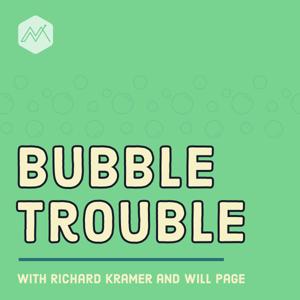


This week we get into portfolio theory, or lack of, as for many the rush to big tech and wilful ignorance of everything else Wall Street has to offer seems to be the rule as opposed to the exception. Why is that, and is it sustainable?
For more on Bubble Trouble, including transcripts of the show, visit us online at http://bubbletroublepodcast.com
You can learn more about Richard at https://www.linkedin.com/in/richard-kramer-16306b2/
More on Will Page at: https://pivotaleconomics.com
(Times below correspond to the episode without considering any inserted advertisements.)
The Magnificent Seven: Unpacking the Impact of Big US Tech Stocks
In this episode, Richard Kramer and Will Page, analysts specializing in financial markets, discuss the 'Magnificent Seven', a term referring to the big US tech companies and their significant market impact. Kramer eloquently illustrates the concentration of wealth within these tech giants and their extensive media coverage, which contributes to their continual growth. They discuss the concept of long tail distributions and how it correlates with a constraint in attention leading to invested interest in just a few companies. They scrutinize the implications of concentrated wealth and potential future industry shifts, emphasizing the need for cautious investment strategies, despite the allure of being swept up in booming tech sectors.
00:01 Introduction
00:48 Part One
00:48 The Role of Big US Tech in Portfolio Theory
03:30 The Magnificent Seven: Who Are They?
07:28 The Long Tail Effect in Financial Markets
22:56 The Investment Thesis: Backing Big Tech
23:13 Part Two
23:25 The Geographic Disparity in Big Tech
38:09 Smoke Signals: Indicators of Market Shifts
41:41 Conclusion: The Future of Big Tech Investments
41:54 Credits
Hosted on Acast. See acast.com/privacy for more information.
This week we’re going to keep on pricking bubbles with a fellow cynic of the sycophants and stenographers. Here to help us is David Trainer of New Constructs, whose company makes “robo-adjustments” to the reported accounts of 1000s of listed companies and tries to unearth the real financials behind the content marketing from company investor relations teams.
For more on Bubble Trouble, including transcripts of the show, visit us online at http://bubbletroublepodcast.com
You can learn more about Richard at https://www.linkedin.com/in/richard-kramer-16306b2/
More on Will Page at: https://pivotaleconomics.com
(Times below correspond to the episode without considering any inserted advertisements.)
In this episode of Bubble Trouble, guest David Trainor, the founder of New Constructs, delves into his background in economics and statistics, his time at Credit Suisse, and his perspective on market bubbles and financial accountability. The discussion ranges from the detrimental effects of rapid, superficial analysis and reporting pervasive in today's investment industry, to the importance of rigorous fundamental analysis in discerning true business value. The conversation also touches on companies' strategic overstatement of profits, the ill-effects of unchecked capital allocation, and the role of artificial intelligence in future financial analytics. As the founder of New Constructs, David highlights how his company is helping investors uncover the real financial situation behind companies' reported accounts.
00:00 Introduction
00:57 Part One
01:02 Guest Introduction: David Trainor
01:26 Understanding New Constructs
02:22 The Cynicism in Wall Street
03:02 David's Backstory and the Tech Bubble
04:11 The Role of Accounting in Business
05:37 The Reality of Wall Street
07:42 The Boy Who Cried Wolf: A Market Perspective
08:27 The Intentionality of Market Bubbles
15:44 The Impact of Algorithmic Trading
18:28 The Difference Between Investing and Speculating
23:49 The Challenge of Limited Company Disclosure
26:12 Part Two
27:34 Discussing the Spectrum of Corporate Ethics
27:42 Highlighting Notorious Corporate Scandals
28:05 Elon Musk: Genius or Snake Oil Salesman?
28:46 The Reality of Earnings Distortion
29:09 The Unsettling Truth About CFOs and Wall Street Analysts
29:40 The Role of Investor Relations Firms
30:37 The Problem with Superficial Analysis
33:43 The Art of Investing: A Touchy Feely Approach
35:55 The Role of AI in the Future of Financial Analysis
47:18 The Dangers of Overstating Profits and Zombie Stocks
50:57 Closing Thoughts and Future Predictions
50:59 Credits
Hosted on Acast. See acast.com/privacy for more information.
Hosted on Acast. See acast.com/privacy for more information.
One of the giant iceberg industries - it's all around us but we don’t really see it - is advertising. Frequently touted as the first to suffer, first to recover on the economic cycle, but also counter cyclical, since you need to sell harder in tougher times. Now we are seeing wobbles in economic data, some serious haircuts in tech exits and layoffs from the great and the good, it seems only right that we double down on a massive global ads market this week to see if it is suffering and if it is - might there be troubles ahead?
For more on Bubble Trouble, including transcripts of the show, visit us online at http://bubbletroublepodcast.com
You can learn more about Richard at https://www.linkedin.com/in/richard-kramer-16306b2/
More on Will Page at: https://pivotaleconomics.com
(Times below correspond to the episode without considering any inserted advertisements.)
Bubble Trouble: Navigating the World of Digital Advertising
In this episode of Bubble Trouble, hosts Richard Kramer and Will Page explore the state of digital advertising, its potential growth, the impact of technological trends, and the challenges it faces in terms of fraud and wasteful spending. They discuss the influence of AI in advertising, the philosophy behind programmatic advertising, and how economic cycles affect advertising spend. They also delve into the strategies employed by big companies like Google, YouTube, Facebook, and Instagram in the face of fraudulent activities. Richard points out marketers' inherent conflicts of interest and the ways AI could enhance ad targeting and testing. The hosts end with an insight into how poor economic periods could push companies to advertise harder to maintain their market presence.
00:00 Introduction
00:53 Part One
01:41 Understanding the Imperfections of the Advertising Market
01:57 The Size and Giants of the Advertising Market
02:36 The Impact of Social Media and Retail Media on Advertising
05:32 The Journey of Advertising: From Brand to Direct
21:43 The Influence of AI on Advertising
25:22 Addressing Ad Fraud in the Advertising Industry
25:48 Part Two
26:21 The Problem with Stream Fraud
26:39 Understanding the Different Types of Ad Fraud
27:20 The Impact of Fraud on the Music Industry
28:25 The Role of Bots in Ad Fraud
28:28 The Rise of Made-for-Advertising Sites
29:16 The Challenges of Programmatic Advertising
30:58 The Dangers of Malvertising
32:33 The Fear of Outing Fraudsters
37:49 The Future of Advertising on WhatsApp
43:16 The Impact of Elections on Advertising
47:26 The Role of AI in Improving Ad Targeting
48:12 The Influence of Advertising on Economic Cycles
48:27 Conclusion: The Imperfections and Opportunities in Advertising
50:01 Credits
Hosted on Acast. See acast.com/privacy for more information.
With 340-odd days ahead, what are the smoke signals - good and bad - that you need to be aware of? Today we look forward, and make sense of the madness ahead of us in 2024.
For more on Bubble Trouble, including transcripts of the show, visit us online at http://bubbletroublepodcast.com
You can learn more about Richard at https://www.linkedin.com/in/richard-kramer-16306b2/
More on Will Page at: https://pivotaleconomics.com
(Times below correspond to the episode without considering any inserted advertisements.)
Bubble Trouble: A Look at 2024's Economic Pitfalls and Opportunities
In this episode of Bubble Trouble, hosts Will Page and Richard Kramer discuss their outlook for 2024, examining potential economic headwinds and tailwinds. They predict turbulence ahead, citing macroeconomic swings, cutbacks in sectors like luxury goods, upcoming global elections, and changes in the tech landscape. They consider the potential impact of AI, particularly in the public sector, with potential benefits in education, health, and law. The hosts also discuss the uptake of Duolingo, reflecting on the broader success of apps that can maintain usage frequency.
00:00 Introduction
01:01 Part One
01:26 The Impact of Economic Headwinds
03:01 The Role of AI and Technology in the Economy
04:23 The Impact of Job Cuts and Unemployment
05:01 The Influence of Tech Companies on the Economy
08:43 The Impact of Macro Swings and Uncertainties
14:12 The Influence of Political Cycles on Economic Cycles
20:25 Part Two
20:25 The Potential of AI in Transforming Public Services
31:31 The Role of Drama in Influencing Public Opinion
Hosted on Acast. See acast.com/privacy for more information.
Hosted on Acast. See acast.com/privacy for more information.
Hosted on Acast. See acast.com/privacy for more information.
This week we want to wrap up a stellar year of topics, guests and unimaginable bubbly behavior, and not just of the kind of champagne at holiday parties.
For more on Bubble Trouble, including transcripts of the show, visit us online at http://bubbletroublepodcast.com
You can learn more about Richard at https://www.linkedin.com/in/richard-kramer-16306b2/
More on Will Page at: https://pivotaleconomics.com
(Times below correspond to the episode without considering any inserted advertisements.)
Bubble Trouble: 2023 in Review & Predictions for 2024
Bubble Trouble: 2023 & Looking Ahead to 2024
In this year-end episode of Bubble Trouble, co-hosts Will Page and Richard Kramer look back at the action-packed year of 2023 and the spectacular bubbles that burst within it. They discuss the turbulent direction of AI, the volatility in the podcast market, and address podcast topics including the integrity of financial statements and Britain's water crisis. The episode also features a reflection on past guests and their insights on different industry sectors. Looking forward to 2024, the hosts contemplate upcoming bubbles and the potential impact of global politics, elections, and interest rates.
00:00 Introduction
00:49 Part One
01:00 Reflecting on the Journey of Bubble Trouble
01:58 Reflection on the Bubbles that Burst
02:11 The Metaverse, NFTs, and the Reality Check
02:35 The Impact of the Consumer Debt and the Bubbles Bursting
02:58 Predictions for the Bubbles in 2024
04:40 The Role of AI in the Tech World
06:42 The Impact of Interest Rates on the App Economy
07:00 The Economic Climate and Spotify's Job Losses
07:52 The Impact of a Normal Functioning Finance System
21:45 Part Two
21:56 The Podcast Bubble: An Analysis
22:29 The Impact of AI on Music and Entertainment
22:48 The Rise and Fall of Podcasts and NFTs
23:07 The Truth about Audience Figures in Podcasting
24:41 The Future of Podcast Advertising
26:16 The Advertising Market in the Digital Age
26:45 The Challenges of Media Advertising
28:16 The Impact of Time Shifting on Podcast Advertising
28:40 The Dilemma of Monetizing Podcasts
28:55 The State of the Podcast Industry
39:00 The Impact of AI on the Economy
40:06 The Effects of Job Cuts
43:44 Closing Remarks and Acknowledgements
44:45 Credits
Hosted on Acast. See acast.com/privacy for more information.
Economics wont get you a lot of spicy dates… but we delve into a fantastically accessible book that compliments this podcast like gin and tonic. This week we’re going to be in conversation with the authors of "Boom and Bust: A Global History of Financial Bubbles," an engaging tour of the last 300 years of bubbles. (Repeat from May 2023).
For more on Bubble Trouble, including transcripts of the show, visit us online at http://bubbletroublepodcast.com
You can learn more about Richard at https://www.linkedin.com/in/richard-kramer-16306b2/
More on Will Page at: https://pivotaleconomics.com
(Times below correspond to the episode without considering any inserted advertisements.)
In this intriguing episode of Bubble Trouble, hosts Richard Kramer and Will Page engage in a lively chat with the authors of 'Boom and Bust'- William Quinn and John Turner. They focus on the principles governing financial bubbles over the last 300 years. Along the way, they explore topics like the effects of quantitative easing, importance of marketability, and the benefits and drawbacks of certain economic policies. The conversation also touches upon the impact of speculation, implications of central bank independence, and the role of media in shaping economic perspectives.
Hosted on Acast. See acast.com/privacy for more information.
This week wrap up our conversation with Andy Fastow, the former CFO of Enron. [Part 2 of 2]
For more on Bubble Trouble, including transcripts of the show, visit us online at http://bubbletroublepodcast.com
You can learn more about Richard at https://www.linkedin.com/in/richard-kramer-16306b2/
More on Will Page at: https://pivotaleconomics.com
(Times below correspond to the episode without considering any inserted advertisements.)
In this milestone 100th episode of Bubble Trouble podcast, hosts Richard Kramer and Will Page converse with former Enron CFO, Andy Fastow, discussing the downfall of Enron, financial regulation, the financial crisis, and the manipulation of financial statements. Fastow delves into the fine line between legal and illegal practices in finance, highlighting how business leaders can inject more risk than they realize when operating within the 'gray areas' of business and finance. He also shares his insights into public pension liabilities, the potential tipping point for public finances, and how the perception of different companies can drastically change based on financial reporting and assumptions.
0:00 BT 101 In Conversation with Former Enron CFO Andy Fastow Part Two
00:00 Introduction to Bubble Trouble
00:42 Part One
19:03 Exploring the Role of Technology in Financial Crises
22:20 Understanding the Impact of Government Accounting
29:09 Enron's Advisory Board and Structured Finance Deals
30:11 Reflections on Enron's Financial Practices
30:41 Government's Financial Engineering
30:58 Imputed Rent and Government Statistics
32:25 Part Two
32:25 Inflation and its Impact
32:25 Inequality and Low Interest Rates
32:40 The Role of Analysts and Ethics in Finance
33:34 The University of Colorado Case Study
49:29 Closing Thoughts on Ethics and Reciprocity in Finance
52:59 Credits
Hosted on Acast. See acast.com/privacy for more information.
From the publisher's feed
Hosted on Acast. See acast.com/privacy for more information.

3,325 Listeners

2,176 Listeners

1,966 Listeners

9,611 Listeners
3,153 Listeners
555 Listeners

221 Listeners

167 Listeners

5,358 Listeners
61 Listeners
51 Listeners

402 Listeners

194 Listeners

1,436 Listeners

140 Listeners