
Sign up to save your podcasts
Or


British generals feared their sermons, and John Adams credited them by name. We open the door to a forgotten story: how American pastors shaped the ideas that fueled independence, guided legislators, and ultimately informed the First Amendment’s protections—then connect that legacy to the questions pastors and voters face today.
We walk through the tangible links from pulpit to policy: reprinted sermons that taught equality under God, consent of the governed, and taxation limits long before 1776; clergy who counseled governors, served in congresses, and even held the Speaker’s gavel. From there, we cut through modern confusion about “separation of church and state,” clarifying that the First Amendment restrains Congress, not churches, and was never meant to secularize society. Along the way, we explore why early state bans on clergy in office were short-lived, how Jefferson and Witherspoon defended ministers’ civil rights, and why free exercise means robust moral teaching in public life.
Grounding the conversation in Scripture, we show how Romans 13 names civil rulers as “ministers of God,” how prophets confronted kings with truth, and how Jesus addressed issues we’d now call policy—contracts, marriage, justice. We offer a practical hierarchy for conscience-driven citizenship: public acknowledgment of God, protection of innocent life, preservation of marriage, and respect for private property, with additional biblical guidance on taxes, labor, and courts. We also tackle the IRS chill effect with facts and legal strategy that protect pulpit freedom, encouraging pastors to disciple believers for Monday—not just Sunday.
If you value clear thinking where faith meets freedom, press play and share this with a friend. Tell us which topic your pastor should tackle next.
Support the show
 View all episodes
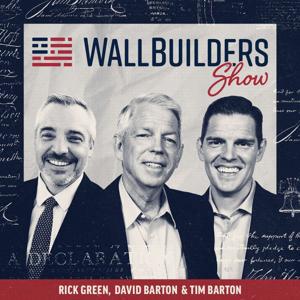
 By Tim Barton, David Barton & Rick Green

4.8
21152,115 ratings
British generals feared their sermons, and John Adams credited them by name. We open the door to a forgotten story: how American pastors shaped the ideas that fueled independence, guided legislators, and ultimately informed the First Amendment’s protections—then connect that legacy to the questions pastors and voters face today.
We walk through the tangible links from pulpit to policy: reprinted sermons that taught equality under God, consent of the governed, and taxation limits long before 1776; clergy who counseled governors, served in congresses, and even held the Speaker’s gavel. From there, we cut through modern confusion about “separation of church and state,” clarifying that the First Amendment restrains Congress, not churches, and was never meant to secularize society. Along the way, we explore why early state bans on clergy in office were short-lived, how Jefferson and Witherspoon defended ministers’ civil rights, and why free exercise means robust moral teaching in public life.
Grounding the conversation in Scripture, we show how Romans 13 names civil rulers as “ministers of God,” how prophets confronted kings with truth, and how Jesus addressed issues we’d now call policy—contracts, marriage, justice. We offer a practical hierarchy for conscience-driven citizenship: public acknowledgment of God, protection of innocent life, preservation of marriage, and respect for private property, with additional biblical guidance on taxes, labor, and courts. We also tackle the IRS chill effect with facts and legal strategy that protect pulpit freedom, encouraging pastors to disciple believers for Monday—not just Sunday.
If you value clear thinking where faith meets freedom, press play and share this with a friend. Tell us which topic your pastor should tackle next.
Support the show
1,414 Listeners

2,734 Listeners

2,091 Listeners

3,751 Listeners

884 Listeners
5,377 Listeners

2,199 Listeners

438 Listeners

3,707 Listeners

1,592 Listeners
1,524 Listeners

2,473 Listeners

922 Listeners
13,086 Listeners
859 Listeners