
Sign up to save your podcasts
Or

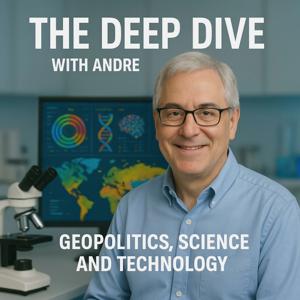

The provided sources offer a comprehensive overview of significant clinical breakthroughs in oncology as of mid-2025, highlighting a shift towards precision, multi-modal, and biologically engineered therapeutic strategies. They discuss advances in cellular therapies, such as the first FDA-approved tumor-infiltrating lymphocyte (TIL) therapy for solid tumors and next-generation CAR-T cell engineering designed for solid tumor challenges. The text also covers innovations in targeted treatments, including a novel FAK inhibitor for pancreatic cancer, a TKI-immunotherapy combination for colorectal cancer, and a highly effective neoadjuvant triplet for anaplastic thyroid cancer. Additionally, the sources examine developments in antibody and radiopharmaceutical therapies, showcasing a new bispecific antibody for multiple myeloma and powerful alpha-particle radioligands for prostate cancer. Finally, they underscore the emerging role of evidence-based non-pharmacological interventions, specifically a personalized exercise program demonstrating significant survival benefits in colon cancer.
Research done with the help of artificial intelligence, and presented by two AI-generated hosts.
 View all episodes
 By Andre Paquette


3.7
33 ratings
The provided sources offer a comprehensive overview of significant clinical breakthroughs in oncology as of mid-2025, highlighting a shift towards precision, multi-modal, and biologically engineered therapeutic strategies. They discuss advances in cellular therapies, such as the first FDA-approved tumor-infiltrating lymphocyte (TIL) therapy for solid tumors and next-generation CAR-T cell engineering designed for solid tumor challenges. The text also covers innovations in targeted treatments, including a novel FAK inhibitor for pancreatic cancer, a TKI-immunotherapy combination for colorectal cancer, and a highly effective neoadjuvant triplet for anaplastic thyroid cancer. Additionally, the sources examine developments in antibody and radiopharmaceutical therapies, showcasing a new bispecific antibody for multiple myeloma and powerful alpha-particle radioligands for prostate cancer. Finally, they underscore the emerging role of evidence-based non-pharmacological interventions, specifically a personalized exercise program demonstrating significant survival benefits in colon cancer.
Research done with the help of artificial intelligence, and presented by two AI-generated hosts.
14,395 Listeners

5,537 Listeners
12,232 Listeners
4,187 Listeners
1,625 Listeners

22 Listeners

16,321 Listeners