
Sign up to save your podcasts
Or

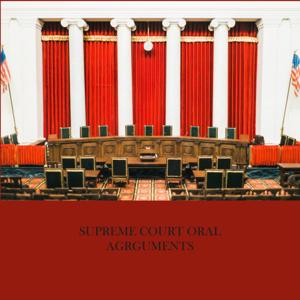

Case Preview: FS Credit v. Saba | Fund Feud: Forcing Fiduciary Fairness Through Federal Lawsuits | Argument Date: 12/10/25 | Docket Link: Here
Question Presented: Whether Section 47(b) of the Investment Company Act of 1940 gives private plaintiffs a federal cause of action to seek rescission of contracts that allegedly violate the Act.
OverviewThe Supreme Court will decide whether activist investors can sue investment funds directly in federal court when funds adopt governance provisions that allegedly violate federal securities law. Four closed-end funds adopted Maryland Control Share Acquisition Act provisions to strip voting rights from shareholders acquiring more than 10% ownership, prompting Saba Capital to seek rescission under Section 47(b) of the Investment Company Act. The case creates a fundamental clash over private enforcement of securities laws versus exclusive SEC regulatory authority, with implications for millions of Americans who invest in mutual funds and closed-end funds.
Episode RoadmapOpening: Investment Fund Warfare
• Circuit split: Second Circuit allows private suits vs. Third/Ninth Circuits reject them
• Core constitutional tension over implied private rights of action
• Stakes for investor activism and fund governance nationwide
Background: The Players and the Poison Pill
• Four underperforming closed-end funds trading 26% below asset value
• Saba Capital as activist hedge fund targeting mismanaged funds
• Funds adopt MCSAA to neutralize activist shareholders above 10% threshold
• District court orders rescission following Second Circuit precedent
The Central Legal Question
• Section 47(b)(2): Does "rescission at the instance of any party" create individual rights?
• Section 18(i): Equal voting rights requirement allegedly violated
• Modern Supreme Court hostility to implied private enforcement under Sandoval
Legal Arguments Analysis
• Petitioners argue constitutional separation of powers violations
• Respondents emphasize individual-rights statutory language
• United States supports limiting private enforcement to SEC authority
Episode HighlightsFS Credit's Arguments (Petitioners):
• Constitutional Separation of Powers: Courts usurp legislative authority when creating private rights Congress never explicitly authorized; Sandoval demands clear congressional intent in statutory text and structure
• Statutory Structure Argument: Congress knew how to create private rights when intended them (Sections 30(h) and 36(b)); comprehensive scheme delegates remaining enforcement exclusively to SEC
• Policy Disruption Concerns: Implied private rights would undermine SEC's regulatory authority and enable short-term activists to hijack funds designed for long-term investor stability
Saba's Arguments (Respondents):
• Individual Rights Language: Section 47(b)(2)'s "rescission at the instance of any party" constitutes "indisputably rights-creating" individual-centric language distinguishable from generic regulatory provisions rejected in Sandoval
• TAMA Precedent Support: Transamerica Mortgage Advisors v. Lewis (1979) directly endorses implied rescission rights; limited rescission remedies fundamentally differ from broad damage claims without raising equivalent policy concerns
• Beneficial Activism Defense: Saba serves beneficial shareholder protection function by identifying mismanaged funds; funds' poor performance and excessive fees demonstrate urgent need for activist accountability mechanisms
United States' Arguments (Supporting FS Credit):
• Modern Precedent Application: Supreme Court strongly disfavors implied private rights under strict Sandoval textualist methodology; courts should refuse creating new federal lawsuits from ambiguous statutory language
• Comprehensive Enforcement Structure: Investment Company Act's architecture demonstrates Congress created limited private rights in specific sections while granting SEC broad enforcement authority over remaining violations
• Oxford University Bank Critique: Second Circuit overlooked that Section 47(b) operates defensively in state court proceedings without requiring federal private rights; court misread TAMA involving statutory language Congress later removed from ICA
Stakes and Broader ImplicationsIf FS Credit Wins:
• Reinforces Supreme Court trend limiting private enforcement of federal statutes
• Preserves SEC's exclusive enforcement authority over most securities violations
• Protects long-term investors from disruptive short-term activist interventions
• Could restrict other securities law private enforcement theories nationwide
If Saba Wins:
• Creates powerful federal court tools for activist investors challenging fund governance
• Signals Court's renewed acceptance of implied private rights with supportive statutory text
• Potential flood of federal litigation over investment fund management decisions
• Reshapes balance between investor activism and management entrenchment across fund industry
Looking Ahead to Oral ArgumentsCritical Questions to Monitor:
• Justices' reactions to competing interpretations of "rescission at the instance of any party" language
• Conservative Justices' treatment of 1979 TAMA precedent as outdated judicial activism relic
• Practical workability concerns about overwhelming federal courts with fund governance disputes
• Federalism tensions between state corporate law and federal securities regulation
• Policy balance between activist accountability mechanisms and long-term investor protection priorities
Referenced Cases:
• Alexander v. Sandoval | 532 U.S. 275 (2001) | Established modern strict standard requiring clear congressional intent in statutory text for implied private rights
• Oxford University Bank v. Lansuppe Feeder | 933 F.3d 99 (2d Cir. 2019) | Second Circuit precedent finding Section 47(b) creates implied private action, generating circuit split requiring Supreme Court resolution
• Transamerica Mortgage Advisors v. Lewis (TAMA) | 444 U.S. 11 (1979) | Supreme Court recognized implied private rescission right under different securities law provision; central precedent supporting Saba's legal theory
 View all episodes
 By SCOTUS Oral Arguments

4.6
99 ratings
Case Preview: FS Credit v. Saba | Fund Feud: Forcing Fiduciary Fairness Through Federal Lawsuits | Argument Date: 12/10/25 | Docket Link: Here
Question Presented: Whether Section 47(b) of the Investment Company Act of 1940 gives private plaintiffs a federal cause of action to seek rescission of contracts that allegedly violate the Act.
OverviewThe Supreme Court will decide whether activist investors can sue investment funds directly in federal court when funds adopt governance provisions that allegedly violate federal securities law. Four closed-end funds adopted Maryland Control Share Acquisition Act provisions to strip voting rights from shareholders acquiring more than 10% ownership, prompting Saba Capital to seek rescission under Section 47(b) of the Investment Company Act. The case creates a fundamental clash over private enforcement of securities laws versus exclusive SEC regulatory authority, with implications for millions of Americans who invest in mutual funds and closed-end funds.
Episode RoadmapOpening: Investment Fund Warfare
• Circuit split: Second Circuit allows private suits vs. Third/Ninth Circuits reject them
• Core constitutional tension over implied private rights of action
• Stakes for investor activism and fund governance nationwide
Background: The Players and the Poison Pill
• Four underperforming closed-end funds trading 26% below asset value
• Saba Capital as activist hedge fund targeting mismanaged funds
• Funds adopt MCSAA to neutralize activist shareholders above 10% threshold
• District court orders rescission following Second Circuit precedent
The Central Legal Question
• Section 47(b)(2): Does "rescission at the instance of any party" create individual rights?
• Section 18(i): Equal voting rights requirement allegedly violated
• Modern Supreme Court hostility to implied private enforcement under Sandoval
Legal Arguments Analysis
• Petitioners argue constitutional separation of powers violations
• Respondents emphasize individual-rights statutory language
• United States supports limiting private enforcement to SEC authority
Episode HighlightsFS Credit's Arguments (Petitioners):
• Constitutional Separation of Powers: Courts usurp legislative authority when creating private rights Congress never explicitly authorized; Sandoval demands clear congressional intent in statutory text and structure
• Statutory Structure Argument: Congress knew how to create private rights when intended them (Sections 30(h) and 36(b)); comprehensive scheme delegates remaining enforcement exclusively to SEC
• Policy Disruption Concerns: Implied private rights would undermine SEC's regulatory authority and enable short-term activists to hijack funds designed for long-term investor stability
Saba's Arguments (Respondents):
• Individual Rights Language: Section 47(b)(2)'s "rescission at the instance of any party" constitutes "indisputably rights-creating" individual-centric language distinguishable from generic regulatory provisions rejected in Sandoval
• TAMA Precedent Support: Transamerica Mortgage Advisors v. Lewis (1979) directly endorses implied rescission rights; limited rescission remedies fundamentally differ from broad damage claims without raising equivalent policy concerns
• Beneficial Activism Defense: Saba serves beneficial shareholder protection function by identifying mismanaged funds; funds' poor performance and excessive fees demonstrate urgent need for activist accountability mechanisms
United States' Arguments (Supporting FS Credit):
• Modern Precedent Application: Supreme Court strongly disfavors implied private rights under strict Sandoval textualist methodology; courts should refuse creating new federal lawsuits from ambiguous statutory language
• Comprehensive Enforcement Structure: Investment Company Act's architecture demonstrates Congress created limited private rights in specific sections while granting SEC broad enforcement authority over remaining violations
• Oxford University Bank Critique: Second Circuit overlooked that Section 47(b) operates defensively in state court proceedings without requiring federal private rights; court misread TAMA involving statutory language Congress later removed from ICA
Stakes and Broader ImplicationsIf FS Credit Wins:
• Reinforces Supreme Court trend limiting private enforcement of federal statutes
• Preserves SEC's exclusive enforcement authority over most securities violations
• Protects long-term investors from disruptive short-term activist interventions
• Could restrict other securities law private enforcement theories nationwide
If Saba Wins:
• Creates powerful federal court tools for activist investors challenging fund governance
• Signals Court's renewed acceptance of implied private rights with supportive statutory text
• Potential flood of federal litigation over investment fund management decisions
• Reshapes balance between investor activism and management entrenchment across fund industry
Looking Ahead to Oral ArgumentsCritical Questions to Monitor:
• Justices' reactions to competing interpretations of "rescission at the instance of any party" language
• Conservative Justices' treatment of 1979 TAMA precedent as outdated judicial activism relic
• Practical workability concerns about overwhelming federal courts with fund governance disputes
• Federalism tensions between state corporate law and federal securities regulation
• Policy balance between activist accountability mechanisms and long-term investor protection priorities
Referenced Cases:
• Alexander v. Sandoval | 532 U.S. 275 (2001) | Established modern strict standard requiring clear congressional intent in statutory text for implied private rights
• Oxford University Bank v. Lansuppe Feeder | 933 F.3d 99 (2d Cir. 2019) | Second Circuit precedent finding Section 47(b) creates implied private action, generating circuit split requiring Supreme Court resolution
• Transamerica Mortgage Advisors v. Lewis (TAMA) | 444 U.S. 11 (1979) | Supreme Court recognized implied private rescission right under different securities law provision; central precedent supporting Saba's legal theory

38,476 Listeners
25,861 Listeners
5,107 Listeners
376 Listeners

678 Listeners

1,118 Listeners

6,301 Listeners

32,354 Listeners

7,207 Listeners
5,794 Listeners
2,433 Listeners
3,901 Listeners
382 Listeners
745 Listeners
36 Listeners