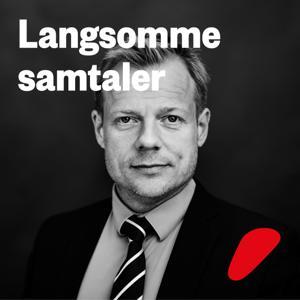
Hvordan ser internationalt samarbejde ud i en verden, hvor magten forskydes, nye aktører træder frem, og FN er under pres?
CISUs generalsekretær Charlotte Flindt Pedersen er netop vendt hjem fra FN’s generalforsamling i New York.
Hun kommer hjem med et klart indtryk: Der er fortsat stor efterspørgsel efter internationalt samarbejde, men rammerne er under forandring.
Det har hun og CISUs forperson Peter Horne Zartsdahl skrevet en kronik i Altinget* om.
Med den som udgangspunkt fortæller hun her vært Kim Jensen om rejsen til FN's 81. generalforsamling, UNGA 81.
00:40 – Charlotte Flindt Pedersens første indtryk fra FN’s generalforsamling: Stor efterspørgsel efter samarbejde trods et internationalt system under forandring.
- 02:51 – FN’s rolle i en verden præget af krige og konflikter, og spørgsmålet om, hvorvidt der er behov for et slags “FN 3.0”.
- 05:34 – En multipolær verdensorden, hvor USA og Vesten ikke længere står alene, og hvor Kina, Indien og andre aktører får større betydning.
- 06:23 – Teknologigiganternes voksende magt og kapløbet om kunstig intelligens.
- 10:03 – Forskellige syn på den internationale verdensorden og forholdet mellem magt, internationale regler og institutioner.
- 13:18 – Nye former for internationalt samarbejde, blandt andet mellem FN-organisationer og private virksomheder.
- 16:51 – Fonde, civilsamfund og nye aktører i udviklingssamarbejdet. Fra sundhed og vaccinationer til syd-syd-samarbejde.
- 18:47 – USAIDs tilbagetrækning, nye magtforskydninger i Afrika og mulighederne for danske partnerskaber og civilsamfund.
- 23:30 – G77-landenes voksende betydning og forskellene mellem Kinas og Indiens tilgang til internationalt samarbejde.
- 26:18 – Klimaforandringer og et øget fokus på klimatilpasning.
- 34:23 – Internationalt samarbejde handler i sidste ende også om mennesker, relationer og politisk lederskab.
* CISUs medlemsorganisationer har adgang til en særlig aftale med Altinget. Som medlemsorganisation kan man få adgang til Altinget for en person med tilknytning til CISU ved at sende en mail til
[email protected] med
[email protected] CC. I mailen skal man oplyse, hvilken medlemsorganisation man repræsenterer. Så får man en login, der ikke kan deles. Det er vigtigt, at man bruger en mail, der er tilknyttet medlemsorganisationen.