
Sign up to save your podcasts
Or

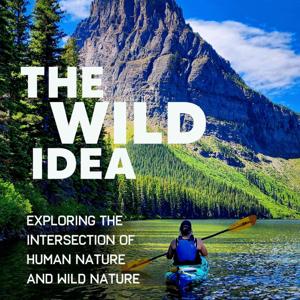

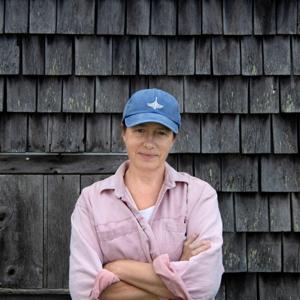
In this milestone 50th episode of The Wild Idea, Bill and Anders sit down in Helena, Montana, with rancher and entrepreneur Cole Mannix to explore the intersection of land stewardship, regenerative agriculture, and food system reform. Cole is a founding member of the rancher-owned Old Salt Co-op, an ambitious effort to create an alternative marketplace that reconnects producers, consumers, and landscapes across the American West.
The conversation moves from federal grazing leases and grizzly bear coexistence in the Gravelly Mountains to the structural consolidation of the American food system. Cole explains why less than two percent of the meat consumed in Montana is both raised and processed in-state, and how centralized processing, global supply chains, and economic consolidation have reshaped rural communities. Rather than simply marketing a different product, Old Salt aims to rebuild the shelf itself, redistributing economic value upstream to ranchers and land stewards.
They also discuss the Old Salt Festival, a growing annual gathering in the Blackfoot Valley that blends music, food, conservation dialogue, and working lands culture. At its core, this episode asks: What would a food system look like if it truly supported stewardship? How do we balance wild lands and working lands? And how can everyday choices help build a more resilient, place-based economy?
Find the links and resources mentioned today at our website, thewildidea.com.
 View all episodes
 By Wild Idea Media

4.9
6363 ratings
In this milestone 50th episode of The Wild Idea, Bill and Anders sit down in Helena, Montana, with rancher and entrepreneur Cole Mannix to explore the intersection of land stewardship, regenerative agriculture, and food system reform. Cole is a founding member of the rancher-owned Old Salt Co-op, an ambitious effort to create an alternative marketplace that reconnects producers, consumers, and landscapes across the American West.
The conversation moves from federal grazing leases and grizzly bear coexistence in the Gravelly Mountains to the structural consolidation of the American food system. Cole explains why less than two percent of the meat consumed in Montana is both raised and processed in-state, and how centralized processing, global supply chains, and economic consolidation have reshaped rural communities. Rather than simply marketing a different product, Old Salt aims to rebuild the shelf itself, redistributing economic value upstream to ranchers and land stewards.
They also discuss the Old Salt Festival, a growing annual gathering in the Blackfoot Valley that blends music, food, conservation dialogue, and working lands culture. At its core, this episode asks: What would a food system look like if it truly supported stewardship? How do we balance wild lands and working lands? And how can everyday choices help build a more resilient, place-based economy?
Find the links and resources mentioned today at our website, thewildidea.com.

38,062 Listeners

6,826 Listeners
25,797 Listeners
4,038 Listeners
3,541 Listeners
1,255 Listeners

111,948 Listeners

56,508 Listeners
3,422 Listeners
8,090 Listeners

6,564 Listeners

15,950 Listeners
10,745 Listeners
6,206 Listeners
1,411 Listeners