
Sign up to save your podcasts
Or

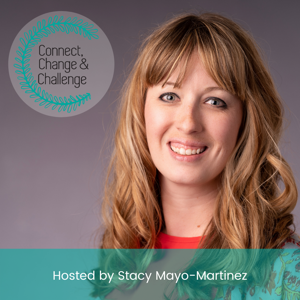


Many times as professionals we charge on constantly and don't give ourselves time to physically and mentally catch up. This episode we talk about the importance of taking a minute to just breathe and self care. In this episode as our host, I, Stacy Mayo-Martinez am joined by guest Addie Yoder. Addie hosts her own podcast called Grace & Growth with Addie. Addie calls Missouri home and is a book lover, mother, wife, life coach, farmer and all around awesome person to have on your team.
Together Addie and I discuss the opportunities to take a step back and just breathe. As professionals if we only put our head down and constantly work without taking a breath, we will wear ourselves out. At some point, you are not valuable to your team, your family, your friends and most importantly, yourself. It's important to take care of yourself first, so then you can take care of your priorities at work and at home.
For more episodes and the full transcript, visit http://connectchangechallenge.com/
Part of growing is getting out of your comfort zone. Why leave the comfort of familiarity? How do we feel productivity when we are in a state of being uncomfortable? I was joined for episode 4 of the Connect, Change & Challenge podcast by Cara Harbstreet of Street Smart Nutrition.
I met Cara virtually a couple years ago and in person within in the past 12 months. It always makes me happy when someone I follow online exceeds my expectations once we meet in person. Cara is a dietitian by trade, and a student of life. She has a great approach to learning, always providing thoughts and ideas to her audience to bring us all along, so she was a great fit for this conversation. She also throws in some snark and sass so with that we can relate.1:06
CONNECT
Cara reviews her professional hurdles and identified opportunities to go out on her own and create Street Smart Nutrition. She learned about the opportunities to challenge herself and her clients with bigger thinking. Cara talks about peoples’ connection to food and their diet. I don’t know about you, but I struggle with food decisions. I’m fortunate to be relatively health, but, of course, could do better. I love to cook, and I’m all in on full fat butter and cream. My theory of natural fats might be a little off on the nutrition spectrum. Also, if you tell me I can’t have carbs, bread and pasta will takeover my thoughts and my productivity will decrease as I’m focused on pizza and sandwiches, not strategy. So, diets aren’t my thing. This is another thing that attracted me to Cara’s food philosophies focused on intuitive eating and health at every size. The combination of taking book smart ideas, with street smart real-life situations. 2:02
Cara’s professional brand helps emulate her thinking on continuous learning and how things evolve. It’s hard to be uncomfortable or to realize that the way you’ve been living or something that you’ve thought for a time may be wrong. None of us likes to admit that we might be wrong about something, or that we have treated someone poorly, even if not intentional. Cara discussed the importance of learning how to live in that uncomfortable state, and how to take something good from process. 8:38
Another topic that can make many of us uncomfortable is racism and diversity. This is an area where I personally want to grow. How can I do better? How can I be more inclusive? How can I design programs and initiatives in the workplace that show the brand or organization is open to people who look different, think different or even just approach problems in different ways? These are questions I’m asking myself right now. Cara talks about her personal journey around race as she identifies as bi-racial, so her experience is different from others, both people of color and Caucasians. She discusses her personal journey of exploring working with an anti-racism educator while having accountability and consistency. 11:13
CHANGE
I feel like being uncomfortable is often the first step to work toward change. Most everyone can say they have experienced stress in 2020. Whether personal, professional or most likely, both. That may mean balancing watching kids and helping with virtual learning while joining your third zoom call for the day. Or maybe hosting a virtual seminar and having your screen adapter come loose and the presenters get a white screen during the live event. I don’t have kids so you can guess which one of those is from personal experience. All that being said, that’s not the type of stress I am talking about. I’m talking about topics or issues that make you uncomfortable and maybe even add stress that you don’t realize is there. Lately, there have been issues that have popped up where I’ve had to say I don’t understand how or why that person feels the way they do. I need to take a step back and see if I can better understand to develop or check my own opinions on that issue. 14:08
That all being said, between the stress and the self questioning, these don’t mean that asking yourself these questions equates to you being wrong with your feelings. It’s just keeping yourself in check. I’ve also found that many times it actually strengthens my position on topics, but I now know why I feel that way, and also understand how someone else may feel differently. We can disagree and still respect each other. 15:52
Cara emphasizes the importance of working past the stress. The educator she has worked with is Monique Melton. One light bulb statement Cara learned from Monique was that you can’t let anxiety be your barrier to continuing to work. This is something I found very impactful and a mantra that helps you live in the state of uncomfortable, and get to the point of change. 17:11
CHALLENGE
We always end every episode with the challenge, and Cara left us with two great thoughts. We talked about the need for accountability, but building your right accountability team--hose that will be supportive, but still help you push yourself forward. 20:17
Cara leaves us with advice from her professional experience. It’s a loose thought exercise where you focus on trying to find out if your actions and behaviors are aligned with your values. Ask yourself, “what are your values?” Then, evaluate your actions and see if what you are doing is aligning with the values you have identified. The question is, “Are your values being reflected in your personal actions and your professional actions?” 22:39
The second is to take a step back and ask yourself what you want to learn. What are you really aspiring to do or learn? This is a great way to evaluate how you move forward and to keep yourself from being distracted. 24:58
I hope you tune in to listen to the full episode. There were so many great thoughts in this episode it was hard to capture them all. Comment below if you have thoughts on any of the information shared, or the challenges we put forward.
If you want to follow Cara professionally, you can check her out online at streetsmartnutrition.com or on Instagram at streetsmart.rd. She posts great recipes, which not only taste good, but look good, funny memes and thought-provoking articles. All great things to have in our newsfeed.
For more discussion and other insights, visit connectchangechallenge.com.
Note: The time codes listed below connect to the video or audio recordings
When you hear the word unexpected as the theme for the week, it could make you think that no planning was involved, and good things just happened. No strategy, no plan. That is actually the opposite of the approach we are discussing. My guest on episode, Amy Pettit, is the Executive Director at Alaska Farmland Trust and she has successfully shown the power of unexpected connections.
As a non-profit with only one staff, there is no room to just let things happen, you have to be strategic and smart with your time. Amy is the person who works to engage farmers in the trust program, gains pledges from donors, builds strategic partnerships with the public and also the one who gets the mail, answers the phones and mails out their great merchandise. As a staff of one, there are opportunities to be nimble and make things happen quickly, but it takes set goals and a clear mission. That’s how we get to unexpected.
Amy took over as the executive director five years ago and at the time they were a traditional non-profit organization. Amy harnessed her creative spirit to help the organization define their priorities and goals, but then think about unexpected connections on how she would grow their fundraising and advocate base. 2:26
A unique hurdle for Alaska Farmland Trust is production agriculture as we know it today is a newer industry in Alaska than the lower 48 states. Most of the Alaska farms have been around for 50-75 years, so they are on their first or second generations. In comparison many farms where I am in Kansas could easily be fourth or fifth generation farmers running the farm. 3:42
CONNECT
The personal connection I have when Amy started when we both worked for state departments of agriculture helping brand agriculture goods from jelly to wine, vegetables to hot sauce. In the discussion we focus on Amy’s connections that helped her think outside the box. Amy has excellent marketing experience and the knowledge of Alaska production agriculture and she shares how those connections really helped her look broader. 8:06
When she looked broader on how to build up her advocates and funders for Alaska Farmland Trust it started with the idea of a happy hour to tell people about their cause at a local ale house. Have people enjoy Alaska made beer and learn about farmlands in state and why they are worth saving. The ale house owner pushed her to think bigger, what about a concert where they get the beer proceeds. Then enters Amy’s creative mind and a catchy phrase was born: Drink Beer Save Farms. It’s snappy, looks good on a t-shirt, gets people talking and raises funds. 11:04
The community that Amy and Alaska Farmland Trust has built with their Drink Beer Save Farms campaign may not all write $10,000 donations, but they have been drawn in as advocates, they asked the question, “What does drinking beer have to do with saving farms,” possibly bought t-shirts and walked away more knowledgeable. They then told people in their lives why it’s important to support farms and save farmland. 17:54
I was fortunate enough to support the cause in a small way by purchasing a Drink Beer Save Farms t-shirt. I can tell you the first time I wore it I had three unexpected conversations with random people that day about my shirt. We talked about how awesome the phrase was and what it meant. A catchy phrase can go a long way, bring in unexpected advocates and create a network that is bigger than just your donor base. 19:28
CHANGE
In a world where things are always changing, Amy shared the three areas of focus for the Alaska Farmland Trust. Saving farmland to keep it in agriculture production for perpetuity, promote the agriculture industry and educate consumers on where their food comes from. While things are changing it’s important to stay true to your organization or business mission. 23:50
A fun fact, the number of Alaska farmers is actually growing. According to the last census they increased the number of farms by 30%. There are opportunities for those that want to farm and a pride in Alaska where they do put a major focus on buying local since their in-state food supply is so limited. 26:40
The one crop that Alaska does export is peony flowers. While the lower 48 enjoys these beautiful flowers in May and June, the climate in Alaska has put them a unique advantage of growing them during July and August. This aligns well with the peek wedding season and we discuss how Amy previously helped the peony farmers establish international export markets for their flowers to meet the global demands for the flowers during the later growing season. This connection unexpectedly happened when a group of researchers visited the botanical gardens at the University of Alaska Fairbanks. 29:19
CHALLENGE
With the challenges that 2020 has brought we have all learned the need to take a step back and rethink our events, fundraisers, membership drives or outreach efforts. The challenge for the week is to think about unexpected connections. Where can you connect with new customers you haven’t approached before? How can you unexpectedly solve a problem that you haven’t focused on previously? What is one way you can step out of your box and pivot or broaden your thinking but still ensure you are aligning with your company, organization or your personal values and mission? 35:21
If you want to connect with Amy and the Alaska Farmland Trust visit akfarmland.com. The awesome Save Farms Drink Beer merchandise is not available yet online, but as Amy pivots she’s building up her online store and you too can start great conversations at the nail salon, grocery store or maybe even an airport in the future.
When we think of the word brand, usually we think of a brand we have an affinity for. Possibly a vehicle manufacturer, sports team, phone or soda. You know the things that you’ll pay extra for because you know what you are getting. The consistent quality, experience, fan experience or product you invest in.
In the marketing world we work with brands on the back side of that equation. We think about what impression we want customers to feel when they experience our brand, what we want to them remember about our brand, why we want them to buy into our brand. Have you ever though about your own brand? What emotions you put out into the world, how people feel after knowing or working with you.
In the second episode of Connect, Change & Challenge podcast, my guest is Deron Johnson, FLM Harvest Executive Vice President, Chief Brand Officer. Deron is not only an expert marketer and brand builder, but I also had the privilege of him being my first boss out of college. Fun fact, Deron and I met at National AgriMarketing Association, NAMA. After I interviewed with Deron, I got up and competed with my team in the collegiate competition. No pressure, but good news our team won, and I got the gig! Find out about our personal connection at 1:08.
Deron was the first person to challenge me at my initial annual review to think about my personal brand. I was a year into my career and still wasn’t sure what I wanted to be when I grew up. Deron’s challenge was to think about my personal brand, who I was and how I wanted to grow. In this episode we talk about this starting at 4:00.
Things change. We then go on to talk about the bold line that formerly separated our personal and professional lives is thin if even evident these days. Think about how your personal brand is viewed in your personal life and your professional life. Are they consistent? Do you have work to do on one side of the equation? How has the era of social media changed the separation of personal and private? We discuss this at 16:10.
Finally, we move into the final segment of the podcast discussion, the challenge. Each week on the segment I’ll leave you with a challenge to consider for your personal and professional development growth. The challenge for the Personal Brand podcast is to conduct a review of your personal brand, find both personal and professional contacts you can trust to do an evaluation. Part two, after you identify an evaluation of your brand, identify if there are areas for improvement and then create regular check ins with an accountability team. This group can be the same individuals that gave you the feedback at the beginning of the process or others that can give you helpful feedback but do so in a productive way. We discuss this at 25:42 in more detail.
For more episodes or discussion visit https://stacymayomartinez.com/insights/personalbrand
Welcome to Connect, Change and Challenge. A podcast designed for professionals across industries. Each episode I'll host a guest where we will focus on a topic of the week. From branding to un expected connections, learning to be uncomfortable and the power of pulling up your boot straps to get work done. Episodes will also leave listeners with a challenge to find small ways to grow and develop as professionals whether you are in college still finding your way or 40 years in. Follow along each week for new guests and new challenges.
From the publisher's feed